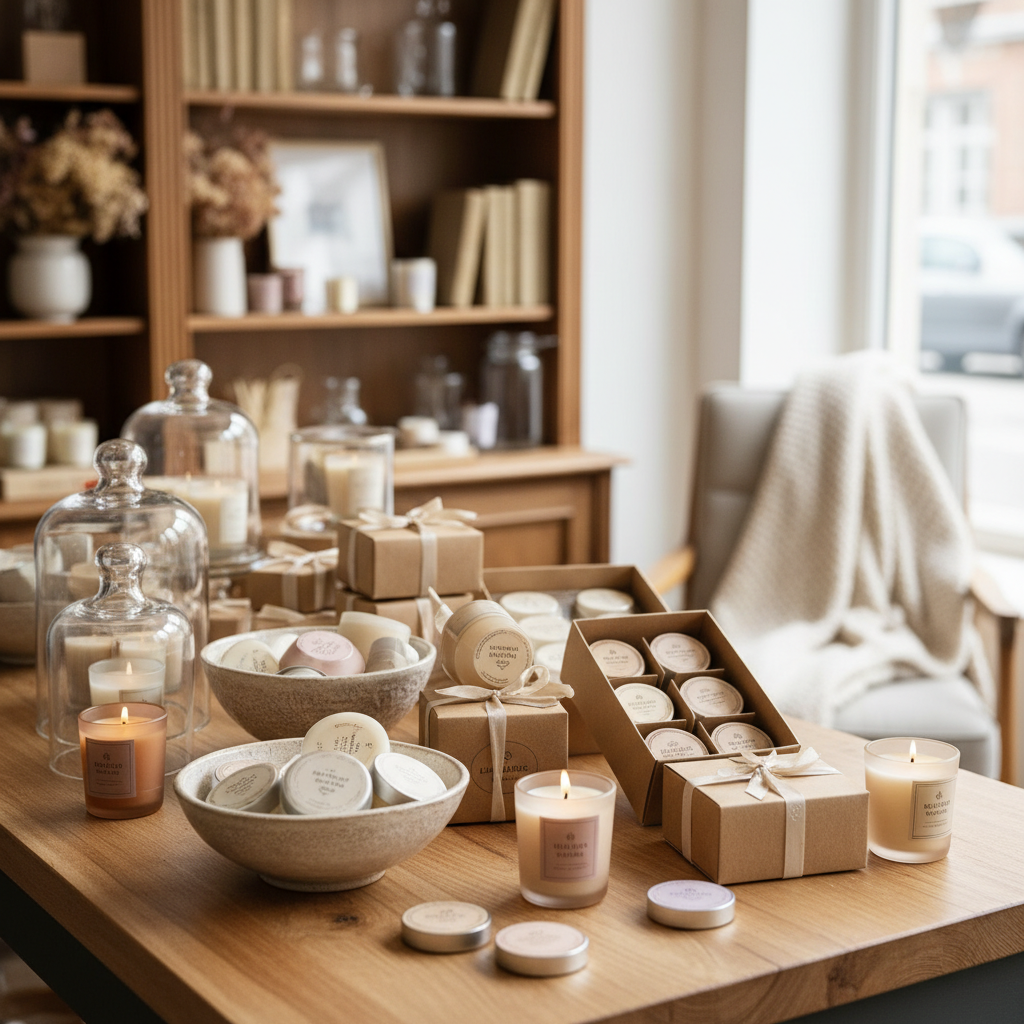
The captivating allure of a scented candle transcends mere illumination; it’s a sensory experience deeply woven into the fabric of human culture and well-being. From ancient civilizations utilizing fragrant resins in rituals to the modern aromatherapy practices of today, the use of scent to enhance mood, evoke memories, and create ambiance is a timeless tradition. Understanding the nuances of scented candle production, ingredients, and applications is increasingly relevant in a world seeking natural stress relief and holistic lifestyle choices.
Globally, the scented candle market is experiencing significant growth, fueled by a rising disposable income, increasing awareness of aromatherapy benefits, and a growing desire for home comfort and self-care. According to market research reports, the global candle market was valued at over $8.2 billion in 2023 and is projected to reach $11.5 billion by 2030, with scented candles representing a substantial and expanding segment. This growth isn't limited to developed nations; emerging markets demonstrate increasing demand as lifestyles evolve and consumers prioritize creating inviting home environments.
However, this growth also presents challenges related to sustainable sourcing of materials, responsible manufacturing practices, and consumer awareness regarding potential health and environmental impacts. A comprehensive understanding of the scented candle industry – from wax composition to fragrance oil safety – is therefore crucial for both consumers and producers.
The Allure and Global Market of scented candle
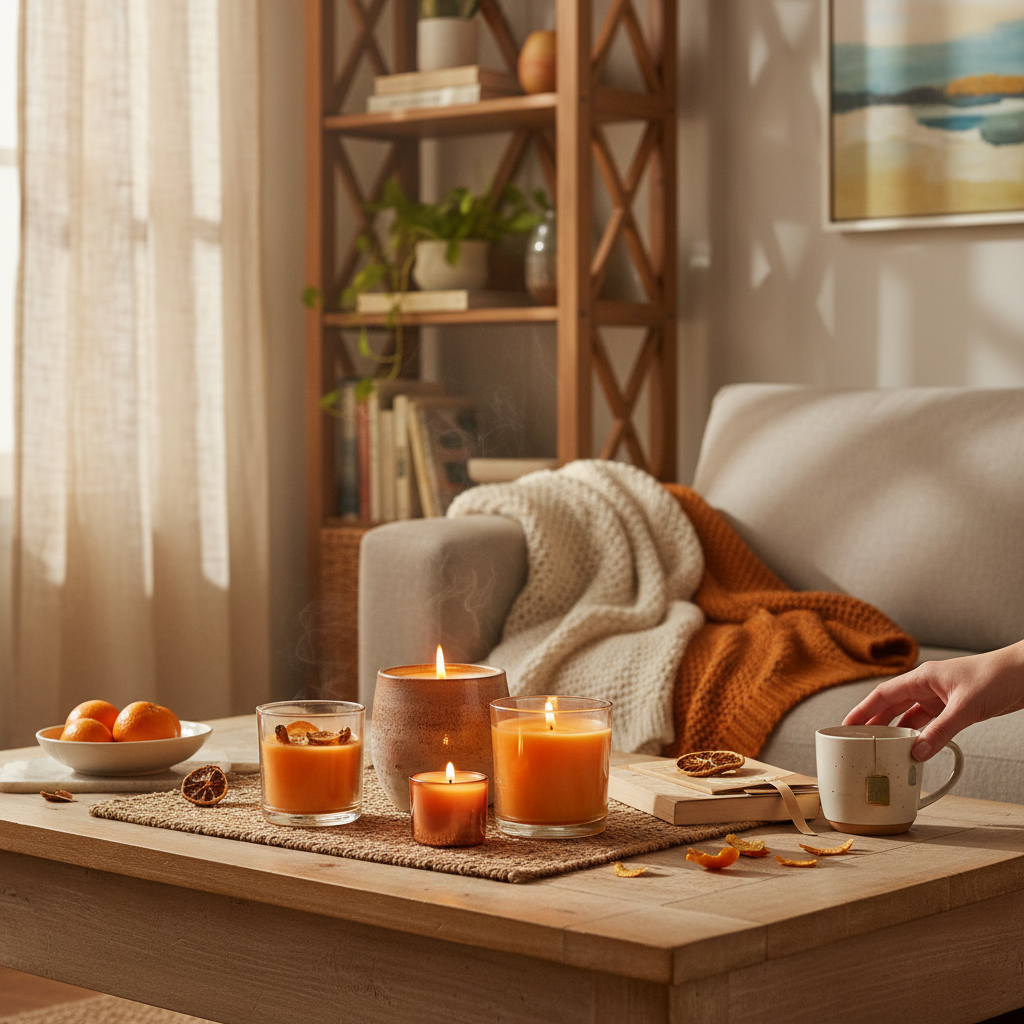
The appeal of a scented candle is multifaceted, encompassing aesthetic appeal, olfactory pleasure, and emotional resonance. A thoughtfully chosen scent can transform a space, evoke cherished memories, or promote a sense of calm and well-being. This intrinsic value is driving consistent demand across diverse demographics and geographies.
The global scented candle market is characterized by a blend of established players and emerging artisanal brands. North America and Europe currently dominate market share, but Asia-Pacific is exhibiting the fastest growth rate, driven by increasing disposable incomes and a growing emphasis on self-care and home decor. The trend towards natural and sustainable products is also profoundly shaping market dynamics, pushing manufacturers to prioritize eco-friendly materials and ethical sourcing.
Defining the Art of scented candle
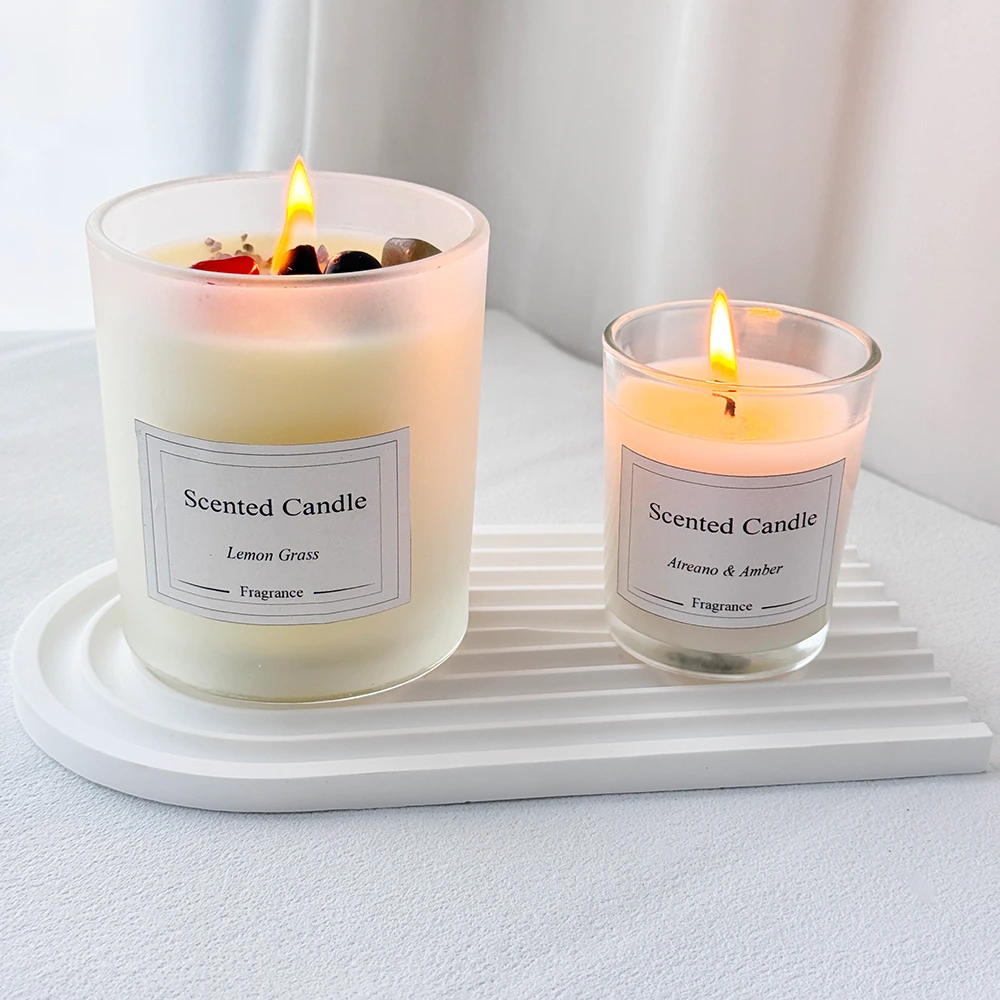
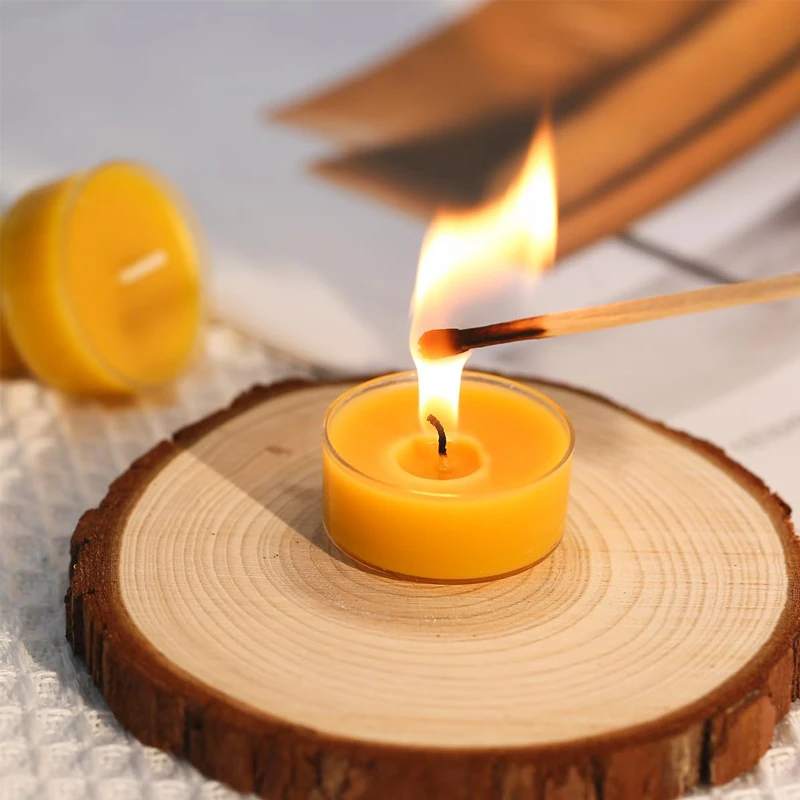
At its core, a scented candle is a wax-based luminary infused with fragrance oils. However, crafting a truly exceptional scented candle is an art form involving meticulous attention to detail, from the selection of the wax and fragrance to the wick’s properties and the final presentation. The quality of each component significantly impacts the candle’s burn time, scent throw, and overall sensory experience.
The modern scented candle industry stands as a testament to human ingenuity. It connects ancient traditions of perfumery and illumination with modern materials science and manufacturing techniques. Today, it isn't simply about providing light, but about curating a specific atmosphere and enhancing quality of life.
Beyond its practical purpose, the scented candle represents a connection to craftsmanship and artistry, offering a luxurious and accessible way to personalize one’s living space. The intricate process of scent blending and candle making demonstrates a commitment to quality and aesthetics, elevating it beyond a simple commodity.
Core Components of Quality scented candle
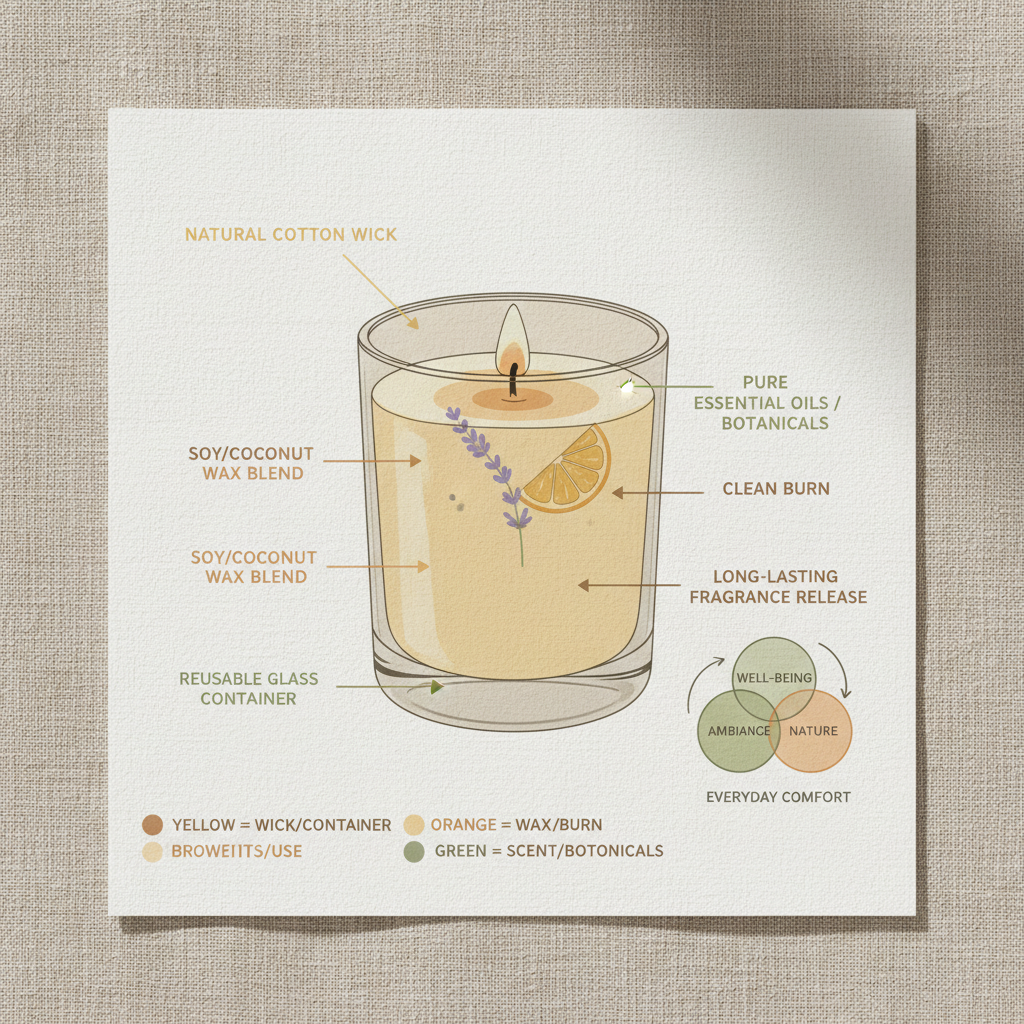
The quality of a scented candle hinges on several key components. First, the wax – commonly paraffin, soy, beeswax, or coconut wax – dictates the burn rate, scent throw, and overall aesthetic. Soy wax, for example, is a popular choice for its clean burn and renewable sourcing.
Second, the fragrance oil itself is critical. High-quality fragrance oils are carefully crafted blends of natural essential oils and synthetic aroma compounds, designed to provide a consistent and captivating scent experience. The concentration of fragrance oil significantly impacts the scent throw—the intensity and reach of the aroma.
Finally, the wick plays a crucial role. A properly sized wick ensures a clean, even burn, preventing excessive smoking or tunneling. Wicks can be made from cotton, paper, or wood, each offering distinct burning characteristics. The combination of these elements determines the overall quality and performance of the scented candle.
Applications of scented candle Across Industries
While primarily associated with home fragrance, the applications of scented candle extend far beyond the residential sector. The hospitality industry utilizes scented candle to create welcoming and luxurious atmospheres in hotels, spas, and restaurants. Specific scents can be chosen to complement the ambiance and enhance the guest experience.
The wellness and aromatherapy industries leverage the therapeutic properties of essential oils infused in scented candle for stress reduction, mood enhancement, and improved sleep quality. Retail environments employ scent marketing strategies, utilizing scented candle to create a positive and memorable shopping experience, subtly influencing consumer behavior.
Scent Intensity Preferences Across scented candle Users
Advantages and Long-Term Value of scented candle
The advantages of incorporating scented candle into daily life are numerous. Beyond the aesthetic and aromatic benefits, they offer a cost-effective means of enhancing mood and creating a relaxing atmosphere. Compared to other home fragrance options, such as diffusers or room sprays, scented candle often provide a longer-lasting and more nuanced scent experience.
From a sustainability perspective, choosing scented candle made with natural waxes like soy or beeswax, and packaged with recyclable materials, contributes to a more eco-conscious lifestyle. The long-term value extends to the emotional well-being fostered by a calming and inviting home environment.
Future Trends in the scented candle Industry
The scented candle industry is poised for significant innovation. Expect to see increasing demand for personalized scent experiences, driven by advancements in scent technology and the ability to create custom fragrance blends. The integration of smart home technology, such as automated scented candle timers and scent diffusers controlled by voice assistants, is also on the horizon.
The focus on sustainability will intensify, with manufacturers exploring alternative wax sources, biodegradable packaging, and carbon-neutral production processes. Furthermore, the rise of ‘clean beauty’ and wellness trends will continue to drive demand for scented candle formulated with natural, non-toxic ingredients.
The future of scented candle is not merely about fragrance; it’s about creating immersive sensory experiences that promote well-being and enhance quality of life.
Challenges and Sustainable Solutions for scented candle
Despite its growth, the scented candle industry faces challenges related to sourcing sustainable materials and minimizing environmental impact. The production of paraffin wax, a common candle ingredient, relies on petroleum, a non-renewable resource. The release of volatile organic compounds (VOCs) from some fragrance oils can also raise health concerns.
Sustainable solutions include transitioning to renewable wax sources like soy, beeswax, and coconut wax. Utilizing essential oils and natural fragrance compounds instead of synthetic alternatives reduces VOC emissions and promotes a healthier indoor environment. Furthermore, implementing responsible packaging practices – utilizing recyclable materials and minimizing waste – is crucial.
Transparent sourcing and ethical production practices are paramount. Consumers are increasingly demanding information about the origins of ingredients and the manufacturing processes, driving brands to prioritize sustainability and accountability.
Key Sustainability Metrics for scented candle Production
| Wax Source |
Fragrance Oil Composition |
Packaging Material |
Carbon Footprint (Score 1-10) |
| Paraffin Wax |
100% Synthetic |
Plastic Container |
8 |
| Soy Wax |
80% Natural, 20% Synthetic |
Glass Jar |
5 |
| Beeswax |
100% Essential Oils |
Recycled Paper |
3 |
| Coconut Wax |
90% Natural, 10% Synthetic |
Aluminum Tin |
4 |
| Palm Wax |
50% Natural, 50% Synthetic |
Cardboard Box |
7 |
| Rapeseed Wax |
100% Essential Oils |
Biodegradable Plastic |
2 |
FAQS
The "best" wax depends on your priorities. Soy wax is popular for its clean burn and eco-friendliness, while beeswax offers a natural fragrance and longer burn time. Paraffin wax is affordable but derived from petroleum. Coconut wax is gaining traction for its excellent scent throw and sustainable sourcing. Consider your scent preferences, environmental concerns, and budget when making a choice.
To maximize scent throw, ensure the wax is fully melted during the first burn, creating a “memory ring”. This prevents tunneling and allows the fragrance to be released evenly. Trim the wick to ¼ inch before each use to prevent smoking and maintain a clean burn. The size of the candle and the room it's in also impact scent throw; larger candles in smaller rooms will be more potent.
For individuals with allergies or asthma, it's crucial to choose scented candles made with natural essential oils and avoid synthetic fragrances, which can trigger reactions. Ensure the candle is burned in a well-ventilated area. Consider beeswax or soy wax options, as they produce less soot. Always check the ingredient list for potential allergens.
The burn time of a scented candle varies depending on the wax type, size, and wick. Generally, a high-quality soy wax candle will burn for 40-60 hours, while paraffin wax candles may burn for a shorter duration. Following proper burning guidelines—trimming the wick and allowing a full melt pool—will help maximize the candle’s lifespan.
Avoid blowing out a scented candle directly, as this can cause smoke and splatter wax. Instead, use a candle snuffer to extinguish the flame cleanly and prevent the release of soot. This method helps preserve the scent and extends the candle's lifespan.
Sustainable scented candles are crafted using renewable resources like soy, beeswax, or coconut wax. They prioritize natural essential oils over synthetic fragrances, and employ eco-friendly packaging materials. Manufacturers focus on ethical sourcing, carbon-neutral production, and reducing waste throughout the entire process, aligning with environmentally responsible practices.
Conclusion
In conclusion, the scented candle represents far more than just a source of illumination. It is a powerful tool for creating ambiance, enhancing well-being, and connecting with our senses. Understanding the intricacies of its components, applications, and the emerging trends in sustainability is crucial for both consumers and producers alike. The growth of the scented candle industry reflects a deeper societal shift towards prioritizing self-care, mindful living, and a desire for creating comforting and inviting spaces.
Looking ahead, innovation in materials, fragrance technology, and sustainable practices will continue to shape the future of this beloved tradition. By embracing ethical sourcing, eco-friendly production, and a commitment to quality, we can ensure that the pleasure and benefits of scented candles are enjoyed for generations to come. Visit our website to explore our collection: www.ouniscandle.com