Christmas scented candles have become a globally cherished tradition, evoking feelings of warmth, nostalgia, and festive cheer. Their popularity transcends cultural boundaries, playing a significant role in celebrations across the world. The demand for these candles is driven by a desire to create comforting and inviting atmospheres during the holiday season, with a growing market catering to diverse scent preferences and aesthetic sensibilities. Understanding the nuances of christmas scented candles – from their fragrance profiles to their manufacturing processes – is becoming increasingly important for both consumers and businesses alike.
The global candle market, including christmas scented candles, is a multi-billion dollar industry. Reports indicate consistent growth, fueled by rising disposable incomes and a growing emphasis on home décor and well-being. According to Statista, the global candle market was valued at approximately $8.8 billion in 2023 and is projected to reach $11.5 billion by 2028. This demonstrates the enduring appeal of candles as a source of ambiance and fragrance. The rising consumer demand for natural and sustainable products is also influencing the christmas scented candles market, prompting manufacturers to explore eco-friendly materials and production methods.
Christmas scented candles address a fundamental human need for comfort and connection, particularly during periods of celebration and togetherness. They offer a simple yet powerful way to enhance the festive experience, creating lasting memories and fostering a sense of joy. The increasing availability of diverse scent options – from classic pine and cinnamon to more unique and sophisticated blends – ensures that there’s a christmas scented candle to suit every taste and occasion. Furthermore, the gift-giving aspect of the holiday season significantly contributes to the demand for these products, making them a popular choice for thoughtful presents.
The Global Significance of christmas scented candles
Christmas scented candles hold a powerful cultural significance, deeply ingrained in traditions worldwide. From the lighting of the Advent candle to the festive glow on Christmas Eve, these candles symbolize hope, peace, and joy. They aren't merely decorative items; they're integral to creating a specific atmosphere associated with the holidays, appealing to both sentimental and sensory experiences. The global reach of this tradition is testament to the universal appeal of comforting scents and warm illumination.
The demand for christmas scented candles isn't limited to Christian communities. Their association with festive celebrations makes them popular during winter holidays across various cultures. Moreover, the increasing trend of "hygge" – the Danish concept of coziness and well-being – has further boosted the popularity of candles as a means of creating a relaxing and inviting home environment. This broad appeal underscores the enduring relevance of christmas scented candles in a globalized world.
Defining Christmas Scented Candles
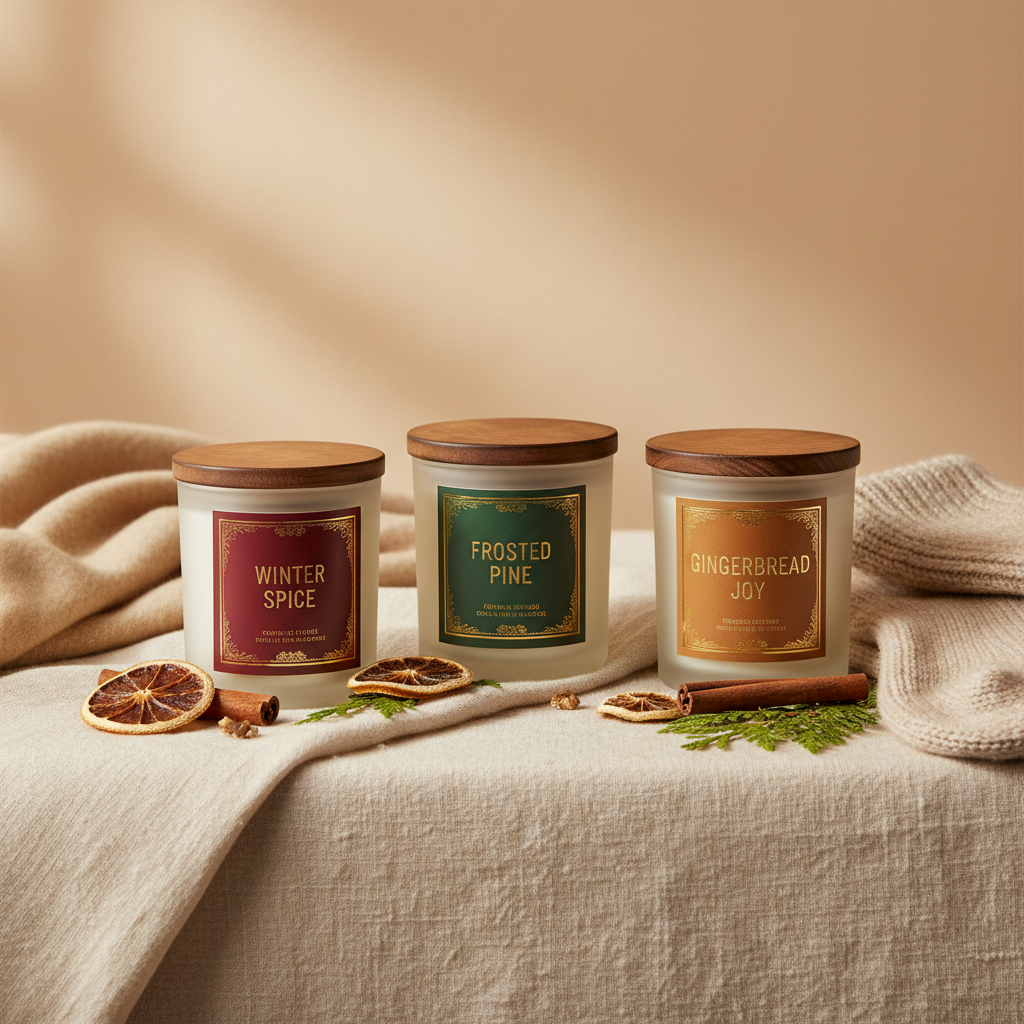
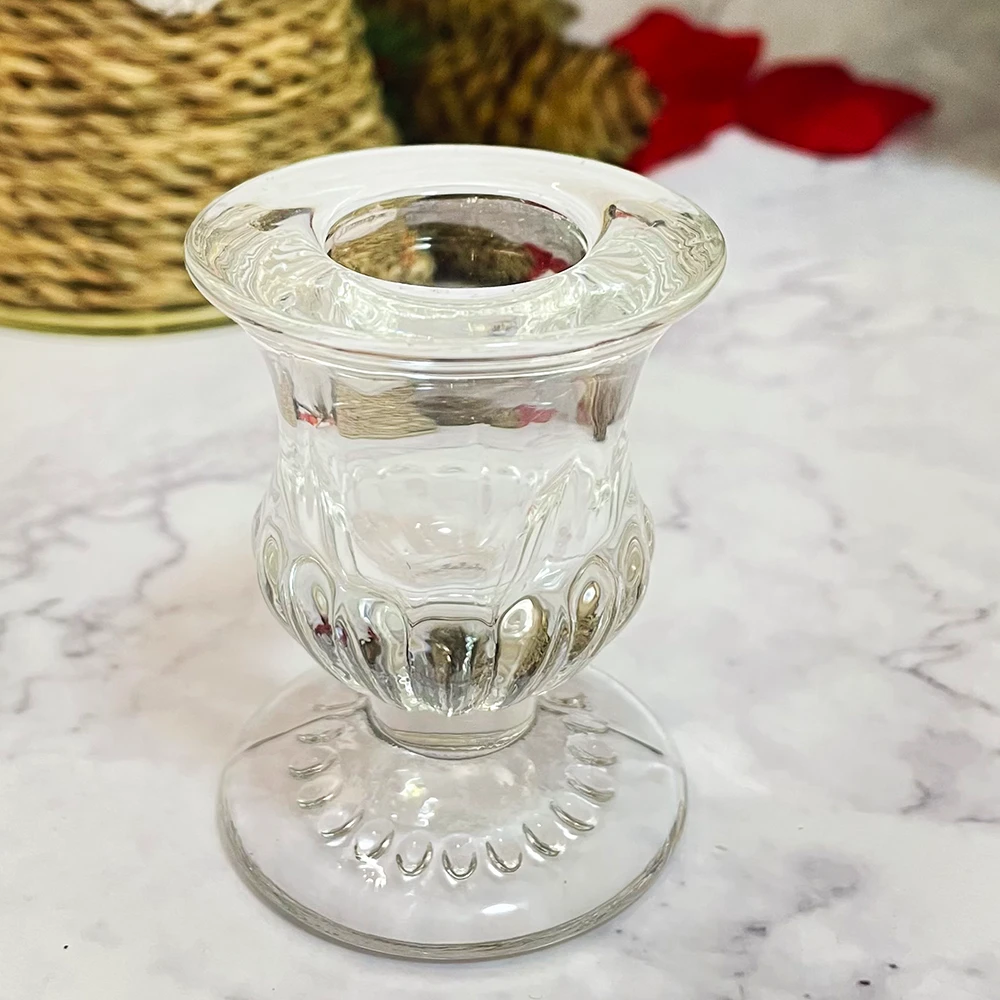
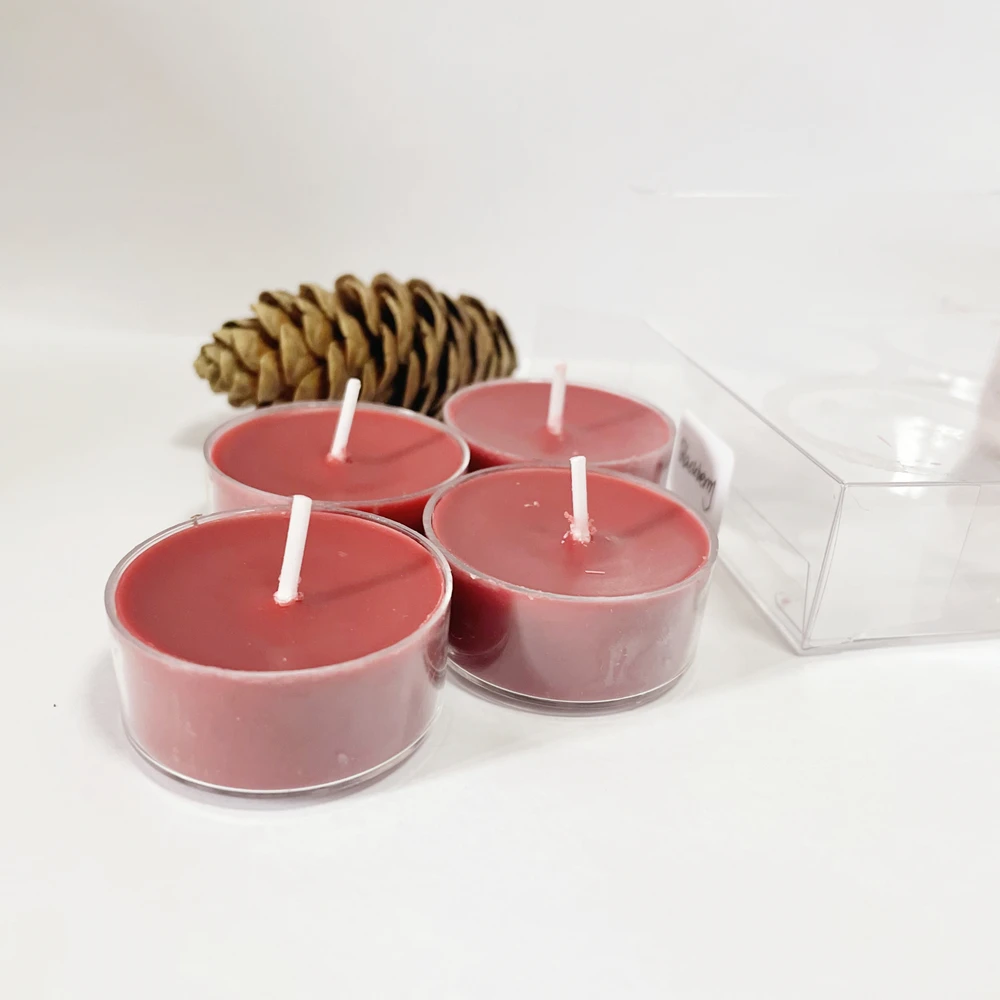
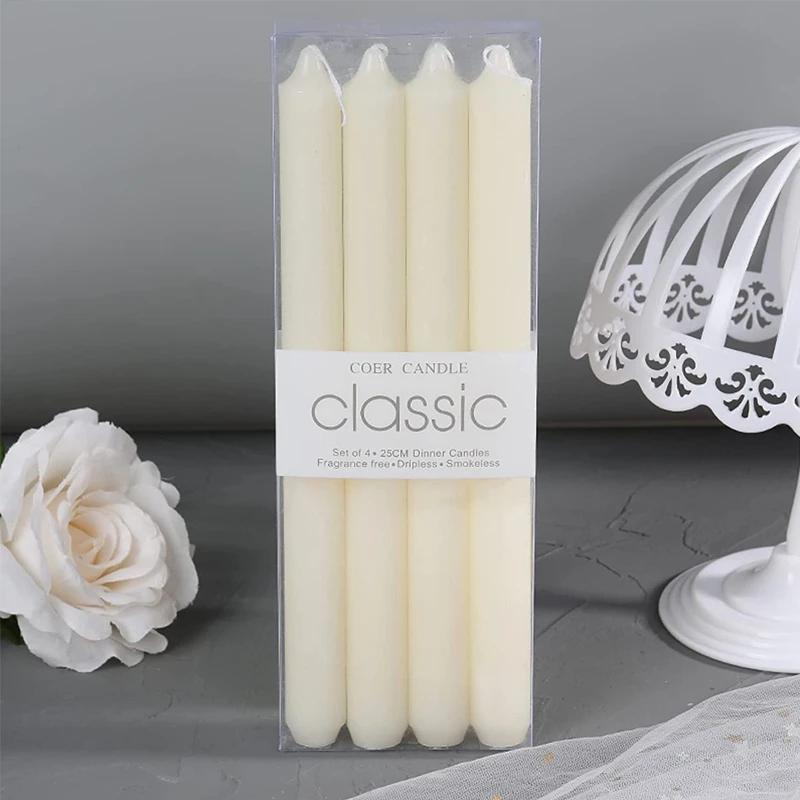
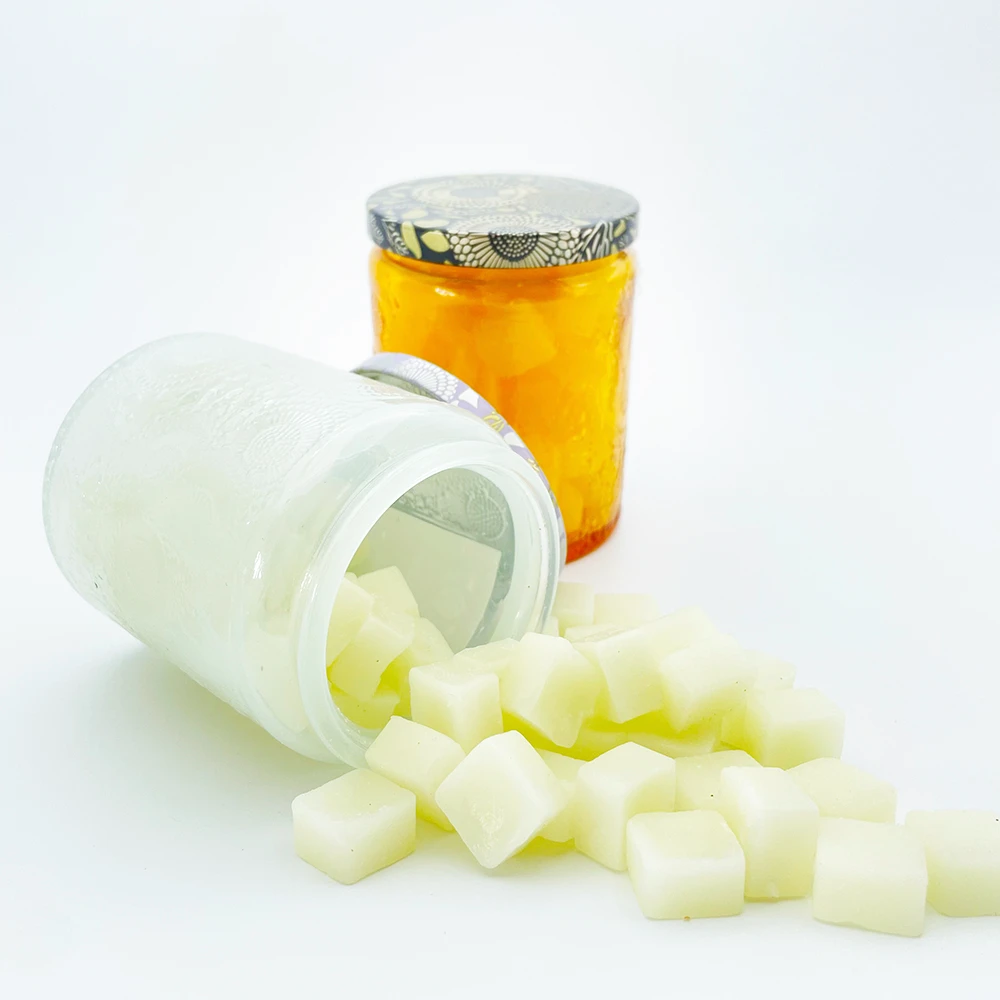
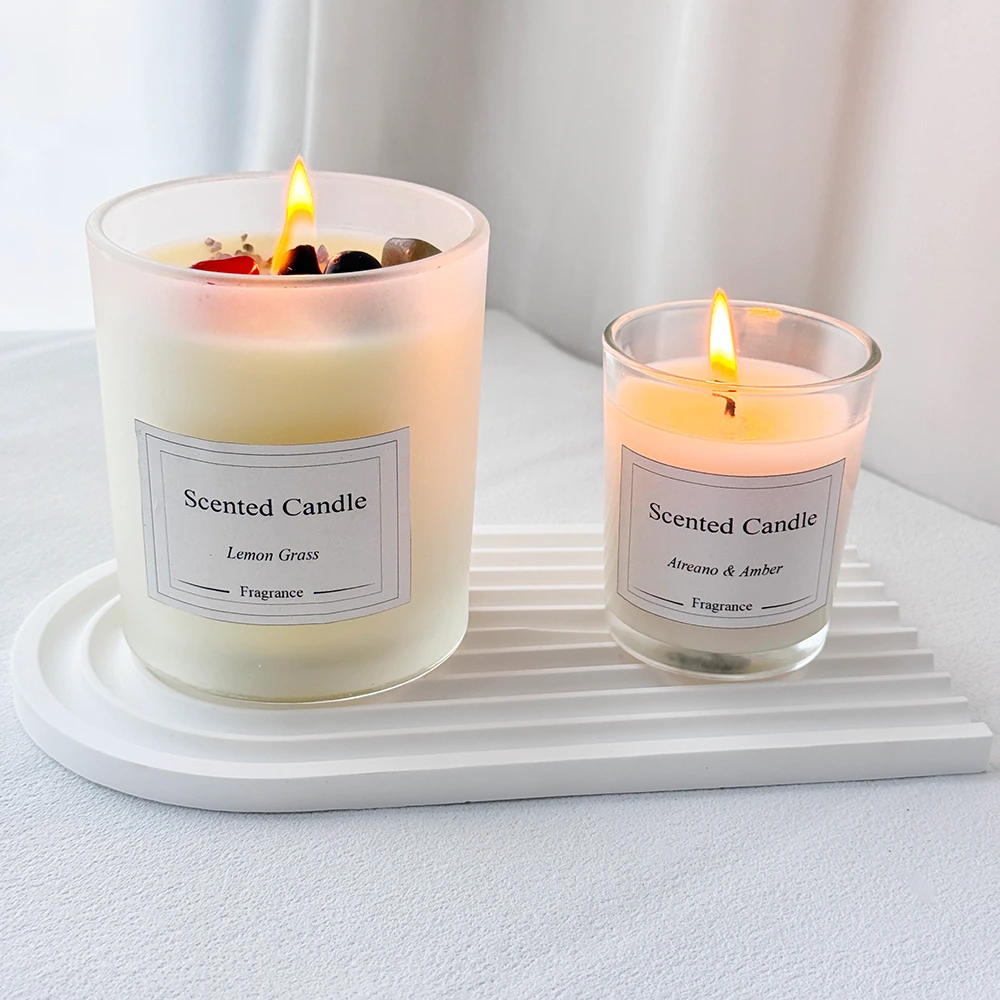
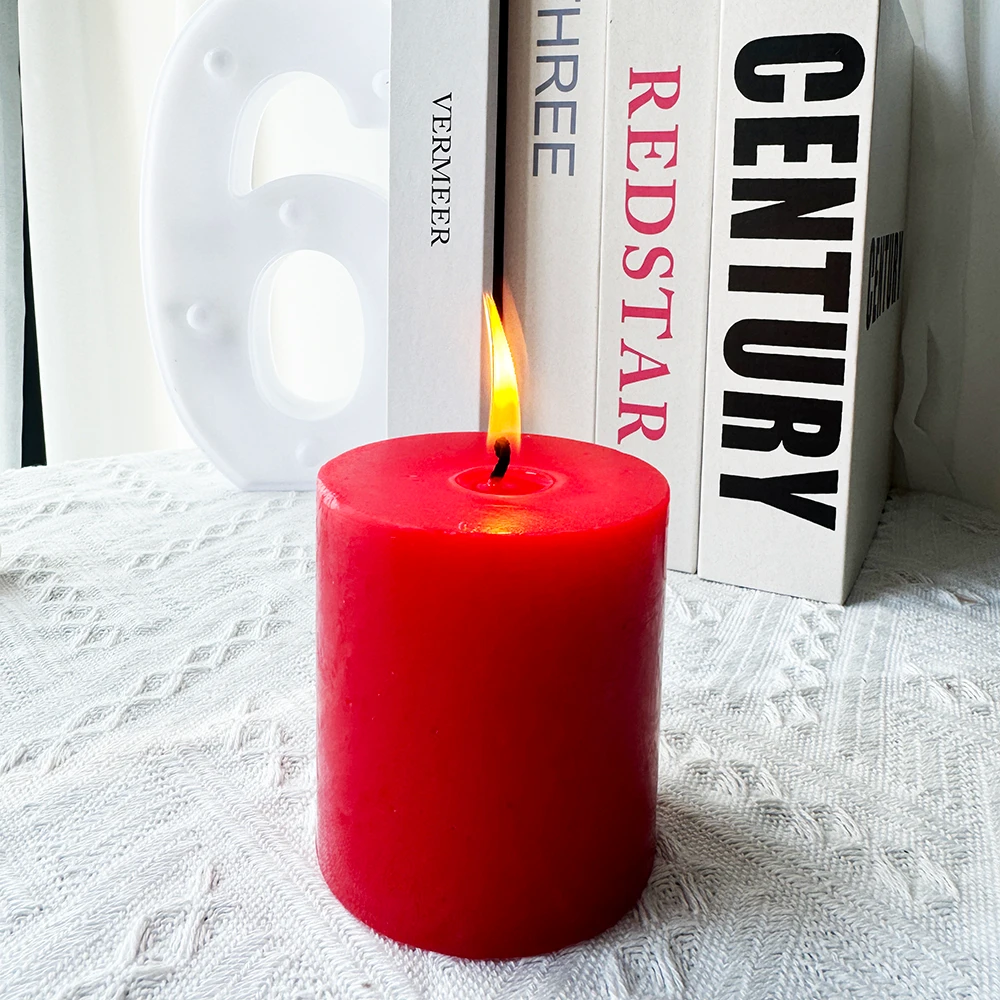
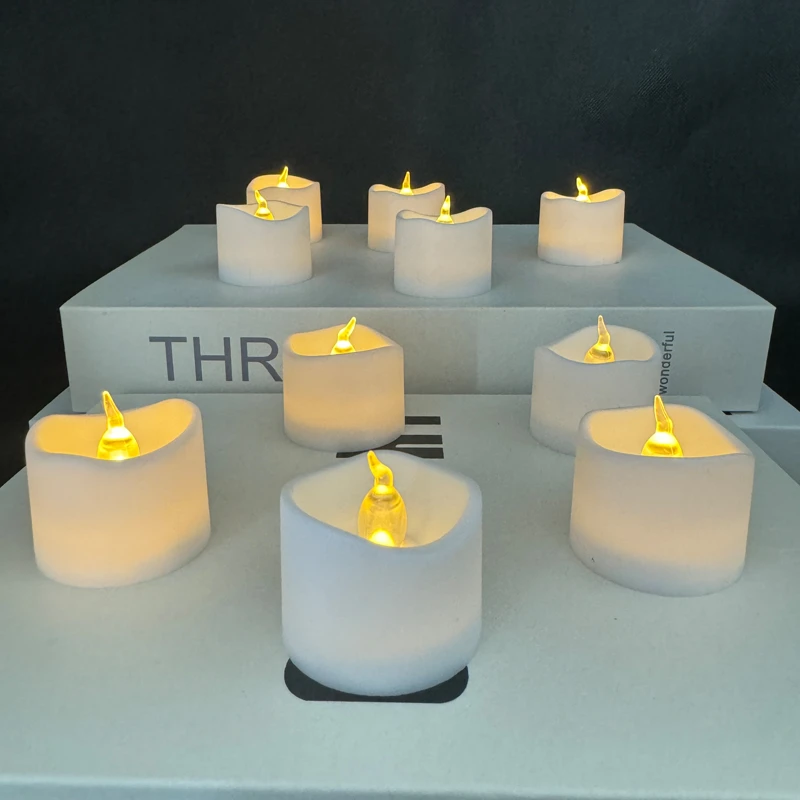
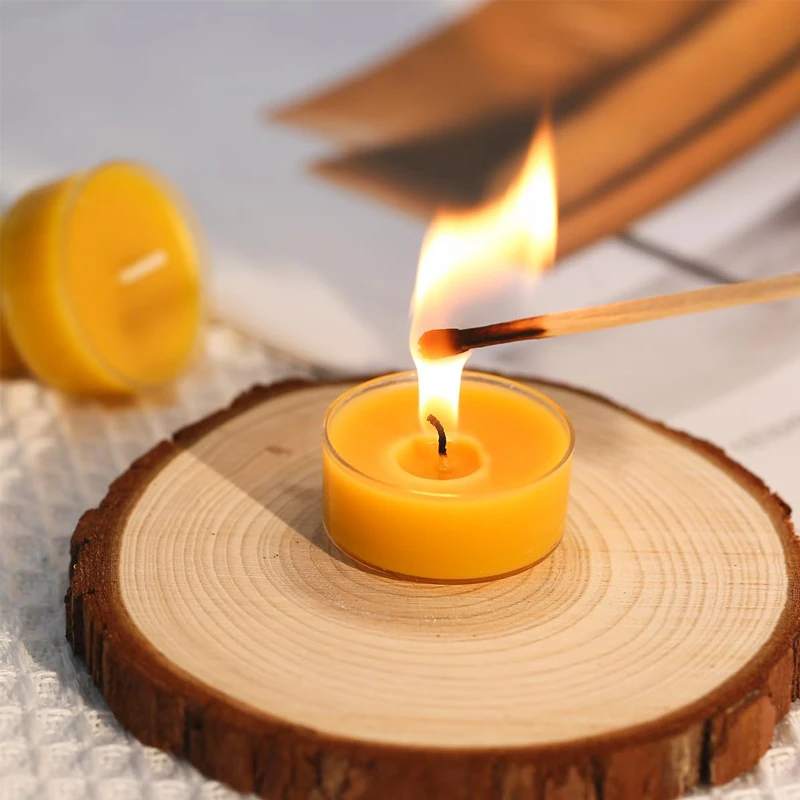
Christmas scented candles are candles imbued with fragrances specifically associated with the Christmas season. These scents typically include combinations of spices like cinnamon, clove, and nutmeg, alongside traditional aromas such as pine, fir, orange peel, and vanilla. They are available in a wide range of forms, from traditional jar candles and pillar candles to wax melts and tea lights, catering to diverse preferences and budgets. The quality of ingredients – including the type of wax (soy, beeswax, paraffin) and the concentration of fragrance oils – significantly impacts the candle’s burn time, scent throw, and overall quality.
The connection between christmas scented candles and modern industry lies in the growing demand for artisanal and ethically sourced products. Consumers are increasingly interested in knowing where their candles come from and how they are made. This has led to a rise in small-batch candle makers who prioritize sustainable practices and high-quality ingredients. The candle industry also relies on advancements in fragrance technology to create unique and long-lasting scent combinations, driving innovation and appealing to a wider customer base.
From a humanitarian perspective, the candle industry provides employment opportunities in various parts of the world, particularly in developing countries where wax and fragrance oil production are significant industries. Sustainable sourcing of these materials, coupled with fair labor practices, can contribute to economic empowerment and social responsibility within the supply chain.
Core Components of Christmas Scented Candles
The foundation of any christmas scented candle lies in its wax. Common types include paraffin wax, soy wax, beeswax, and coconut wax. Each possesses unique properties affecting burn time, scent throw, and environmental impact. Paraffin wax is cost-effective but derived from petroleum. Soy wax, a renewable resource, is popular for its cleaner burn and sustainability. Beeswax offers a natural honey scent and long burn time, while coconut wax is known for its excellent scent throw and eco-friendliness. The choice of wax significantly influences the candle’s overall performance and market positioning.
Fragrance oils are the heart of christmas scented candles, defining their signature aromas. These oils can be natural essential oils extracted from plants or synthetic fragrance compounds created in a lab. Essential oils offer authentic scents but are often more expensive and less potent than synthetic alternatives. A well-balanced fragrance blend is crucial for creating a captivating and long-lasting scent experience. The percentage of fragrance oil added to the wax also impacts the candle’s scent throw and overall quality.
Wicks play a critical role in how a christmas scented candle burns. They come in various materials (cotton, paper, wood) and sizes, each influencing the flame size, wax pool formation, and burn rate. Choosing the right wick for the wax type and candle diameter is essential for ensuring a clean, even burn and preventing soot formation. Wooden wicks, known for their crackling sound, have gained popularity for adding a unique sensory element to the candle experience.
Key Factors Influencing Quality and Performance
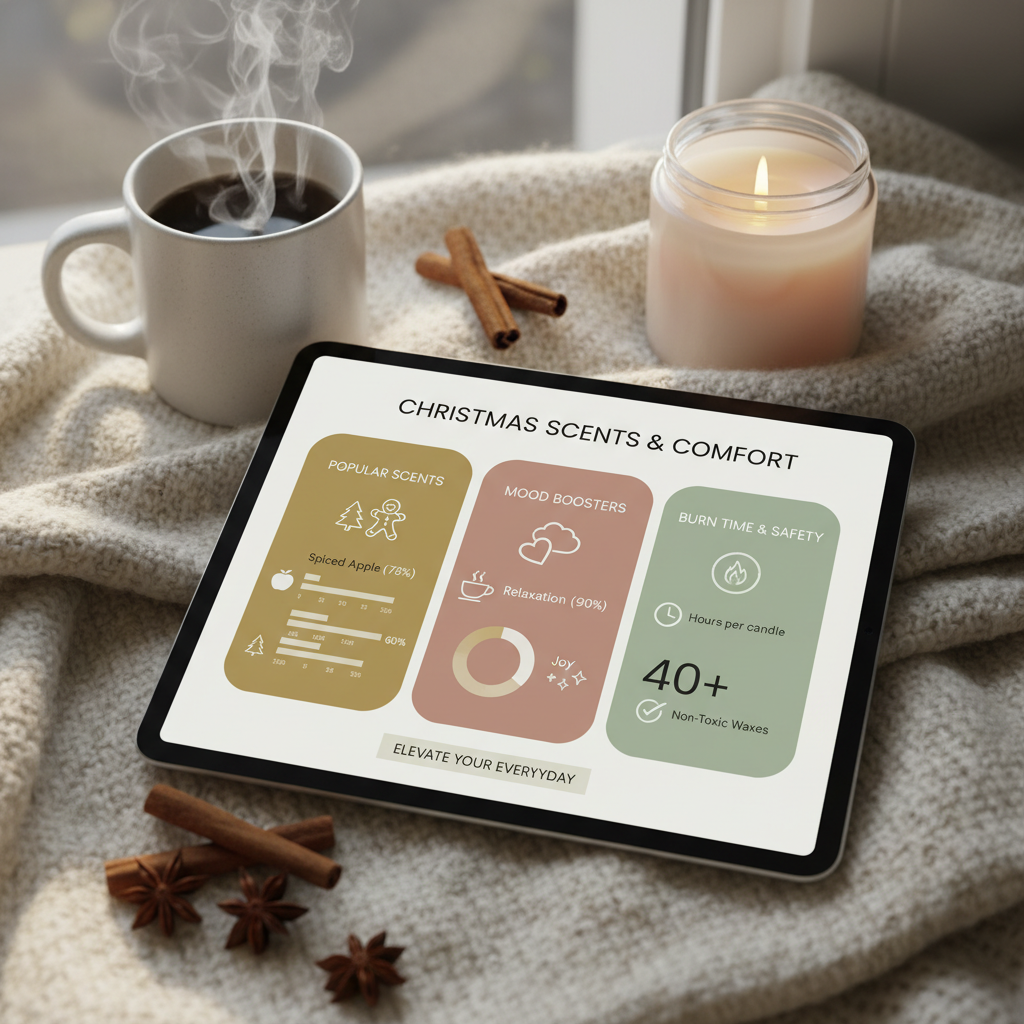
Burn Time is a critical factor in evaluating the quality of christmas scented candles. Longer burn times indicate efficient wax consumption and a more cost-effective product for consumers. Factors influencing burn time include wax type, wick size, and fragrance oil concentration. High-quality candles typically boast burn times ranging from 40 to 60 hours or more.
christmas scented candles Quality Assessment
Global Applications and Market Trends
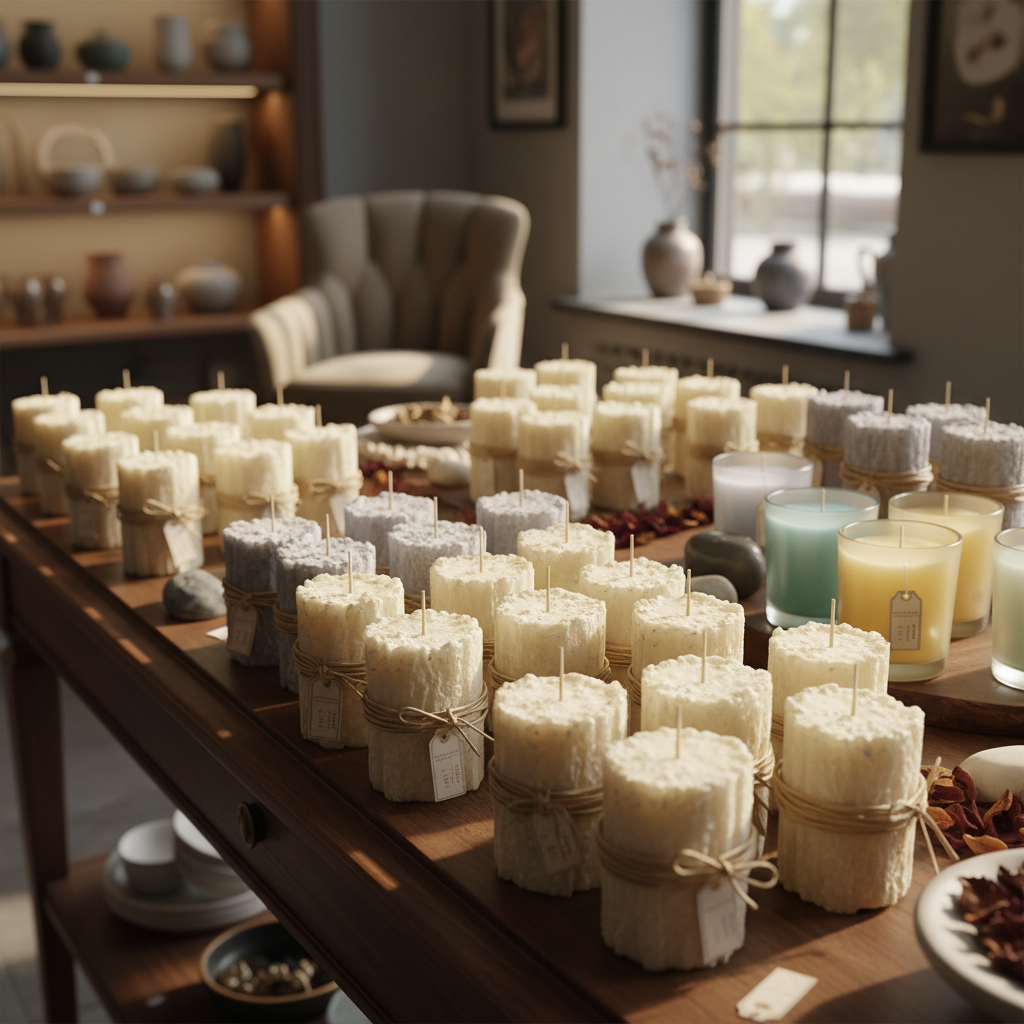
christmas scented candles are prominently featured in retail settings during the holiday season, from department stores to specialty boutiques. They are often displayed as part of festive gift sets or alongside other seasonal décor. Online sales channels have also become increasingly important, allowing consumers to easily browse and purchase candles from the comfort of their homes. The rise of e-commerce has expanded the reach of christmas scented candles to a global audience.
The hospitality industry utilizes christmas scented candles to create a welcoming and festive atmosphere in hotels, restaurants, and other public spaces. The strategically placed candles can enhance the overall guest experience and evoke positive emotions associated with the holiday season. Luxury hotels often feature custom-scented candles designed to complement their brand identity and enhance the ambiance of their suites.
A growing trend is the use of christmas scented candles in wellness and aromatherapy practices. Certain scents, such as cinnamon and orange, are believed to have mood-boosting properties, making these candles popular choices for relaxation and stress relief. The integration of aromatherapy principles into candle design is driving innovation and appealing to health-conscious consumers.
Advantages and Long-Term Value Proposition
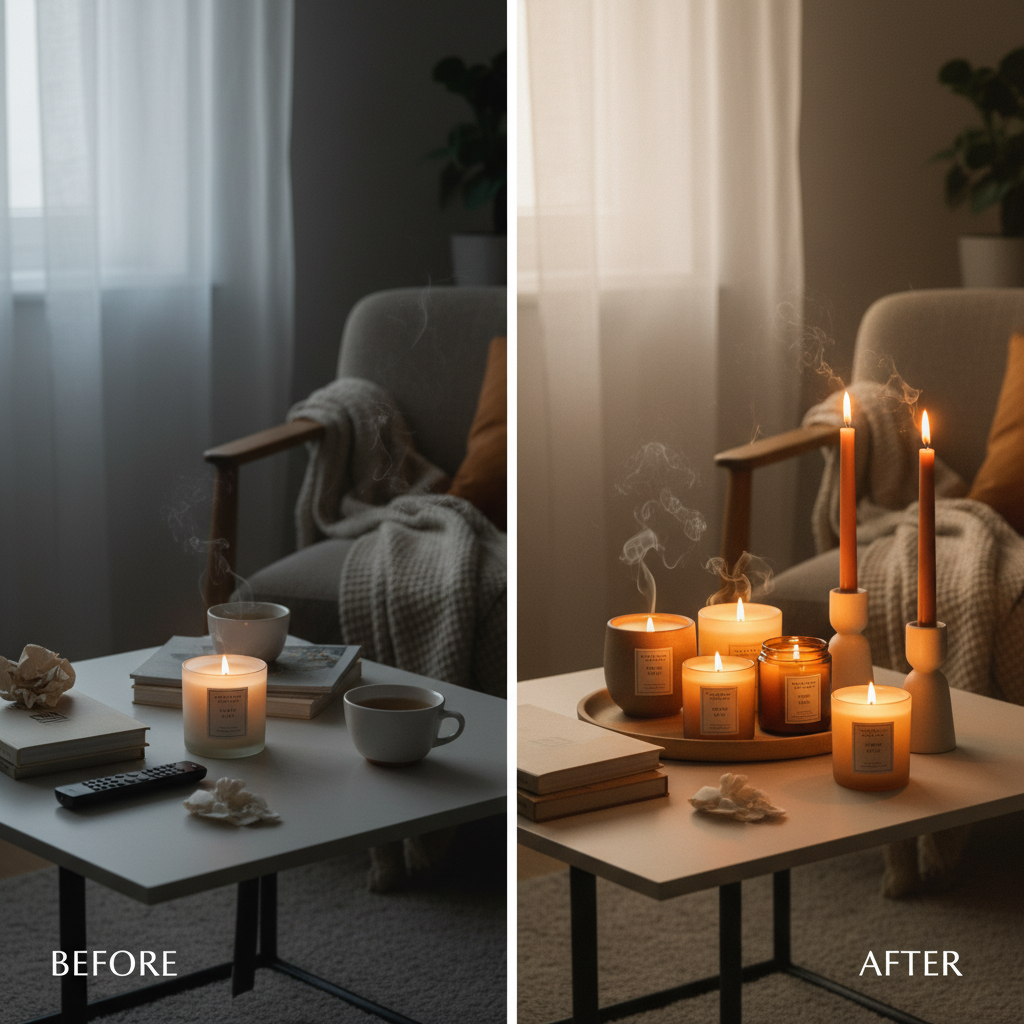
The primary advantage of christmas scented candles is their ability to instantly create a warm and inviting atmosphere. This emotional benefit contributes significantly to their popularity, especially during the holiday season. Beyond the aesthetic appeal, high-quality christmas scented candles can also promote relaxation and reduce stress, enhancing overall well-being.
From a sustainability perspective, choosing candles made with natural waxes (soy, beeswax, coconut) and essential oils can minimize environmental impact. Supporting brands committed to ethical sourcing and responsible manufacturing practices further strengthens the long-term value proposition. Consumers are increasingly willing to pay a premium for products that align with their values.
Future Trends and Innovation in Christmas Scented Candles
The development of smart candles with automated timers and scent control features is an emerging trend. These innovative candles offer convenience and customization, allowing users to create a personalized ambiance. Integration with smart home systems further enhances the user experience, enabling voice control and remote operation.
The exploration of novel scent combinations and fragrance delivery systems is ongoing. Microencapsulation technology, for example, can release fragrance gradually over time, prolonging the scent experience. Bio-based waxes derived from sustainable sources are also gaining traction as alternatives to traditional petroleum-based waxes.
There is a growing focus on packaging innovation, with brands experimenting with eco-friendly materials and reusable containers. Refillable candle systems are becoming more popular, reducing waste and offering consumers a cost-effective way to enjoy their favorite scents. The emphasis on sustainable packaging reflects a broader industry trend towards environmental responsibility.
FAQS
Soy wax is a renewable resource derived from soybean oil, offering a cleaner burn and better scent throw compared to paraffin wax, which is a byproduct of petroleum refining. Soy wax is biodegradable and generally considered more environmentally friendly. However, paraffin wax is often more affordable and may hold fragrance oils more efficiently, providing a stronger initial scent.
Wick size is crucial for a proper burn. A wick that's too small won't create a full melt pool, while one that's too large can produce soot and smoke. The ideal wick size depends on the candle diameter and the type of wax used. Candle-making guides and wick charts provide recommendations based on these factors. Testing different wick sizes is often necessary to find the optimal one.
Essential oil-based candles offer natural aromas and potential aromatherapy benefits, but they tend to be more expensive and have a weaker scent throw than candles with synthetic fragrances. Synthetic fragrances are often more cost-effective and can be formulated to create complex and long-lasting scent profiles. The best choice depends on your personal preferences and priorities.
Always burn candles within sight, keep them away from flammable materials, and place them on a stable, heat-resistant surface. Trim the wick to ¼ inch before each burn to prevent soot formation. Never burn a candle for more than four hours at a time, and extinguish it completely when leaving the room. Keep candles out of reach of children and pets.
Store candles in a cool, dark, and dry place, away from direct sunlight and heat. Exposure to these elements can cause the fragrance to fade or the wax to melt. Keeping candles in their original packaging or airtight containers can help protect them from dust and moisture.
Regularly trim the wick to ¼ inch, avoid drafts, and ensure the wax pool melts evenly across the surface of the candle. Using a high-quality candle with a properly sized wick and clean-burning wax can also help minimize soot and smoke. Avoid burning candles in confined spaces with poor ventilation.
Conclusion
In conclusion, christmas scented candles represent far more than just a source of illumination and fragrance. They are powerful symbols of tradition, warmth, and festive cheer, deeply ingrained in cultural celebrations worldwide. The quality and performance of these candles are influenced by several key factors – wax type, fragrance oils, wick selection – demanding attention to detail from manufacturers. The growing consumer demand for sustainable and ethically sourced products is driving innovation in the industry, paving the way for more eco-friendly and responsible practices.
Looking ahead, the future of christmas scented candles promises exciting advancements in smart technology, scent delivery systems, and packaging materials. By embracing these innovations and prioritizing sustainability, the industry can continue to deliver exceptional products that enhance the holiday experience for generations to come. Visit our website at christmas scented candles to explore our collection and discover the perfect scent for your festive season.