Scented pillar candles have evolved from simple sources of illumination to sophisticated elements of home décor and aromatherapy, experiencing a global surge in popularity. Their appeal stems from their ability to create ambiance, evoke emotions, and enhance well-being. The increasing demand for scented pillar candles is fueled by a growing consumer interest in self-care, mindfulness, and creating personalized living spaces. This trend transcends geographical boundaries, with a substantial market presence in North America, Europe, Asia-Pacific, and increasingly, developing economies.
The global scented candle market, which includes pillar candles, is a multi-billion-dollar industry, projected to continue its growth trajectory in the coming years. Factors driving this expansion include rising disposable incomes, increasing urbanization, and a growing preference for home fragrance solutions. However, sustainability concerns and the desire for ethically sourced materials present both challenges and opportunities for manufacturers. Innovations in wax types, fragrance oils, and packaging are crucial for meeting evolving consumer demands and maintaining a competitive edge.
Understanding the nuances of scented pillar candles—from their composition and production to their impact on consumer behavior—is vital for businesses operating within the home fragrance industry. This knowledge empowers manufacturers to develop innovative products, optimize supply chains, and effectively market their offerings to a discerning consumer base. The benefits extend beyond economics, encompassing aspects of emotional wellness and creating a more inviting home environment.
The Global Relevance of Scented Pillar Candles
The market for scented pillar candles is demonstrably global. According to Statista, the global candle market was valued at approximately $8.16 billion USD in 2023 and is projected to reach $9.79 billion by 2029. A significant portion of this growth is attributed to the rising popularity of home fragrance products, particularly in North America and Europe. However, emerging economies, such as those in Asia-Pacific, are experiencing rapid growth in demand.
A key challenge within the industry lies in balancing consumer demand with sustainability concerns. The traditional production of paraffin wax, a common ingredient in many candles, relies on petroleum by-products. This has led to a growing consumer preference for candles made with natural waxes like soy, beeswax, and coconut wax, which are considered more environmentally friendly. The shift towards sustainable practices is not merely a trend but a fundamental change in consumer expectations.
Defining Scented Pillar Candles
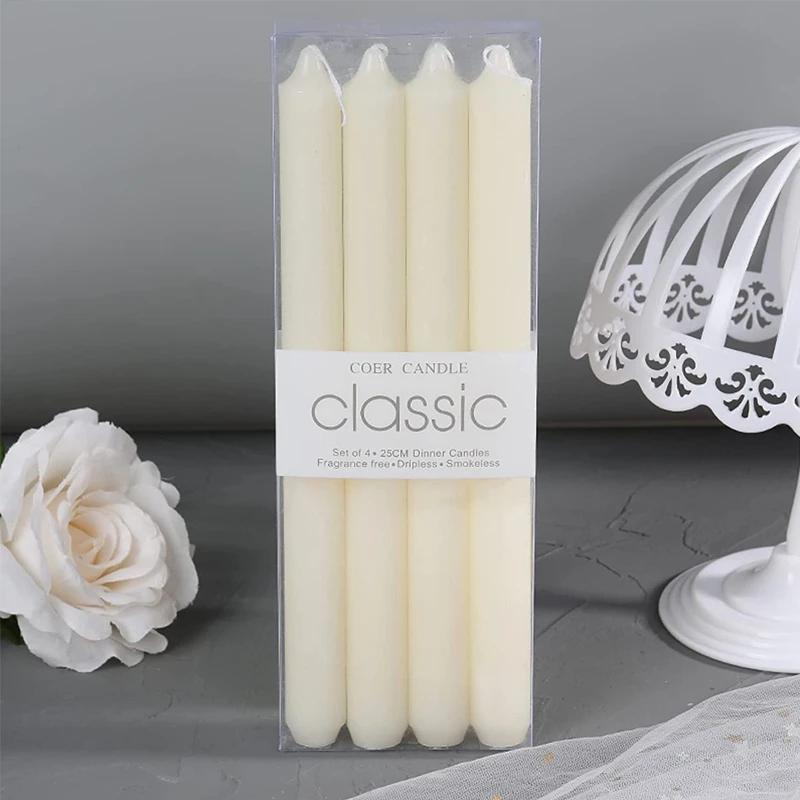
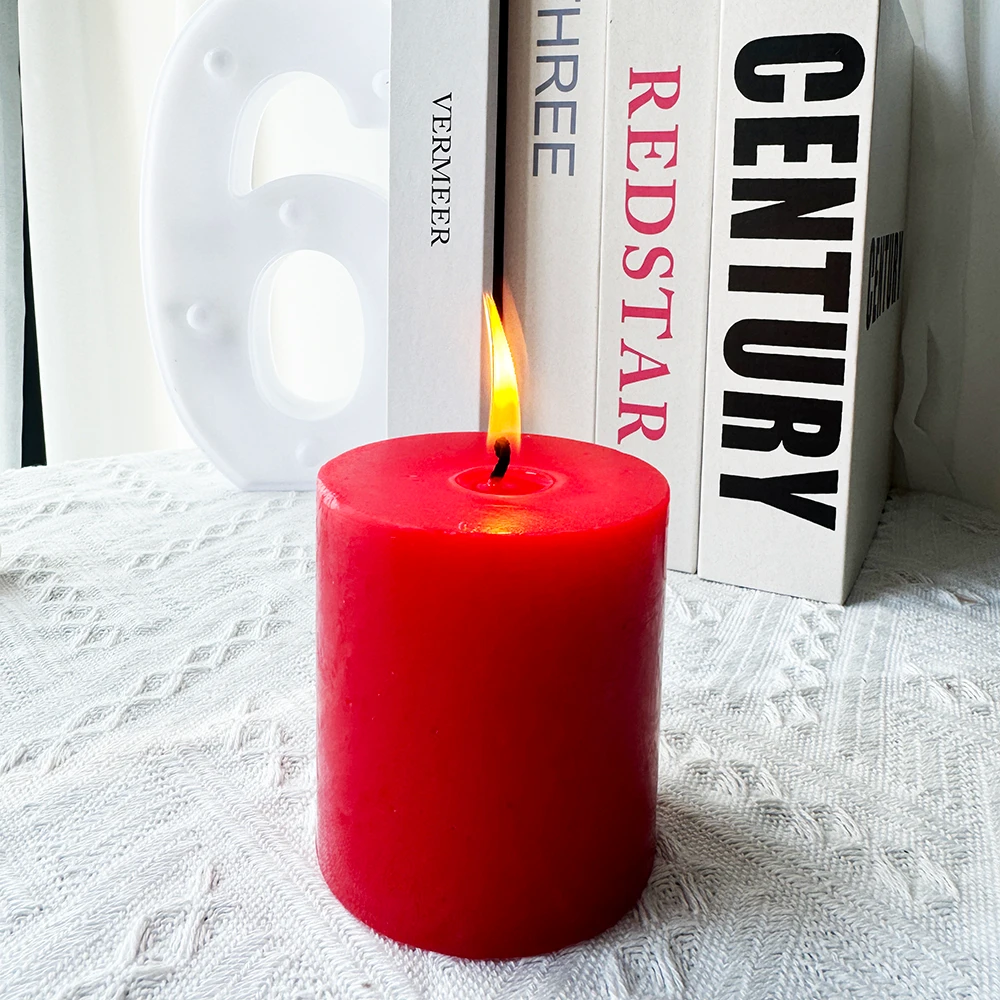
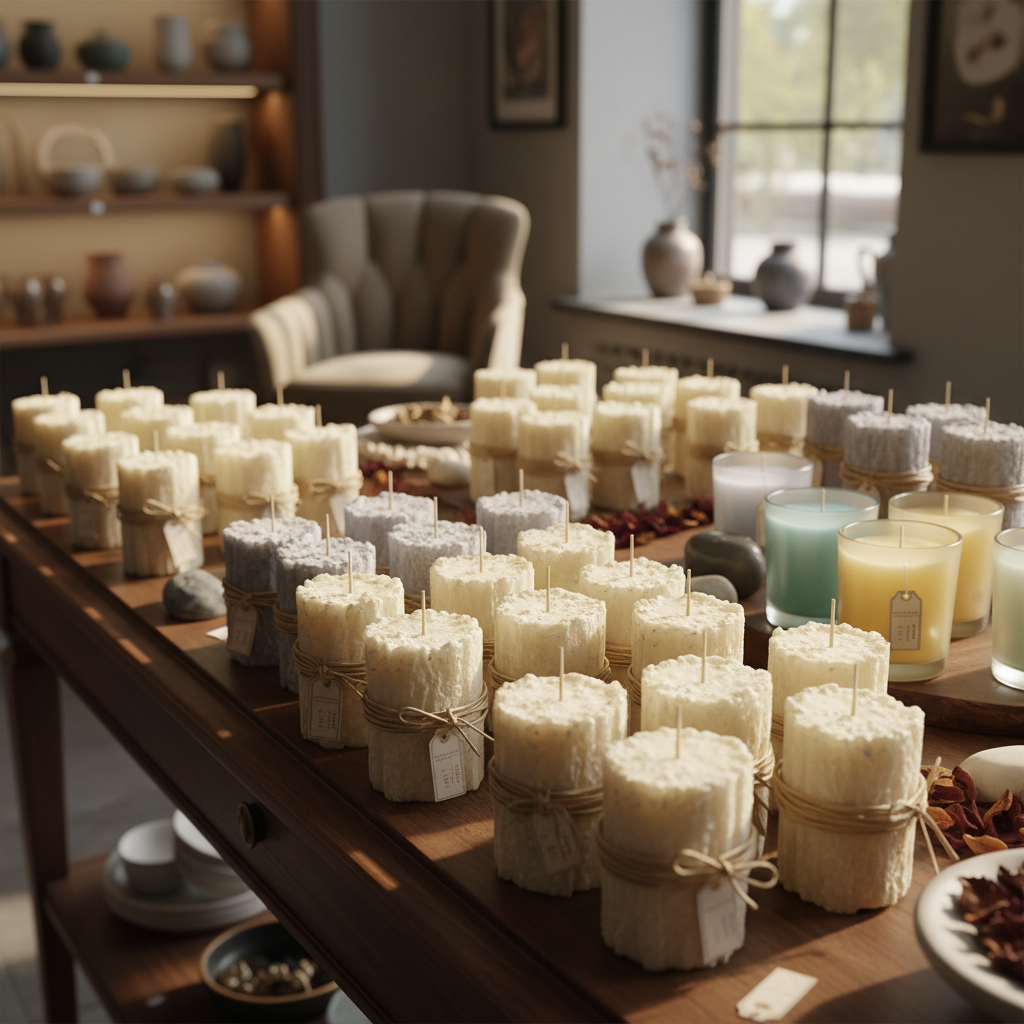
Scented pillar candles are freestanding candles characterized by their cylindrical shape and substantial size, allowing them to burn for extended periods without requiring a container. Unlike container candles, pillar candles are designed to be displayed on their own, often on a decorative plate or holder. They are crafted from a variety of waxes, typically paraffin, soy, beeswax, or blends thereof, infused with fragrance oils to impart a pleasant aroma.
Their connection to modern industry lies in the robust supply chains dedicated to wax production, fragrance oil sourcing, and candle manufacturing. The industry also supports packaging and distribution networks, creating a complex web of economic activity. Furthermore, the artisanal candle-making sector fosters small businesses and entrepreneurship, contributing to local economies.
From a humanitarian perspective, simple candles, including pillar varieties, can provide essential light in regions with limited access to electricity. While scented pillar candles are generally considered luxury items, the basic technology of candle-making can be adapted to address fundamental needs in emergency situations or areas lacking reliable power infrastructure.
Core Components of Quality Scented Pillar Candles
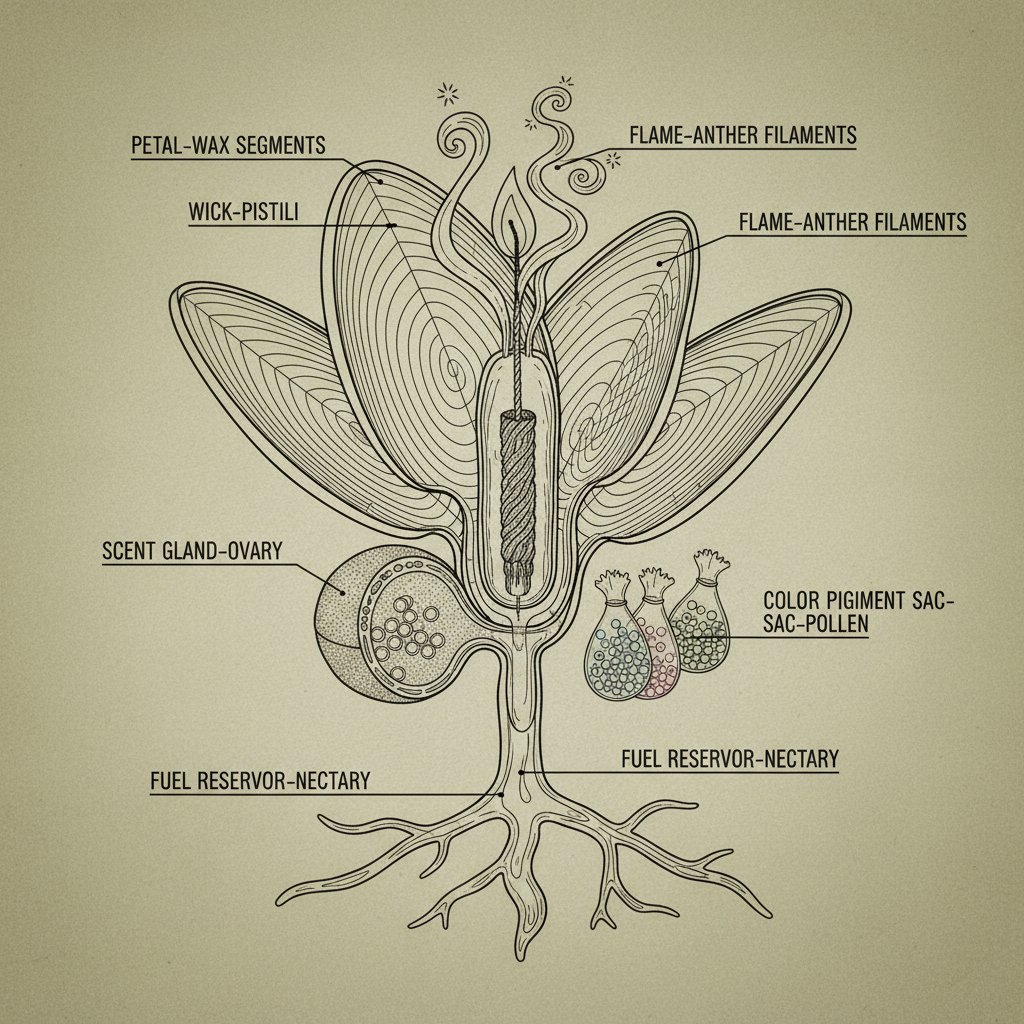
The quality of a scented pillar candle hinges on several key components. First, the wax type significantly impacts burn time, scent throw, and overall candle performance. Soy wax, for instance, offers a cleaner burn and excellent scent diffusion, while beeswax provides a natural honey scent and a longer burn time. Paraffin wax is cost-effective but can produce more soot.
Second, the fragrance oil concentration and quality are paramount. High-quality fragrance oils are carefully formulated to provide a consistent and pleasant aroma without being overpowering or irritating. The amount of fragrance oil added to the wax, typically between 6-10%, influences the scent throw – the intensity with which the fragrance fills a room. scented pillar candles manufacturers carefully balance these factors to achieve optimal results.
Third, the wick plays a crucial role in ensuring a steady and even burn. The wick size must be appropriately matched to the candle's diameter to prevent tunneling (where the candle burns down the center, leaving wax on the sides) or mushrooming (the formation of a carbon buildup on the wick). Finally, proper curing—allowing the candle to sit undisturbed for a period after pouring—allows the fragrance oil to fully bind with the wax, resulting in a stronger and more consistent scent throw.
Key Factors Influencing Scented Pillar Candle Performance
Durability, referring to the physical integrity of the candle, is heavily influenced by the wax blend used. A robust blend will resist cracking and crumbling during shipping and handling. Scalability, the ability to consistently produce candles at varying quantities, relies on efficient manufacturing processes and reliable supply chains for wax and fragrance oils.
Cost efficiency is a critical factor for both manufacturers and consumers. Optimizing wax usage, sourcing fragrance oils strategically, and streamlining production processes can help minimize costs without compromising quality. Finally, scent throw is arguably the most important performance factor. The ability of a scented pillar candles to effectively fill a room with fragrance determines its perceived value and consumer satisfaction.
Scented Pillar Candle Performance Metrics
Applications of Scented Pillar Candles Worldwide
Scented pillar candles are ubiquitous in residential settings, used for creating ambiance, relaxation, and a welcoming atmosphere. They are commonly featured in living rooms, bedrooms, bathrooms, and dining areas. Beyond the home, they find application in hospitality settings, such as hotels, spas, and restaurants, where they contribute to a luxurious and inviting environment.
In the retail sector, scented pillar candles are often used as decorative elements and to enhance the shopping experience. Boutiques, gift shops, and home décor stores frequently display them to attract customers and create a visually appealing atmosphere. The events industry also utilizes scented pillar candles for weddings, parties, and corporate events, adding a touch of elegance and sophistication.
Increasingly, wellness centers and yoga studios are incorporating scented pillar candles into their spaces to promote relaxation and mindfulness. The carefully chosen fragrances can complement meditation practices and create a calming environment for clients. Furthermore, the gift-giving market remains a significant driver of demand, with scented pillar candles being a popular choice for birthdays, holidays, and special occasions.
Advantages and Long-Term Value of Scented Pillar Candles
From a cost perspective, while initial purchase price may vary, a long-burning scented pillar candle offers excellent value compared to disposable air fresheners or frequent replacements of smaller candles. Sustainability is increasingly a key advantage, particularly with the rise of candles made from renewable resources like soy and beeswax. These options minimize environmental impact and appeal to eco-conscious consumers.
The social impact extends beyond simple aesthetics. The creation of a calming and inviting atmosphere can contribute to improved mood and reduced stress levels, enhancing overall well-being. The emotional connection consumers have with scents—often linked to cherished memories—adds a layer of personal value. The artisanal candle-making industry also provides economic opportunities for small businesses and independent creators.
Long-term, a focus on quality and ethical sourcing builds trust with consumers. Brands that prioritize transparency and sustainability are more likely to cultivate a loyal customer base. Furthermore, ongoing innovation in fragrance technology and wax formulations will continue to drive demand and enhance the perceived value of scented pillar candles.
Future Trends and Innovations in Scented Pillar Candles
The development of smart candles, incorporating features like remote control for flame height and automatic shut-off timers, represents a significant trend. Integration with smart home systems will allow users to control their candles via voice commands or smartphone apps. Furthermore, advancements in fragrance encapsulation technology will enable longer-lasting and more consistent scent diffusion.
The use of bio-based waxes, derived from renewable sources beyond soy and beeswax (such as algae oil), is gaining momentum. This aligns with the growing demand for sustainable and environmentally friendly products. Digital printing techniques for candle labels and packaging offer opportunities for personalized designs and enhanced branding.
Policy changes regarding fragrance ingredients and labeling requirements are also shaping the industry. Increased transparency and stricter regulations will likely become more prevalent, forcing manufacturers to prioritize safety and sustainability. Automation in production processes, driven by robotics and artificial intelligence, will further improve efficiency and reduce costs.
Challenges and Solutions in the Scented Pillar Candle Industry
A significant challenge is maintaining consistent fragrance quality across batches, which can be affected by variations in raw material sourcing and production processes. Implementing rigorous quality control measures and establishing long-term relationships with reliable suppliers are crucial solutions. Another hurdle is managing soot and smoke emissions, particularly from paraffin-based candles. Utilizing higher-quality waxes and optimizing wick design can mitigate this issue.
Addressing the sustainability concerns surrounding paraffin wax requires a continued transition to renewable alternatives, such as soy, beeswax, and coconut wax. However, these alternatives often come with higher costs, necessitating innovative sourcing strategies and efficient production methods. Furthermore, consumer education is vital for promoting the benefits of sustainable candle choices.
Finally, ensuring ethical sourcing of fragrance oils is paramount. Consumers are increasingly demanding transparency and accountability from brands, requiring manufacturers to verify that their suppliers adhere to fair labor practices and environmentally responsible harvesting methods. This includes supporting initiatives that promote sustainable agriculture and protect biodiversity.
Table Summarizing Scented Pillar Candle Manufacturing and Sustainability
| Wax Type |
Environmental Impact |
Cost (1-10) |
Scent Throw (1-10) |
| Paraffin Wax |
High (Petroleum-based) |
2 |
7 |
| Soy Wax |
Moderate (Renewable resource) |
5 |
8 |
| Beeswax |
Low (Natural & Sustainable) |
8 |
6 |
| Coconut Wax |
Low (Renewable resource) |
7 |
9 |
| Palm Wax |
Variable (Sustainability depends on sourcing) |
4 |
7 |
| Blended Waxes |
Variable (Depends on blend composition) |
3-7 |
6-9 |
FAQS
The “best” wax depends on your priorities. Soy wax is a popular choice for its clean burn and excellent scent throw, while beeswax offers a natural aroma and long burn time. Coconut wax is also an excellent option known for its creamy texture and strong scent throw. Paraffin wax is the most affordable but may produce more soot. Consider your budget, environmental concerns, and desired scent performance when making your selection.
Tunneling occurs when the candle only burns down the center, leaving wax on the sides. To prevent this, allow the candle to burn long enough on its first use for the entire top layer of wax to melt completely. This creates a "memory ring" and encourages a more even burn in subsequent uses. Also, ensure the wick is appropriately sized for the candle's diameter.
Scented candles can trigger allergies in sensitive individuals, particularly those with respiratory issues. Choose candles made with natural waxes and essential oils rather than synthetic fragrances, which are more likely to cause reactions. Look for candles labeled "phthalate-free" and "paraben-free," and ensure adequate ventilation when burning candles.
To maintain the fragrance and quality of your scented pillar candles, store them in a cool, dark, and dry place away from direct sunlight and heat. Keep them in an airtight container to prevent the fragrance from dissipating. Avoid storing candles in areas with strong odors, as they can absorb those scents.
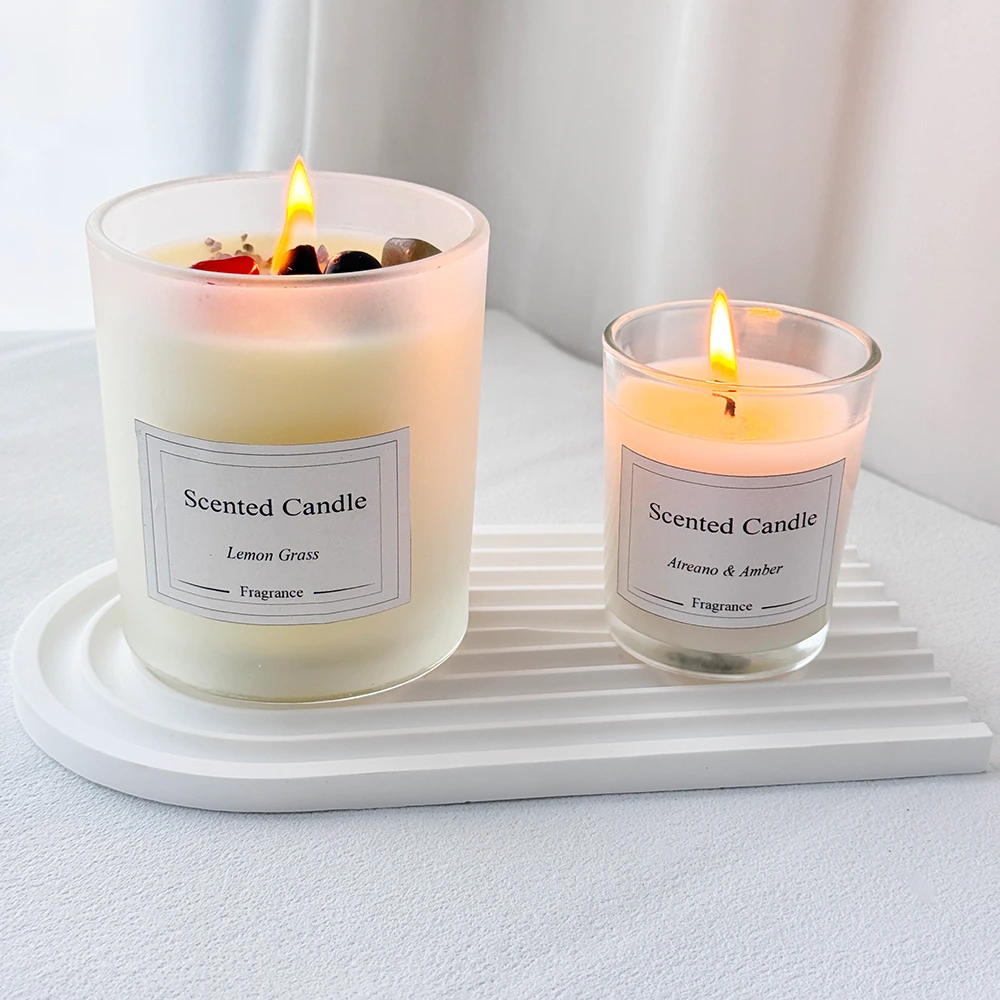
A pillar candle is a freestanding candle designed to be burned on its own, often on a plate or holder. It doesn’t require a container to hold the wax. A container candle, on the other hand, is poured directly into a jar, tin, or other vessel. Pillar candles generally have longer burn times and a more substantial appearance, while container candles offer more portability and often a wider variety of scent options.
To maximize scent throw, ensure the candle is placed in a draft-free area. Burning the candle for at least 2-3 hours allows the wax to melt completely and release the fragrance effectively. Trimming the wick to ¼ inch before each use prevents smoking and promotes a cleaner, stronger scent. Also, consider the size of the room – larger rooms may require multiple candles.
Conclusion
Scented pillar candles represent more than just a home fragrance accessory; they embody a fusion of artistry, wellness, and environmental consciousness. From the selection of sustainable waxes to the careful curation of fragrance blends, every aspect of their creation contributes to a rich sensory experience. Understanding the core components, applications, and future trends of this industry is crucial for both consumers and manufacturers alike.
Looking ahead, the scented pillar candle market is poised for continued growth, driven by innovation and a growing demand for personalized, eco-friendly products. By embracing sustainable practices, investing in research and development, and prioritizing consumer well-being, the industry can ensure a bright and fragrant future. Visit our website at https://www.ouniscandle.com to explore our collection of exquisitely crafted scented pillar candles.