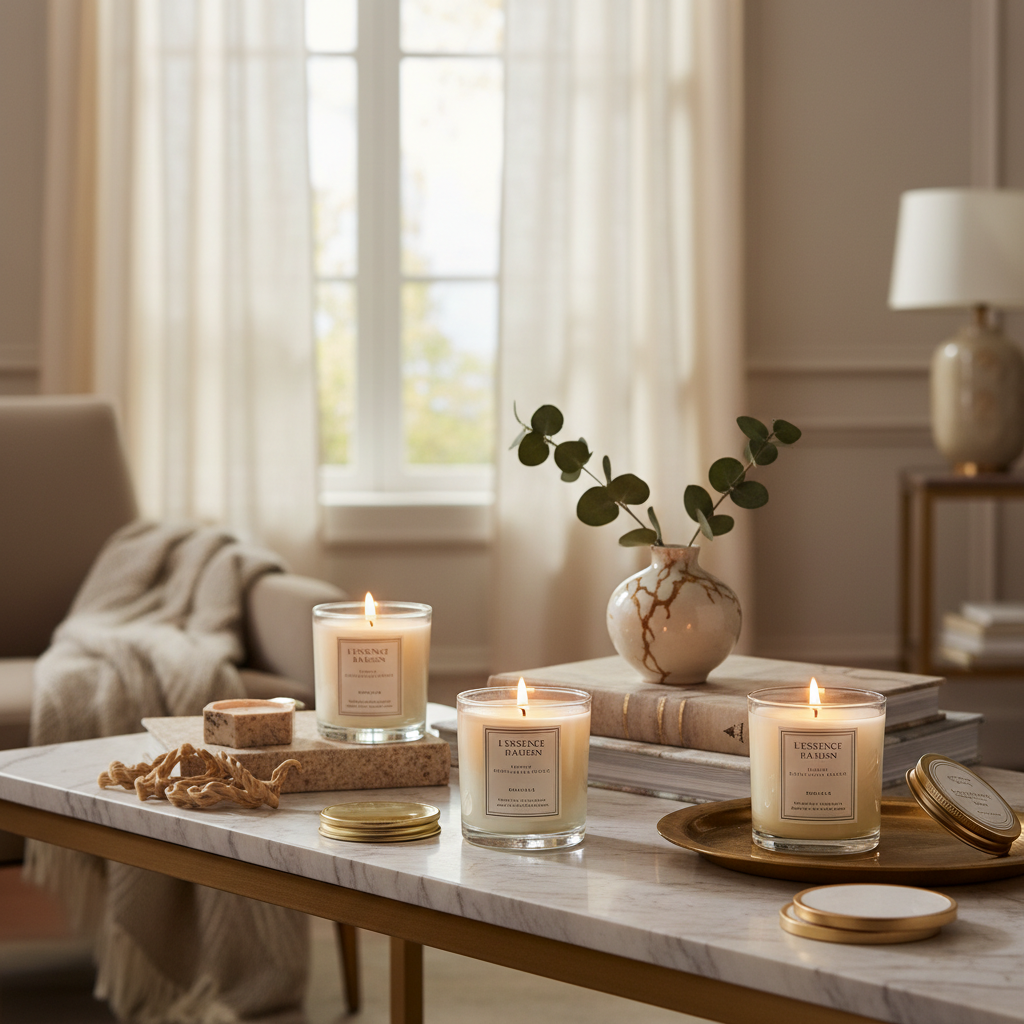
Luxury scented candles have become a global phenomenon, extending beyond mere home fragrance to represent a lifestyle choice, a form of self-care, and a marker of sophisticated taste. The demand for premium candles is driven by an increasing desire for creating personalized and comforting atmospheres within the home, coupled with a growing awareness of the impact of scent on mood and wellbeing. This isn't simply a trend; it reflects a fundamental human need for sensory experiences that enhance our daily lives.
The global scented candle market is experiencing substantial growth, estimated to reach billions of dollars in the coming years. This growth is fueled by rising disposable incomes, particularly in emerging economies, and the increasing influence of social media and lifestyle marketing. According to market research, the Asia-Pacific region represents the fastest-growing segment, indicating a shift in consumer preferences toward luxury goods and home ambiance.
Understanding the nuances of luxury scented candles – from wax composition and fragrance profiles to burn times and sustainability practices – is crucial for both consumers seeking quality products and businesses aiming to succeed in this competitive market. Choosing the right candle is about more than just a pleasant smell; it’s about investing in a sensory experience, supporting ethical sourcing, and contributing to a more mindful lifestyle. luxury scented candles are becoming increasingly sought after.
The Global Rise of Luxury Scented Candles
The growth of the luxury scented candle market isn’t confined to a single region. Europe has historically been a strong consumer base, with a preference for sophisticated and classic fragrances. North America follows closely, with a significant demand for both established brands and artisanal, small-batch candles. However, the most dynamic growth is occurring in emerging markets like China, India, and Brazil, driven by a rising middle class and increasing exposure to Western lifestyles.
This global demand creates opportunities for innovative brands that prioritize quality ingredients, unique scent profiles, and sustainable practices. Luxury scented candles are no longer seen as frivolous luxuries, but as essential components of creating a relaxing and inviting home environment, and this perception drives continued market expansion.
Defining Luxury Scented Candles
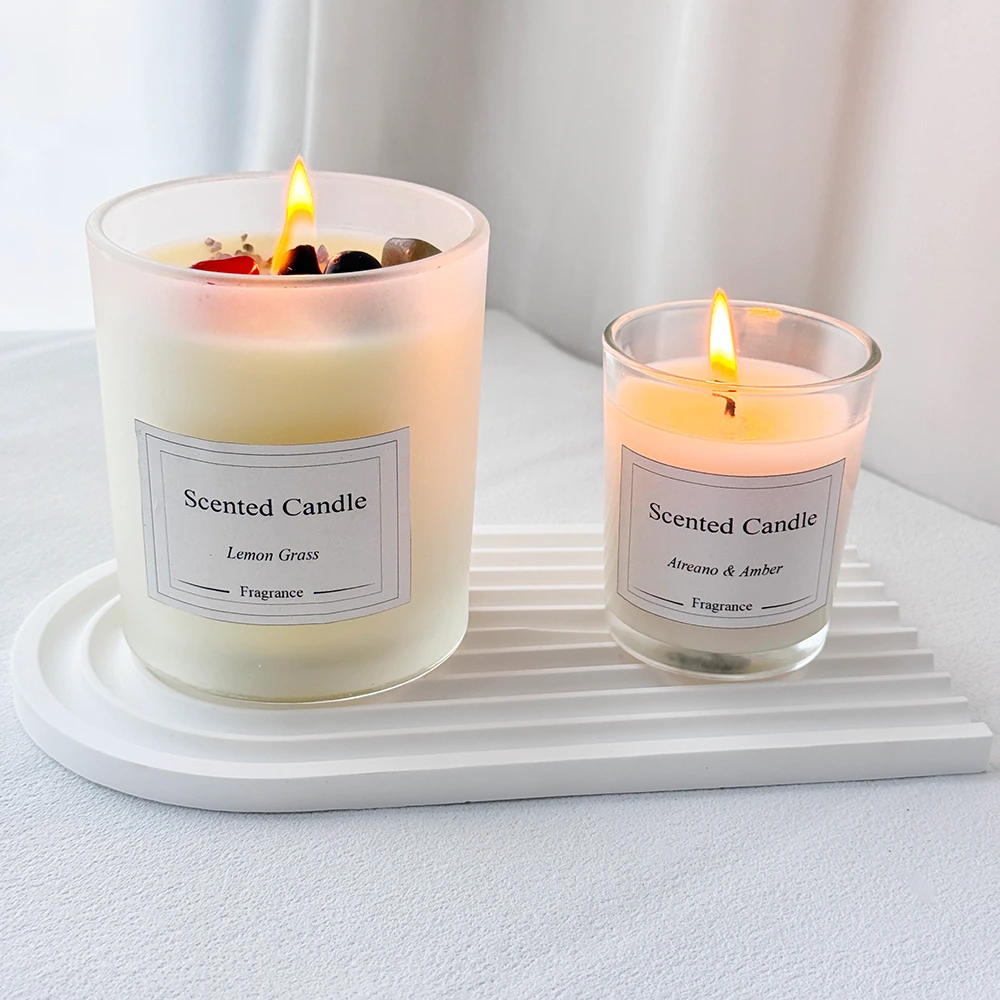
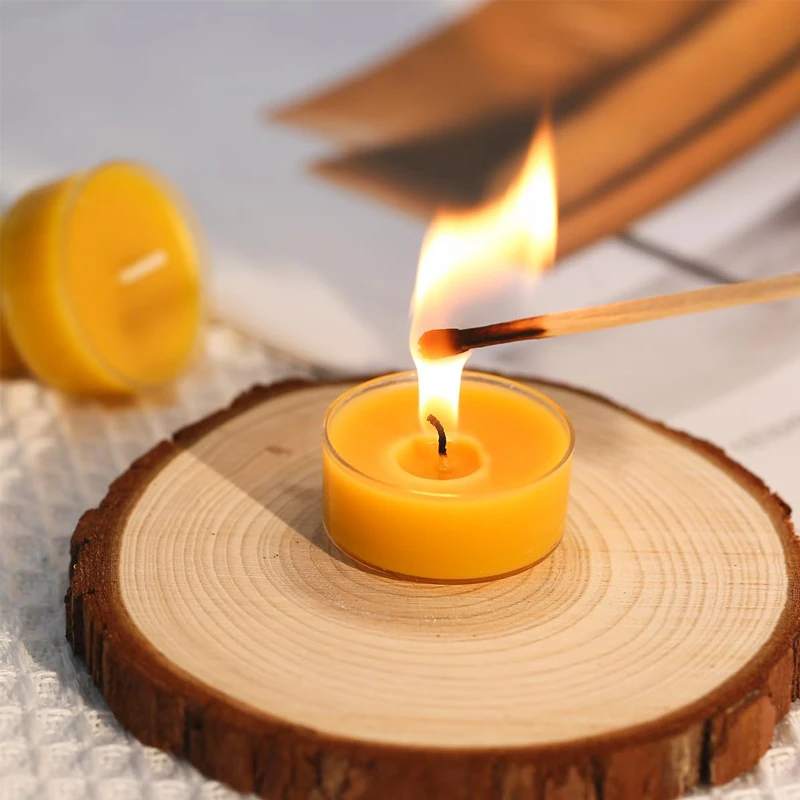
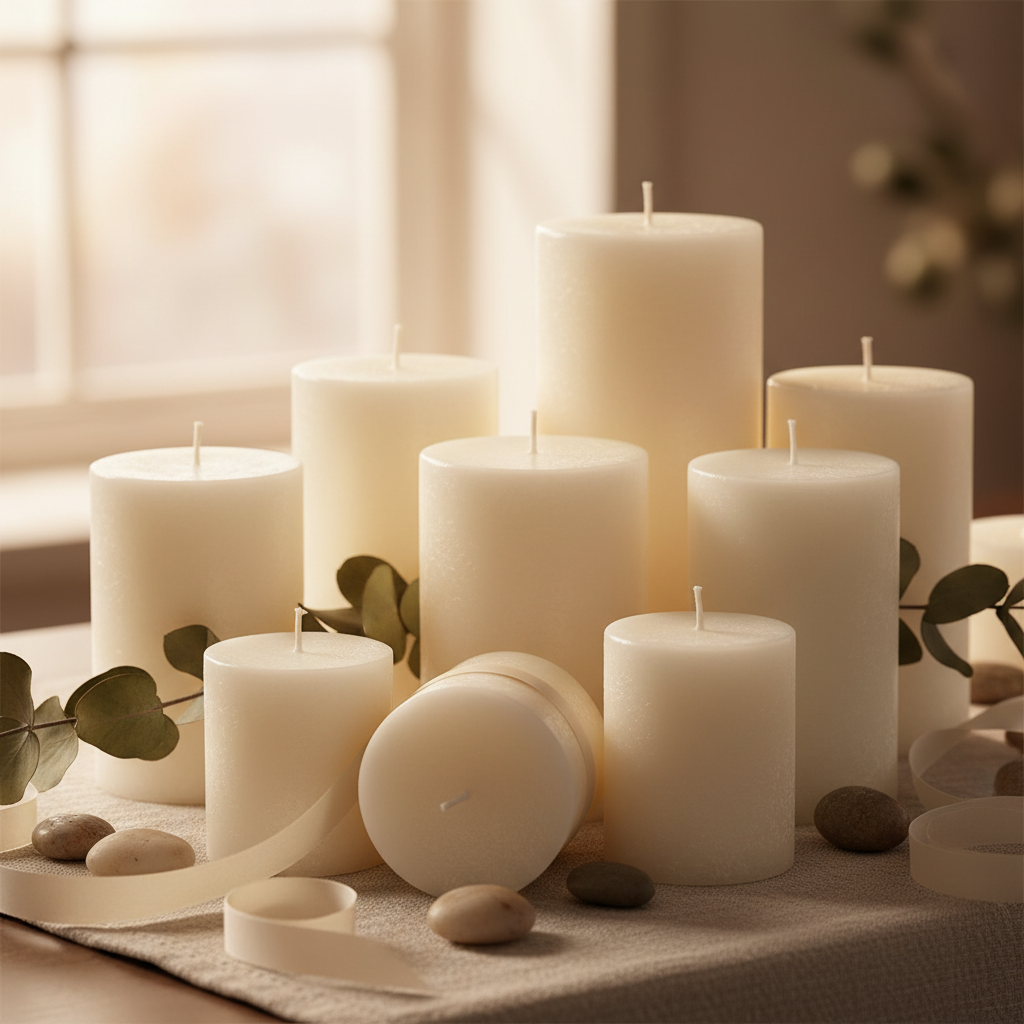
Luxury scented candles differentiate themselves from mass-market options in several key ways. The core distinction lies in the quality of ingredients: premium waxes like soy, beeswax, or coconut wax are favored over paraffin wax, known for its potentially harmful emissions. Fragrance oils are typically concentrated and sourced from natural essential oils or high-quality synthetic compounds, creating complex and long-lasting scents.
Beyond ingredients, luxury candles emphasize craftsmanship and presentation. Hand-poured candles, meticulously crafted vessels, and elegant packaging contribute to the overall experience. The focus isn't simply on fragrance, but on creating a holistic sensory experience that evokes a sense of indulgence and refinement. luxury scented candles truly elevate the ambiance.
The connection to modern industry extends beyond retail. Luxury candle brands are increasingly collaborating with interior designers, hotels, and wellness centers to create bespoke scent experiences, highlighting the power of fragrance to shape environments and influence mood.
Core Components of Exceptional Candles
The longevity of a luxury scented candle is directly tied to the quality of the wax and the wick. Soy wax, for instance, burns cleaner and slower than paraffin, resulting in a longer burn time and less soot. The wick’s material and size are also critical; a properly sized wick ensures a consistent and even burn pool, maximizing the candle’s lifespan.
Fragrance load, or the percentage of fragrance oil in the wax, is a crucial factor. Luxury candles typically have a higher fragrance load (8-10%) than mass-market candles, resulting in a stronger and more consistent scent throw. The complexity of the fragrance itself also plays a significant role, with well-balanced and nuanced scents offering a more sophisticated experience.
The vessel material also impacts the overall experience. High-quality glass containers not only enhance the aesthetic appeal but also help to contain the fragrance and protect the wax from external elements. Attention to detail in the design of the vessel, from its shape to its color, contributes to the overall luxury perception.
Practical Applications Across Industries
The use of luxury scented candles extends far beyond personal enjoyment. The hospitality industry leverages them extensively to create welcoming and memorable experiences for guests. High-end hotels and resorts often feature signature scents in lobbies and guest rooms, designed to evoke specific emotions and enhance the ambiance.
The wellness sector also incorporates luxury scented candles into spa treatments and meditation practices. Specific fragrances, such as lavender or chamomile, are known for their calming properties and are used to promote relaxation and reduce stress. Retail spaces, particularly boutiques and luxury stores, employ candles to create a sophisticated and inviting atmosphere that encourages browsing and purchases.
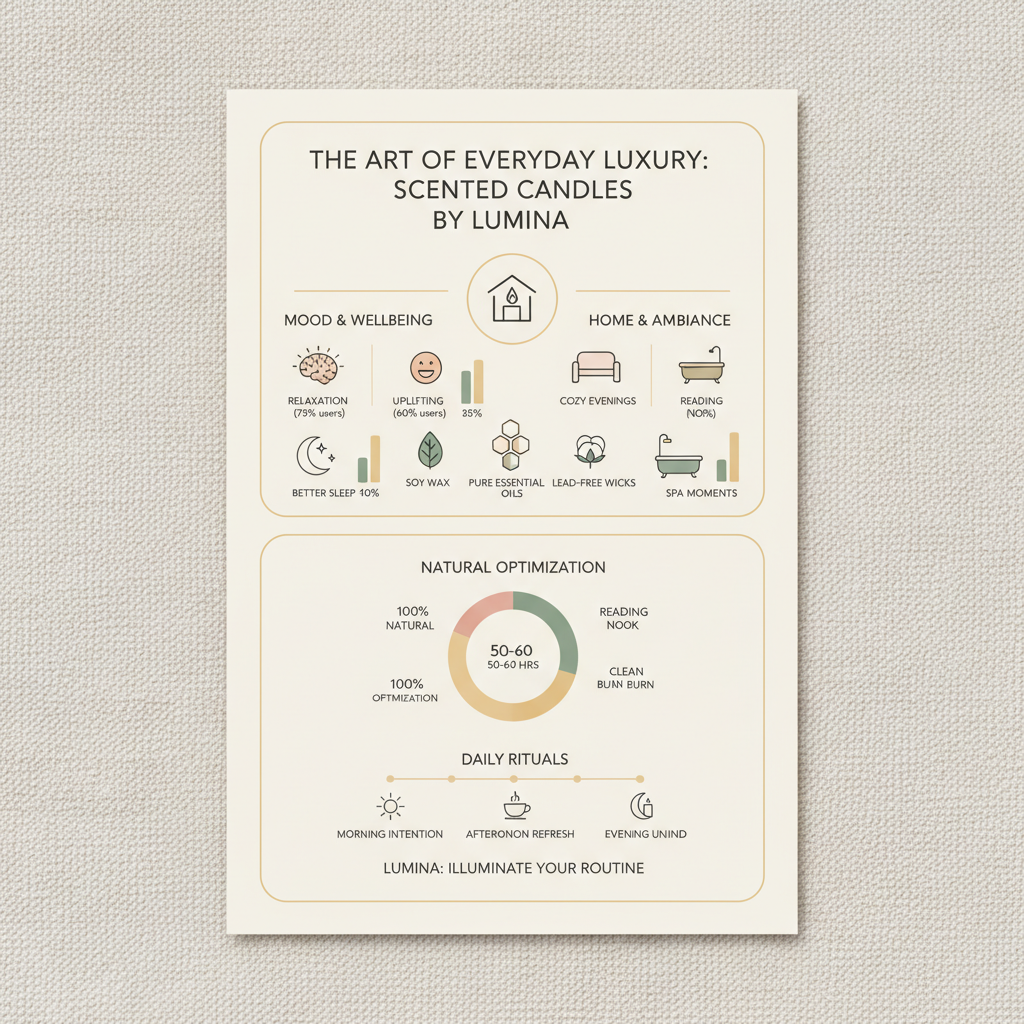
Luxury Scented Candle Popularity by Method
Advantages and Long-Term Value
Investing in luxury scented candles offers several tangible and intangible benefits. The higher quality ingredients and craftsmanship result in a longer burn time and a more consistent scent throw, providing greater value for money compared to cheaper alternatives.
From a sustainability perspective, many luxury brands prioritize eco-friendly waxes and packaging materials, reducing their environmental impact. The emotional benefits are equally significant – a beautifully scented candle can create a calming and inviting atmosphere, promoting relaxation and enhancing overall wellbeing.
Future Trends and Innovations
The future of luxury scented candles is poised for innovation, with a growing emphasis on sustainability and personalization. We’re seeing a rise in the use of recycled and biodegradable materials for both wax and packaging.
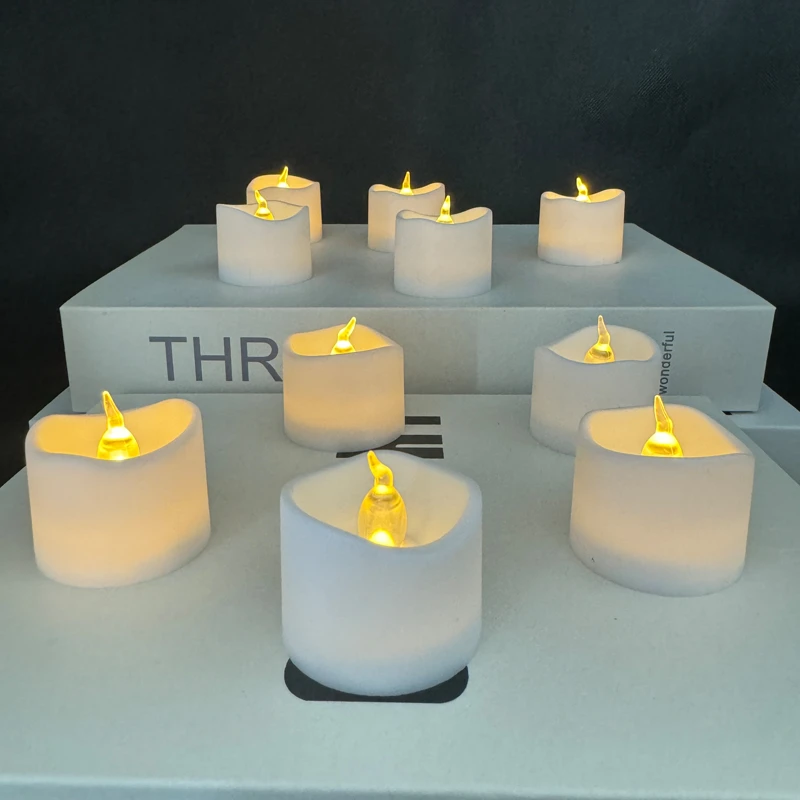
Smart candle technology, incorporating features like adjustable scent intensity and automated timers, is also gaining traction. Furthermore, bespoke fragrance blending, allowing customers to create their own unique scent profiles, is becoming increasingly popular, offering a truly personalized luxury experience.
Digital integration, such as augmented reality apps that allow customers to visualize candles in their homes, is also expected to play a significant role in shaping the future of the market.
Challenges and Sustainable Solutions
One of the primary challenges facing the luxury scented candle industry is ensuring ethical and sustainable sourcing of ingredients. The production of certain fragrance oils can have environmental and social impacts, and transparency in the supply chain is crucial.
Another challenge is managing waste. While many luxury brands offer refill options or encourage recycling, more innovative solutions are needed to minimize the environmental impact of candle containers. Exploring alternative materials, such as biodegradable vessels, is a promising avenue.
Finally, maintaining price competitiveness while upholding high quality standards requires careful consideration. Investing in efficient production processes and direct-to-consumer sales models can help brands offer luxury products at more accessible price points.
Summary of Sustainable Solutions for Luxury Scented Candles
| Ingredient Sourcing |
Waste Management |
Production Efficiency |
Consumer Engagement |
| Fair Trade Certification |
Refill Programs |
Automated Pouring Systems |
Educational Campaigns |
| Organic Essential Oils |
Recyclable Packaging |
Lean Manufacturing |
Loyalty Rewards |
| Local Sourcing |
Biodegradable Vessels |
Optimized Supply Chains |
Transparency Initiatives |
| Responsible Harvesting |
Compostable Labels |
Reduced Energy Consumption |
Sustainable Product Information |
| Traceability Systems |
Upcycled Materials |
Waste Reduction Programs |
Partnerships with Environmental Organizations |
| Supporting Local Communities |
Closed-Loop Systems |
Inventory Optimization |
Ethical Marketing Practices |
FAQS
Luxury scented candles distinguish themselves through superior ingredient quality – typically utilizing natural waxes like soy, beeswax, or coconut wax instead of paraffin. They also feature higher concentrations of fragrance oils, often derived from natural essential oils, resulting in a more potent and complex scent throw. Craftsmanship, vessel quality, and packaging also play significant roles in elevating the overall experience.
Consider the function of each room. For living areas, opt for inviting and relaxing scents like vanilla, sandalwood, or amber. Bedrooms benefit from calming aromas such as lavender or chamomile. Kitchens can handle brighter, fresher scents like citrus or herbal blends. Bathrooms are ideal for invigorating fragrances like eucalyptus or peppermint. luxury scented candles enhance any space.
Always trim the wick to ¼ inch before each burn. Allow the candle to burn long enough to create a full melt pool across the surface (usually 2-3 hours for the first burn). Avoid burning for more than 4 hours at a time. Extinguish the candle safely, using a snuffer to prevent smoking and wax splattering. Store candles in a cool, dark place to preserve the fragrance.
Generally, yes. Natural waxes like soy and beeswax produce less soot and fewer toxins compared to paraffin wax. Essential oils, while sometimes more expensive, offer potential aromatherapy benefits and avoid the synthetic compounds found in some fragrance oils. However, it's still important to choose candles from reputable brands that prioritize quality and safety standards.
Look for certifications like Fair Trade or RSPO (Roundtable on Sustainable Palm Oil). Check if the brand discloses its sourcing practices and prioritizes eco-friendly packaging. Brands committed to sustainability often highlight these efforts on their websites and product labels. Consider supporting brands that use recycled materials or offer refill programs.
Essential oils are naturally derived from plants through processes like distillation, offering potential therapeutic benefits. Fragrance oils are synthetic blends designed to mimic natural scents or create unique aromas. While essential oils are often preferred for their natural origin, high-quality fragrance oils can provide a wider range of scent options and greater consistency. Luxury brands often use a combination of both.
Conclusion
Luxury scented candles represent more than just a home fragrance; they embody a commitment to quality, craftsmanship, and sensory wellbeing. From the careful selection of natural waxes and essential oils to the meticulous attention to detail in packaging and presentation, these candles elevate the everyday experience and create a haven of relaxation and sophistication. Understanding the nuances of this market, from sourcing practices to innovative technologies, is crucial for both consumers and businesses alike.
As consumer demand for sustainable and personalized products continues to grow, the future of luxury scented candles lies in embracing innovation and prioritizing ethical practices. By investing in responsible sourcing, developing eco-friendly materials, and offering bespoke fragrance experiences, brands can solidify their position as leaders in this evolving market. Visit our website today to explore our collection of exquisite luxury scented candles.