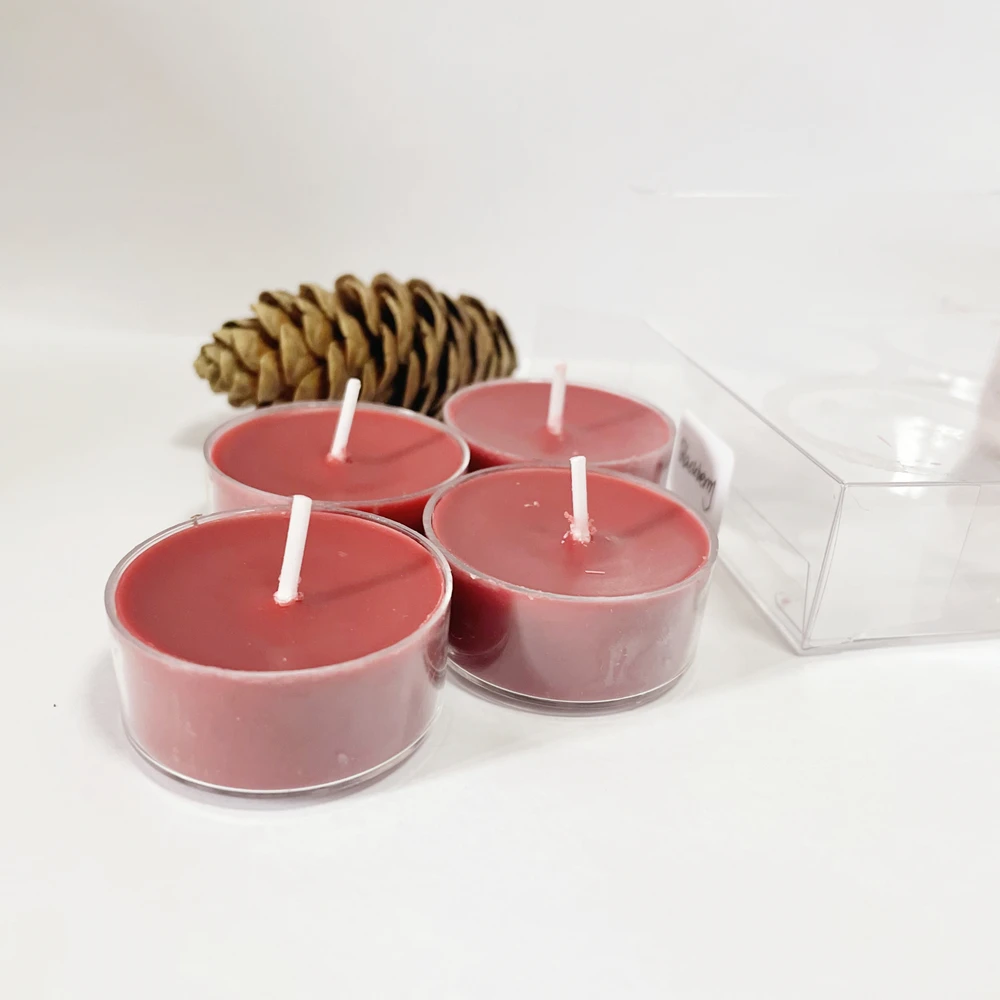
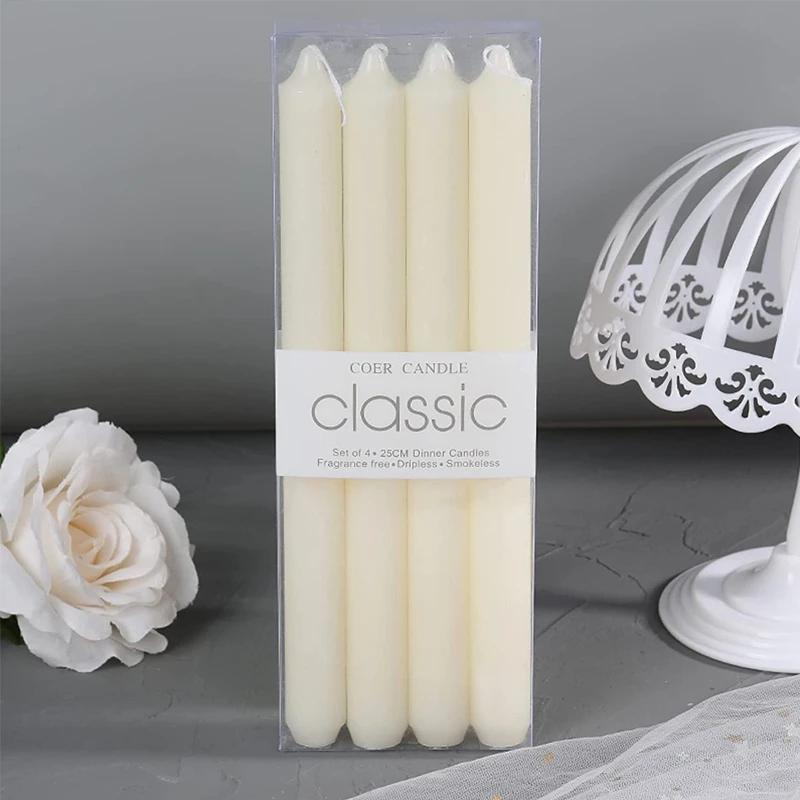
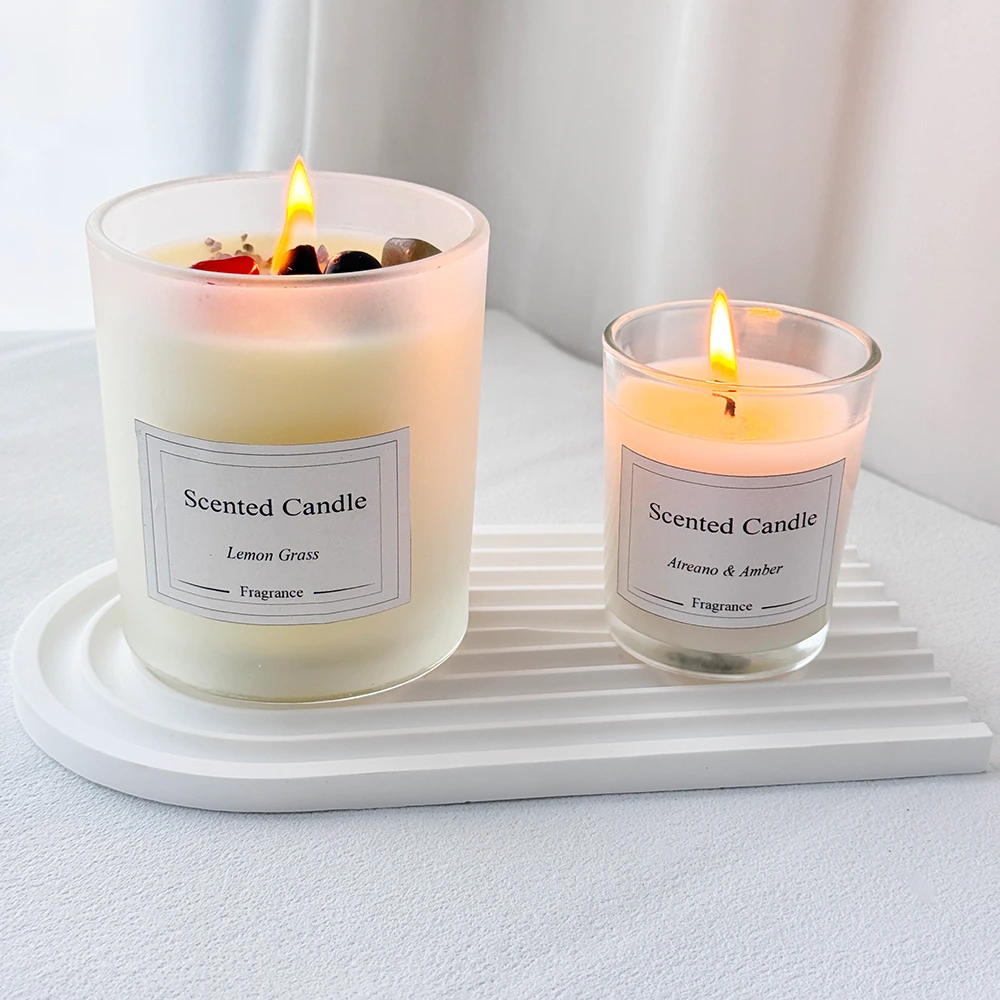
Bulk unscented candles are rapidly gaining prominence across a diverse range of industries and applications, driven by increasing demands for clean, reliable, and customizable lighting and ambiance solutions. From large-scale event planning and retail displays to emergency preparedness and aromatherapy product development, the versatility of unscented candles, particularly when purchased in bulk, provides significant cost savings and logistical advantages. Understanding the sourcing, quality, and applications of bulk unscented candles is crucial for businesses and organizations seeking efficient and effective solutions.
The global market for candles, including unscented varieties, is experiencing steady growth, fueled by increasing disposable incomes and evolving consumer preferences. The rise in DIY and crafting trends, coupled with a renewed focus on creating cozy and relaxing environments, is driving demand. Furthermore, the need for reliable lighting during power outages and emergency situations contributes to the consistently strong demand for bulk unscented candles as a practical and affordable solution. This demand necessitates a robust supply chain and an understanding of the various quality factors that influence product performance.
The increasing focus on sustainability and natural products also plays a role, with consumers often opting for unscented candles made from soy wax or beeswax as alternatives to paraffin wax. This shift creates opportunities for businesses specializing in environmentally friendly bulk unscented candles to cater to a growing segment of conscious consumers. The economic benefits of bulk purchasing combined with the versatility of the product make it an increasingly attractive option for various sectors.
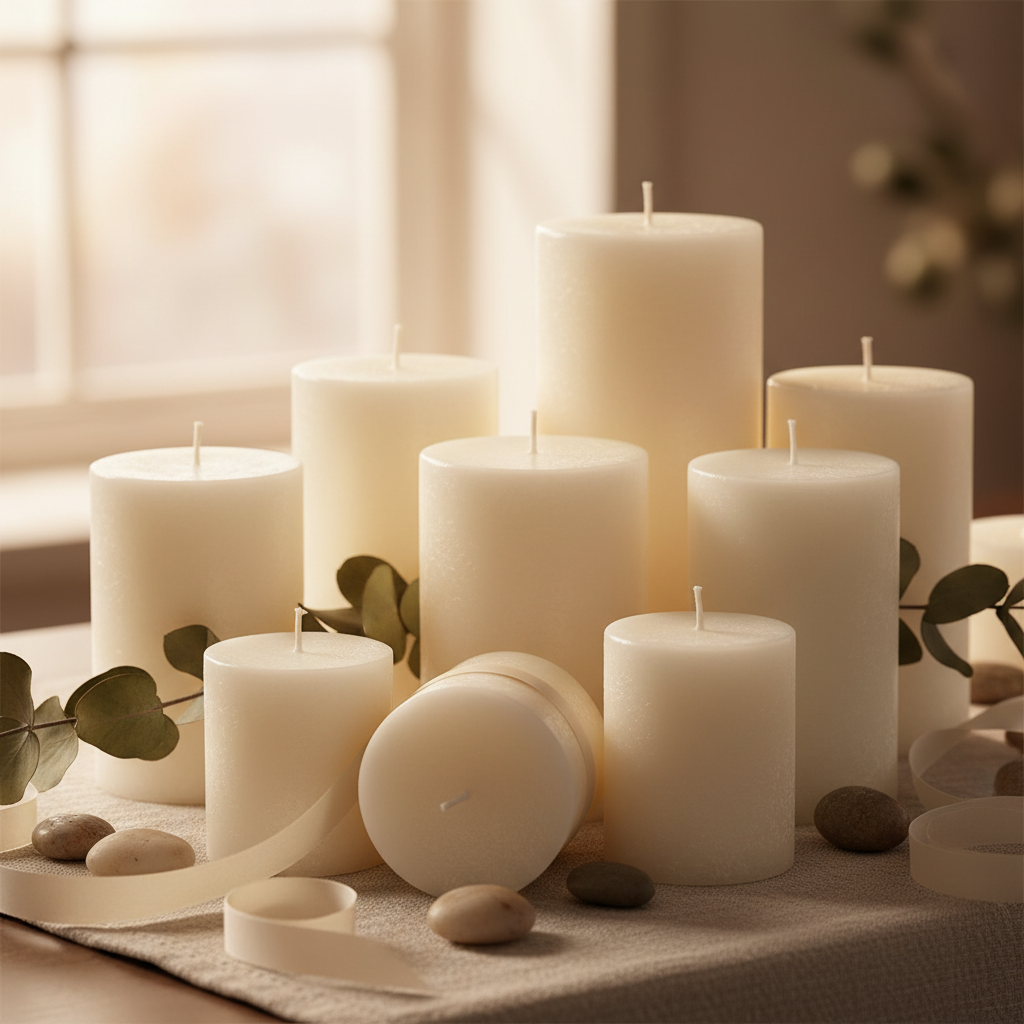
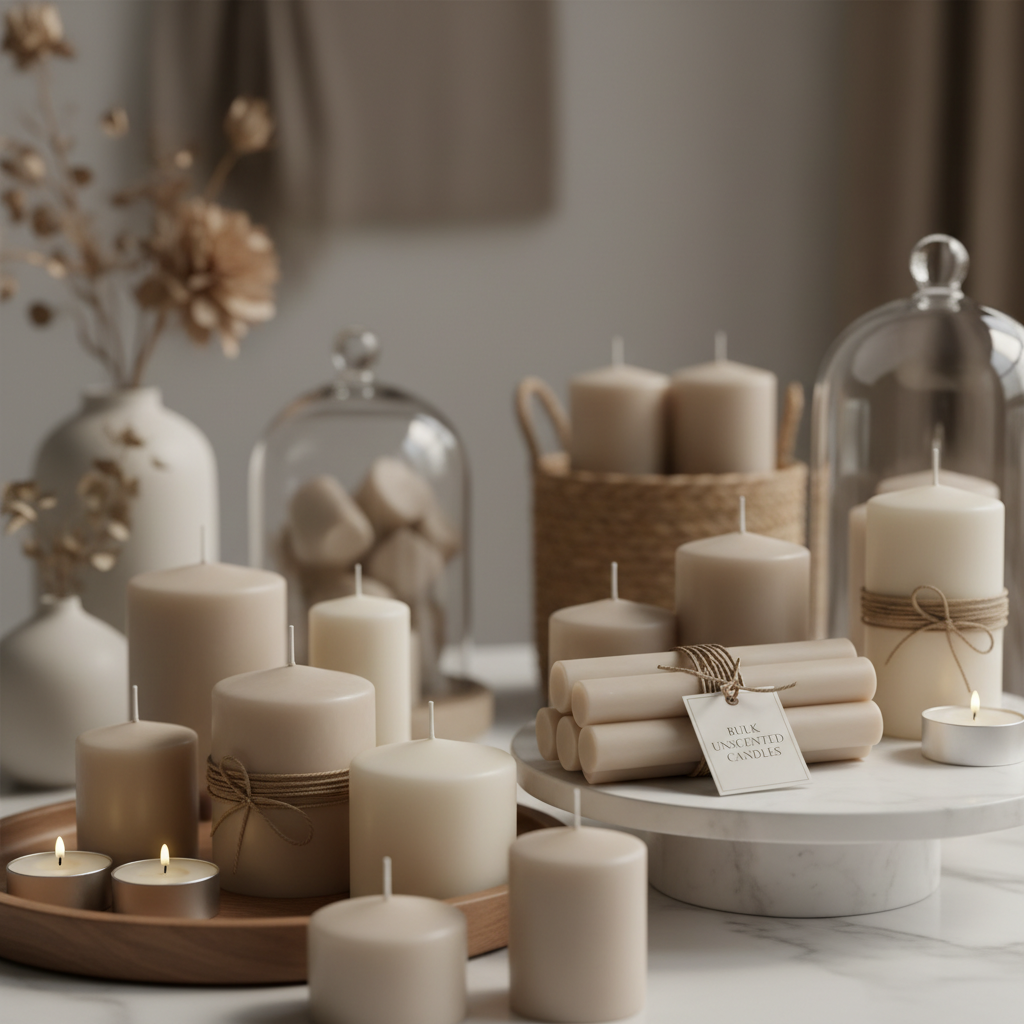
Bulk unscented candles represent a significant component of the broader candle industry, serving as a foundational element for a multitude of applications. Their lack of fragrance makes them uniquely versatile, allowing end-users to customize the scent or utilize them in environments where fragrance is undesirable or prohibited. The economic benefits of purchasing in large quantities, combined with the consistent demand for reliable illumination, contribute to a robust and growing market for bulk unscented candles.
The increased demand for unscented candles is tied to a growing awareness of fragrance sensitivities and allergies. Many individuals experience adverse reactions to scented products, making unscented options essential for creating inclusive and comfortable environments. This trend, coupled with the diverse applications spanning from emergency preparedness to artisanal crafts, solidifies the long-term viability and importance of bulk unscented candles in the global marketplace.
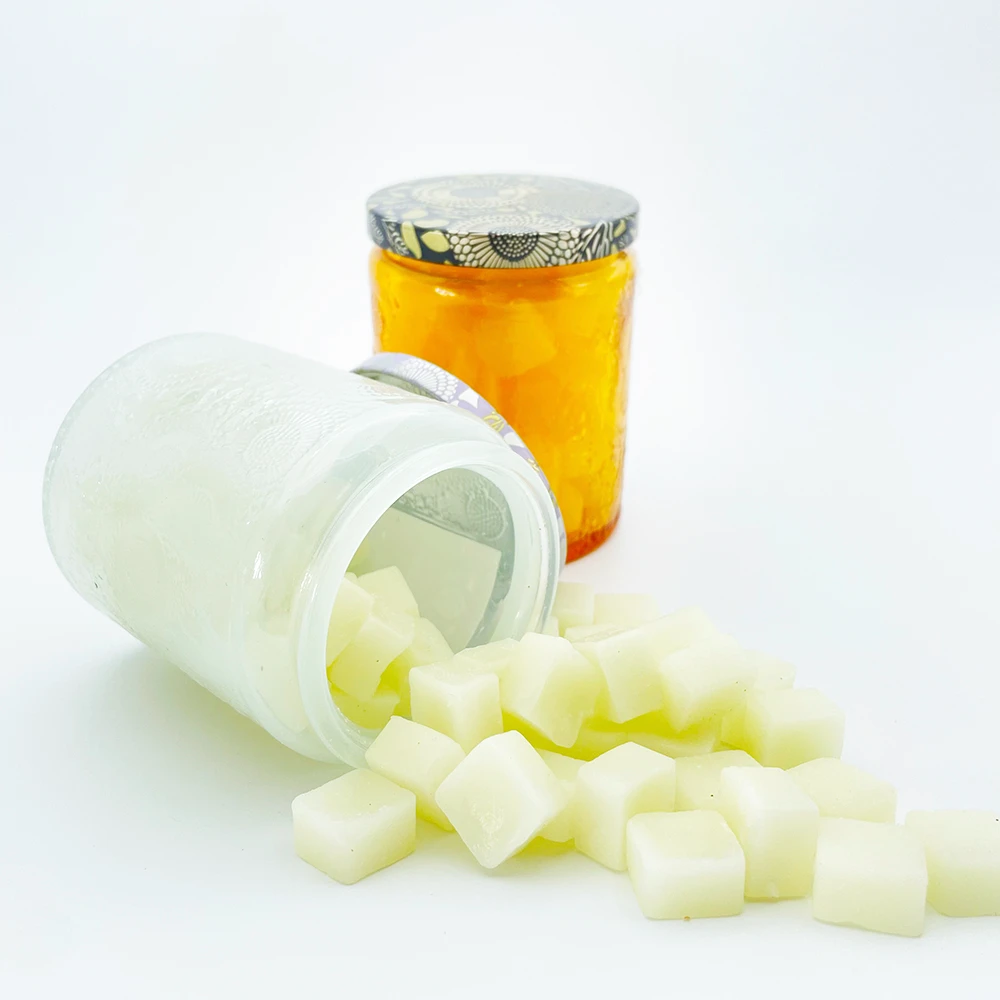
The most common wax types include paraffin, soy, beeswax, and coconut wax. Paraffin is the most affordable, while soy and beeswax are popular choices for their eco-friendliness. Coconut wax is a newer option gaining traction due to its clean burn and excellent fragrance throw, even in unscented applications. Selecting the right wax depends on your budget, desired burn characteristics, and sustainability priorities.
Typically, bulk unscented candles have a long shelf life, often exceeding several years when stored correctly. Proper storage involves keeping them in a cool, dry place away from direct sunlight and extreme temperatures. While the wax itself doesn't necessarily expire, exposure to these elements can affect its quality and burning performance over time.
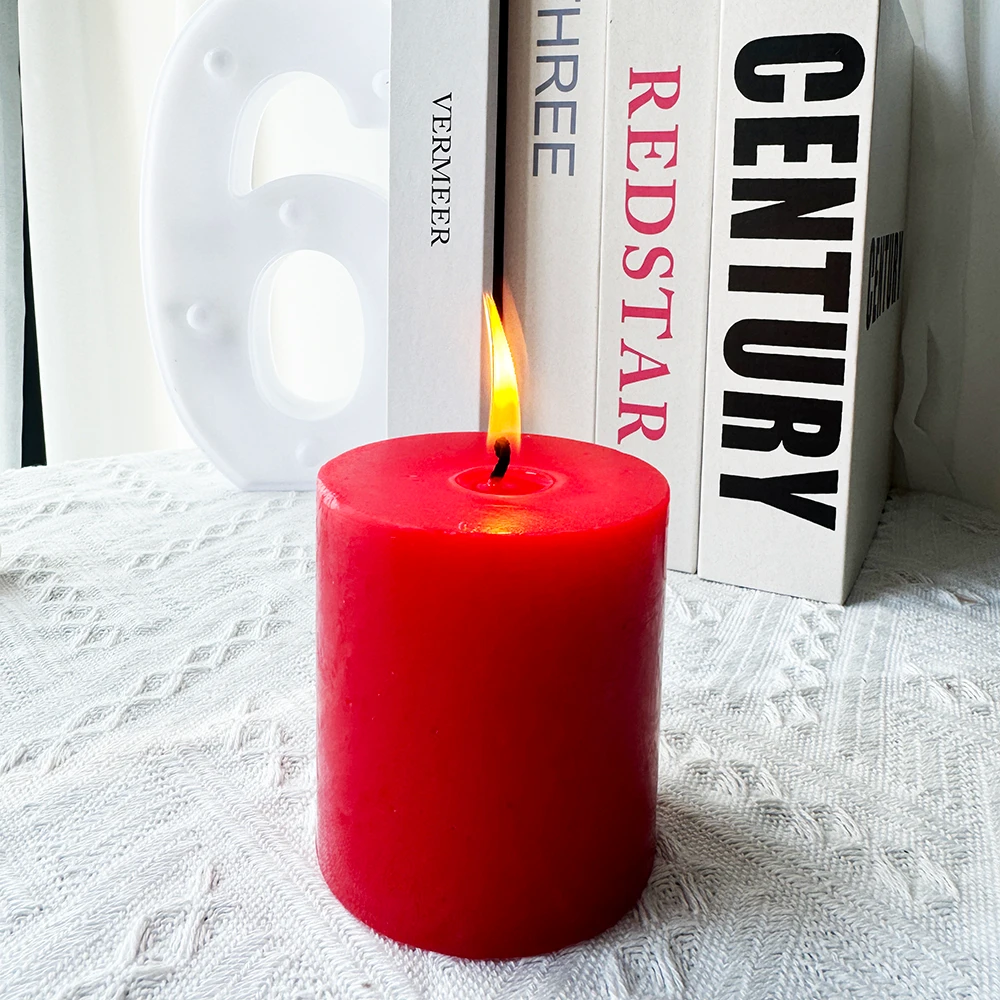
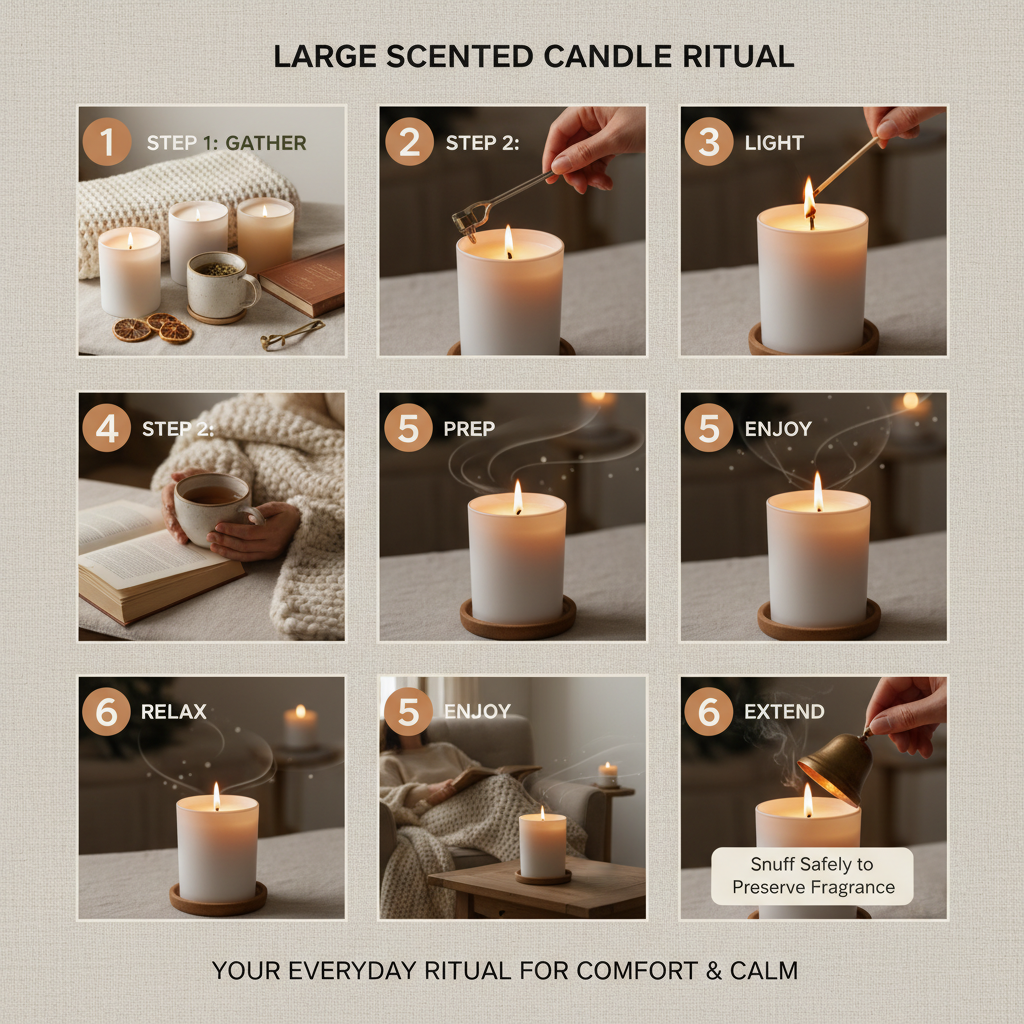
Yes, when used responsibly. Always burn candles within sight, on a stable, heat-resistant surface, and away from flammable materials. Trim the wick to ¼ inch before each use to prevent smoking and ensure a clean burn. Never leave burning candles unattended or allow them to burn down completely. Proper ventilation is also crucial.
Wick size depends on the diameter of the candle. A general rule of thumb is to choose a wick that creates a full melt pool (reaches the edges of the container) within 2-3 hours of burning. Suppliers often provide wick size recommendations based on candle diameter and wax type. Testing different wick sizes is recommended to achieve optimal burn performance.
The recyclability of bulk unscented candles depends on the container material. Glass containers are generally recyclable, while plastic containers may or may not be depending on local recycling guidelines. The wax itself can sometimes be repurposed or composted, but it's best to check with local waste management facilities for specific instructions.
Minimum order quantities (MOQs) vary significantly between suppliers. Some may have relatively low MOQs to accommodate smaller businesses, while others may require larger orders. It's essential to inquire about MOQs before placing an order to ensure they align with your needs and budget. Negotiating with suppliers is also often possible, particularly for long-term partnerships.
In conclusion, bulk unscented candles represent a versatile, cost-effective, and increasingly sustainable lighting and ambiance solution for a wide range of applications. From emergency preparedness to event planning and industrial uses, their adaptability and affordability make them a valuable asset for businesses and organizations worldwide. The growing demand for natural and environmentally friendly options is driving innovation in wax compositions and manufacturing processes.
Looking ahead, expect to see continued advancements in sustainability and automation within the industry. Exploring alternative wax sources, optimizing production efficiency, and streamlining supply chains will be crucial for meeting the evolving needs of the market. We encourage you to explore the range of quality bulk unscented candles available and discover how they can benefit your specific application.