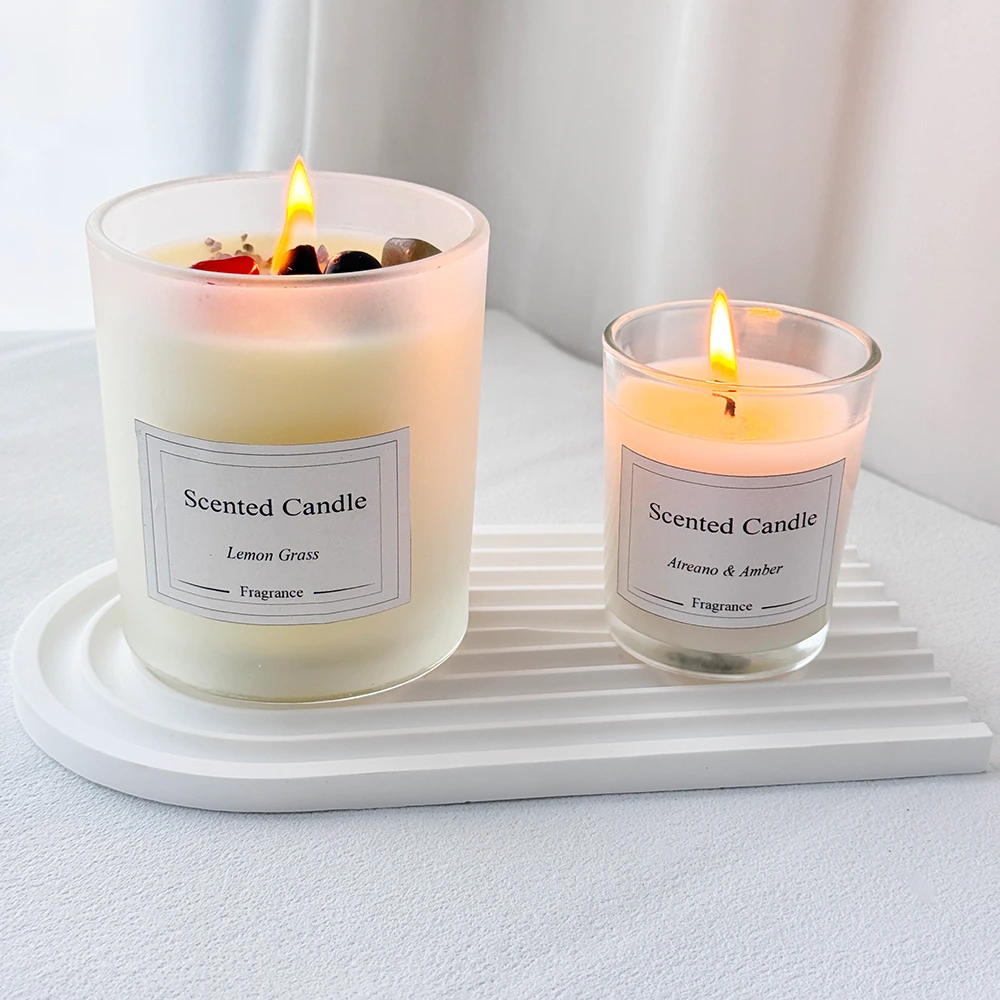
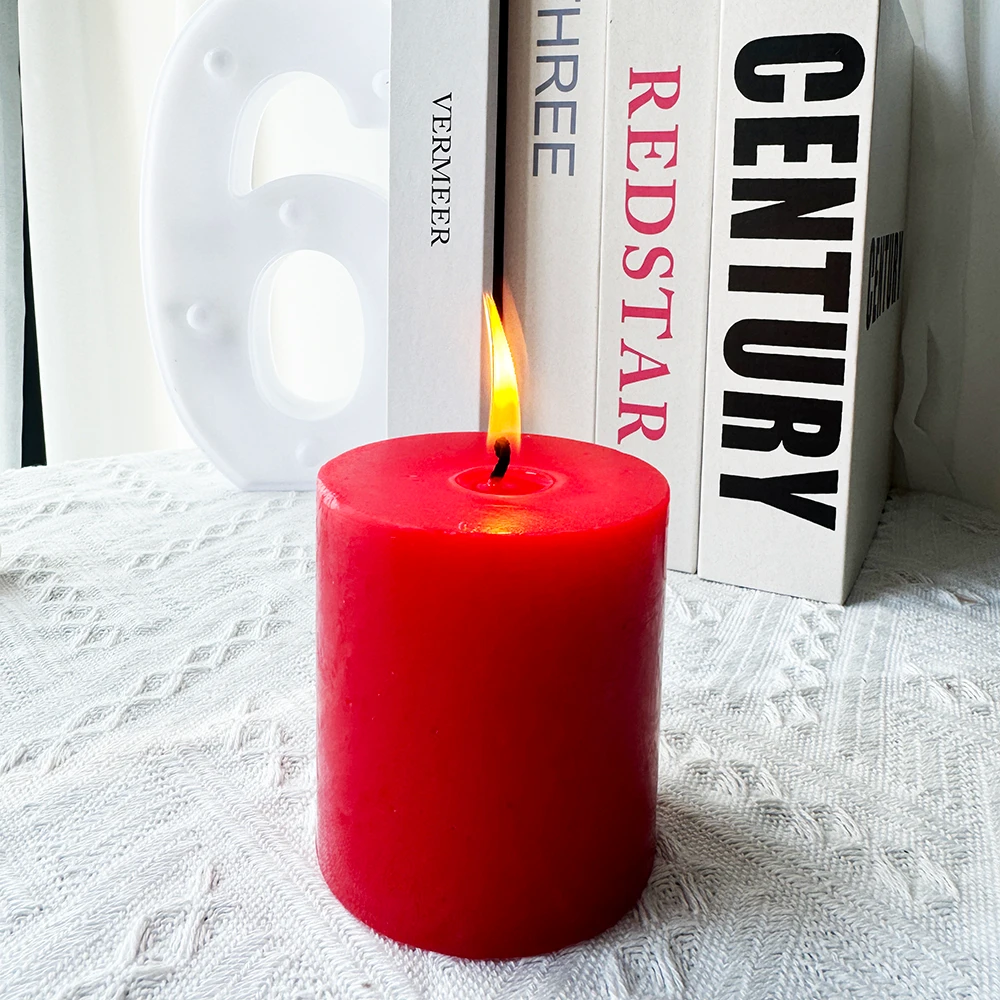
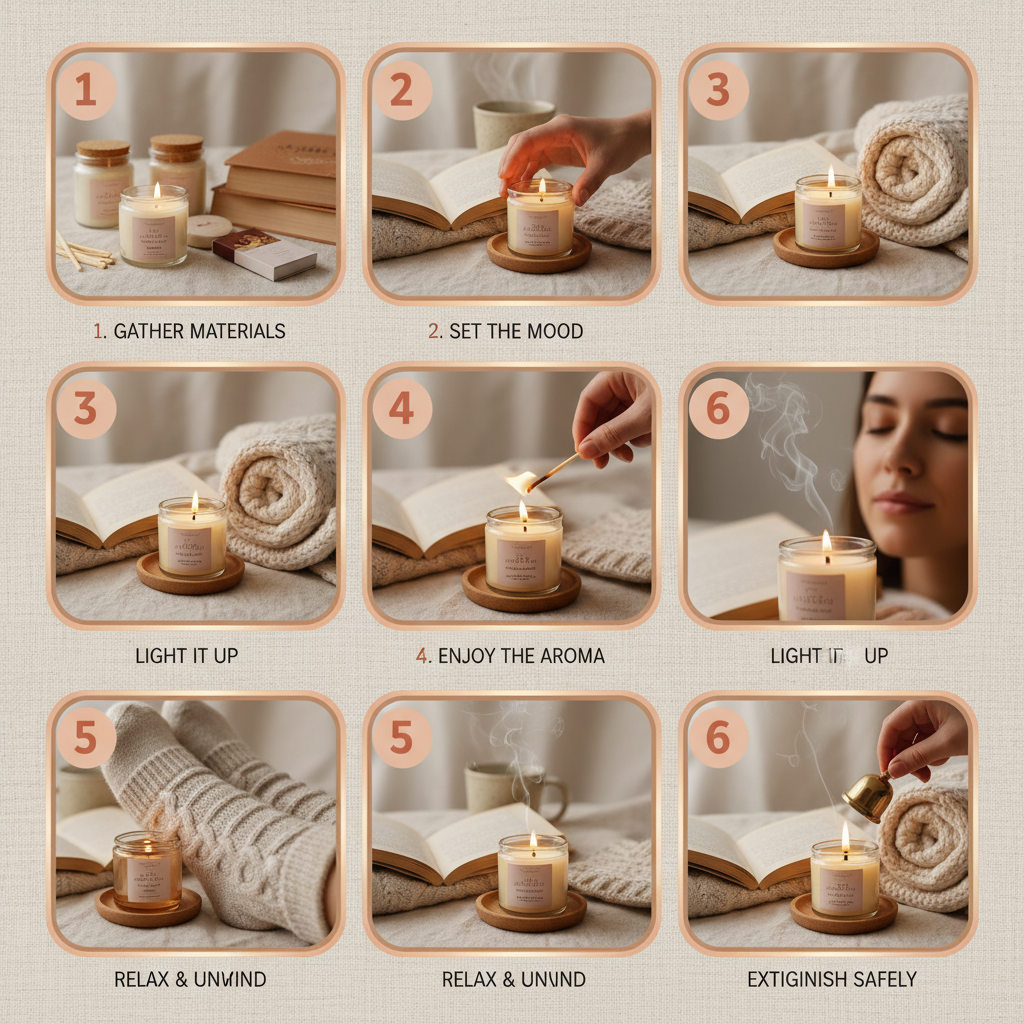
Highly scented candles have transcended their traditional role as simple mood-setting items, evolving into a multi-billion dollar global industry. Driven by an increasing consumer desire for wellness, home comfort, and personalized experiences, the demand for premium, long-lasting fragrances is consistently rising. This isn't merely a trend; it's a shift in lifestyle, where scent is recognized as a powerful tool for emotional well-being and creating inviting spaces. highly scented candles are now considered a staple in many homes worldwide.
The global candle market, and specifically the highly scented candles segment, is experiencing significant growth, particularly in regions like North America, Europe, and Asia-Pacific. According to recent industry reports, the market is projected to reach billions in the coming years, fueled by innovations in fragrance technology, sustainable materials, and sophisticated marketing strategies. This growth isn’t simply aesthetic; it reflects a broader cultural movement towards self-care and creating sanctuary within the home.
Understanding the intricacies of highly scented candles—from the science of fragrance diffusion to the art of wax blending—is crucial for both consumers seeking the perfect ambiance and businesses aiming to succeed in this competitive market. The quality, longevity, and ethical sourcing of ingredients are increasingly important factors influencing purchasing decisions.
Introduction: Global or Industry Context
The market for highly scented candles is a thriving segment of the broader home fragrance industry. Valued at approximately $7.5 billion globally in 2023 (source: Statista), it's projected to grow at a compound annual growth rate (CAGR) of 5.8% through 2028, driven by factors like increasing disposable incomes, a growing emphasis on home décor, and the therapeutic benefits associated with aromatherapy. This makes it a significant economic force.
This growth is particularly pronounced in emerging markets like China and India, where the middle class is expanding and consumer spending is on the rise. However, the industry isn’t without its challenges. Concerns regarding sustainability, the sourcing of raw materials, and the environmental impact of candle production are becoming increasingly important considerations for consumers and manufacturers alike.
The current landscape demands innovation. Consumers are seeking unique and sophisticated fragrances, eco-friendly materials, and aesthetically pleasing designs. Successfully navigating this market requires a commitment to quality, sustainability, and a deep understanding of evolving consumer preferences. highly scented candles are responding to these demands.
Definition & Meaning
Highly scented candles are candles formulated with a higher concentration of fragrance oils compared to standard candles, resulting in a more potent and long-lasting aroma. Typically, standard candles contain between 3-6% fragrance oil, while highly scented candles often boast 8-12% or even higher. This increased concentration allows the fragrance to permeate a larger space and linger for an extended period.
This isn't just about intensity; it’s about creating an experience. The art of perfumery is central to the creation of highly scented candles, with skilled fragrance designers blending various essential oils and aroma compounds to achieve complex and evocative scents. These fragrances can range from floral and fruity to woody and spicy, catering to diverse preferences.
In modern society, the use of highly scented candles extends beyond mere illumination. They’re employed in aromatherapy to promote relaxation, reduce stress, and enhance mood. They are also central to creating ambiance in homes, restaurants, and spas, elevating the overall sensory experience and fostering a sense of well-being.
Key Factors or Core Components
Several key factors contribute to the quality and performance of highly scented candles. Firstly, wax type is crucial. Soy wax, beeswax, and coconut wax are popular choices due to their clean burning properties and ability to hold fragrance effectively. Paraffin wax, while less expensive, often produces soot and may release harmful chemicals. The choice of wax significantly impacts the candle’s overall environmental footprint.
Secondly, fragrance oil quality is paramount. High-quality fragrance oils are typically composed of natural essential oils and aroma compounds that deliver a true-to-life scent. Synthetic fragrances can be more affordable but may lack the complexity and therapeutic benefits of natural oils. The source and purity of fragrance oils directly impact the candle's scent profile and longevity.
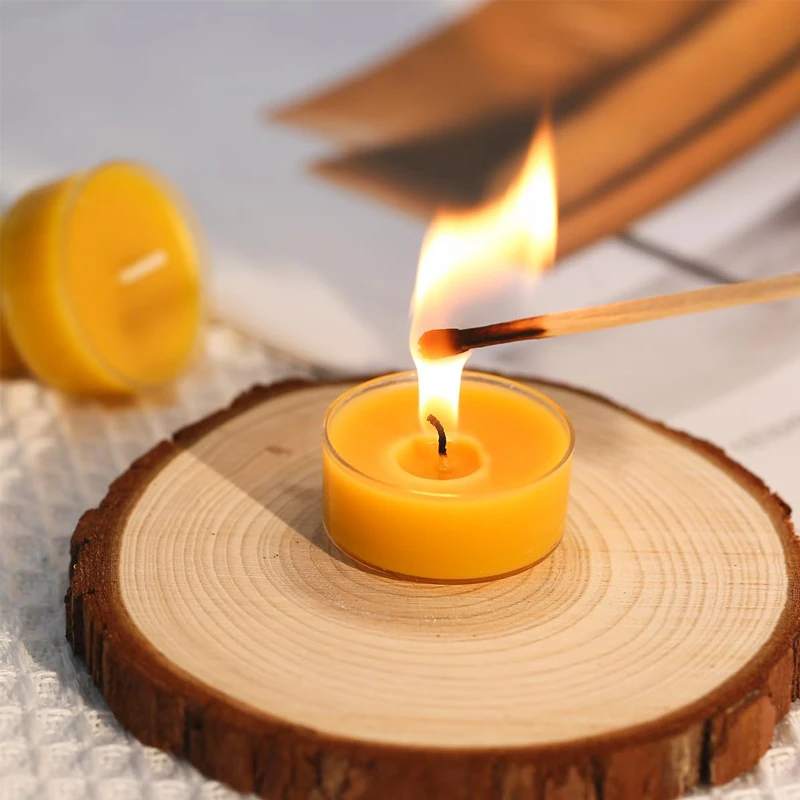
Thirdly, wick selection plays a vital role in ensuring a clean and even burn. Different wax types require different wick sizes and materials. A poorly chosen wick can lead to tunneling (where the candle burns down the center), mushrooming (carbon buildup on the wick), or excessive soot production. Fourth, fragrance load, the percentage of fragrance oil to wax, dictates scent throw. Finally, proper curing time – allowing the fragrance oil to fully bind with the wax – maximizes scent retention and longevity.
Global Applications & Use Cases
Highly scented candles find applications in a wide range of settings. In the hospitality industry, luxury hotels and resorts utilize highly scented candles to create a welcoming and relaxing atmosphere for guests. Spas and wellness centers leverage aromatherapy benefits through carefully selected candle scents.
The retail sector employs highly scented candles to enhance the shopping experience and create a positive brand image. Boutiques and department stores use strategic scenting to influence consumer behavior and encourage purchases. Restaurants often use subtle fragrances to complement the dining experience.
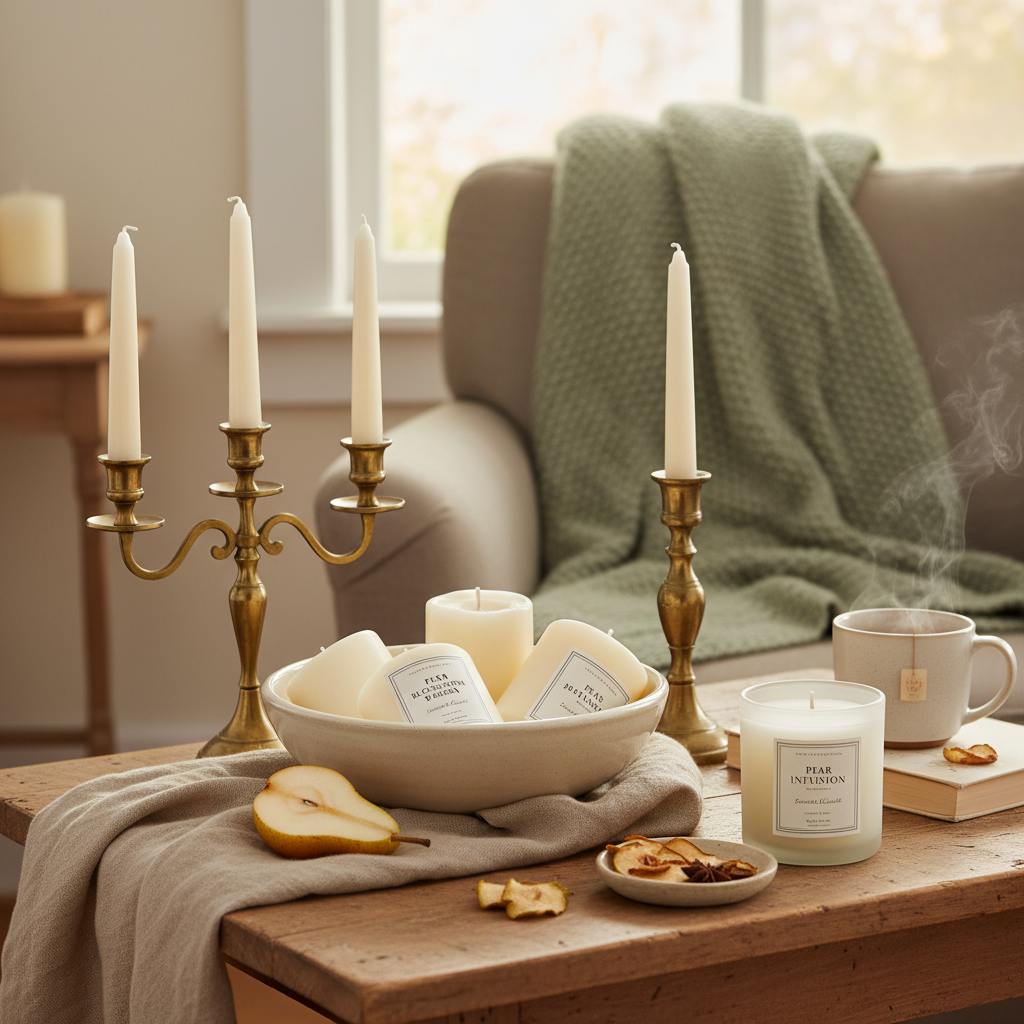
In the residential market, highly scented candles are a staple for creating ambiance, masking odors, and promoting relaxation. They're frequently used in meditation spaces, bedrooms, and living rooms. Demand is particularly strong in regions with colder climates, where indoor living is more prevalent and the desire for cozy atmospheres is heightened.
Highly Scented Candles: Scent Profile Preference
Advantages & Long-Term Value
The advantages of choosing high-quality, highly scented candles extend beyond mere aesthetics. A significant benefit is the enhanced emotional well-being they provide. Specific scents can trigger positive memories, reduce stress, and promote relaxation, contributing to a more peaceful and enjoyable living environment.
From a sustainability perspective, choosing candles made with natural waxes like soy or beeswax supports eco-friendly practices. These waxes are renewable resources and produce cleaner burns compared to paraffin wax. Long-term, investing in durable, high-quality candles represents cost-effectiveness, as they last longer and require less frequent replacement. Moreover, supporting brands committed to ethical sourcing fosters trust and social responsibility.
Future Trends & Innovations
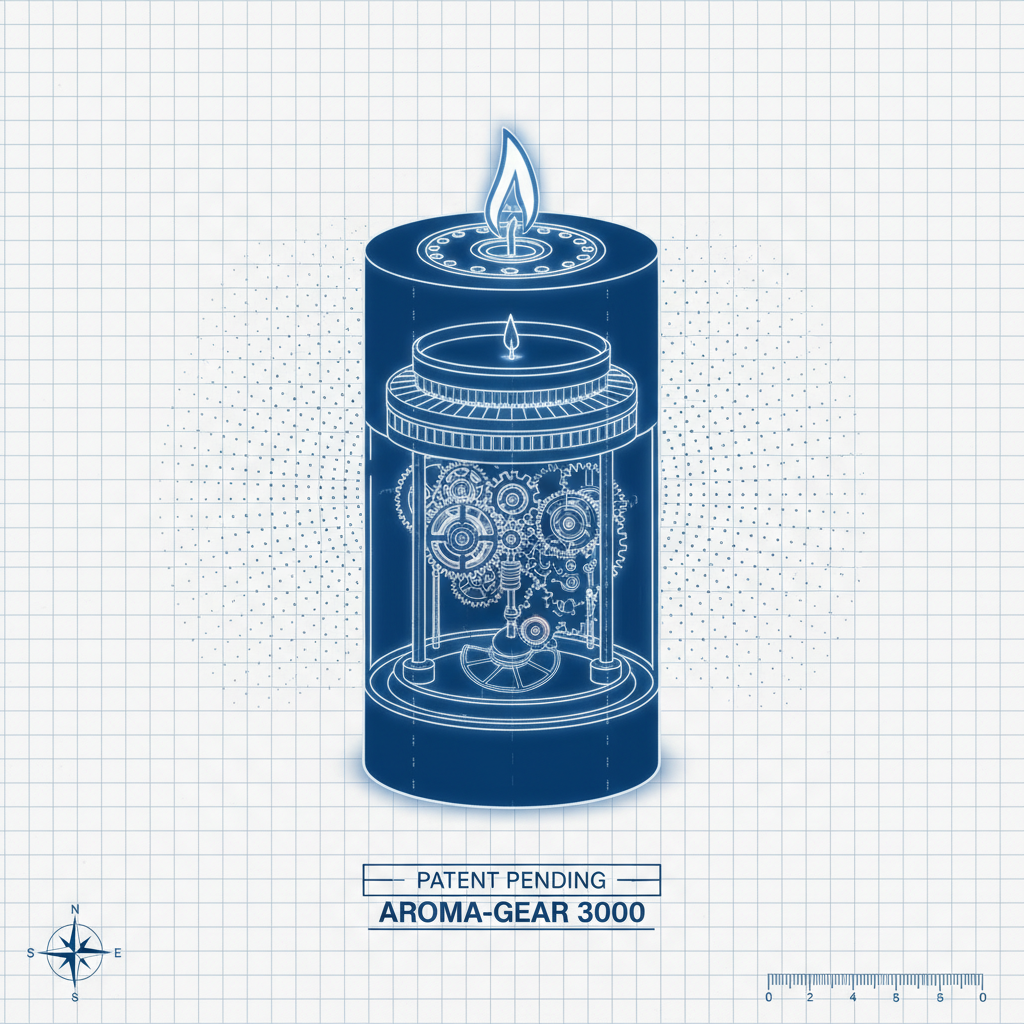
The future of highly scented candles is poised for exciting innovations. We are seeing a rise in smart candles equipped with timers, remote control functionality, and even integrated aromatherapy diffusers. Biodegradable packaging and refillable candle containers are gaining popularity, addressing growing concerns about waste reduction.
Advances in fragrance technology are enabling the creation of more complex and nuanced scents. Personalized scent blends, tailored to individual preferences, are becoming increasingly accessible. Furthermore, the integration of digital technologies, such as augmented reality apps that allow consumers to visualize scents in their homes, is transforming the shopping experience.
Challenges & Solutions
One key challenge facing the highly scented candles industry is the sourcing of sustainable and ethical raw materials. Ensuring fair labor practices and responsible environmental stewardship throughout the supply chain is crucial. Solutions include partnering with certified suppliers and investing in traceability technologies.
Another challenge is the potential for indoor air pollution from candle burning. Addressing this requires promoting the use of cleaner-burning waxes, educating consumers about proper ventilation, and developing innovative wick technologies that minimize soot production. Finally, competition from alternative home fragrance products, such as diffusers and room sprays, requires continuous innovation and differentiation.
To overcome these challenges, a collaborative approach involving manufacturers, retailers, and consumers is essential. Transparency, sustainability, and a commitment to quality are key to building a thriving and responsible industry.
Overview of Key Considerations for Highly Scented Candle Quality
| Wax Composition |
Fragrance Load Percentage |
Wick Material & Size |
Burn Time & Scent Throw |
| Soy wax blend (80/20 soy/coconut) |
10% |
Cotton core with paper braid |
50-60 hours, moderate scent throw |
| 100% Beeswax |
8% |
Unbleached cotton |
40-50 hours, subtle scent throw |
| Paraffin wax |
6% |
Zinc core |
30-40 hours, strong scent throw (but potential for soot) |
| Coconut wax |
12% |
Wood wick |
60-70 hours, excellent scent throw |
| Soy wax with paraffin blend (50/50) |
9% |
Cotton flat braid |
45-55 hours, balanced scent throw |
| Palm wax |
7% |
Cotton square braid |
35-45 hours, medium scent throw |
FAQS
Highly scented candles contain a significantly higher concentration of fragrance oil, typically between 8-12%, compared to the 3-6% found in standard candles. This results in a more intense and longer-lasting aroma that can fill a larger space. The quality of the fragrance oils themselves is also usually higher, often utilizing natural essential oils and complex fragrance blends for a richer olfactory experience.
To maximize burn time, always trim the wick to ¼ inch before each use. This prevents smoking and ensures a clean, even burn. Allow the candle to burn long enough for the wax pool to reach the edges of the container during the first burn (this creates a "memory ring"). Avoid burning the candle for more than 4 hours at a time, and always extinguish it safely.
Individuals with allergies or sensitivities should carefully check the ingredient list. Look for candles made with natural essential oils and avoid those containing synthetic fragrances or dyes. Soy wax, beeswax, or coconut wax are generally better choices than paraffin wax. Always ensure good ventilation when burning candles.
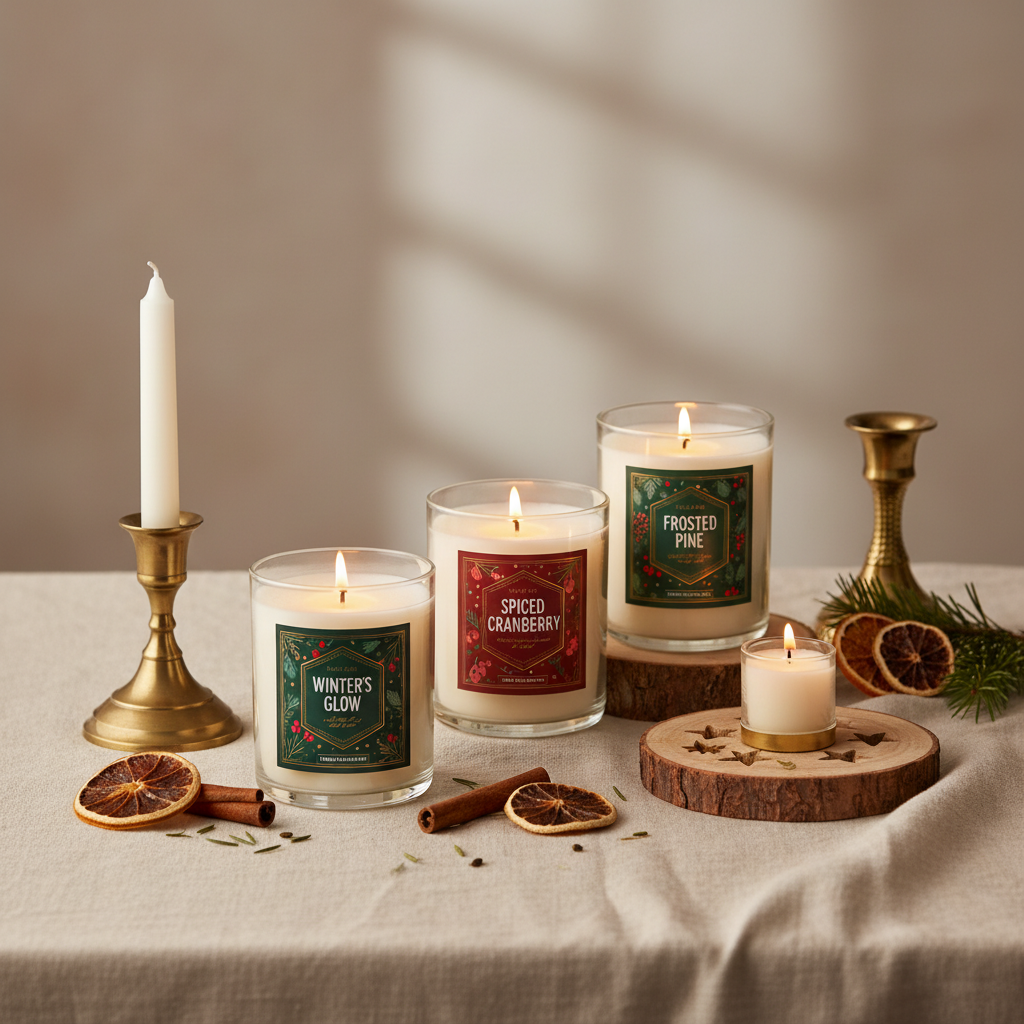
Consider the room's purpose and your desired mood. Floral scents are often ideal for bedrooms and bathrooms, while citrus and energizing scents are good for kitchens and living areas. Woody and spicy scents can create a cozy ambiance in libraries or dens. The size of the room also matters; larger rooms require candles with stronger scent throws.
Essential oils are extracted directly from plants and offer therapeutic benefits, while fragrance oils are synthetic blends designed to mimic natural scents. Essential oils often have a more subtle aroma, while fragrance oils can be more potent and complex. Candles with essential oils tend to be more expensive but offer aromatherapy advantages.
Store candles in a cool, dark, and dry place away from direct sunlight and heat. This helps prevent the fragrance oils from degrading over time. Keep the lids tightly sealed when not in use to maintain the scent’s intensity. Avoid storing candles near strong odors, as they can absorb them.
Conclusion
Highly scented candles have evolved from a simple luxury to an integral part of modern well-being and home décor. From their global economic impact to their ability to enhance mood and create inviting spaces, these fragrant companions offer a multifaceted value proposition. The key to enjoying their benefits lies in understanding the quality of ingredients, proper usage, and the growing importance of sustainable practices.
As innovation continues to shape the industry, we can expect to see even more sophisticated and personalized candle experiences emerge. By embracing eco-friendly materials, advanced fragrance technologies, and a commitment to ethical sourcing, the future of highly scented candles promises to be both fragrant and responsible. Explore our curated collection of highly scented candles and elevate your ambiance today!