The art of atmospheric design has evolved significantly with the integration of scented floating candles, which blend the visual serenity of water with the olfactory power of premium fragrance. By combining fluid dynamics with aromatic chemistry, these specialized candles transform any aquatic surface into a centerpiece of sensory elegance, making them indispensable for high-end event planning and home wellness.
Globally, the demand for mindful living and sensory therapy has pushed the fragrance industry toward more versatile delivery systems. Unlike traditional pillar candles, floating variants utilize specific wax densities and fragrance oil ratios to remain buoyant while maintaining a consistent scent throw, addressing the modern need for multifunctional home décor that enhances mental well-being.
Understanding the technical nuances of these products—from the flash point of the scents to the buoyancy of the wax blend—allows consumers and businesses to maximize their aesthetic impact. Whether used in a luxury spa or a corporate gala, the strategic implementation of scented floating candles creates an immediate emotional connection with the observer, blending light, water, and aroma into a single cohesive experience.
Global Industry Context of Scented Floating Candles
The global fragrance and candle market has seen a paradigm shift toward "experiential décor." According to recent industry trends aligned with ISO standards for aromatic products, the integration of scented floating candles has grown as consumers seek alternatives to standard lighting. The challenge in the industry has been balancing the weight of fragrance oils—which can be denser than wax—with the physical requirement of buoyancy to prevent the candle from sinking.
From a manufacturing perspective, this requires precision in chemical blending. The industry has moved toward paraffin-soy hybrids that optimize the "cold throw" and "hot throw" of the scent while ensuring the candle remains stable on water surfaces. This technical evolution has allowed these products to move from simple party favors to high-end therapeutic tools used in luxury hospitality worldwide.
Defining Scented Floating Candles and Their Purpose
In simple terms, scented floating candles are specially formulated wax lights designed with a lower density than water, allowing them to drift on the surface while emitting a curated fragrance. Unlike standard tea lights or pillars, these candles are engineered with a wider base-to-height ratio to ensure stability, preventing them from tipping over as the wax consumes during the burning process.
Beyond the aesthetics, their purpose is deeply rooted in the psychological impact of "blue space"—the calming effect of being near water. By adding the olfactory dimension of premium essential oils, scented floating candles address the modern need for stress reduction and sensory grounding, making them a key component in holistic wellness environments.
In a commercial context, they bridge the gap between traditional lighting and interior fragrance systems. They offer a portable, non-electric way to scent a room while providing a dynamic visual element that interacts with the reflections of water, which is why they are increasingly used in boutique hotels and high-end spa treatments.
Core Components for Optimal Buoyancy and Aroma
The success of scented floating candles depends primarily on the wax matrix. A blend of high-grade paraffin and natural soy wax is typically used to achieve a density lower than 1.0 g/cm³, ensuring the candle floats effortlessly. The structural integrity must be sufficient to withstand the surface tension of water without absorbing moisture into the wick.
Fragrance load is the second critical component. To maintain buoyancy, the oil concentration must be precisely calibrated. Overloading the wax with heavy essential oils can sink the candle, while under-loading results in a poor scent throw. Professional manufacturers use a "fragrance-to-wax ratio" (typically 6-10%) to ensure the scent is potent but the weight remains low.
Finally, the wick selection is paramount. Floating candles require a wick that provides a steady flame without causing the wax to melt too rapidly, which would shift the center of gravity and cause the candle to lean. Cotton-core wicks treated with natural stearic acid are often preferred to maintain a clean burn and a stable floating position.
Performance Metrics and Material Efficiency
When evaluating the quality of scented floating candles, industry experts look at three main metrics: the buoyancy coefficient, the burn rate per hour, and the scent dispersion radius. A high-quality candle will maintain its position regardless of slight water currents and will distribute fragrance evenly across the room through a process called convection, aided by the heat from the water surface.
The efficiency of the material choice directly impacts the longevity of the experience. By utilizing refined waxes, manufacturers can reduce soot production and ensure that the fragrance remains pure, avoiding the "chemical" smell associated with lower-grade paraffin. This focus on material purity not only enhances the user experience but also aligns with global environmental safety standards.
Comparative Performance of Scented Floating Candles Variants
Global Applications and Luxury Use Cases
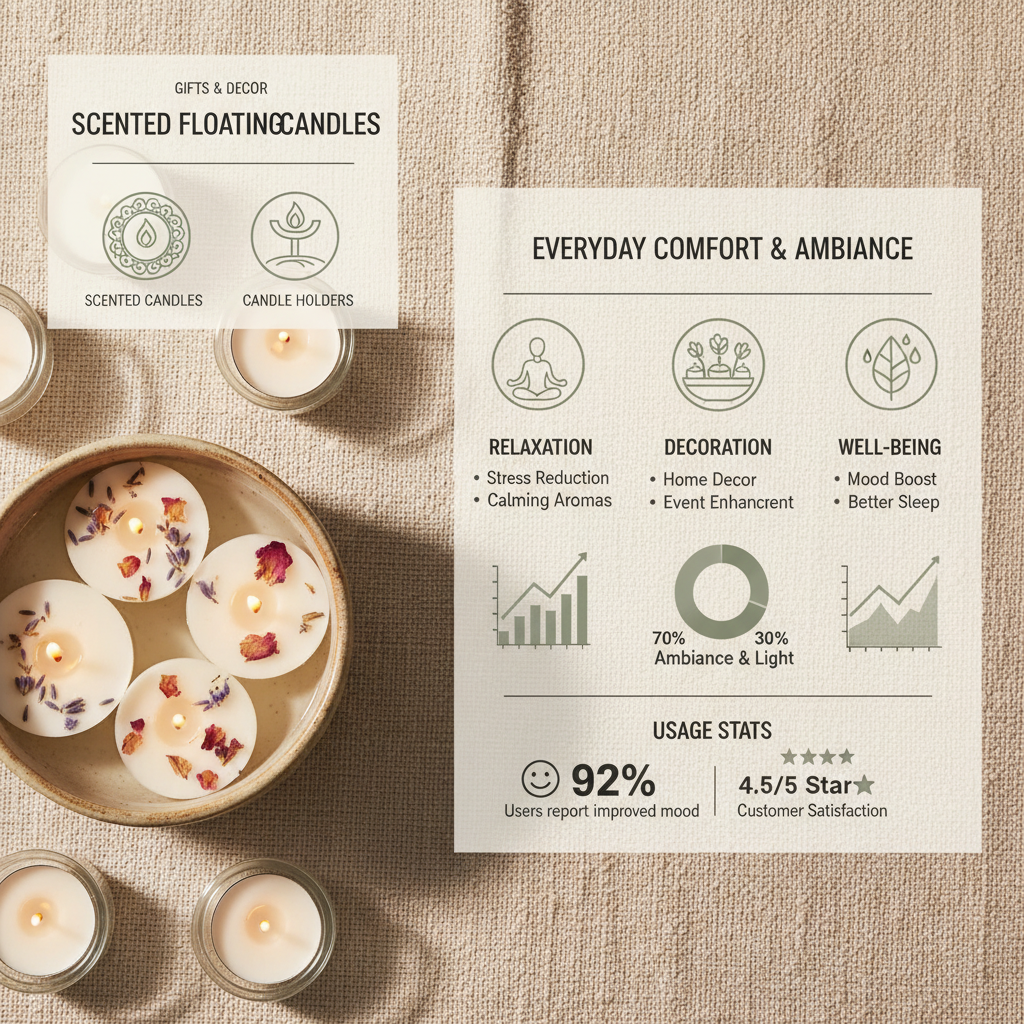
In the hospitality sector, scented floating candles are extensively used in luxury resorts across Southeast Asia and the Mediterranean to create welcoming atmospheres in lobby water features. By pairing scents like lemongrass or jasmine with the visual flow of water, hotels can induce a state of immediate relaxation for arriving guests, leveraging "olfactory branding" to leave a lasting impression.
Beyond hotels, these candles are staples in the high-end wedding industry, particularly for outdoor "floating altar" setups or centerpieces in glass bowls. In these contexts, the candles serve a dual purpose: they provide a romantic, flickering light that reflects off the water and a subtle scent that masks outdoor odors, ensuring the environment remains pristine and evocative throughout the event.
Long-Term Value and Sustainable Advantages
The long-term value of investing in premium scented floating candles lies in their ability to combine multiple sensory benefits into one product. From a cost-efficiency standpoint, a single floating candle can often scent a medium-sized room more effectively than an electric diffuser because the water acts as a heat sink, stabilizing the temperature of the wax and allowing for a slower, more consistent release of fragrance.
Sustainability is also becoming a core advantage. The industry is shifting toward biodegradable waxes and phthalate-free fragrances, reducing the carbon footprint of aromatic décor. By choosing plant-based wax blends, users can enjoy the luxury of floating scents without releasing harmful VOCs (Volatile Organic Compounds) into their indoor air, promoting a healthier living environment.
Furthermore, the emotional value of these products—providing dignity to a space through artful lighting—cannot be overstated. The act of lighting a floating candle is a ritual of mindfulness, transforming a mundane room into a sanctuary of peace. This psychological benefit creates a loyal consumer base that values the experience over the mere utility of the light.
Future Trends and Material Innovations
The future of scented floating candles is heading toward "smart fragrance" technology. Researchers are exploring micro-encapsulation techniques where fragrance oils are trapped in tiny spheres that break at different temperatures. This would allow a single floating candle to change its scent as it burns, transitioning from a refreshing citrus note to a calming lavender as the evening progresses.
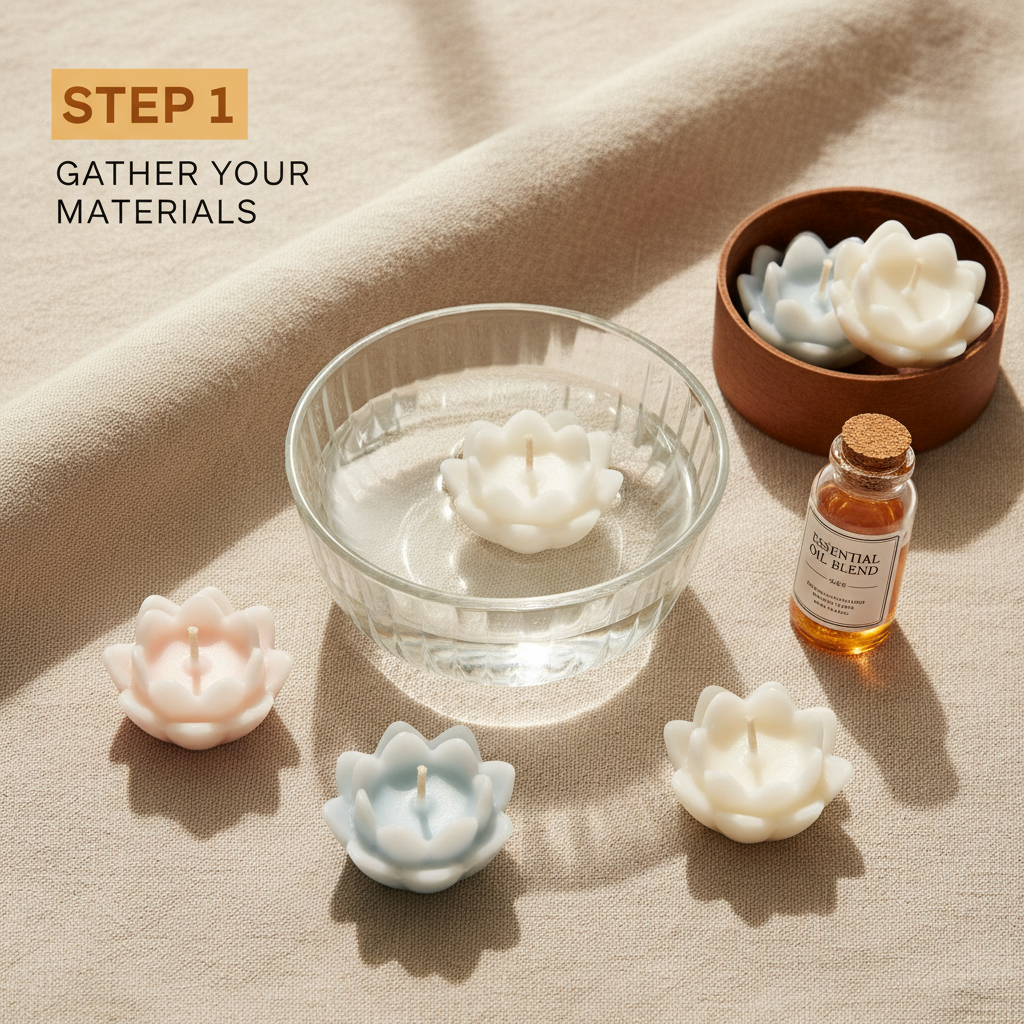
Additionally, there is a strong move toward automation in the manufacturing process to ensure 100% consistency in buoyancy. 3D printing of wax molds is allowing for more complex, organic shapes—such as lotus flowers or geometric crystals—that still maintain the perfect center of gravity for floating, expanding the aesthetic possibilities for interior designers.
Finally, the integration of "green energy" principles is leading to the development of candles that utilize recycled cooking oils purified through chemical catalysts. This not only solves a waste problem but also provides a sustainable base for aromatic products, aligning the luxury candle industry with global circular economy goals.
Analysis of Material Performance and Scent Quality in Floating Candles
|
Wax Material
|
Buoyancy Stability
|
Fragrance Throw
|
Eco-Rating (1-10)
|
| Pure Paraffin |
Very High |
Moderate |
3 |
| Soy-Paraffin Blend |
High |
High |
7 |
| 100% Natural Soy |
Moderate |
Very High |
9 |
| Beeswax Hybrid |
High |
Moderate |
8 |
| Coconut Wax |
Moderate |
High |
10 |
| Gel-Based Wax |
Very High |
Low |
5 |
FAQS
This usually happens due to an uneven burn rate or poor wax density. As the candle burns, the center of gravity shifts; if the wax melts too quickly on one side, water can seep into the core, increasing the weight and causing it to sink. High-quality candles use a stabilized wax blend to prevent this.
Yes, they are generally safe, provided they are placed in still water. However, we recommend using them in containers or controlled basins rather than open ponds to avoid wind interference. Always ensure the fragrance oils are non-toxic and biodegradable to protect the water quality.
To maximize scent throw, place your candles in a draft-free area. Water actually helps stabilize the temperature of the candle base, which can lead to a more consistent release of fragrance. Additionally, choosing candles with a higher percentage of essential oils will provide a more potent and lasting aroma.
No. Standard candles are often too dense or have a shape that makes them unstable on water. Floating candles are specifically engineered with a lower density and a wider base to ensure they remain buoyant and upright. Using a regular candle may result in it tipping over or sinking immediately.
Premium scented floating candles are formulated to keep the oils bound within the wax matrix. If a candle leaves a significant oil slick, it usually indicates a poor fragrance-to-wax bond. Our professional-grade candles are designed to burn cleanly without contaminating the water.
Since floating candles are made of wax, any remnants can be skimmed off the surface once they have cooled and solidified. For water used in decorative bowls, simply pour the water out and wipe the container with a mild soap to remove any remaining fragrance oils or wax residue.
Conclusion
Scented floating candles represent a sophisticated intersection of chemical engineering and artistic design, offering a unique way to enhance environmental ambiance through the synergy of light, water, and fragrance. By focusing on material density, fragrance load, and sustainable wax blends, these products provide significant value for both residential wellness and commercial luxury applications.
As we look toward the future, the shift toward eco-friendly materials and smart-scent technology will only increase the relevance of these sensory tools. Whether you are looking to elevate a corporate event or create a sanctuary at home, choosing high-performance floating candles is a strategic investment in atmospheric quality. Visit our website: www.ouniscandle.com