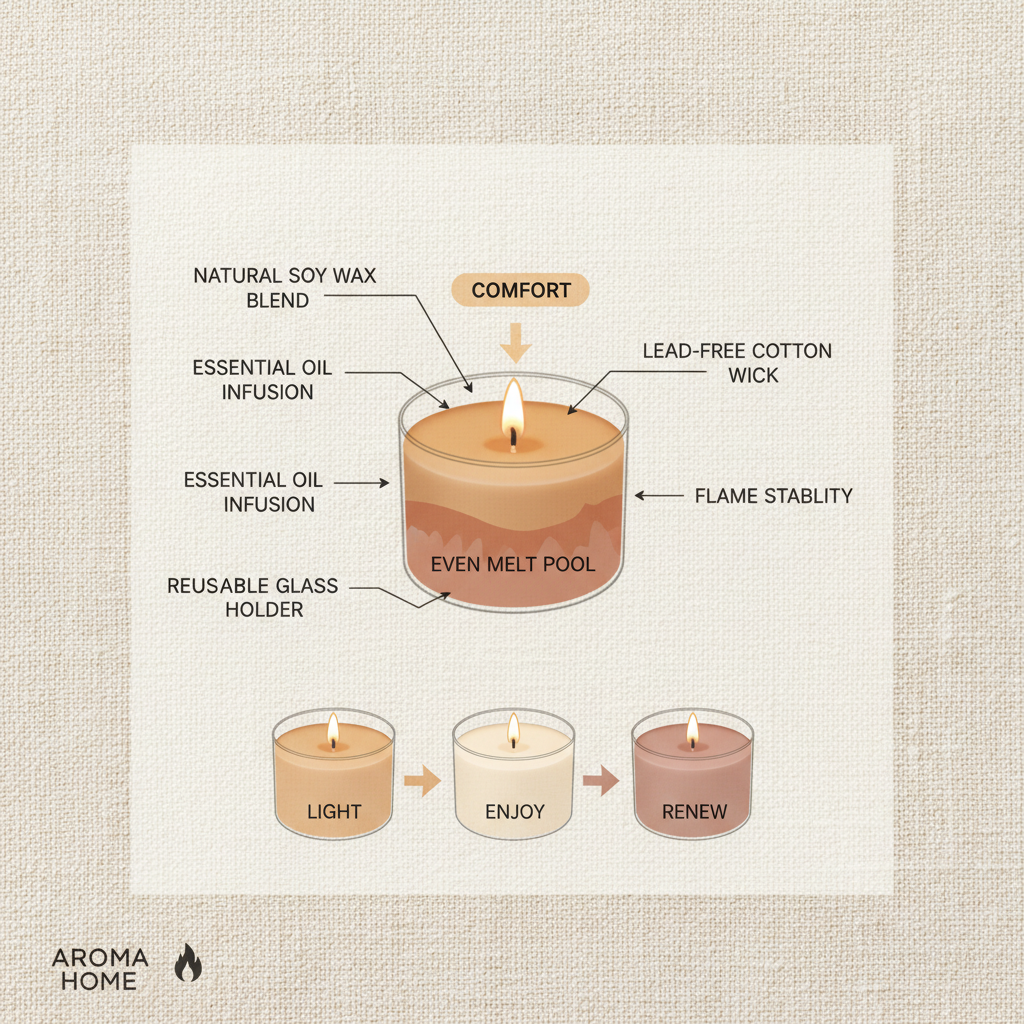
The global shift toward sustainable living has propelled soy wax scented candles from niche boutique items to mainstream household staples. As consumers become increasingly aware of the environmental impact of paraffin—a petroleum byproduct—the demand for renewable, plant-based alternatives has surged, transforming the home fragrance industry into a sanctuary of eco-conscious luxury.
Beyond their environmental credentials, these candles offer a superior sensory experience, characterized by a cleaner burn and a more effective scent throw. By leveraging the natural properties of hydrogenated soybean oil, manufacturers can create a product that not only enhances the ambiance of a room but also aligns with the health-conscious values of the modern consumer who seeks to eliminate toxins from their indoor air.
Understanding the nuances of soy wax production—from the selection of the soy source to the precise blending of aromatic essential oils—is crucial for both retailers and enthusiasts. This comprehensive guide explores why soy wax scented candles represent the gold standard in modern candle making and how they contribute to a healthier, more sustainable lifestyle.
The Environmental Impact of Soy Wax Scented Candles
The primary environmental advantage of soy wax scented candles lies in the biodegradability of their base material. Unlike paraffin wax, which is derived from non-renewable crude oil and can release volatile organic compounds (VOCs) into the atmosphere, soy wax is made from soybeans—a renewable agricultural resource. This transition significantly reduces the carbon footprint associated with the candle's lifecycle, from cultivation to combustion.
Furthermore, the production of soy wax is generally less energy-intensive than the refining processes required for petroleum-based waxes. By supporting the soy-based industry, consumers encourage agricultural practices that focus on renewable energy, reducing the global reliance on fossil fuels and promoting a circular economy where the end-of-life product returns to the earth without leaving harmful residues.
The Chemistry and Composition of Soy Wax
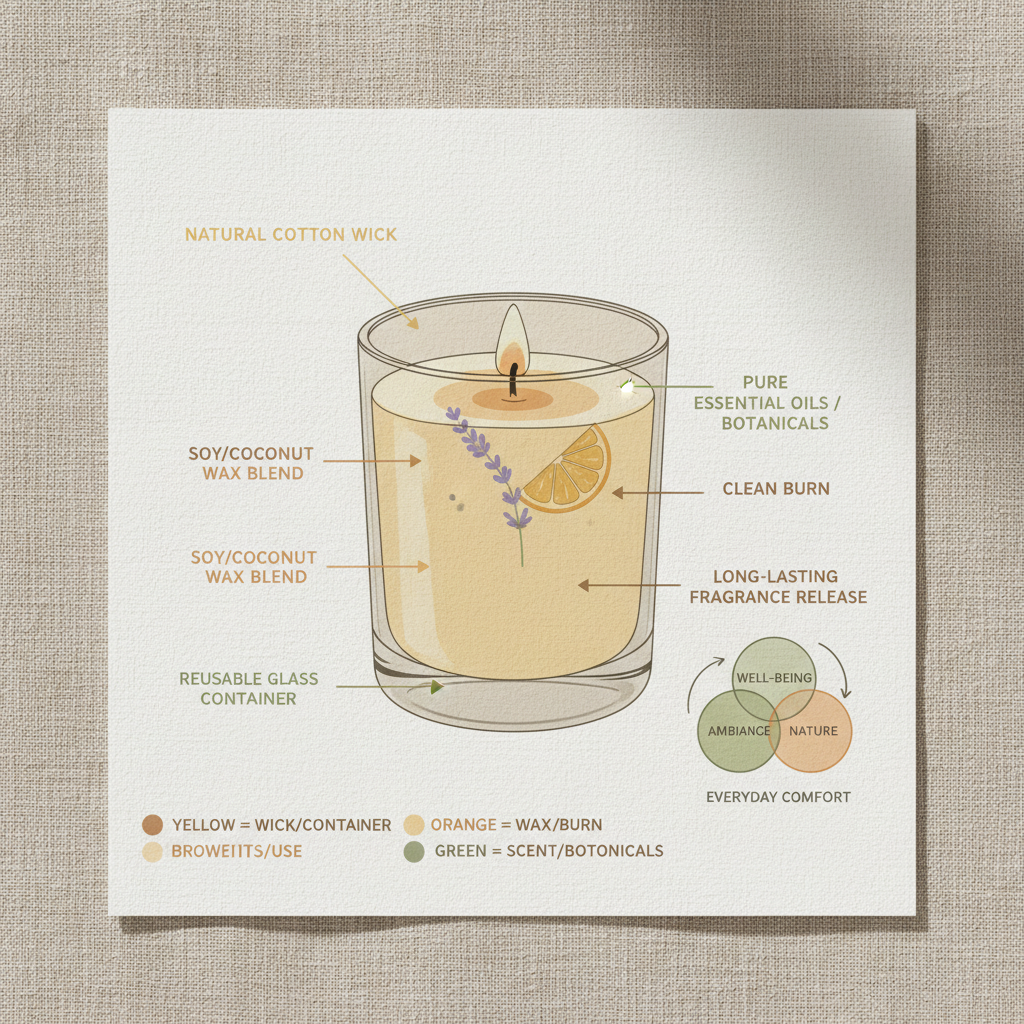
At its molecular core, soy wax is a triglyceride consisting of glycerol and fatty acids derived from soybean oil. To transform liquid oil into a solid wax suitable for candle making, the oil undergoes a process called hydrogenation. This chemical reaction saturates the carbon-carbon double bonds, increasing the melting point and creating a stable, creamy texture that holds fragrance oils more effectively than traditional waxes.
The unique crystalline structure of soy wax scented candles allows for a slower, cooler burn. Because soy wax has a lower melting point, it evaporates more slowly, which directly translates to a longer burn time. This thermodynamic property ensures that the fragrance is released gradually, preventing the "scent flash" common in cheaper alternatives.
Additionally, the compatibility of soy wax with essential oils is superior due to its polarity. The wax molecules form a cohesive matrix that traps fragrance molecules, releasing them steadily as the pool of melted wax expands. This results in a consistent aromatic profile that fills a room without becoming overwhelming or chemically acrid.
Health Benefits and Indoor Air Quality
One of the most compelling reasons to switch to soy wax scented candles is the significant improvement in indoor air quality. Paraffin candles are often criticized for emitting toluene and benzene—known carcinogens—when burned. In contrast, soy wax is non-toxic and produces significantly less soot, reducing the buildup of black carbon on walls and, more importantly, in the respiratory systems of inhabitants.
For individuals suffering from asthma, allergies, or chemical sensitivities, the purity of soy wax is a game-changer. Because it is plant-based and typically free from phthalates (when paired with high-quality fragrances), it minimizes the risk of triggering respiratory distress or headaches, making it a safe choice for homes with children, pets, and elderly residents.
Beyond the absence of toxins, the psychological impact of these candles contributes to overall wellness. The clean burn ensures that the olfactory experience is pure, allowing the therapeutic properties of essential oils—such as lavender for relaxation or eucalyptus for clarity—to be delivered without the interference of petroleum fumes, fostering a true sense of serenity and hygiene in the living space.
Performance Metrics and Burn Efficiency
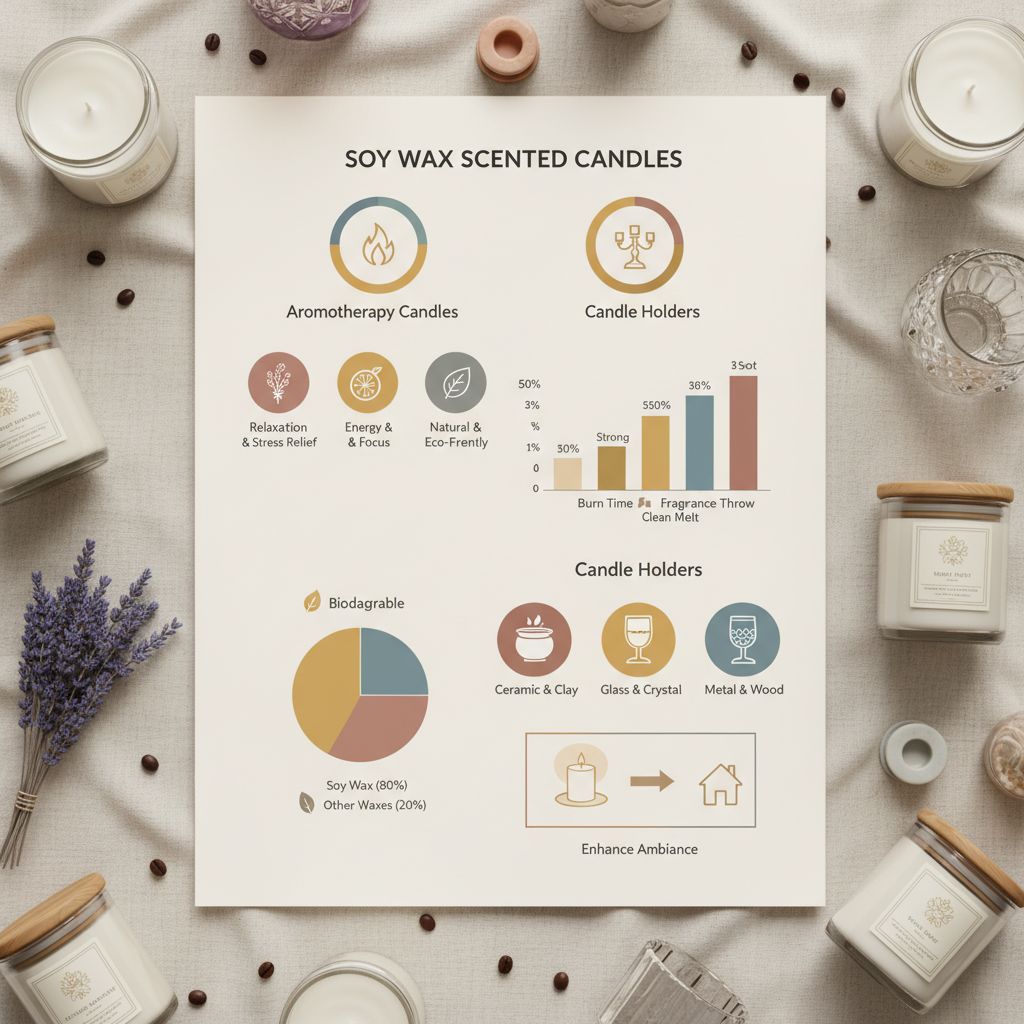
When analyzing the performance of soy wax scented candles, two metrics stand out: burn rate and scent throw. Burn rate refers to how quickly the wax is consumed; soy wax typically burns 30-50% slower than paraffin. This efficiency not only provides better value for the consumer but also reduces the frequency of candle replacements, further lowering waste.
Scent throw is categorized into "cold throw" (the smell of the candle when unlit) and "hot throw" (the smell when burning). While paraffin often has a stronger initial cold throw, soy wax provides a more sophisticated and natural hot throw that permeates the room more evenly, avoiding the sharp, artificial peaks associated with synthetic wax blends.
Comparative Performance of Soy Wax Scented Candle Variants
Global Market Applications and Use Cases
The application of soy wax scented candles extends far beyond residential living rooms. In the hospitality industry, high-end hotels and luxury spas are increasingly adopting soy-based fragrance systems to maintain a premium atmosphere without compromising the air quality for guests. By using soy wax, these establishments signal a commitment to wellness and sustainability, which is a key deciding factor for modern travelers.
Furthermore, the therapeutic and wellness sectors utilize these candles in mindfulness practices and aromatherapy clinics. Because soy wax burns cleanly, it is the preferred medium for diffusing essential oils during meditation or massage therapy, where the purity of the scent is paramount to the efficacy of the treatment. From urban apartments in New York to boutique wellness retreats in Bali, the versatility of soy wax makes it a global favorite.
Sustainable Sourcing and Ethical Production
The integrity of soy wax scented candles depends heavily on the sourcing of the soybeans. Ethical production involves using non-GMO soybeans and ensuring that the farming practices do not contribute to deforestation, particularly in sensitive regions like the Amazon. Certified sustainable soy ensures that the environmental benefits of the final product are not negated by the ecological cost of its raw materials.
Moreover, the manufacturing process for soy candles allows for smaller-scale, artisanal production. Many independent makers are shifting toward soy wax because it is safer to handle in home studios compared to industrial paraffin. This has led to a boom in "slow commerce," where transparency in the supply chain and craftsmanship are prioritized over mass production.
From a waste management perspective, soy wax is significantly easier to clean up. Because it is water-soluble (when mixed with soap), accidental spills can be managed without the need for harsh chemical solvents. This practical advantage reinforces the product's overall profile as a consumer-friendly and earth-friendly alternative.
Future Innovations in Plant-Based Fragrances
The future of soy wax scented candles is being shaped by advancements in biotechnology and material science. We are seeing the rise of "hybrid plant waxes," where soy is blended with coconut, rapeseed, or apricot wax to fine-tune the hardness and fragrance load. These innovations aim to eliminate common issues like "frosting" (the white crystalline structure that forms on soy candles) while maintaining a 100% renewable profile.
Digital transformation is also playing a role, with smart-scent technology integrating with soy-based melts to release specific fragrances based on the time of day or the user's mood. Additionally, the industry is moving toward "zero-waste" packaging, utilizing seed-embedded labels and infinitely recyclable glass holders, ensuring that the candle's footprint is truly neutral.
As global regulations on VOC emissions tighten, the industry will likely see a total phase-out of petroleum waxes in favor of soy and other bio-waxes. The integration of AI in fragrance formulation is also allowing brands to create personalized scents that interact perfectly with the soy wax matrix, providing a bespoke olfactory experience tailored to individual psychological needs.
Comparative Analysis of Soy Wax Variants and Performance
| Wax Variant |
Burn Duration |
Scent Throw |
Eco-Rating |
| 100% Pure Soy |
Excellent (High) |
Moderate-High |
10/10 |
| Soy-Coconut Blend |
Very Good |
Excellent |
9/10 |
| Soy-Beeswax Blend |
Superior (Highest) |
Moderate |
9/10 |
| Soy-Paraffin Mix |
Moderate |
Very High |
5/10 |
| Aromatherapy Soy |
Good |
Pure/Natural |
10/10 |
| Industrial Soy Wax |
Moderate |
Consistent |
7/10 |
FAQS
Soy wax is derived from a renewable resource (soybeans), whereas paraffin is a byproduct of petroleum. This makes soy wax more eco-friendly. Additionally, soy wax burns cleaner, producing significantly less soot and eliminating the release of toxic chemicals like toluene, which improves indoor air quality and health.
Yes, generally they do. Soy wax has a lower melting point than paraffin, meaning it burns at a lower temperature and consumes the wax more slowly. This typically results in a burn time that is 30% to 50% longer than that of a comparable paraffin candle.
While paraffin can sometimes produce a more intense "instant" scent (cold throw), soy wax provides a more natural and consistent scent throw when lit. Because it is more compatible with essential oils, the fragrance is released more smoothly and is often perceived as less artificial and more sophisticated.
Frosting is the appearance of white crystalline structures on the surface or sides of the candle. It is a natural characteristic of 100% soy wax and is not a defect. It occurs due to the wax contracting as it cools and is actually a sign that the candle is made from pure soy wax without synthetic additives.
Generally, yes. Because they are plant-based and produce minimal soot, they are safer for the respiratory systems of children and pets. However, it is always recommended to ensure the fragrances used are phthalate-free and to keep all candles under supervision to prevent accidents.
To avoid "tunneling," always allow the wax pool to melt completely to the edges of the container during the first burn. Additionally, trim the wick to about 1/4 inch before every use to ensure a steady flame and minimize any possible soot production.
Conclusion
In summary, soy wax scented candles represent a perfect intersection of luxury, health, and environmental responsibility. By replacing petroleum-based waxes with renewable soybean oil, these candles provide a cleaner burn, superior longevity, and a safer indoor environment. From their molecular efficiency in fragrance delivery to their role in promoting sustainable agriculture, soy wax has redefined the standards of the home fragrance industry.
Looking forward, the continued innovation in plant-based waxes and ethical sourcing will only further solidify the dominance of soy-based products. For consumers and businesses alike, investing in soy wax is more than just a choice of fragrance—it is a commitment to a healthier lifestyle and a more sustainable planet. We invite you to experience the purity and elegance of premium plant-based candles. Visit our website: www.ouniscandle.com