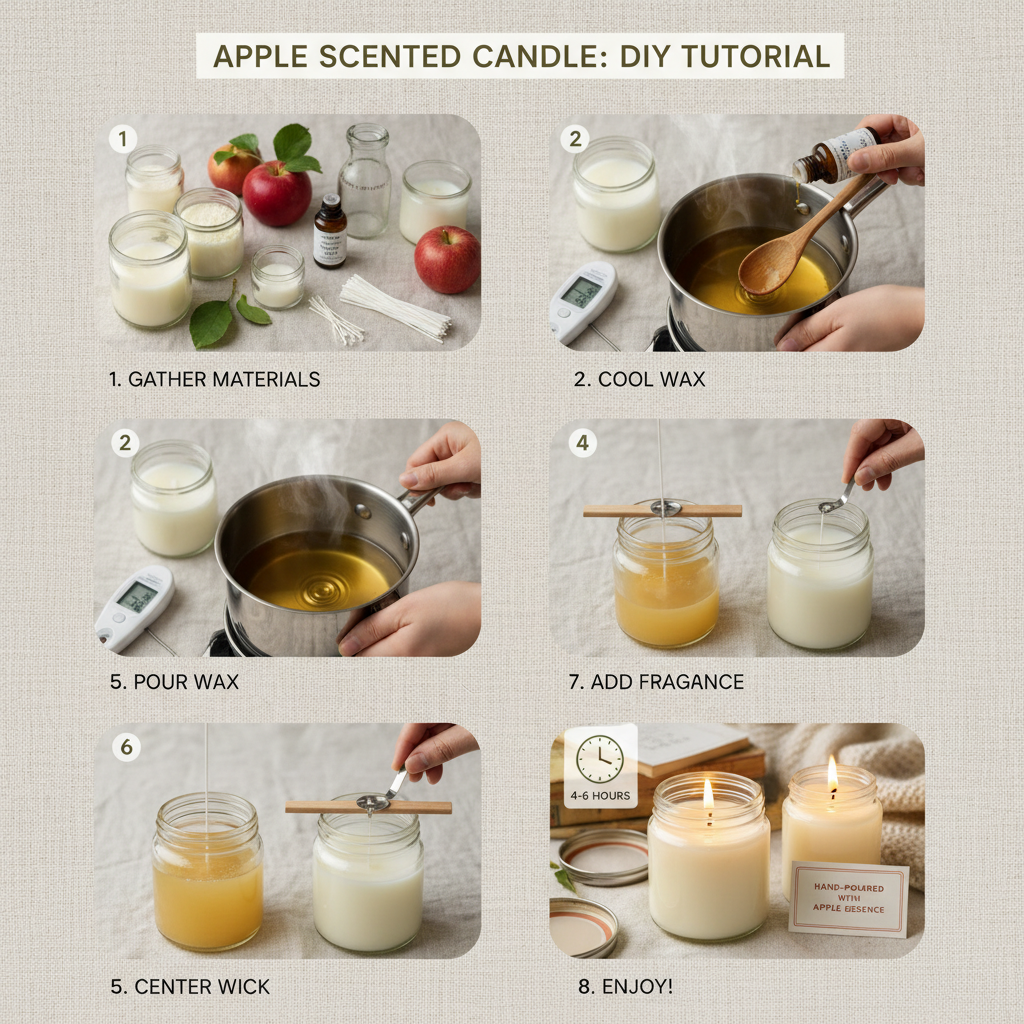
Scented soy candles have become a global phenomenon, increasingly popular as consumers seek natural, sustainable, and aromatherapeutic alternatives to traditional paraffin wax candles. The demand is driven by a growing awareness of health and environmental concerns, coupled with a desire for enhanced well-being and ambiance in the home. From bustling metropolitan cities to remote rural communities, the comforting glow and inviting scents of these candles offer a universal appeal, transforming spaces and elevating everyday experiences.
The global candle market is a multi-billion dollar industry, with scented candles representing a significant and rapidly expanding segment. According to recent market research, the demand for soy wax candles is outpacing that of paraffin wax, reflecting a shift towards eco-conscious purchasing habits. This trend is particularly pronounced in North America and Europe, but is gaining momentum in Asia-Pacific and Latin America. The key driver is the perception of soy wax as a cleaner, renewable, and biodegradable option.
Understanding the nuances of scented soy candles – from sourcing high-quality wax to selecting complementary fragrance oils and ensuring proper burning techniques – is essential for both consumers and businesses alike. The rising popularity also presents challenges, including ensuring ethical sourcing of materials, maintaining consistent quality, and addressing potential allergen concerns. Ultimately, the power of scented soy candles lies in their ability to create a positive sensory experience while aligning with a growing desire for sustainability and mindful living.
The Essence of Scented Soy Candles
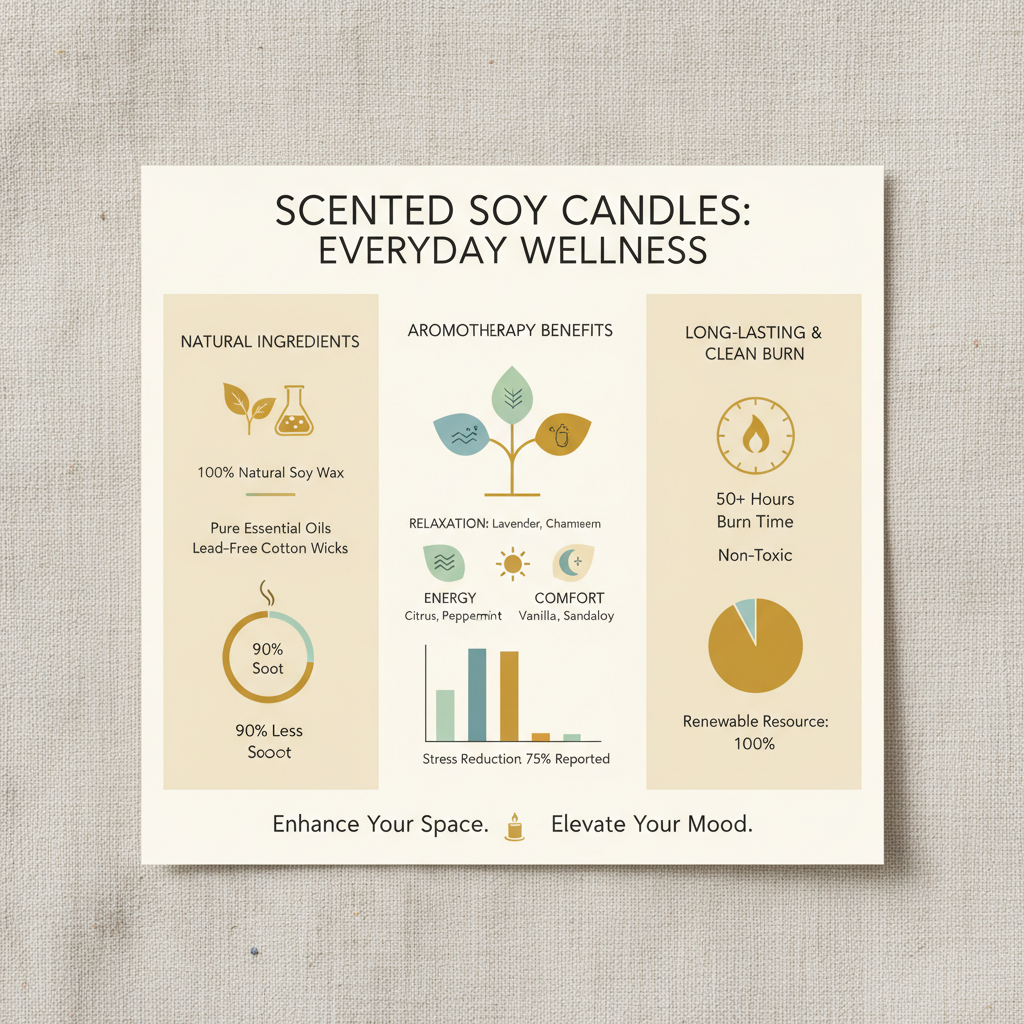
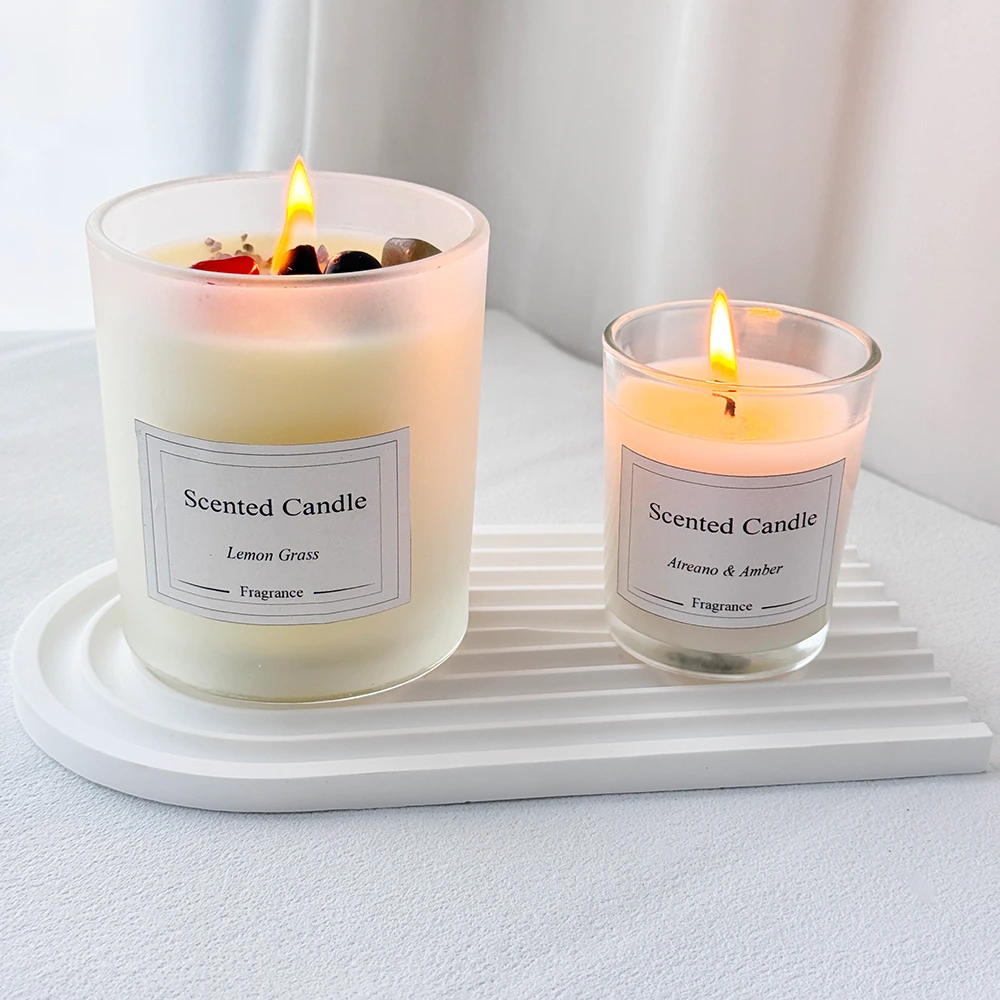
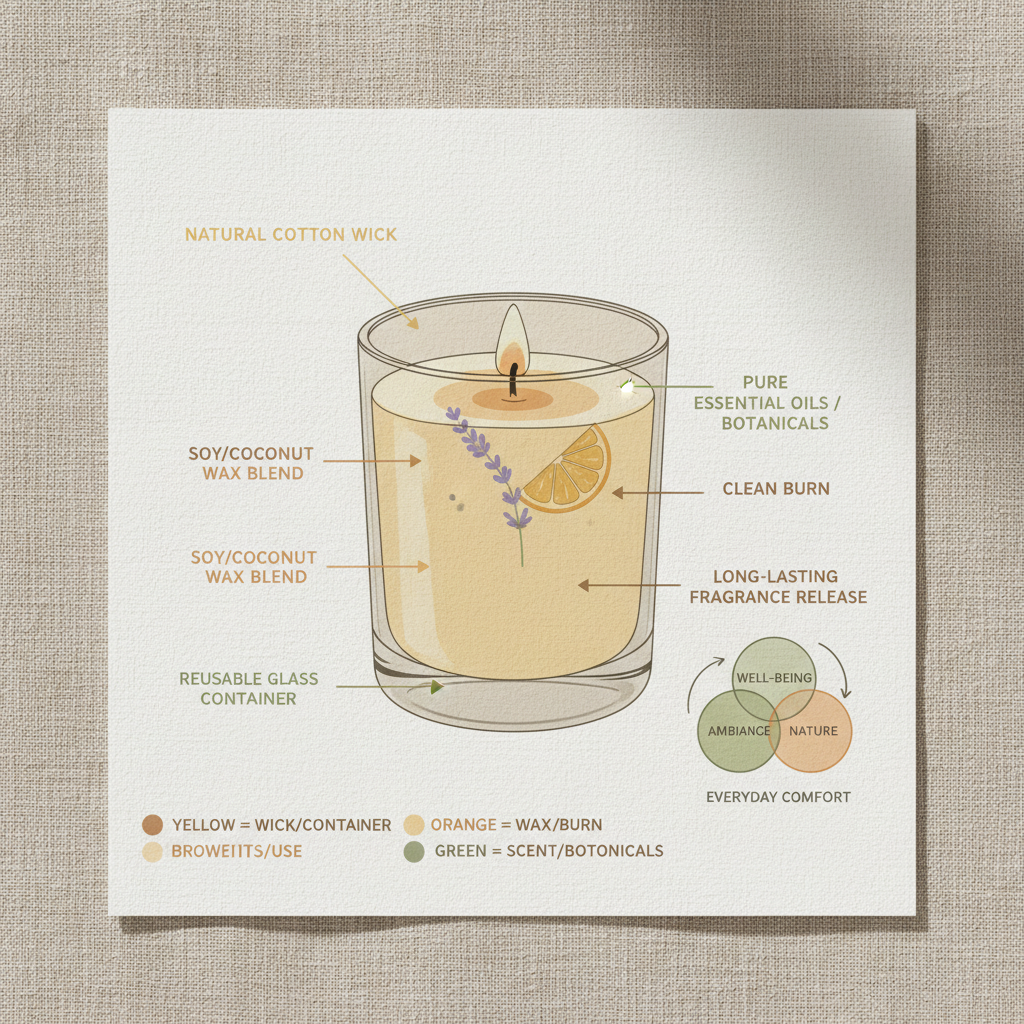
Scented soy candles represent more than just a source of light; they are vessels of aroma, carefully crafted to evoke emotions, enhance environments, and promote well-being. The unique appeal lies in the combination of natural soy wax – a renewable resource derived from soybean oil – and meticulously selected fragrance oils. This creates a cleaner burn, a longer lasting scent throw, and a significantly reduced environmental impact compared to traditional paraffin wax candles.
The process of creating a quality scented soy candle involves a delicate balance between wax type, fragrance load (the percentage of fragrance oil added), wick selection, and pouring temperature. Understanding these elements is crucial for achieving optimal performance – a consistent burn, a strong and even scent diffusion, and a visually appealing aesthetic. scented soy candles cater to a growing consumer base seeking sustainable and ethically produced products.
Global Relevance and Market Trends
The global demand for scented soy candles is fueled by several key trends, including a heightened focus on wellness, an increasing interest in aromatherapy, and a growing consumer preference for eco-friendly products. Market research indicates a consistent year-over-year growth rate, driven largely by the demand for natural and sustainable alternatives to traditional candles. North America currently dominates the market, followed by Europe and Asia-Pacific.
The rise of e-commerce has significantly broadened the reach of scented soy candles, allowing smaller artisanal businesses to compete with larger established brands. Social media platforms, particularly Instagram and Pinterest, have played a crucial role in driving awareness and shaping consumer preferences. Consumers are increasingly seeking out unique scents, aesthetically pleasing packaging, and brands that align with their values.
The COVID-19 pandemic further accelerated the growth of the scented soy candle market as people spent more time at home and sought ways to create a comforting and relaxing atmosphere. This trend is expected to continue as consumers prioritize self-care and home ambiance.
Defining Scented Soy Candles: A Modern Necessity
Scented soy candles are candles made primarily from soy wax – a vegetable wax derived from soybean oil – and infused with fragrance oils to create a desired scent. Unlike paraffin wax, which is a byproduct of petroleum refining, soy wax is renewable, biodegradable, and burns cleaner, producing less soot. This makes them a more environmentally friendly and health-conscious choice.
The connection to modern industry is multifaceted. Beyond the direct candle manufacturing sector, it impacts soybean farmers, fragrance oil producers, packaging suppliers, and the retail industry. The demand for sustainable products is driving innovation in wax production, scent creation, and packaging materials. Furthermore, the use of aromatherapy in scented soy candles connects them to the wellness industry, offering consumers a natural way to enhance their mood and reduce stress.
In an increasingly conscious world, scented soy candles are no longer considered a luxury, but a modern necessity – a small, affordable indulgence that contributes to a healthier lifestyle and a more sustainable future. Their growing popularity highlights a broader societal shift towards mindful consumption and a desire for products that align with personal values.
Key Factors Influencing Scented Soy Candle Quality
The quality of a scented soy candle is determined by a combination of factors, starting with the quality of the soy wax itself. Choosing a 100% soy wax, rather than a blend with paraffin, ensures a cleaner burn and better scent throw. The fragrance oil used is equally important; high-quality fragrance oils are formulated to be compatible with soy wax and to provide a lasting, true-to-scent aroma.
Wick selection is critical for ensuring a consistent and even burn. The size and type of wick must be carefully matched to the diameter of the candle and the type of fragrance oil used. An improperly sized wick can lead to tunneling (where the candle burns down the center, leaving wax around the edges) or excessive smoking.
Scented Soy Candle Quality Assessment
Global Applications & Diverse Use Cases
Scented soy candles are utilized in a wide range of settings, from personal homes to luxury spas and hotels. The aromatherapy benefits make them popular in wellness centers and yoga studios, creating a relaxing and calming atmosphere. Retail establishments often use them to create a welcoming and inviting ambiance, enhancing the customer experience.
In the hospitality industry, scented soy candles are frequently used to freshen rooms, mask odors, and create a memorable impression for guests. Event planners utilize them for weddings, parties, and corporate events, adding a touch of elegance and sophistication.
Advantages and Long-Term Value Proposition
The advantages of using scented soy candles extend beyond their pleasant aroma. Soy wax is a renewable resource, making them a more sustainable option compared to paraffin wax. They burn cleaner, producing less soot and toxins, which is better for indoor air quality. The longer burn time of soy wax candles also translates to a better value for consumers.
Beyond the practical benefits, scented soy candles offer emotional value. The act of lighting a candle can be a ritual, promoting relaxation and mindfulness. The carefully curated scents can evoke memories, create a sense of calm, and enhance overall well-being.
Future Trends & Innovations in the Industry
Several emerging trends are shaping the future of the scented soy candle industry. Sustainable packaging solutions, such as reusable containers and biodegradable labels, are gaining popularity. There’s increasing demand for personalized scents, allowing consumers to create custom fragrance blends.
Innovations in wax technology are also underway, with research focusing on enhancing scent throw and improving burn consistency. The integration of smart home technology, such as remotely controlled candle warmers and scent diffusers, is also being explored.
Addressing Challenges and Exploring Solutions
One of the primary challenges facing the scented soy candle industry is maintaining consistent quality and sourcing ethical materials. Ensuring the soy wax is sustainably sourced and the fragrance oils are free from harmful chemicals is crucial for preserving the integrity of the product. Another challenge is managing costs, as soy wax is typically more expensive than paraffin wax.
Solutions include establishing transparent supply chains, investing in research and development to optimize wax formulations, and exploring innovative packaging materials. Collaborations between candle makers, fragrance oil suppliers, and soybean farmers can help to foster sustainability and promote ethical practices.
Ultimately, prioritizing quality, sustainability, and ethical sourcing is essential for ensuring the long-term success of the scented soy candle industry and maintaining consumer trust.
Comparative Analysis of Scented Soy Candle Attributes
| Wax Type |
Fragrance Load |
Burn Time (Hours) |
Soot Production (Scale 1-10) |
| 100% Soy Wax |
8-10% |
50-60 |
2 |
| Soy Wax Blend (50/50) |
6-8% |
40-50 |
4 |
| Paraffin Wax |
6-12% |
30-40 |
7 |
| Beeswax Blend (Soy/Beeswax) |
7-9% |
55-65 |
3 |
| Coconut Wax Blend (Soy/Coconut) |
9-11% |
60-70 |
1 |
| Palm Wax |
8-10% |
45-55 |
5 |
FAQS
Soy wax is derived from soybeans, making it a renewable and biodegradable resource. It burns cleaner and produces less soot than paraffin wax, which is a byproduct of petroleum refining. Soy wax also holds fragrance oil better, resulting in a stronger scent throw. Choosing soy wax is a more sustainable and health-conscious option.
To ensure a clean burn, always trim the wick to ¼ inch before lighting. Allow the candle to burn long enough for the entire top layer of wax to melt evenly, creating a full melt pool. Avoid burning the candle for more than 4 hours at a time. Following these guidelines will minimize soot and maximize the candle’s lifespan.
While soy wax itself is generally hypoallergenic, fragrance oils can contain allergens. Always check the fragrance ingredient list if you have known allergies. Look for candles made with natural essential oils or phthalate-free fragrance oils. If you experience any adverse reactions, discontinue use immediately.
Store scented soy candles in a cool, dark, and dry place away from direct sunlight and heat. Keep them in an airtight container when not in use to prevent the fragrance from dissipating. Avoid storing them in areas with strong odors, as the wax can absorb those scents.
Fragrance load refers to the percentage of fragrance oil added to the wax. A higher fragrance load generally results in a stronger scent throw, but there's a limit. Too much fragrance oil can prevent the candle from burning properly. The optimal fragrance load for soy wax is typically between 6-10%.
Look for candles made with 100% soy wax and high-quality fragrance oils. Check for an even burn and a strong, true-to-scent aroma. A well-made candle will have a smooth, consistent appearance and a clean finish. Also, consider the packaging and labeling, as reputable brands typically prioritize quality and transparency.
Conclusion
Scented soy candles offer a harmonious blend of sustainability, wellness, and ambiance. Their increasing popularity reflects a growing consumer demand for products that are both environmentally responsible and personally enriching. From their renewable origins to their aromatherapy benefits and long-lasting fragrance, they represent a sophisticated and conscious choice for creating inviting and relaxing spaces.
As the industry continues to innovate, we can expect to see further advancements in wax technology, fragrance creation, and packaging solutions. By prioritizing quality, sustainability, and ethical sourcing, the scented soy candle industry can continue to thrive, enhancing our lives and contributing to a more mindful and harmonious world. Explore our collection of premium scented soy candles today and discover the difference!