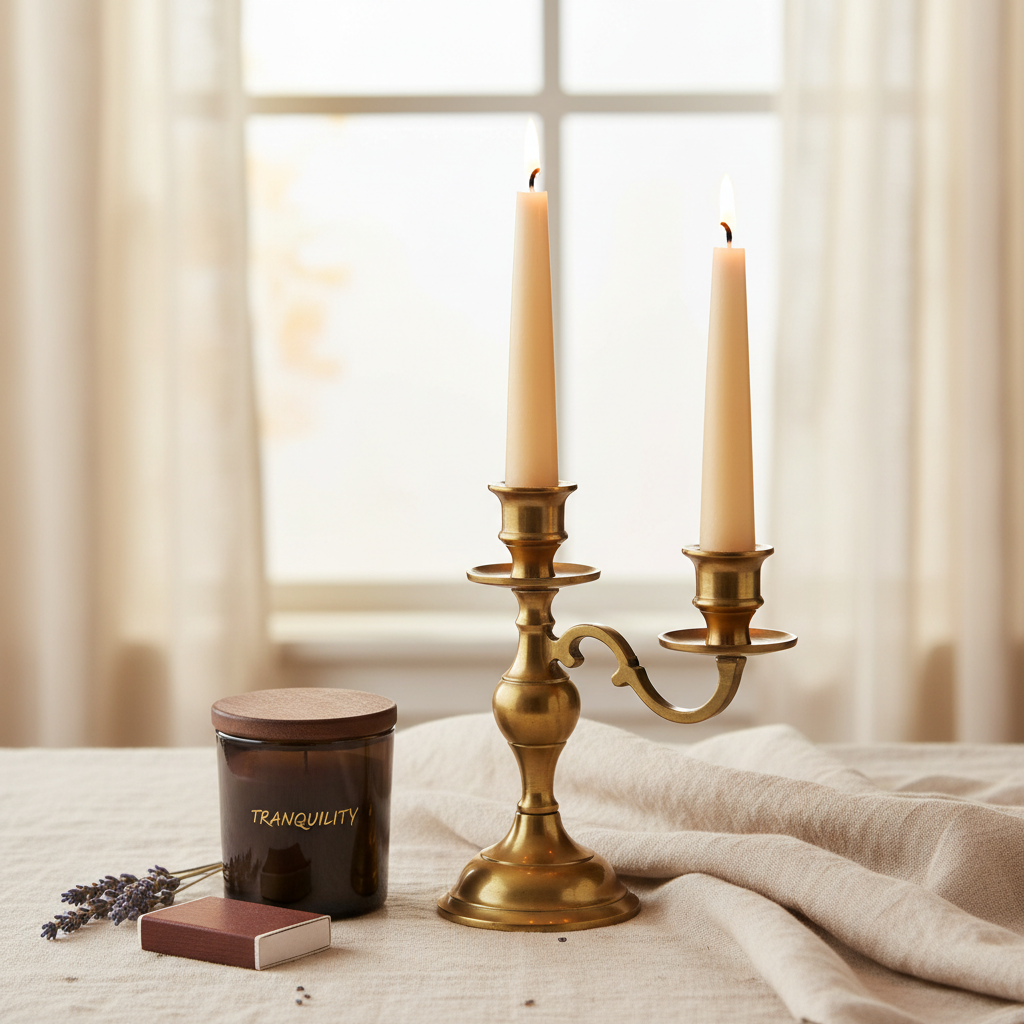
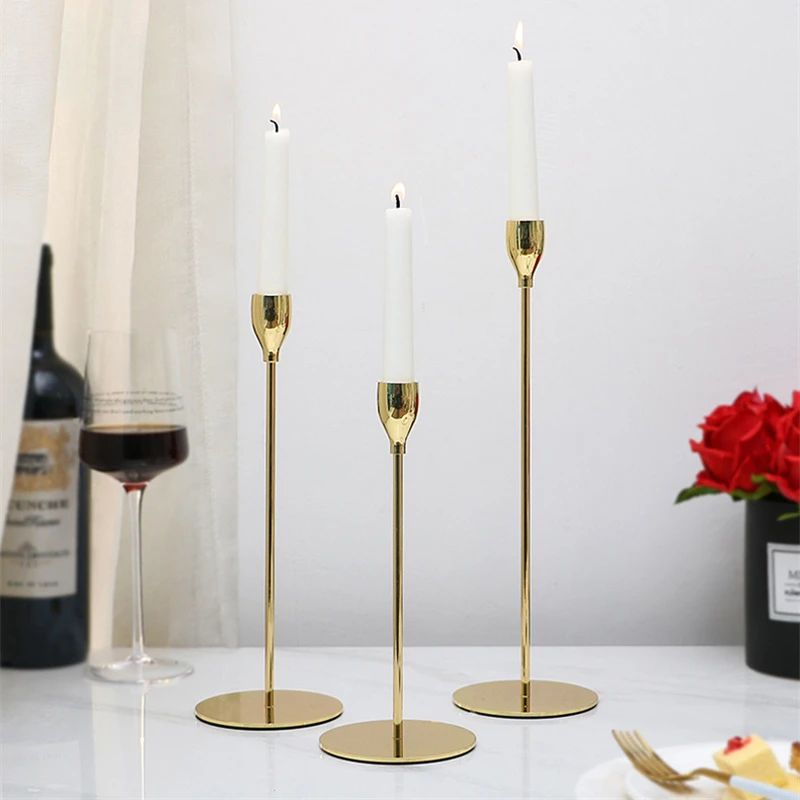
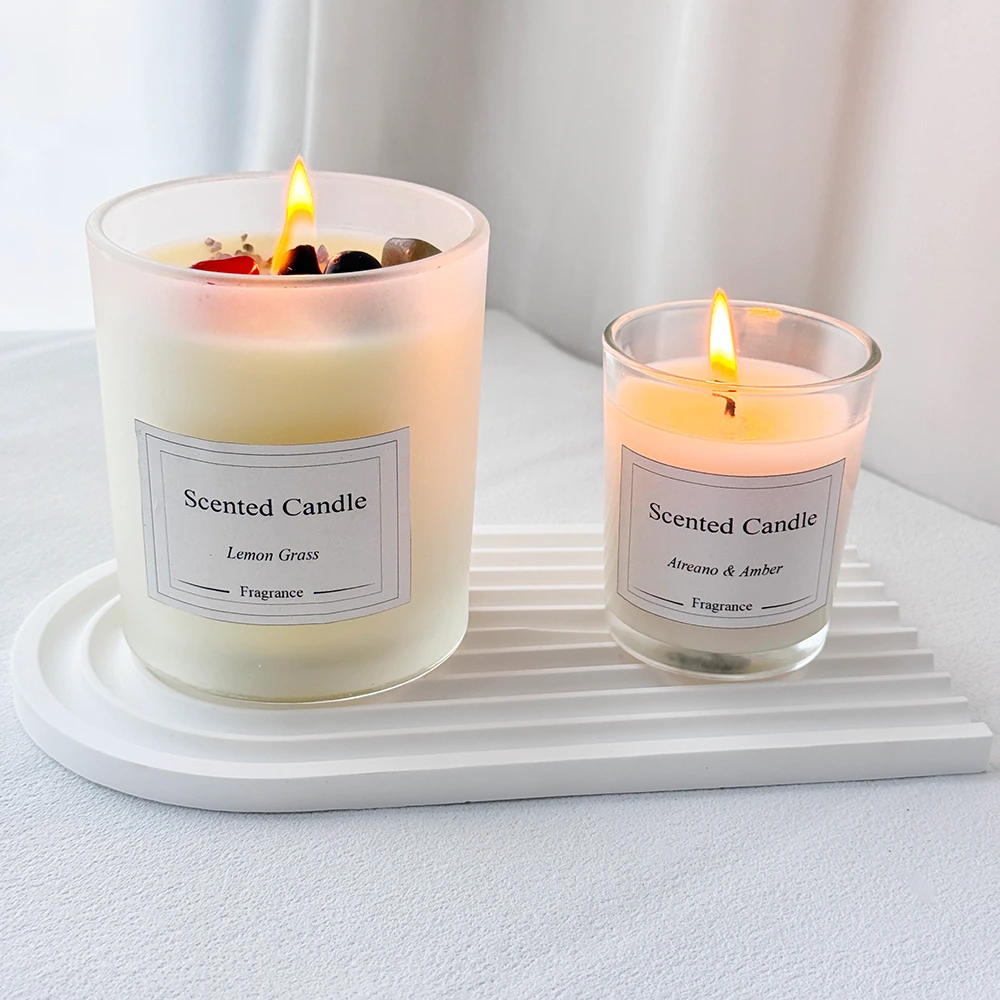
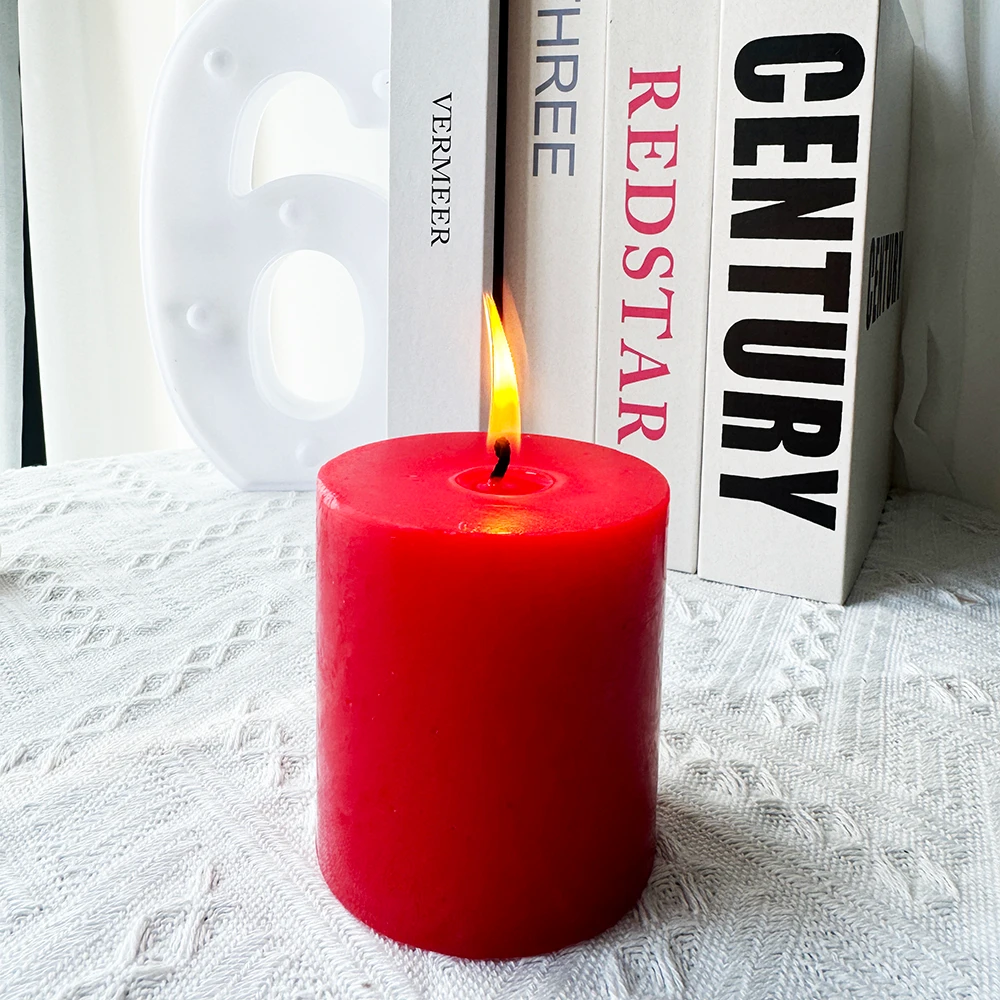
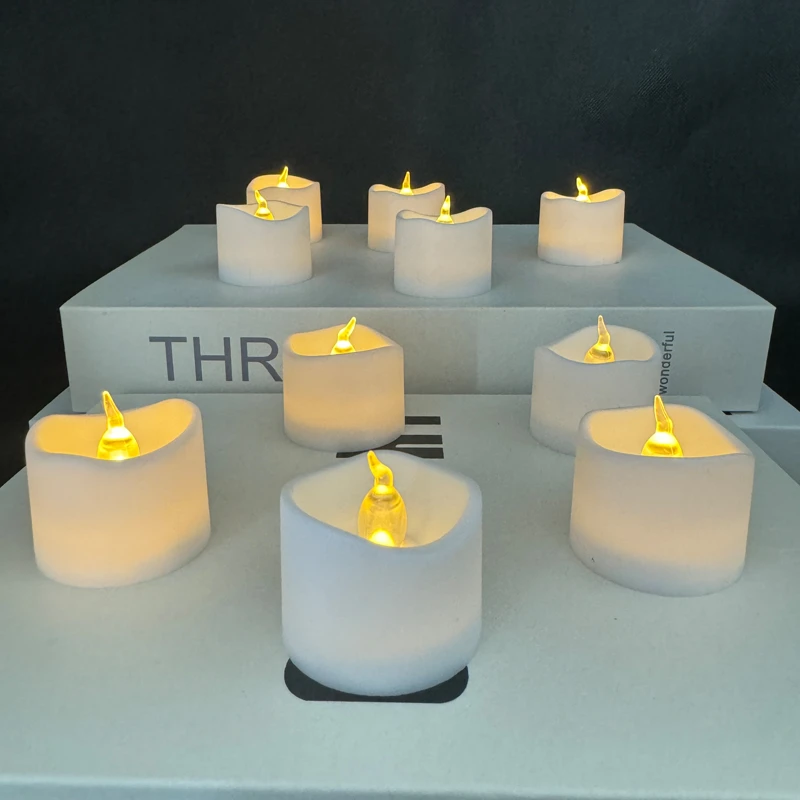
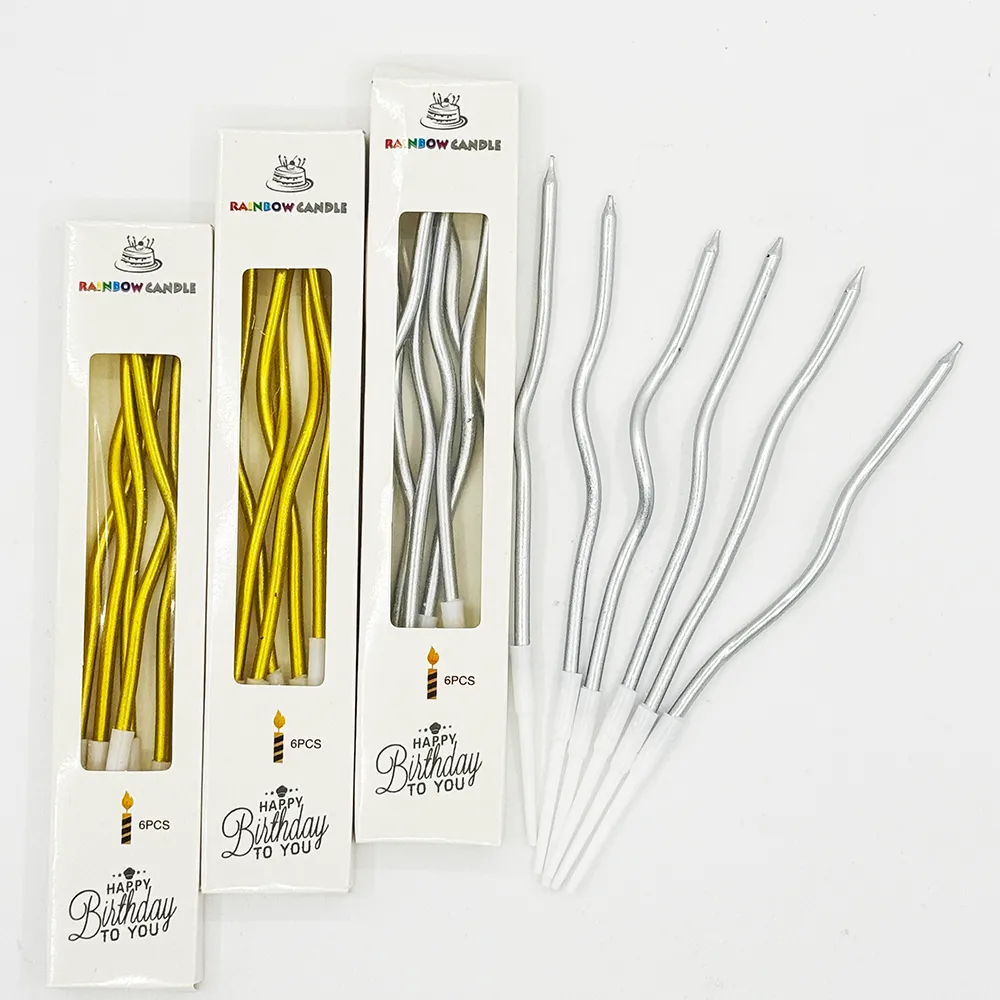
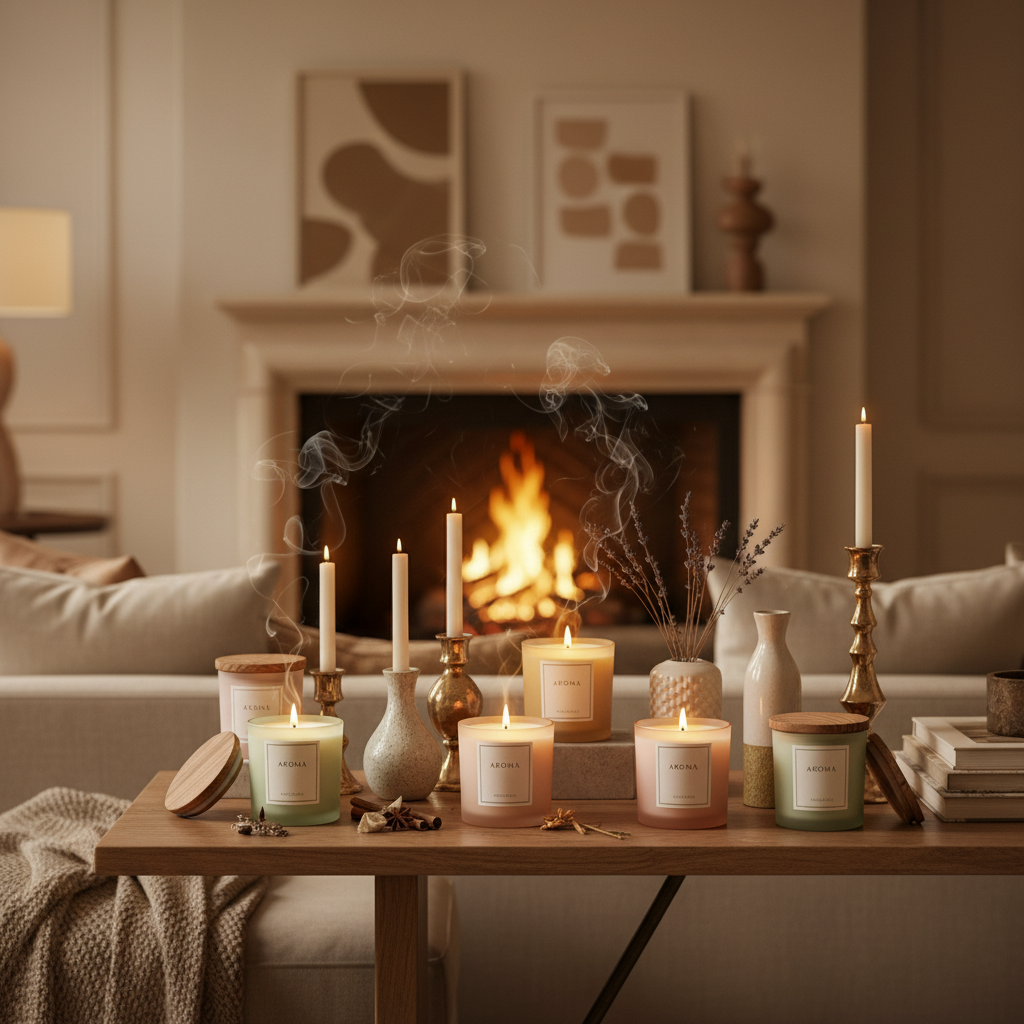
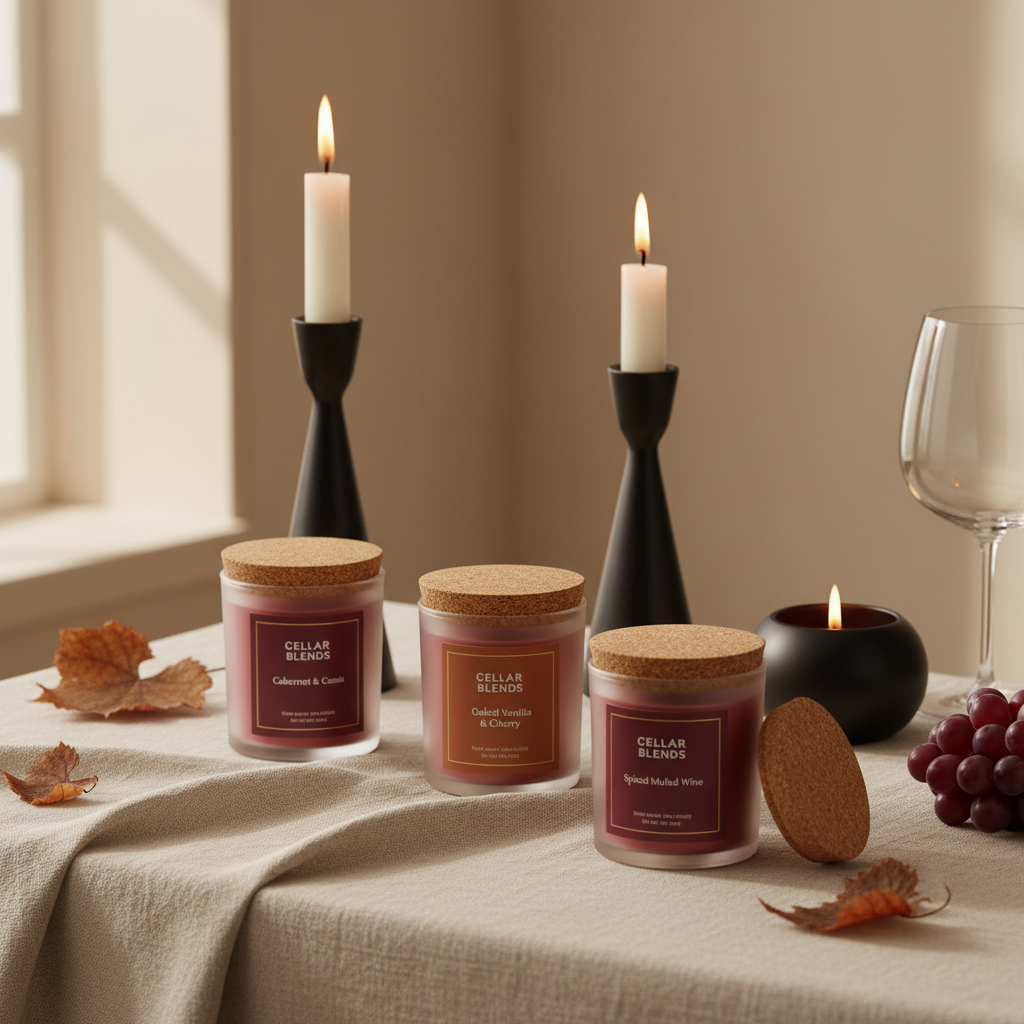
Creating the perfect dining atmosphere often transcends the menu itself, relying heavily on the sensory experience to set the mood. scented dinner candles serve as a pivotal element in this alchemy, blending visual warmth with olfactory triggers that can stimulate appetite and evoke emotional intimacy. By carefully selecting the right fragrance and wax composition, hosts can transform a simple meal into a memorable event.
On a global scale, the demand for premium home fragrance products has surged as people increasingly prioritize "wellness at home." The integration of aromatic elements into dinner settings is no longer just about luxury; it is about creating a psychological sanctuary. Whether it is a romantic date or a formal corporate gathering, the right scent profile can reduce stress and foster a sense of welcome and belonging among guests.
However, the challenge lies in balancing the strength of the fragrance so it complements rather than overpowers the aroma of the food. This requires a sophisticated understanding of chemical compositions and scent throw, ensuring that the scented dinner candles enhance the culinary experience without interfering with the taste buds, a delicate balance that defines high-end candle manufacturing.
The Global Significance of Scented Dinner Candles
In the contemporary global market, the use of scented dinner candles has evolved from a simple decorative choice to a sophisticated tool for mood management. According to industry trends in the home fragrance sector, there is a marked shift toward "clean scents" that align with ISO standards for safety and environmental impact. This global trend reflects a broader movement toward mindful living, where the atmosphere of the dining room is treated as an extension of personal wellbeing.
The industrial production of these candles now incorporates advanced chemical engineering to ensure a steady burn rate and a consistent scent release. This precision is crucial for international hospitality brands that require a uniform sensory experience across different geographical locations, ensuring that a dinner in Paris feels as curated as one in New York through the strategic use of aromatic lighting.
Defining Quality in Scented Dinner Candles
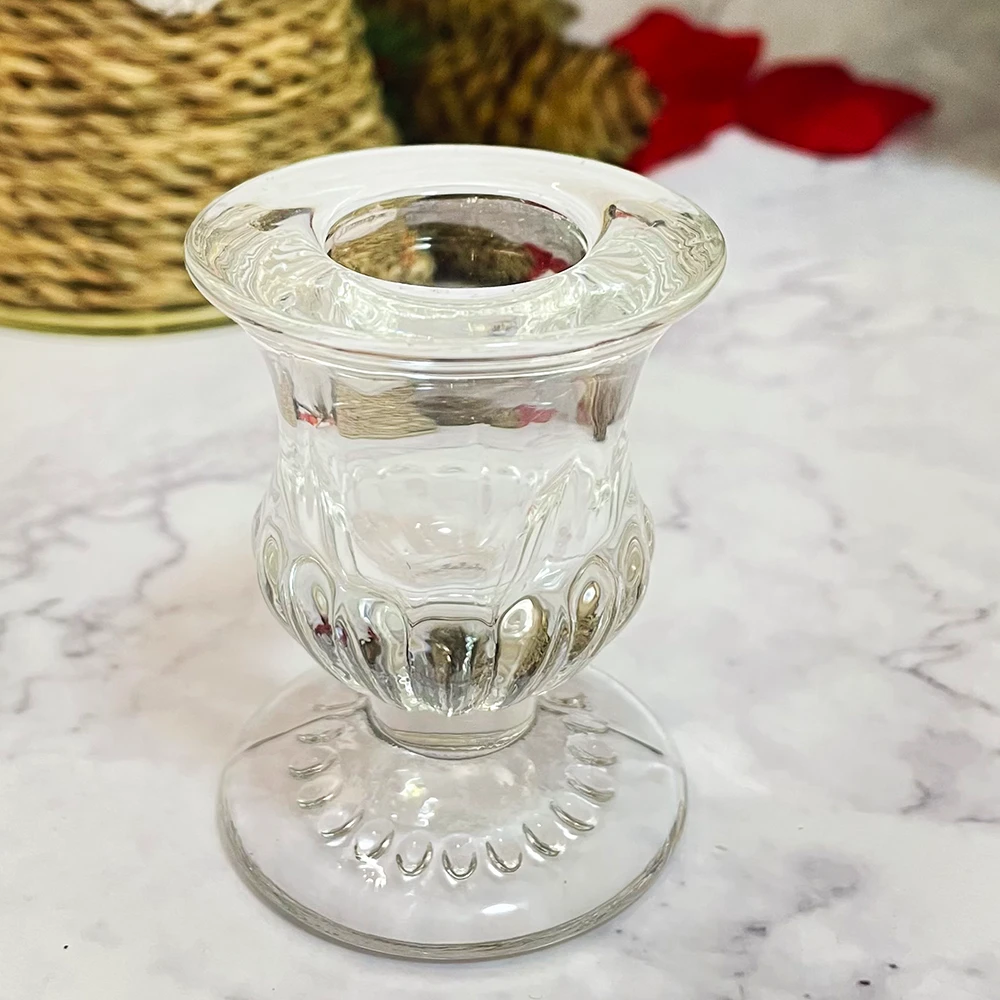
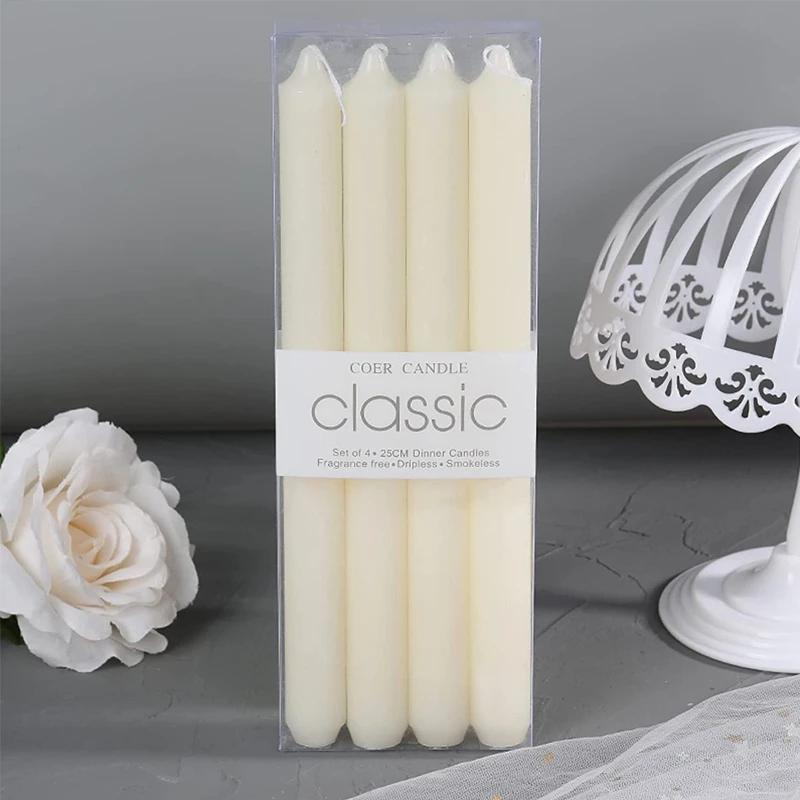
At its core, scented dinner candles are specialized wax products infused with fragrance oils and designed specifically for use during meals. Unlike heavy room fragrances, dinner candles are engineered to have a "subtle throw," meaning they provide a gentle background aroma that doesn't clash with the smell of the food. This distinction is what separates professional-grade dinner candles from generic scented pillars.
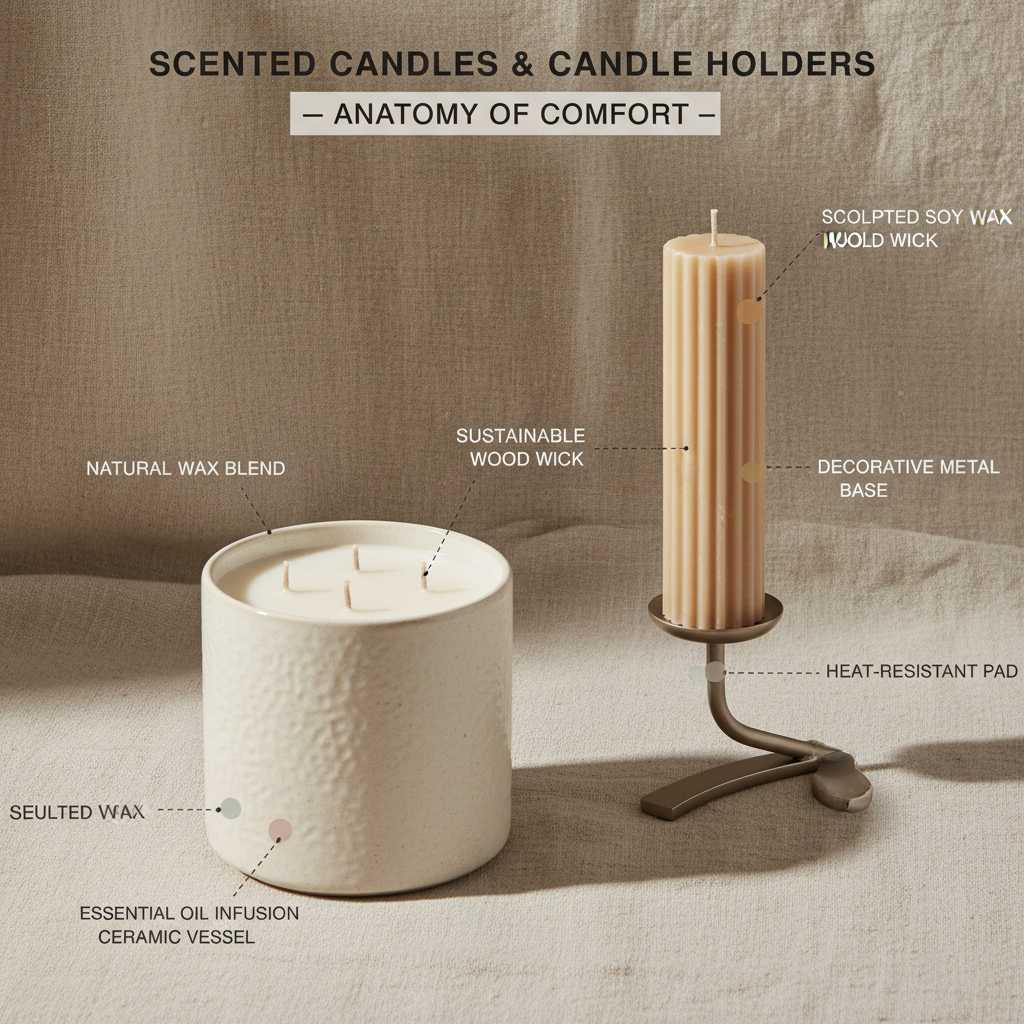
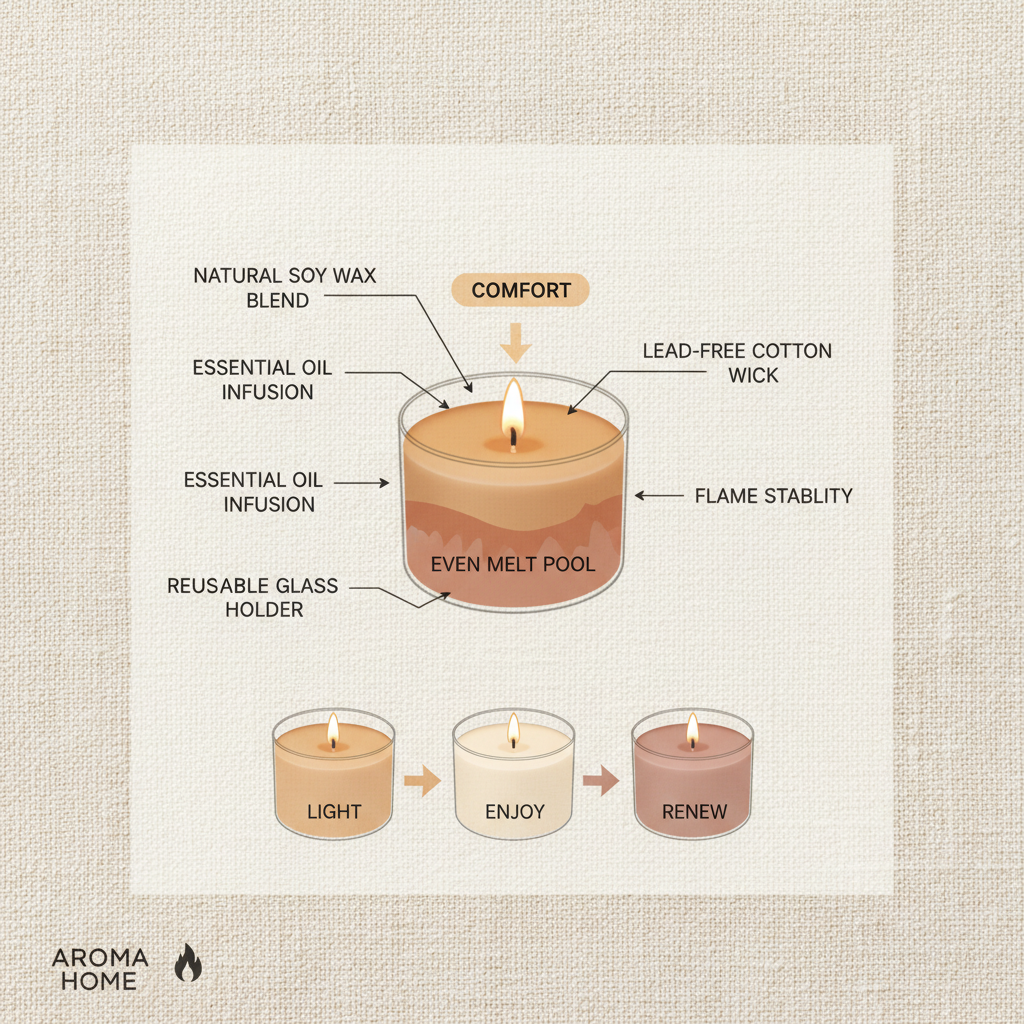
From an industrial perspective, quality is defined by the purity of the wax—whether it be soy, beeswax, or a paraffin blend—and the flash point of the essential oils used. A high-quality dinner candle must maintain its structural integrity under heat while ensuring that the fragrance remains stable. This prevents the "tunneling" effect and ensures a clean, soot-free burn that protects the interior aesthetics of the dining area.
Furthermore, the connection to modern needs is evident in the rise of hypoallergenic and non-toxic options. As consumers become more aware of phthalates and synthetic musks, the industry has shifted toward natural extracts. This evolution ensures that scented dinner candles serve a humanitarian need for safety and health without compromising on the luxury of a fragrant dining experience.
Core Components of High-Performance Fragrance Candles
The durability of scented dinner candles depends largely on the wax-to-oil ratio. If the oil concentration is too high, the candle may struggle to ignite or produce excessive smoke; too low, and the scent becomes imperceptible. Achieving the perfect equilibrium is a science that involves testing various temperature thresholds to ensure the fragrance is locked within the wax matrix.
Another critical factor is the wick material. For scented dinner candles, cotton or wooden wicks are preferred to ensure a controlled flame. A wick that is too large will consume the wax too quickly, reducing the candle's lifespan and potentially releasing a burnt smell that interferes with the dinner's aroma, whereas a perfectly calibrated wick optimizes the scent throw.
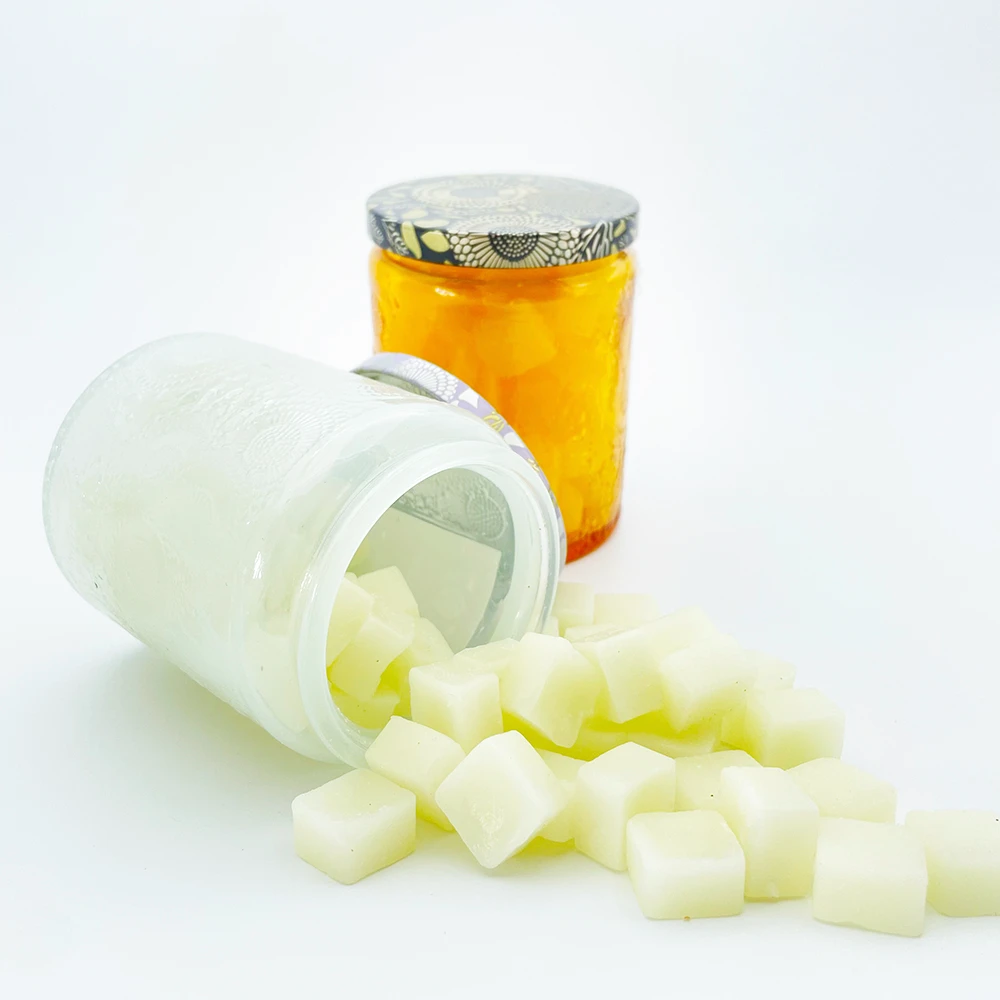
Finally, cost efficiency and scalability in production are achieved through the use of standardized fragrance blends and automated pouring processes. By utilizing high-grade scent oils that are stable at scale, manufacturers can provide consistent quality across thousands of units, making luxury aromatic dining accessible to both boutique hotels and residential consumers worldwide.
Performance Metrics and Fragrance Throw Analysis
Measuring the effectiveness of scented dinner candles involves analyzing two primary metrics: the "cold throw" (the scent when the candle is unlit) and the "hot throw" (the scent emitted during burning). For dinner settings, a moderate hot throw is ideal, as it creates an inviting atmosphere without overwhelming the guests' olfactory senses during the meal.
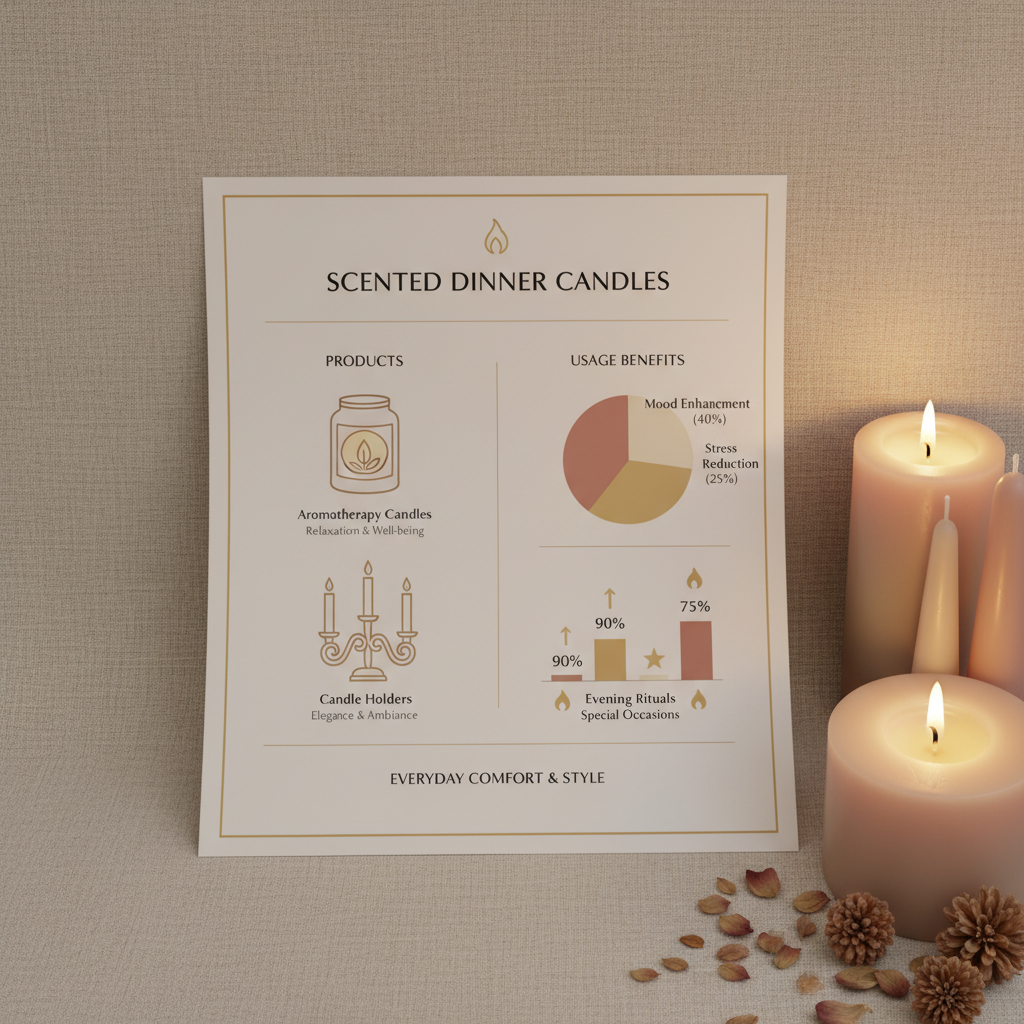
To optimize these metrics, manufacturers conduct rigorous tests on different wax blends. The following data represents a comparison of various fragrance delivery methods to determine which provides the most balanced experience for a dinner environment.
Fragrance Delivery Efficiency for Scented Dinner Candles
Global Applications in Hospitality and Home Decor
In the global hospitality industry, scented dinner candles are strategically used to create "sensory branding." Luxury hotels in regions like the Middle East and Europe often employ specific scent profiles—such as sandalwood or light citrus—to evoke a feeling of opulence and cleanliness, which subtly enhances the perceived value of their dining services.
Beyond high-end hotels, these candles are increasingly used in residential interior design across Asia and North America. The trend of "tablescaping" has made scented candles a central piece of the dinner table, where they serve both as a light source and an olfactory accent. In these contexts, the candles help transition the home environment from a functional living space to a curated dining experience.
Long-term Value and Psychological Benefits
The long-term value of incorporating scented dinner candles into a lifestyle extends beyond mere aesthetics. From a psychological perspective, scents like vanilla or light jasmine are known to lower cortisol levels and promote relaxation. When used during dinner, these candles facilitate better communication and a deeper emotional connection between diners by reducing the tension of the day.
Moreover, the reliability of a high-quality candle—one that burns evenly and smells consistent—builds trust between the consumer and the brand. This reliability is an emotional anchor, providing a sense of stability and ritual in a fast-paced world. The act of lighting a candle before a meal signals a mental shift toward presence and mindfulness.
Sustainability also adds to the long-term value. By opting for biodegradable waxes and recyclable containers, the use of scented dinner candles becomes an act of conscious consumption. This alignment with environmental values ensures that the luxury of the experience does not come at the cost of the planet, increasing the product's social and ethical value.
Future Innovations in Sustainable Candle Manufacturing
The future of scented dinner candles is being shaped by the intersection of biotechnology and green chemistry. We are seeing the emergence of algae-based waxes and lab-grown fragrance molecules that mimic nature perfectly without requiring the over-harvesting of rare botanical species. This digital transformation in scent design allows for "precision fragrance," where scents can be tailored to specific dining menus.
Automation is also playing a key role, with 3D-printed candle shapes allowing for more artistic and complex dinner table centerpieces that still maintain optimal burn characteristics. These innovations ensure that the product remains relevant in an era of smart homes and sustainable living, where efficiency and ecology go hand-in-hand.
As global policies tighten around VOC (Volatile Organic Compound) emissions, the industry is moving toward completely carbon-neutral production cycles. The integration of renewable energy in the manufacturing of scented dinner candles will likely become the standard, ensuring a healthy environment for both the producer and the end-user.
Analysis of Sustainable Materials and Performance in Future Scented Dinner Candles
| Material Type |
Eco-Impact Score |
Scent Retention |
Burn Stability |
| Soy Wax (Organic) |
9/10 |
High |
Moderate |
| Beeswax (Natural) |
8/10 |
Medium |
Very High |
| Algae-based Wax |
10/10 |
High |
High |
| Rapeseed Wax |
7/10 |
Very High |
Moderate |
| Coconut Wax Blend |
9/10 |
High |
Medium |
| Recycled Paraffin |
5/10 |
Medium |
High |
FAQS
For dinner settings, it is best to avoid heavy floral or overly sweet scents (like strong vanilla or heavy rose) which can distort the taste of the food. Instead, opt for light citrus, soft linen, or subtle woody notes like sandalwood. These "clean" profiles enhance the atmosphere without interfering with the culinary experience.
Quality wax usually has a smooth, consistent texture and doesn't produce excessive black smoke (soot) when lit. If you notice "tunneling" (where the wax burns down the center and leaves a ring around the edges), it may indicate a poor wick-to-wax ratio. Natural waxes like soy or beeswax also typically have a cleaner, more subtle scent than cheap paraffin blends.
Some guests may be sensitive to synthetic fragrances. To prevent this, use candles made with pure essential oils and natural waxes, as these are generally more hypoallergenic. Additionally, placing the candles at the ends of the table rather than directly in the center can help manage the intensity of the scent throw.
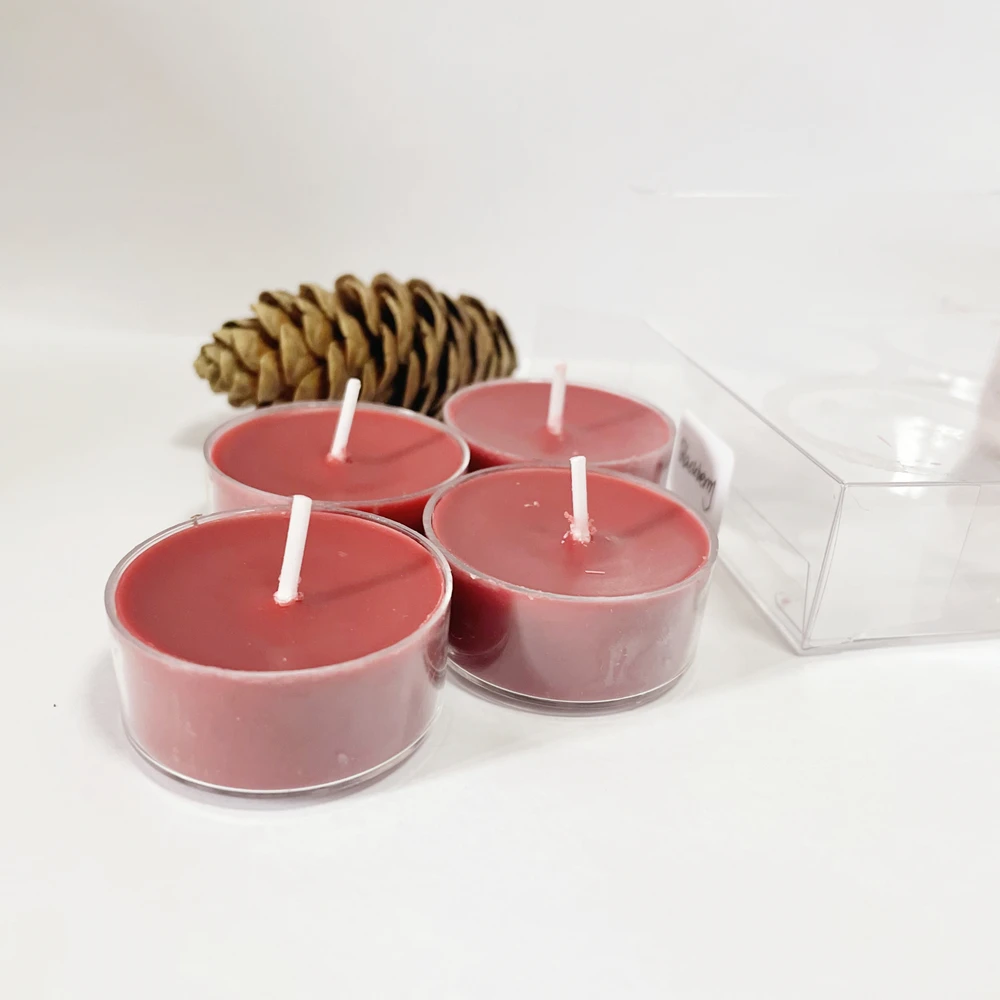
Ideally, a dinner candle should be able to burn for the entire duration of the meal—typically 2 to 4 hours—without losing its scent or flickering excessively. Pillar candles provide longer burn times, while tealights are better for accent lighting but may not last through a multi-course dinner party.
Yes, but you will need candles with a "stronger throw" because the wind will disperse the fragrance quickly. In outdoor settings, it is highly recommended to use glass holders or lanterns to protect the flame from the wind and concentrate the scent around the table.
The best way to extinguish a candle without creating a lingering burnt smell is to use a candle snuffer or to gently push the wick into the melted wax pool and pull it back up. This prevents the smoke that occurs when you blow out the flame, keeping the dining air fresh.
Conclusion
In summary, scented dinner candles are far more than simple accessories; they are sophisticated tools that merge chemistry, psychology, and art to elevate the dining experience. By focusing on the balance of fragrance throw, the purity of materials, and the sustainability of production, these products create an environment of warmth and connection that resonates on a global scale.
Looking forward, the industry's move toward bio-based waxes and precision scenting promises a future where luxury and ecology coexist seamlessly. For those looking to enhance their hosting game or their hospitality business, investing in high-quality, sustainably made aromatic candles is a small change that yields significant emotional and atmospheric rewards. Visit our website: www.ouniscandle.com