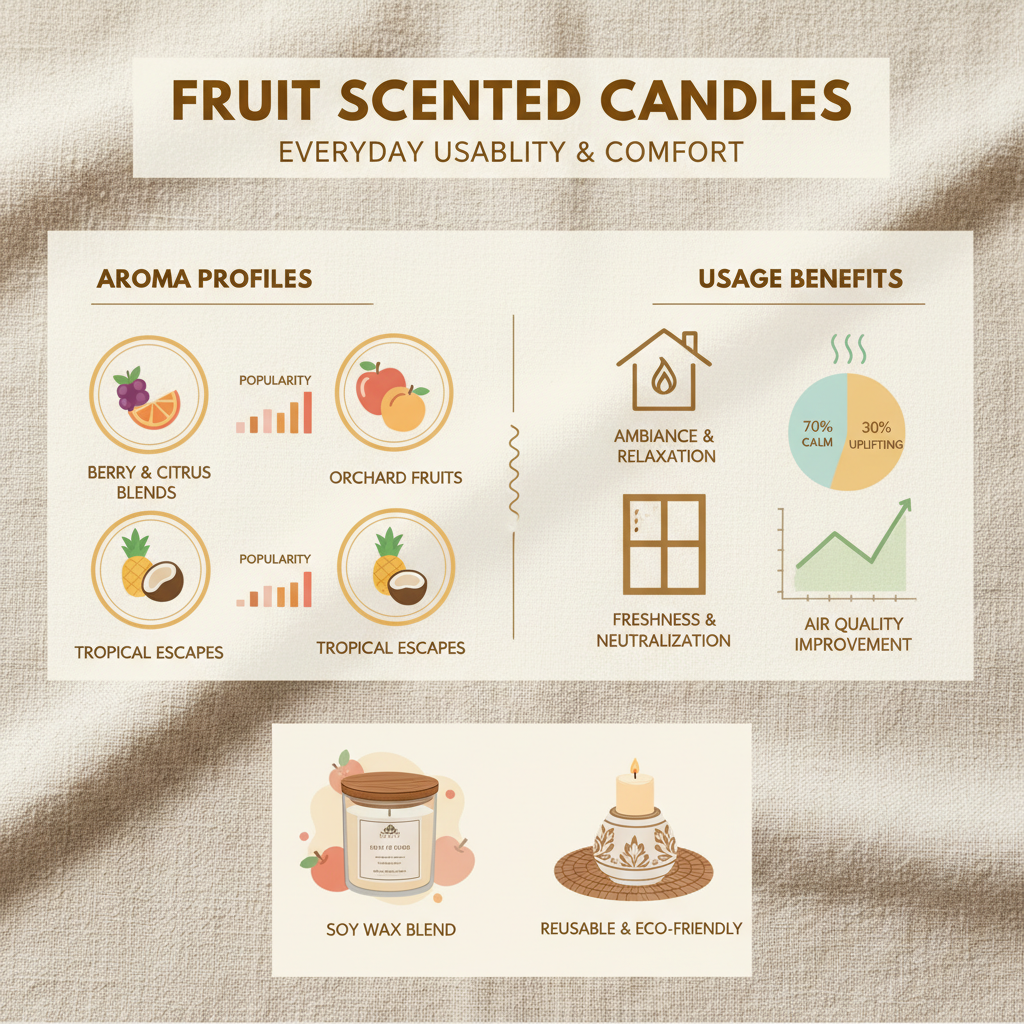
The sensory experience of a home is often defined by its scent, and fruit scented candles have emerged as a premier choice for those seeking to infuse their living spaces with vibrancy and freshness. By blending the science of fragrance chemistry with the art of wax crafting, these products do more than just illuminate a room; they transport the mind to sun-drenched orchards and tropical shores, providing an immediate mood lift and a sense of cleanliness.
In the broader context of the home fragrance industry, the demand for fruit-based aromatics reflects a global shift toward "wellness" and "emotional scenting." Consumers are increasingly moving away from heavy, synthetic musks in favor of crisp, naturalistic notes like citrus, berry, and stone fruits. This trend is driven by the psychological connection between fruity scents and feelings of energy, happiness, and vitality, making these candles essential tools for modern stress management.
Understanding the intricacies of fruit scented candles—from the choice of wax (such as soy or beeswax) to the volatility of the essential oils used—allows buyers and retailers to appreciate the difference between a fleeting aroma and a long-lasting olfactory journey. As the industry evolves, the focus has shifted toward sustainability and transparency, ensuring that the joy of a fragrant home does not come at the cost of environmental health.
Global Market Dynamics of Fruit Scented Candles
The global market for fruit scented candles has seen exponential growth, mirroring the rise in home-centric lifestyle trends. According to market analysis consistent with ISO standards for fragrance quality, the demand is particularly strong in North America and Europe, where the "hygge" and "wellness" movements emphasize the creation of a cozy, inviting atmosphere. The challenge for manufacturers has been maintaining fragrance integrity across different climates, as temperature fluctuations can affect the "cold throw" (scent when unlit) and "hot throw" (scent when burning).
Industrially, the shift toward eco-friendly materials has revolutionized how these products are made. The transition from paraffin to natural waxes like soy, coconut, and beeswax has not only appealed to the environmentally conscious consumer but has also improved the scent delivery of fruit-based oils, which often bond better with plant-based lipids. This evolution ensures that the crispness of a lemon or the sweetness of a mango remains true to the original fruit profile.
The Chemistry of Fruity Fragrance Profiles
Creating an authentic aroma for fruit scented candles requires a deep understanding of molecular chemistry. Fruit scents are typically categorized into citrus (limonene-rich), berry (ester-heavy), and tropical (complex sulfur and alcohol compounds). The goal of a master perfumer is to balance the "top notes"—the immediate, bright scents—with "middle notes" that provide body and "base notes" that ensure the fragrance lingers in the room long after the candle is extinguished.
One of the primary challenges in fruity scenting is volatility. Citrus oils, for example, evaporate much faster than woody or floral scents. To counteract this, manufacturers use stabilizers and specific fragrance carriers that slow down the evaporation process. This technical precision ensures that a grapefruit-scented candle doesn't smell like burnt wax after an hour of burning, but continues to emit a refreshing, zesty aroma.
Furthermore, the interaction between the scent oil and the wax medium is critical. If the fragrance load is too high, the candle may "sweat," where oil beads form on the surface; too low, and the scent becomes undetectable. Achieving the perfect fragrance-to-wax ratio is a delicate science that separates professional-grade commercial candles from amateur crafts, ensuring a consistent and safe burn.
Core Components for Quality Candle Performance
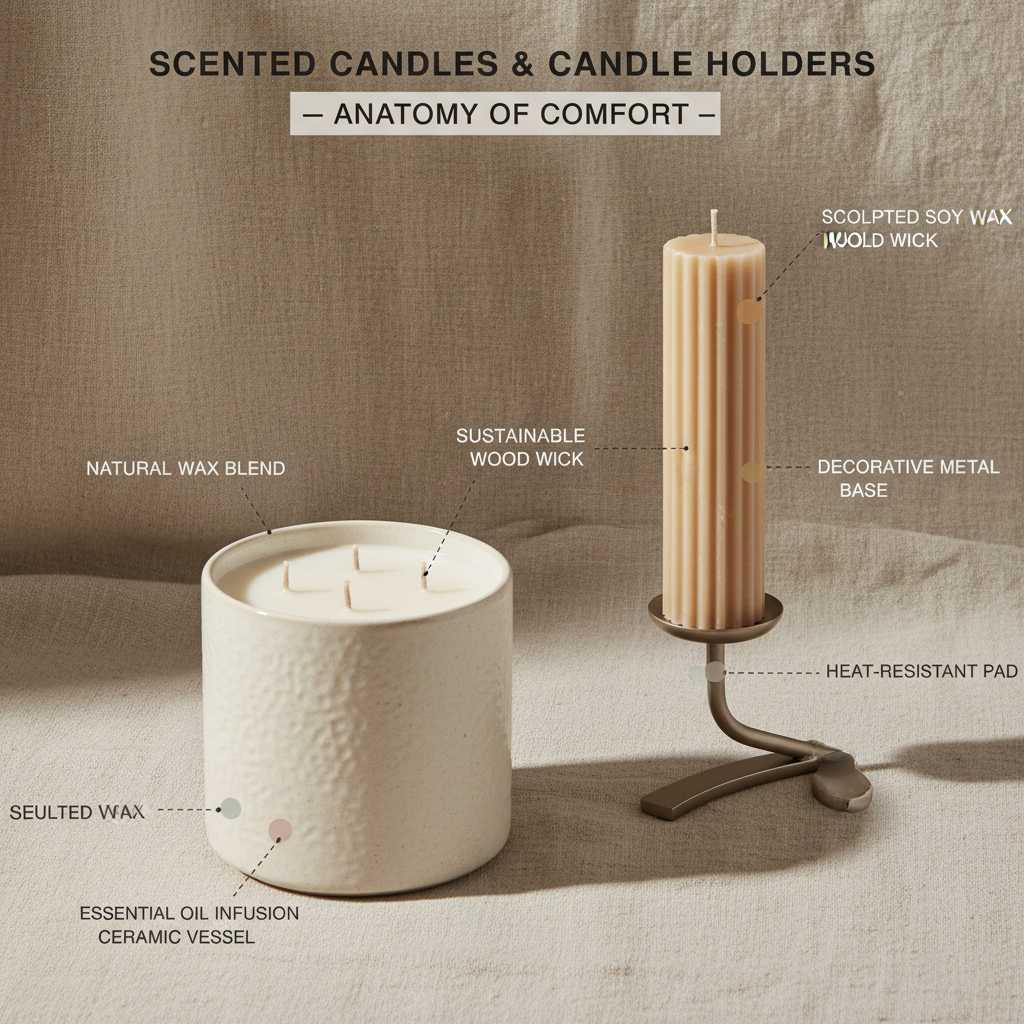
The performance of fruit scented candles depends heavily on the quality of the wick. A cotton or wood wick must be precisely sized to the candle's diameter to create a melt pool that reaches the edges. If the wick is too small, "tunneling" occurs, wasting a significant portion of the scented wax; if it is too large, the candle burns too hot, which can degrade the delicate fruit fragrance molecules.
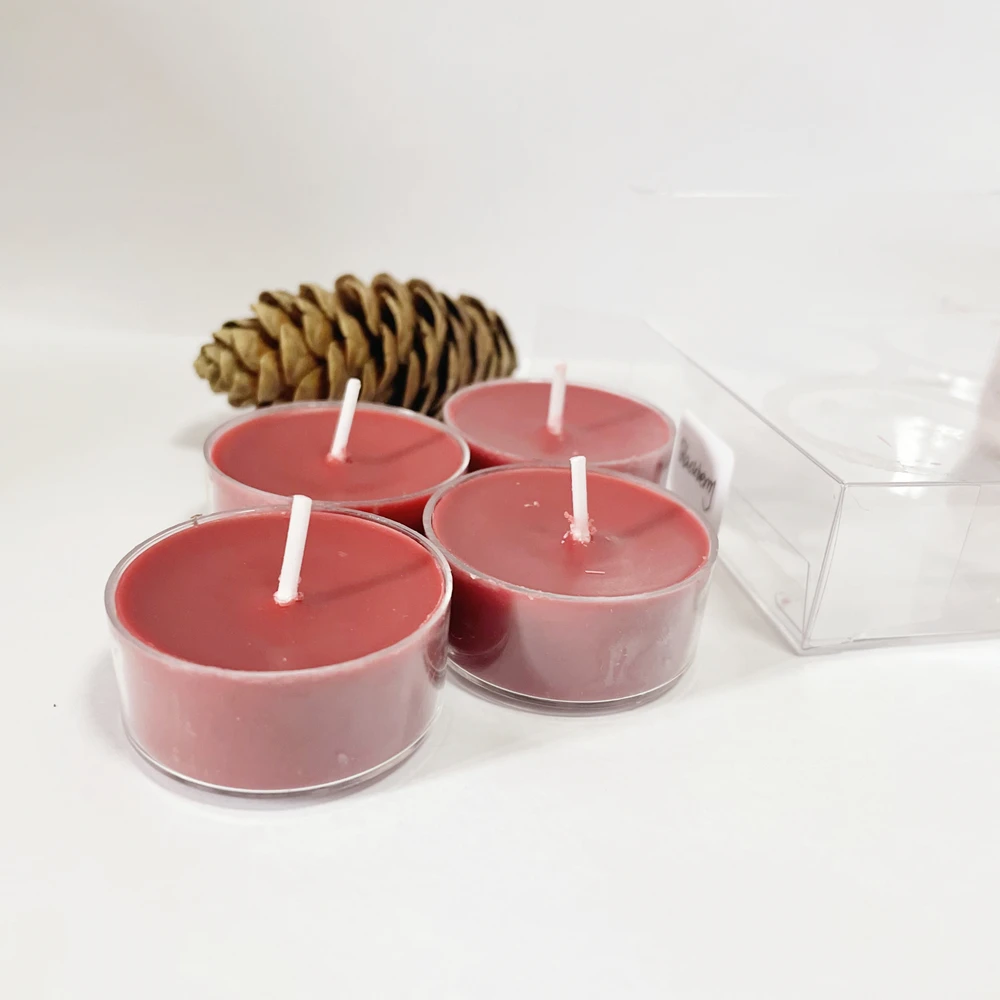
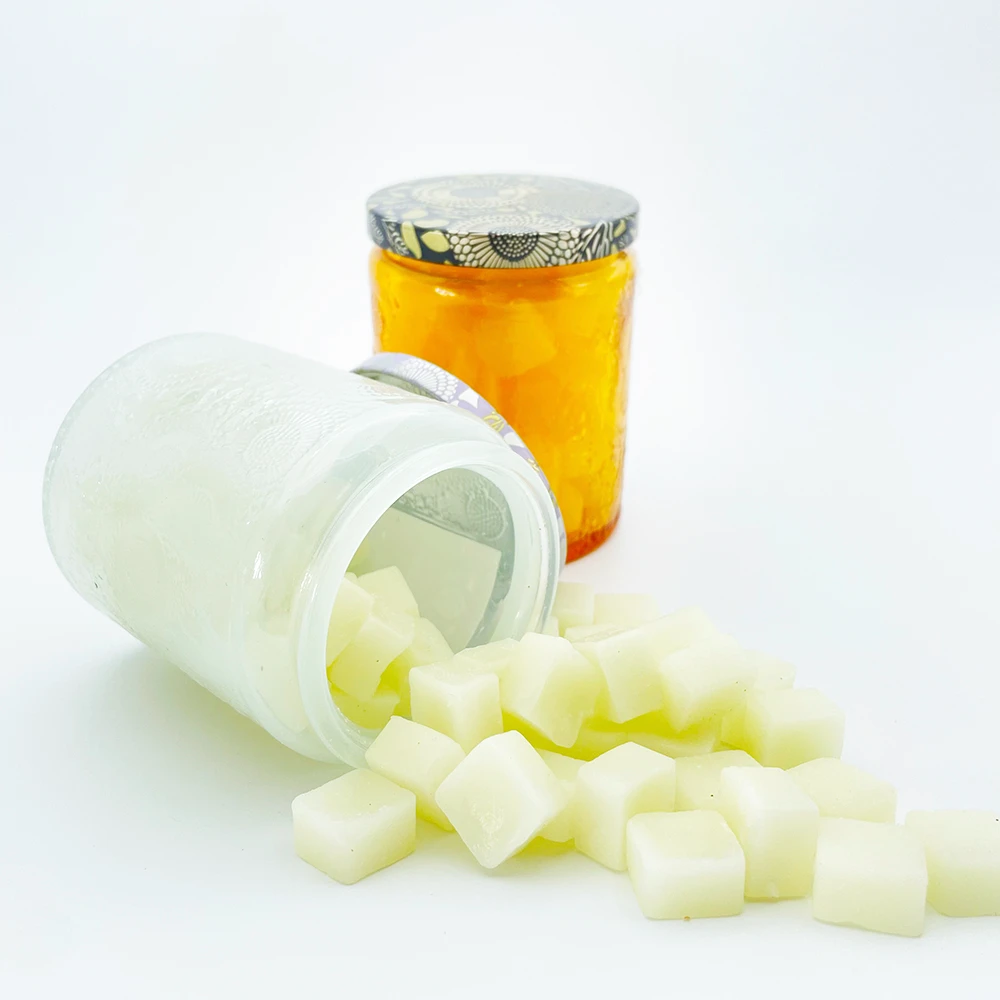
Wax selection is the second pillar of quality. Soy wax is prized for its clean burn and ability to hold onto complex scents, while beeswax provides a natural honeyed undertone that complements warm fruit scents like apple or pear. The purity of the wax directly impacts the "throw" of the fruit scented candles, determining how far the fragrance travels throughout a room.
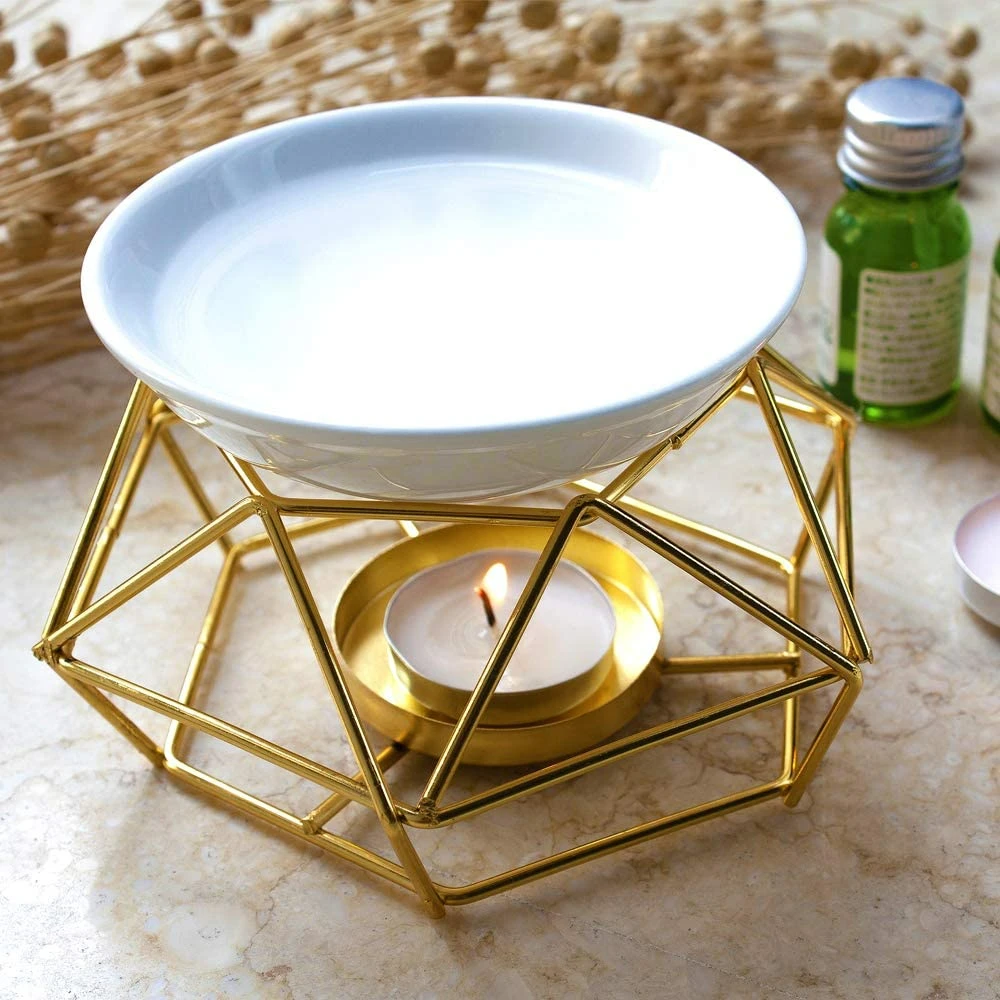
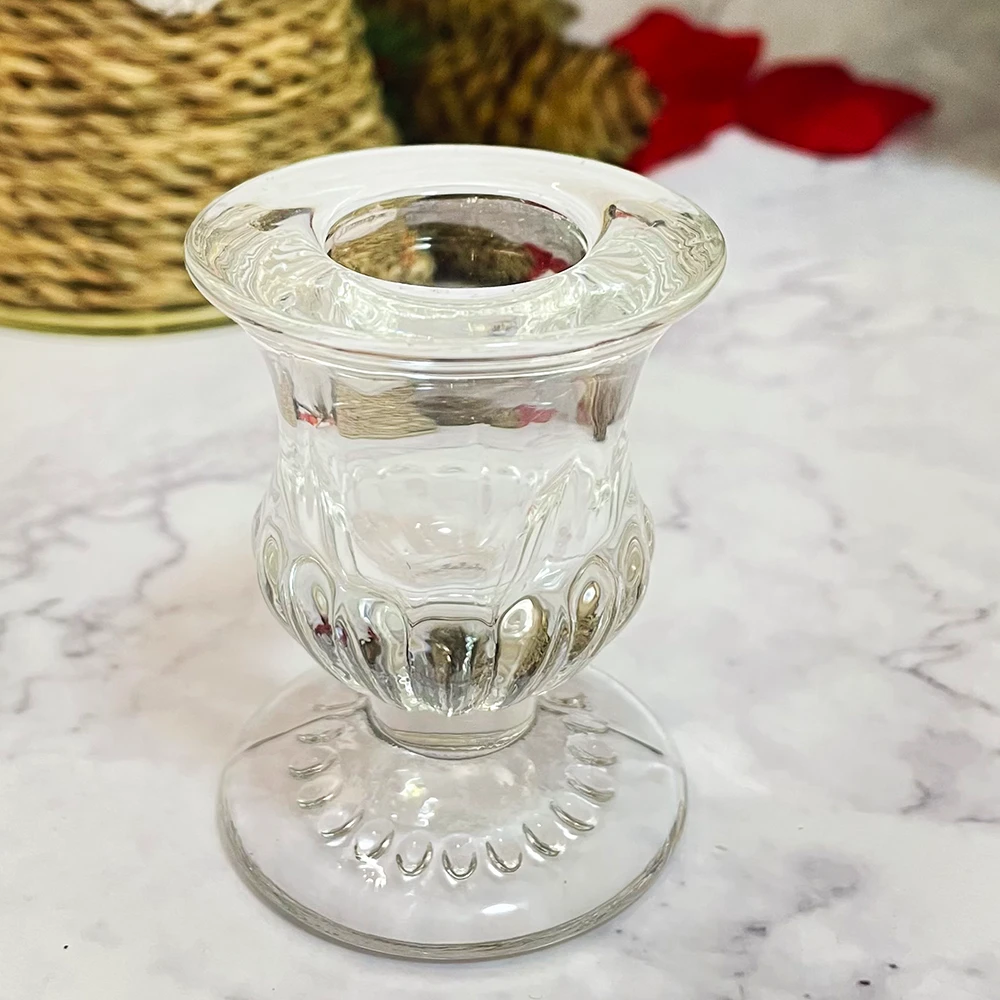
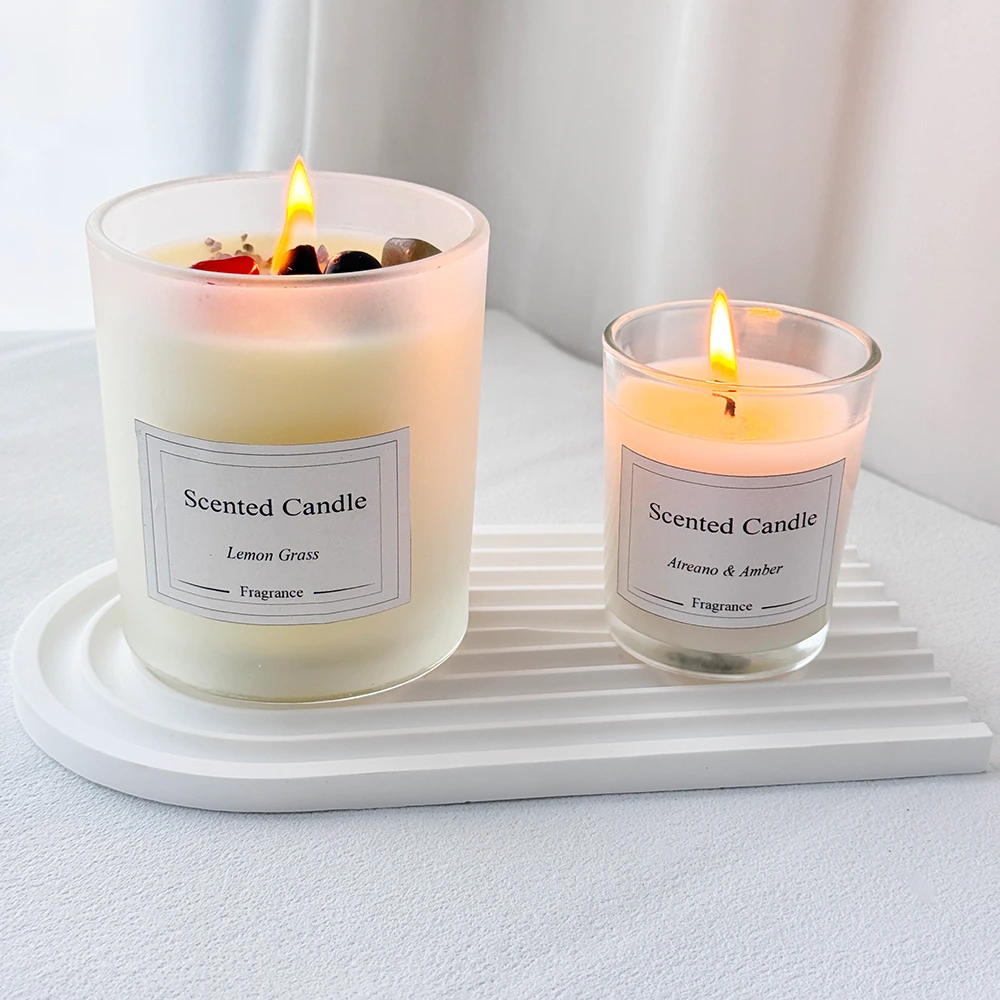
Finally, the containment vessel—whether it be a glass jar, a ceramic holder, or a metal tin—plays a role in heat retention. Heat is the engine that drives the fragrance into the air. High-quality glass holders help maintain a steady temperature in the melt pool, allowing the fruit scents to release in a controlled, steady stream, which enhances the overall user experience.
Comparative Efficiency of Fruit Scented Candles
When evaluating the efficacy of various formulations, we look at "Scent Throw" and "Burn Rate." Not all fruit scented candles are created equal; for instance, a citrus-based soy candle may have a more immediate impact but a faster burn rate than a berry-based beeswax candle. This data is crucial for consumers deciding between a candle for a quick mood lift or one for long-term ambiance.
The following analysis compares different methods of fragrance integration, showing how different "fruit scented candle" variants perform across key metrics such as fragrance longevity and aromatic intensity.
Fragrance Performance Analysis of Fruit Scented Candles
Real-World Applications and Use Cases
In commercial environments, fruit scented candles are strategically used to influence customer behavior. For example, high-end retail boutiques often use citrus-scented candles near entrances to create a sense of cleanliness and energy, which encourages shoppers to feel more alert and positive. Similarly, spas and wellness centers utilize softer fruit notes, like white peach or pear, to evoke a sense of luxury and serenity.
In residential settings, these candles serve as "olfactory anchors" for routine. A lemon-scented candle might be lit during morning cleaning to enhance the feeling of freshness, while a warm cinnamon-apple scent is reserved for evening relaxation. This psychological association helps individuals transition between different mental states—from the productivity of the workday to the tranquility of home life—proving that scent is a powerful tool for environmental design.
Long-Term Value and Emotional Benefits
Beyond the immediate pleasure of a pleasant smell, fruit scented candles offer significant emotional and psychological value. Aromatherapy research suggests that citrus scents can reduce cortisol levels and alleviate symptoms of anxiety. By integrating these scents into a daily ritual, users can create a reliable "safe space" that promotes mental well-being and emotional stability.
From a sustainability perspective, the long-term value lies in the move toward biodegradable components. Modern fruit scented candles using plant-based waxes and lead-free wicks provide a guilt-free luxury. This shift not only protects the indoor air quality for the user but also reduces the carbon footprint associated with petrochemical-based paraffin, aligning the product with the global movement toward conscious consumption.
Moreover, the giftability of these products adds a social dimension. A well-crafted scented candle is more than a physical object; it is a gesture of care and comfort. Whether given as a housewarming gift or a holiday token, the universal appeal of fruit scents—which are generally more accessible and liked than polarizing floral or musky scents—makes them a reliable choice for fostering social connections.
Future Innovations in Scented Wax Technology
The future of fruit scented candles is being shaped by "smart" fragrance delivery systems. We are seeing the emergence of encapsulated fragrance technology, where scent molecules are trapped in microscopic spheres that break at specific temperatures. This allows for a "layered" scent experience, where a candle might smell like fresh orange peel at the beginning and transition into a sweet vanilla-mango as it burns deeper.
Additionally, the industry is exploring the use of upcycled fruit waste to create natural fragrances. By extracting essential oils from discarded citrus peels or apple pomace from the juice industry, manufacturers are creating a circular economy. This not only lowers the cost of raw materials but also adds a compelling "green" narrative to the product, appealing to Gen Z and Millennial consumers who prioritize ethical sourcing.
Finally, the integration of digital personalization is on the horizon. Imagine a system where consumers can use an app to design their own custom fruit blend—perhaps a mix of 40% Raspberry, 30% Lime, and 30% Pineapple—which is then precision-mixed and poured using automated manufacturing. This level of customization will redefine the luxury candle market, moving it from mass production to a personalized sensory service.
Comparative Analysis of Fruit Scented Candle Material Innovations
| Wax Base |
Scent Retention |
Eco-Impact Score |
Burn Duration |
| Pure Soy Wax |
High |
9/10 |
Long |
| Organic Beeswax |
Medium |
10/10 |
Very Long |
| Coconut Wax Blend |
Very High |
8/10 |
Medium |
| Paraffin (Traditional) |
High |
3/10 |
Medium |
| Palm Wax (RSPO) |
Medium |
6/10 |
Long |
| Hybrid Bio-Wax |
Very High |
9/10 |
Long |
FAQS
This usually happens due to "tunneling" or poor fragrance oil binding. When a candle tunnels, the wick only melts a small center core, leaving the scented wax on the edges untouched. Additionally, if the fragrance oil was not mixed at the correct temperature, the oil can separate or evaporate too quickly during the first few burns. Using high-quality soy or beeswax and ensuring a full melt pool on the first burn can prevent this.
Generally, yes, but caution is needed. Some essential oils used in fruit scents, particularly high concentrations of citrus or cinnamon, can be irritating to sensitive pets like cats. To ensure safety, look for candles made with phthalate-free fragrances and natural waxes. Always burn candles in a well-ventilated room and keep them out of the direct reach of animals to avoid accidental ingestion or burns.
Cold throw refers to the scent you smell when the candle is not lit; it's the immediate impression of the fruit fragrance. Hot throw is the scent released into the air while the candle is burning. A high-quality fruit scented candle should have a balanced throw—strong enough to be noticed when unlit, but powerful enough to fill a room once the heat helps the fragrance molecules volatilize.
Citrus scents, such as lemon, grapefruit, and orange, are scientifically linked to increased alertness and mental clarity. These "energizing" scents are ideal for home offices or study areas. For a more balanced approach, a blend of peppermint and lime can provide both the focus of menthol and the uplifting energy of citrus, making it a perfect companion for productivity tasks.
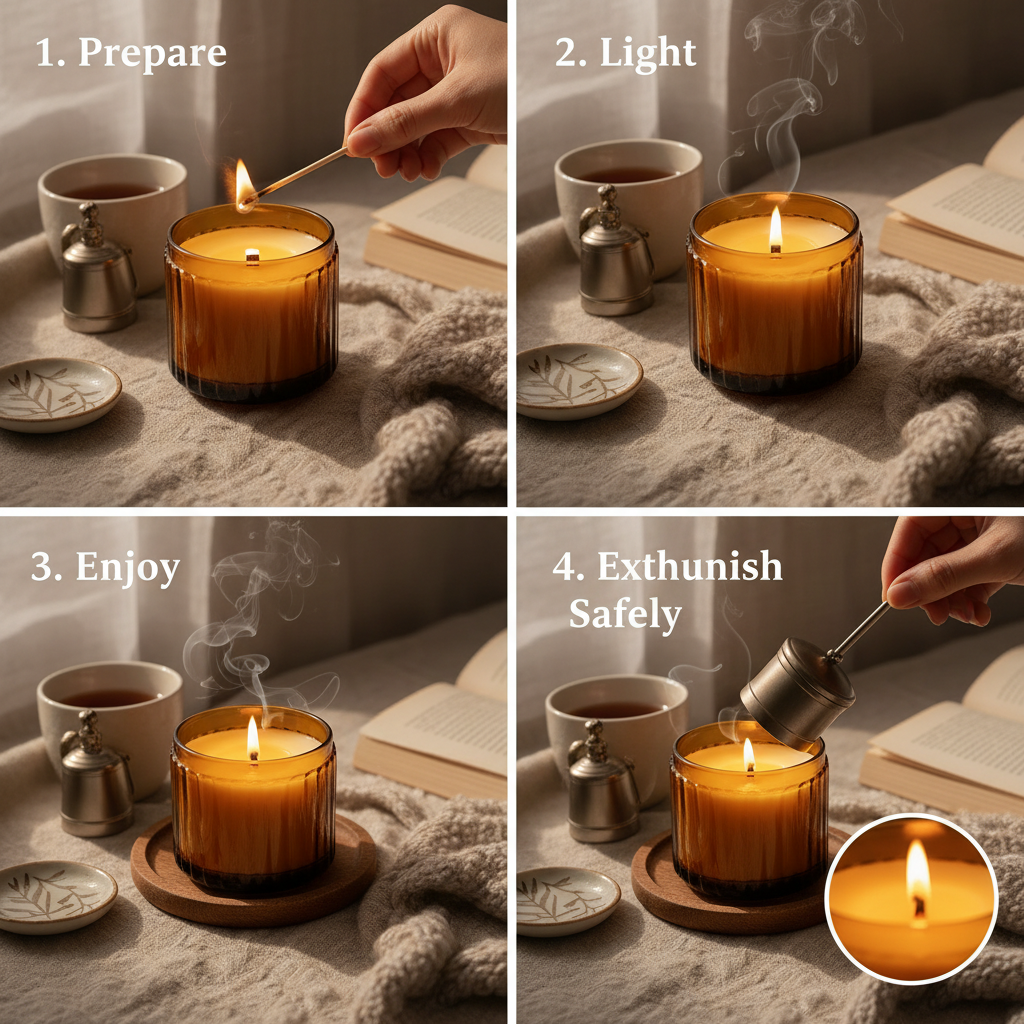
The best way to extend the life of your candle is to trim the wick to 1/4 inch before every burn. This prevents the flame from becoming too large, which would otherwise burn through the wax too quickly and potentially scorch the fruit oils. Additionally, avoid burning the candle for more than 4 hours at a time to prevent the glass from overheating and the fragrance from degrading.
Yes, fruit scents—especially citrus—are excellent for neutralizing odors. Lemon and lime scents contain molecules that can help mask and blend with kitchen smells like fish or garlic. For the best results, light the candle 15 minutes before you begin cooking or immediately after finishing to refresh the air and replace cooking smells with a crisp, clean fruit aroma.
Conclusion
In summary, fruit scented candles represent a perfect intersection of chemistry, art, and wellness. By selecting the right combination of natural waxes, high-purity fragrance oils, and precise wicking, these products transform any indoor environment into a sanctuary of freshness and energy. From the mental clarity provided by citrus notes to the sustainable innovation of upcycled scents, the value of these candles extends far beyond simple illumination.
As we look toward the future, the emphasis on personalization and eco-conscious manufacturing will continue to elevate the industry. Whether you are a business owner looking to enhance your commercial atmosphere or a homeowner seeking a moment of peace, investing in high-quality, fruit-based aromatics is a simple yet profound way to improve your quality of life. We invite you to explore the full spectrum of olfactory possibilities and bring the essence of nature into your home. Visit our website: www.ouniscandle.com