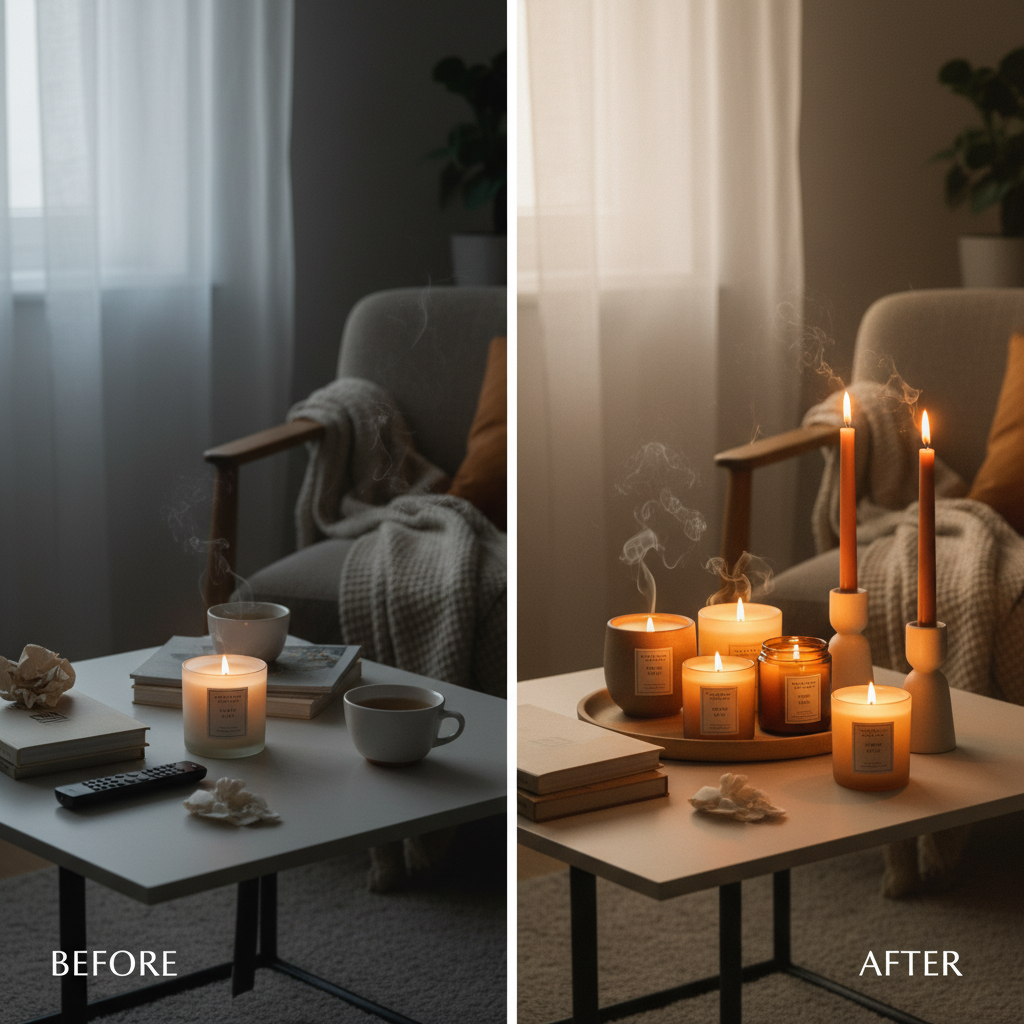
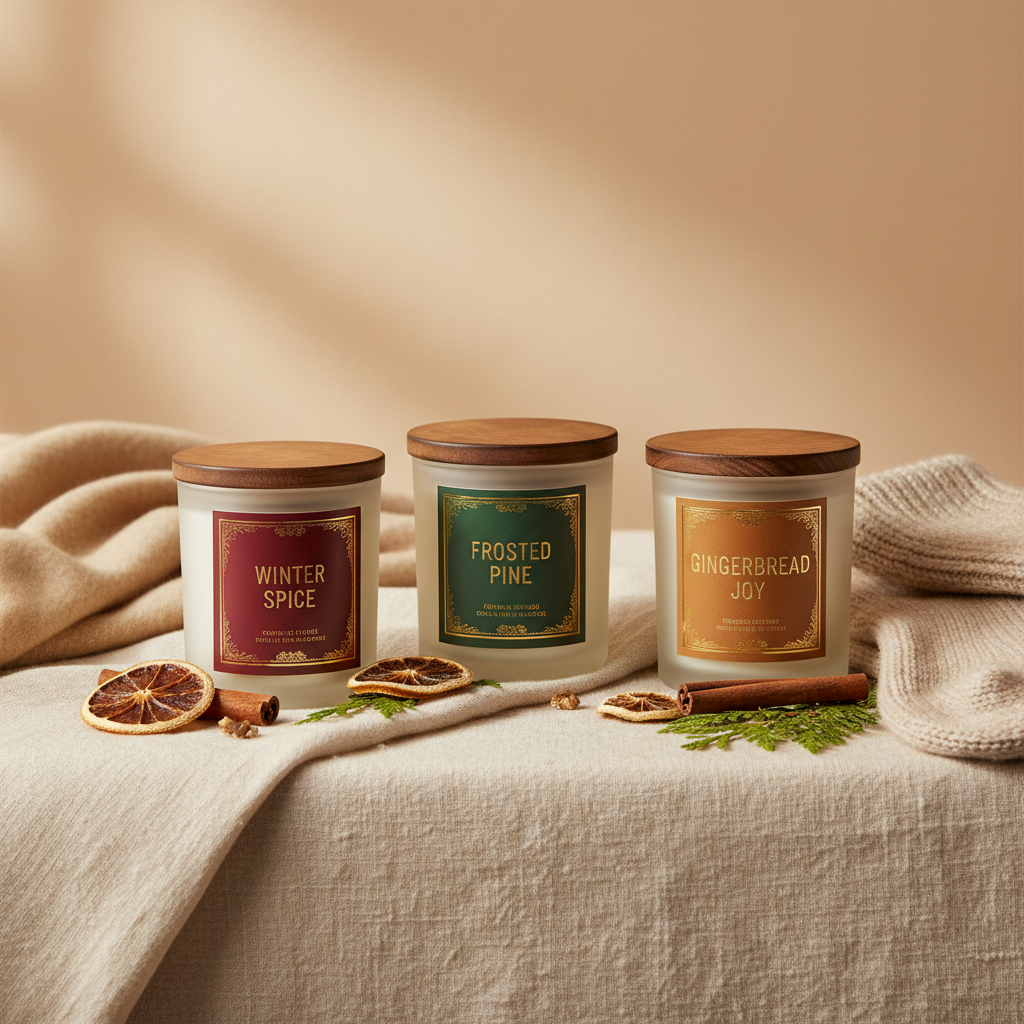
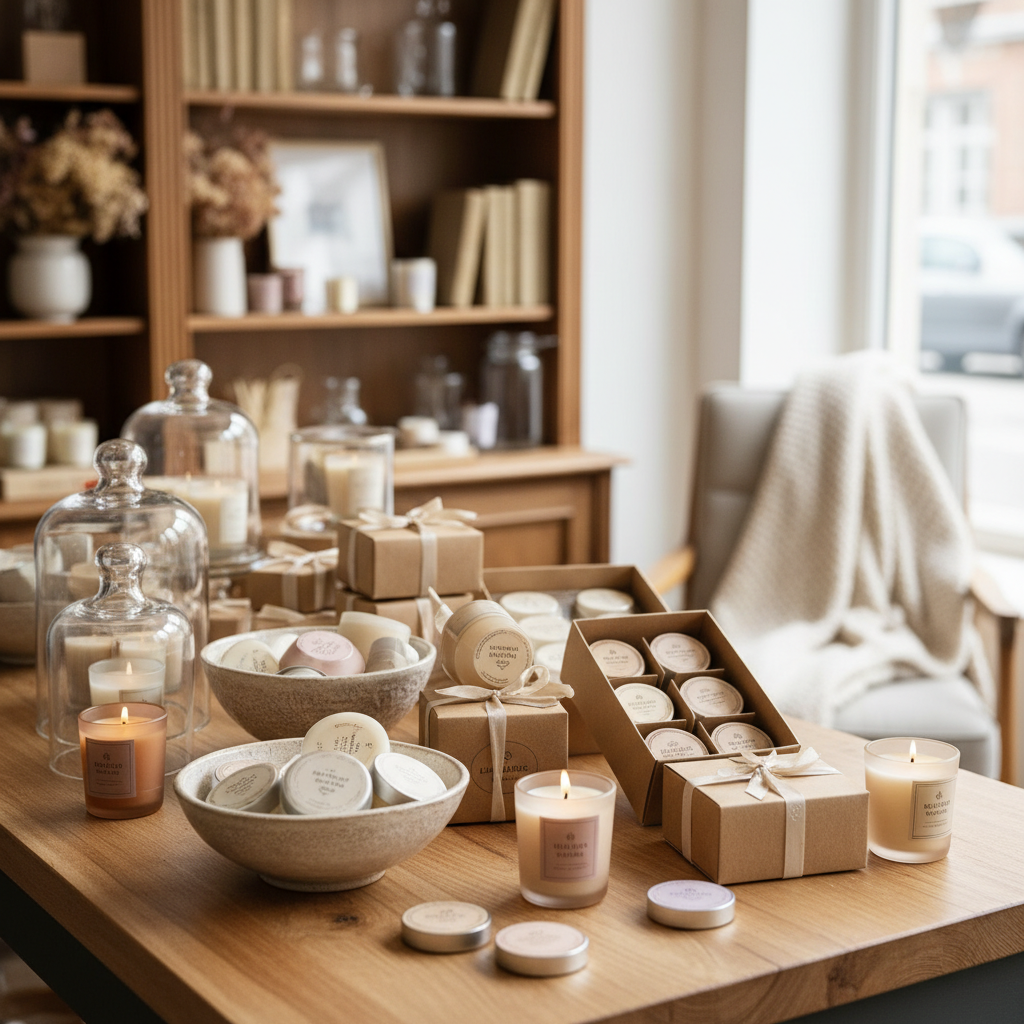
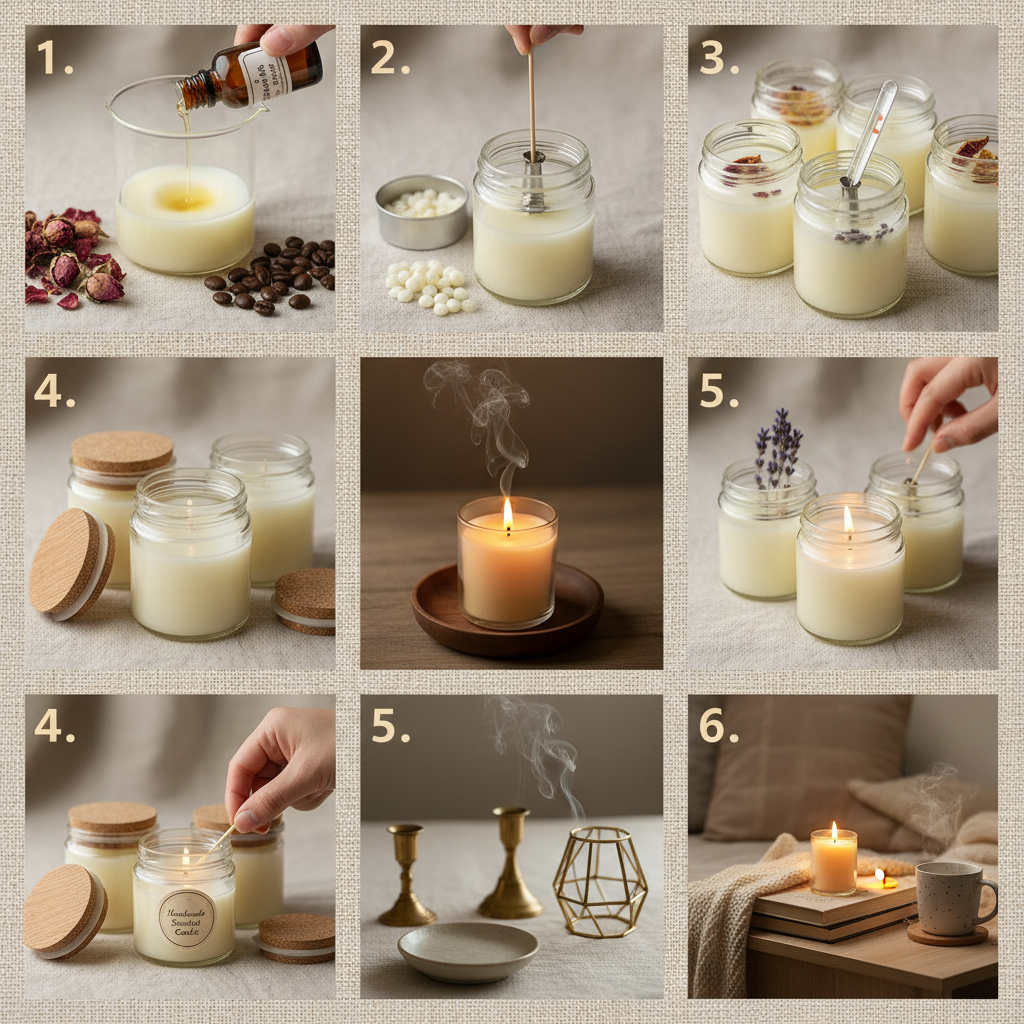
Creating the perfect outdoor ambiance requires a delicate balance of light, aroma, and durability. outdoor scented candles serve as more than just light sources; they are sensory tools designed to transform open-air spaces into inviting sanctuaries, whether for a quiet evening on a patio or a lavish garden party. By combining high-performance waxes with potent fragrance loads, these candles overcome the challenges of open environments to deliver a consistent olfactory experience.
From a global market perspective, the demand for specialized outdoor fragrance solutions has surged as people increasingly prioritize "outdoor living" and mental wellness. The integration of chemical engineering in fragrance stability ensures that these products can withstand fluctuating temperatures and wind, preventing the scent from dissipating too quickly. This evolution marks a shift from simple utility to a sophisticated lifestyle choice that merges home decor with aromatherapy.
Understanding the nuances of outdoor scented candles is essential for both consumers and procurement specialists. The choice of wax—be it soy, beeswax, or a proprietary blend—directly impacts the burn rate and scent throw. By selecting the right aromatic profiles and structural designs, users can enhance the emotional quality of their outdoor environments while ensuring safety and sustainability.
The Science of Scent Throw in Open Air
The primary challenge with outdoor scented candles is the "scent throw," which refers to the distance and intensity a fragrance travels. Unlike indoor settings where walls contain the aroma, outdoor environments are subject to air currents that rapidly disperse volatile organic compounds (VOCs). To counteract this, manufacturers utilize a higher fragrance load and specific "heavy" base notes—such as sandalwood or vanilla—that linger longer in the air.
By optimizing the flash point of the essential oils used, chemists ensure that the scent is released steadily without burning off too quickly. This technical approach allows the candle to maintain a perceptible aromatic aura even in moderately breezy conditions, ensuring that the intended atmosphere is preserved throughout the duration of the burn.
Material Durability and Wax Selection
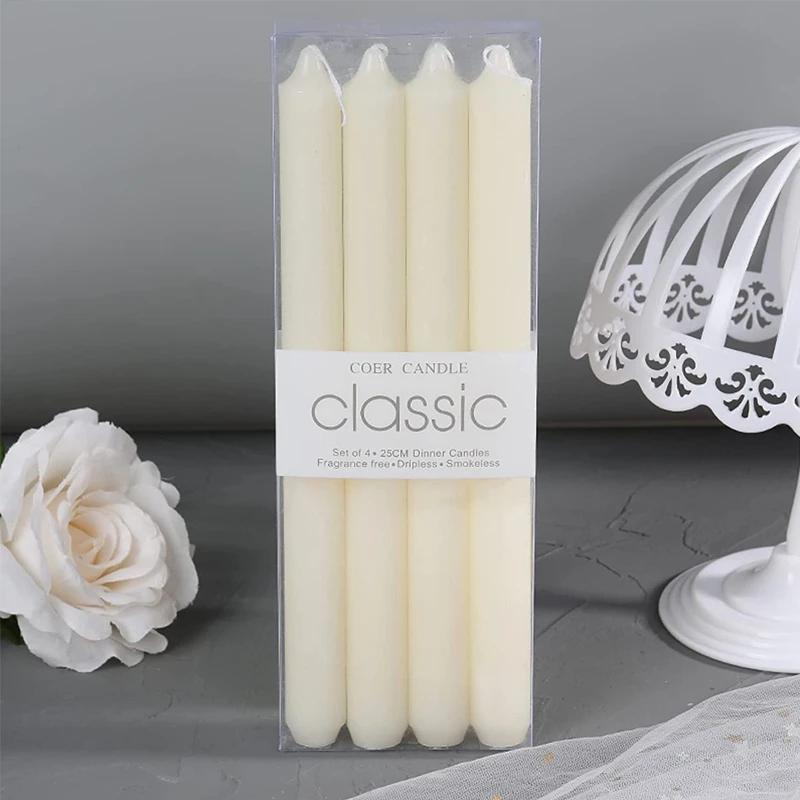
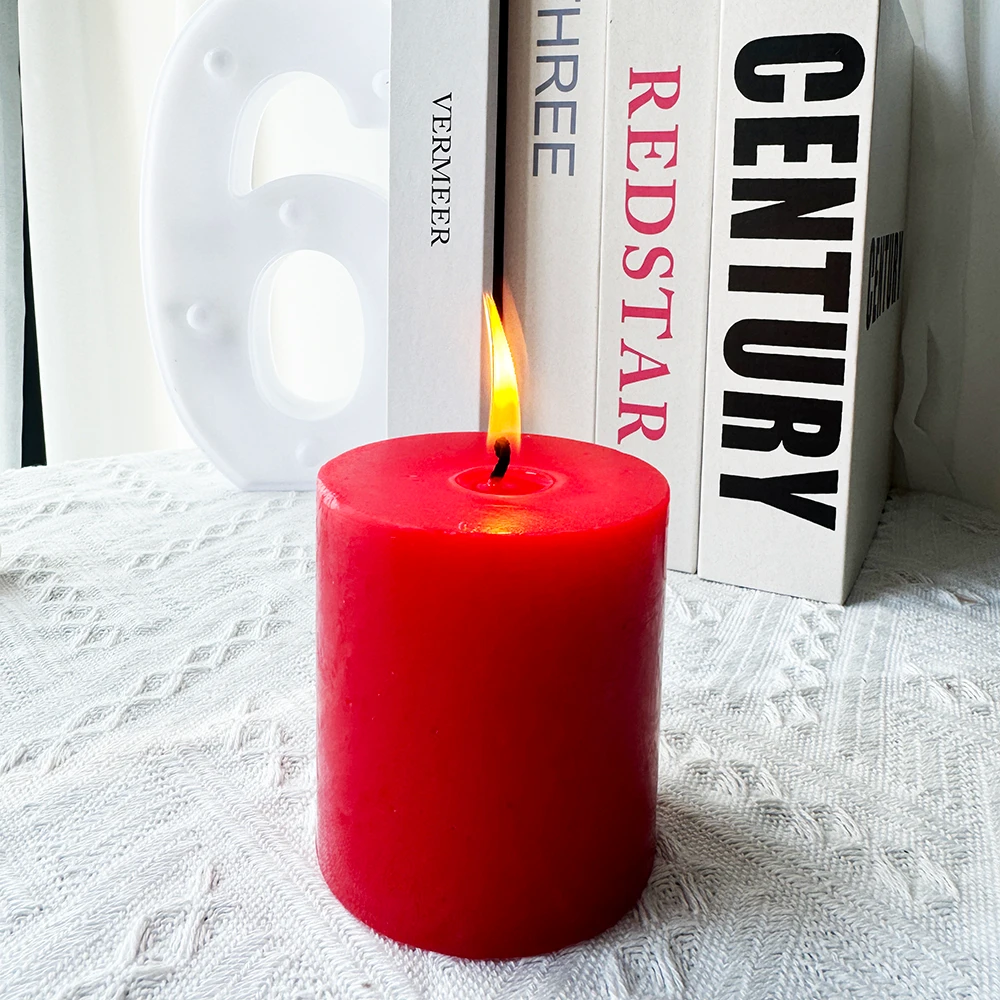
The foundation of any high-quality candle is its wax composition. For outdoor use, the wax must possess a higher melting point to prevent the candle from softening or "sweating" in warm sunlight. Pillar candles often utilize a blend of paraffin and stearin or a high-density soy wax to maintain structural integrity, ensuring that the outdoor scented candles do not collapse or tunnel prematurely.
Furthermore, the interaction between the wick and the wax is critical. A thicker, braided cotton wick is often preferred for outdoor applications to provide a stronger flame that can resist flickering. This ensures a deeper melt pool, which in turn facilitates a more efficient release of the embedded fragrance oils into the surrounding environment.
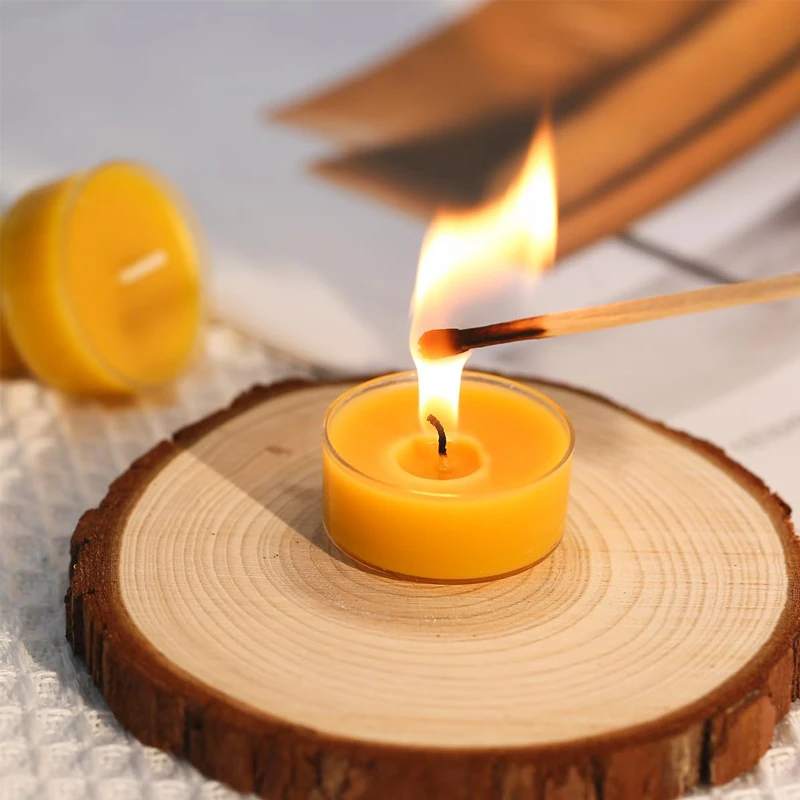
Beeswax is another premium option, valued for its natural air-purifying properties and naturally slow burn rate. When blended with specific aromatic compounds, beeswax creates a robust candle that is naturally more resistant to wind, making it a top choice for those seeking a sustainable yet high-performance outdoor lighting solution.
Designing for Weather Resistance
Weather resistance is the cornerstone of effective outdoor scented candles. The design must account for wind-induced heat loss, which can lead to incomplete combustion and excessive soot production. To mitigate this, many high-end outdoor candles are designed with recessed wicks or paired with specialized holders that shield the flame.
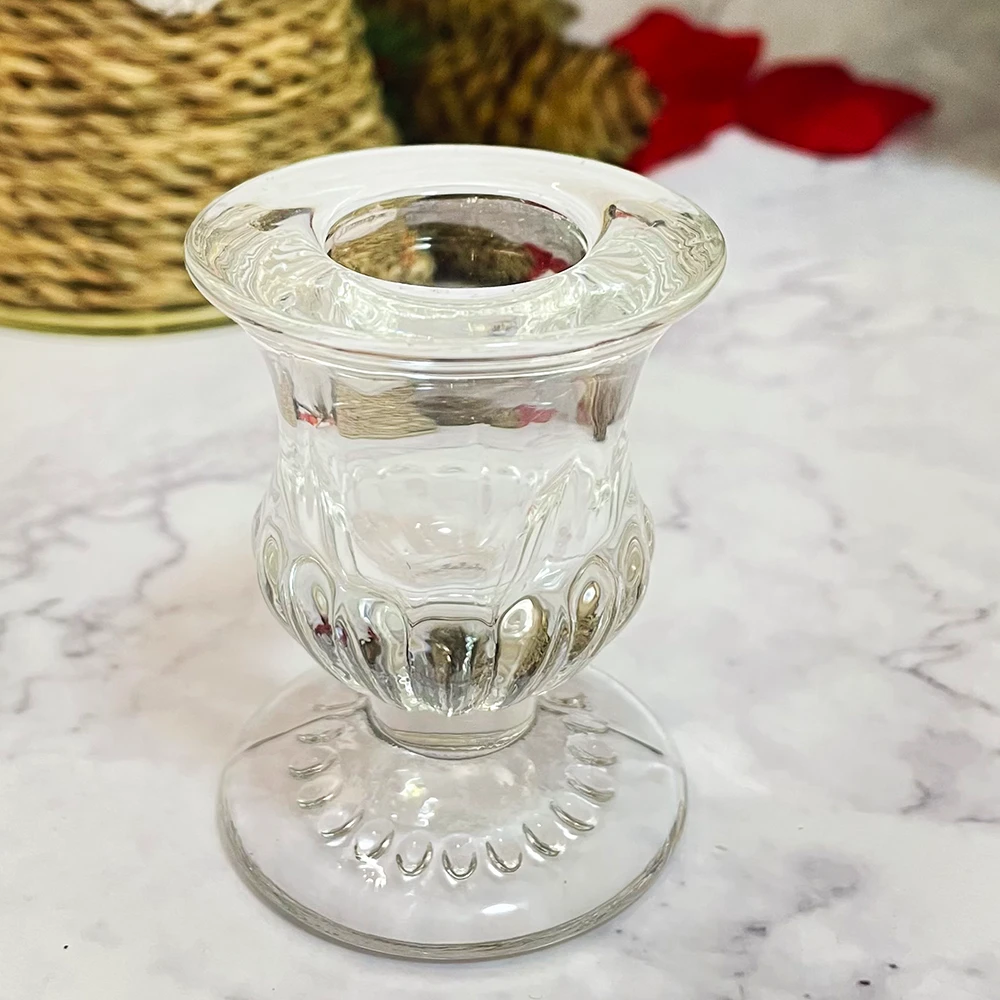
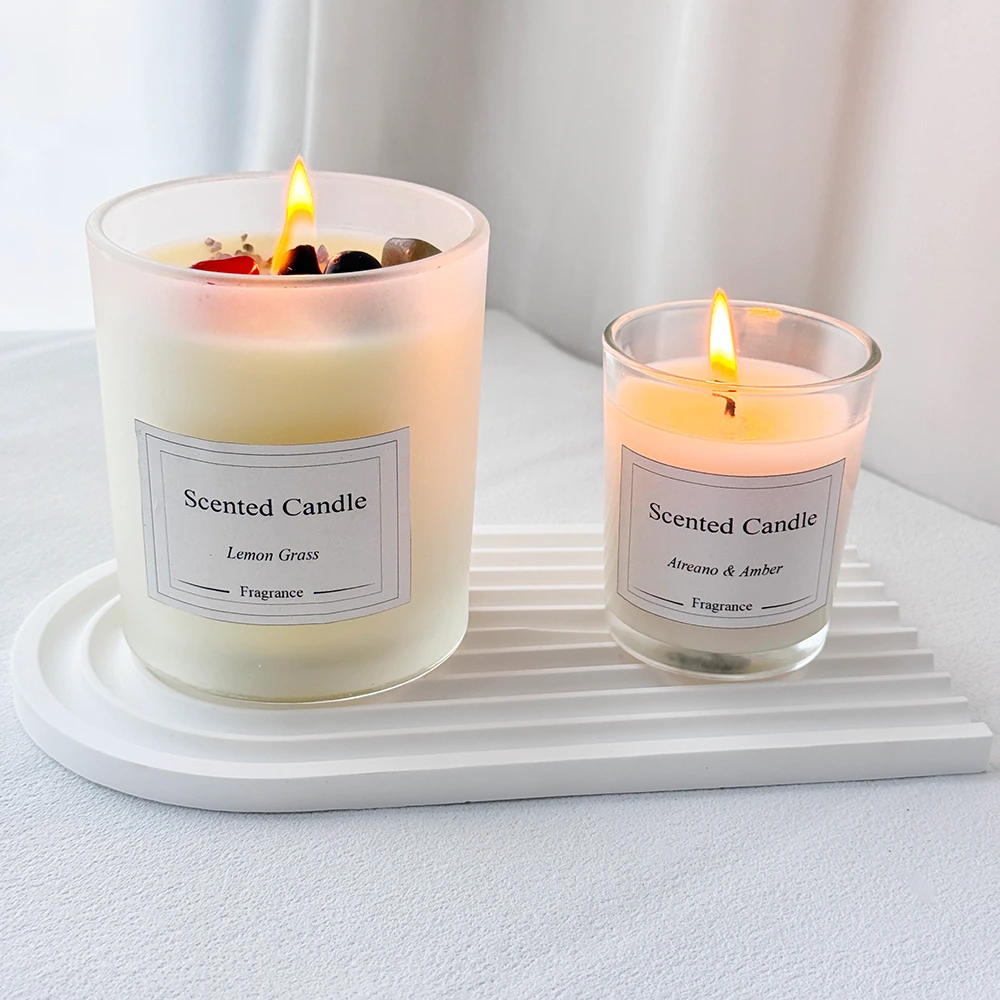
Integration with glass candle holders or metal lanterns provides a physical barrier against the elements. This not only protects the flame but also creates a "chimney effect," concentrating the heat and allowing the outdoor scented candles to throw their scent more effectively upward and outward in a controlled manner.
Additionally, UV-stabilized fragrances are employed to prevent the sun from degrading the aromatic oils. Without this protection, prolonged exposure to sunlight can cause the scent to fade or change chemically, resulting in a loss of the intended olfactory profile.
Performance Metrics of Outdoor Fragrances
Measuring the efficacy of outdoor scented candles involves analyzing several key performance indicators (KPIs), including the burn rate (grams per hour) and the fragrance saturation level. In a controlled outdoor test, a superior candle will maintain a stable flame and a consistent scent radius regardless of light wind shifts.
Another critical metric is the "cold throw" versus "hot throw." While the cold throw is the scent perceived when the candle is unlit, the hot throw is the active fragrance release. For outdoor products, the hot throw is prioritized to ensure the aroma can compete with other natural scents like grass, saltwater, or urban pollution.
Comparative Performance of Outdoor Scented Candle Types
Global Applications and Luxury Use Cases
The application of outdoor scented candles extends far beyond the residential backyard. In the hospitality industry, luxury resorts in the Maldives and Bali utilize large-scale scented pillar candles to create a "signature scent" for their outdoor pavilions, enhancing the guest's emotional connection to the location through olfactory branding.
Furthermore, in urban settings, rooftop lounges and open-air cafes use these candles to mask unpleasant city smells, such as exhaust or smog, replacing them with refreshing notes of lemongrass or eucalyptus. This strategic use of scent not only improves the customer experience but also increases the perceived value of the venue.
Environmental Impact and Sustainable Wax
As the global community shifts toward green energy and sustainability, the production of outdoor scented candles has evolved. The industry is moving away from petroleum-based paraffin toward renewable resources like soy, coconut, and rapeseed wax. These biodegradable alternatives reduce the carbon footprint and eliminate the release of toxic soot into the outdoor air.
The use of FSC-certified wooden wicks is another innovation. Not only do they provide a soothing crackle similar to a miniature fireplace, but they also burn more cleanly and sustainably than traditional lead-core wicks. This alignment with eco-friendly practices is no longer optional but a requirement for modern consumers.
Additionally, companies are implementing "circular packaging" by using recycled glass for candle holders and biodegradable soy-based inks for labeling. This holistic approach ensures that the beauty of the outdoors is preserved while the user enjoys the luxury of a scented environment.
Future Innovations in Scent Technology
The future of outdoor scented candles lies in the intersection of biotechnology and chemistry. We are seeing the emergence of "time-released" fragrance capsules that activate at different temperatures, allowing a single candle to transition its scent from a refreshing morning citrus to a calming evening lavender.
Automation is also playing a role, with the development of smart-wick systems that can adjust the burn rate based on ambient wind speed, ensuring maximum efficiency and safety. These innovations are designed to minimize waste while maximizing the sensory impact of the product.
Moreover, the integration of insect-repellent properties—using natural citronella and geranium oils—without compromising the luxury scent profile is a major area of R&D. The goal is to create a multi-functional product that provides aesthetic beauty, olfactory pleasure, and practical outdoor utility.
Comparative Analysis of Outdoor Scenting Technologies
| Technology Type |
Scent Persistence |
Wind Resistance |
Eco-Score (1-10) |
| Standard Paraffin |
Medium |
Low |
4 |
| High-Density Soy |
High |
Medium |
8 |
| Pure Beeswax |
Very High |
High |
9 |
| Coconut Blend |
High |
Medium |
9 |
| Gel-Based Scent |
Medium |
High |
5 |
| Hybrid Bio-Wax |
Extreme |
High |
10 |
FAQS
This is usually due to "scent dissipation" caused by wind and open air. To fix this, ensure you are using candles with a higher fragrance load and "heavier" base notes. Additionally, placing your candles in a glass holder or lantern can trap the aroma near the source, making the scent feel more concentrated.
Beeswax and high-density soy blends are ideal for hot weather because they have higher melting points. This prevents the candles from softening or melting away before they are even lit, ensuring they maintain their shape and fragrance integrity.
No candle should be left unattended. However, outdoor candles are safer when placed in stable, non-combustible holders (like metal or glass). Always ensure they are away from low-hanging branches, dry leaves, or flammable outdoor furniture.
While you can, indoor candles often have a lower fragrance concentration and a lower melting point. They are likely to burn through much faster and the scent will be barely noticeable once it hits the open air. Investing in dedicated outdoor candles provides a much better sensory experience.
Tunneling occurs when the wax doesn't melt all the way to the edges. For outdoor candles, this is often caused by wind cooling the edges of the wax. Use a lantern to keep the heat concentrated, and always let the first burn last long enough to create a full melt pool across the diameter.
Yes, soy wax is biodegradable and renewable, unlike paraffin which is a byproduct of petroleum. When paired with a lead-free cotton or wooden wick and recycled glass housing, soy candles significantly reduce the environmental impact of your outdoor ambiance.
Conclusion
In summary, outdoor scented candles are a sophisticated blend of olfactory art and chemical engineering. By focusing on high-density wax selection, weather-resistant designs, and potent fragrance profiles, these products successfully bridge the gap between indoor luxury and outdoor utility. The transition toward sustainable materials and smart scent technology further ensures that we can enhance our living spaces without compromising the health of our planet.
As we look toward the future, the integration of multi-functional benefits—such as combining aromatherapy with natural pest control—will redefine the outdoor experience. Whether for commercial hospitality or personal relaxation, choosing the right outdoor candle is an investment in atmosphere and well-being. To explore our professional range of high-performance candles, visit our website: www.ouniscandle.com