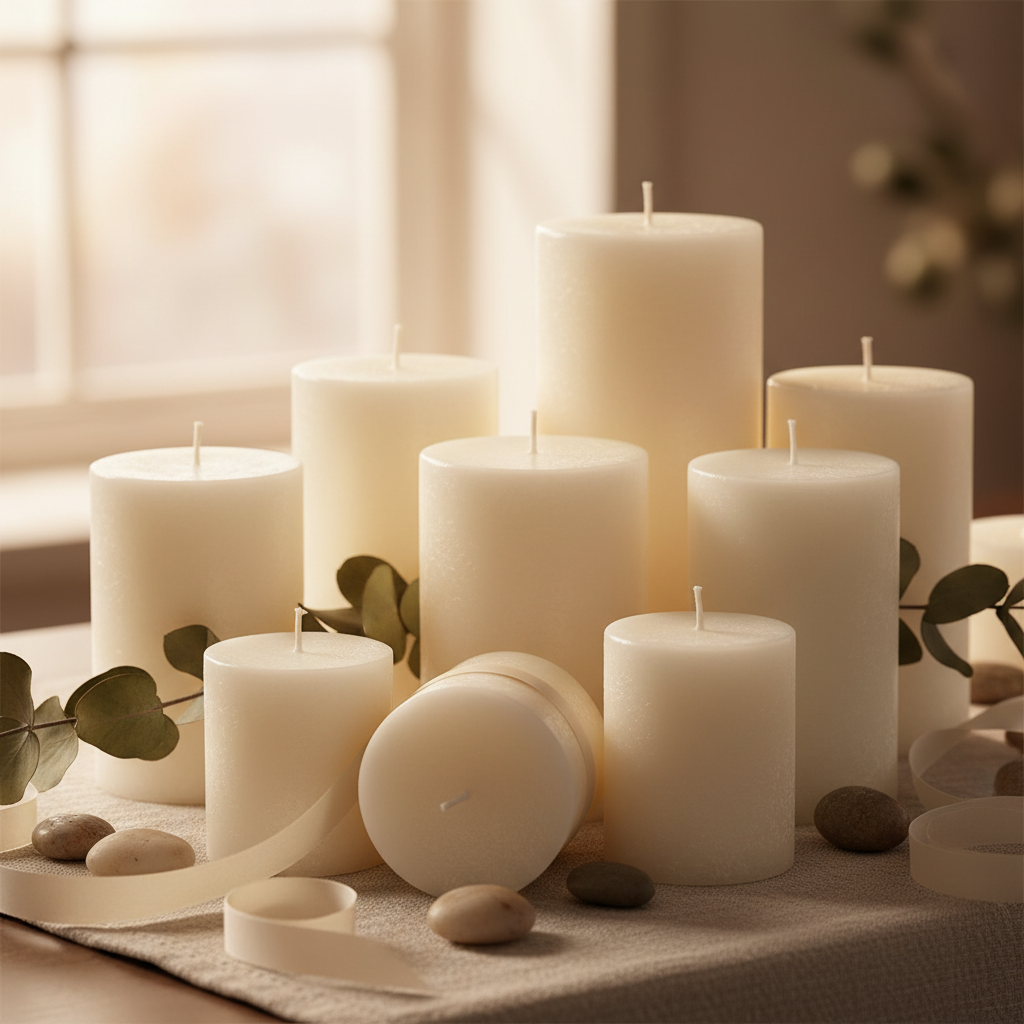
The enchanting aroma of a christmas tree scented candle evokes feelings of warmth, nostalgia, and festive cheer, making it a beloved fragrance during the holiday season. More than just a pleasant scent, these candles tap into deeply ingrained cultural associations with togetherness, joy, and the magic of Christmas. Understanding the nuances of christmas tree scented candle production, from essential oil sourcing to wax types, is increasingly important for consumers seeking authentic and high-quality products. This exploration will delve into the core aspects of christmas tree scented candle, its diverse applications, and future trends shaping this aromatic industry.
Globally, the demand for home fragrance products, including christmas tree scented candle, is consistently strong, with a market size estimated at over $5.6 billion in 2023 (Source: Statista). This growth is fueled by rising disposable incomes, increasing emphasis on self-care and creating comfortable home environments, and the expanding popularity of aromatherapy. The christmas tree scent specifically benefits from a seasonal surge in demand, representing a significant portion of holiday candle sales. However, concerns regarding sustainability, ethical sourcing of materials, and the potential health impacts of synthetic fragrances are driving a demand for transparency and natural alternatives within the christmas tree scented candle market.
The appeal of a christmas tree scented candle lies in its ability to instantly transport individuals to cherished holiday memories. It's a convenient and affordable way to infuse homes with a festive atmosphere, fostering a sense of peace and happiness during a often-hectic season. Furthermore, high-quality christmas tree scented candle can contribute to a relaxing ambiance, promoting stress relief and improving overall mood. As consumers become more conscious of the impact of their purchases, the demand for ethically and sustainably produced christmas tree scented candle is poised to grow further.
The Essence of Christmas Tree Scented Candles
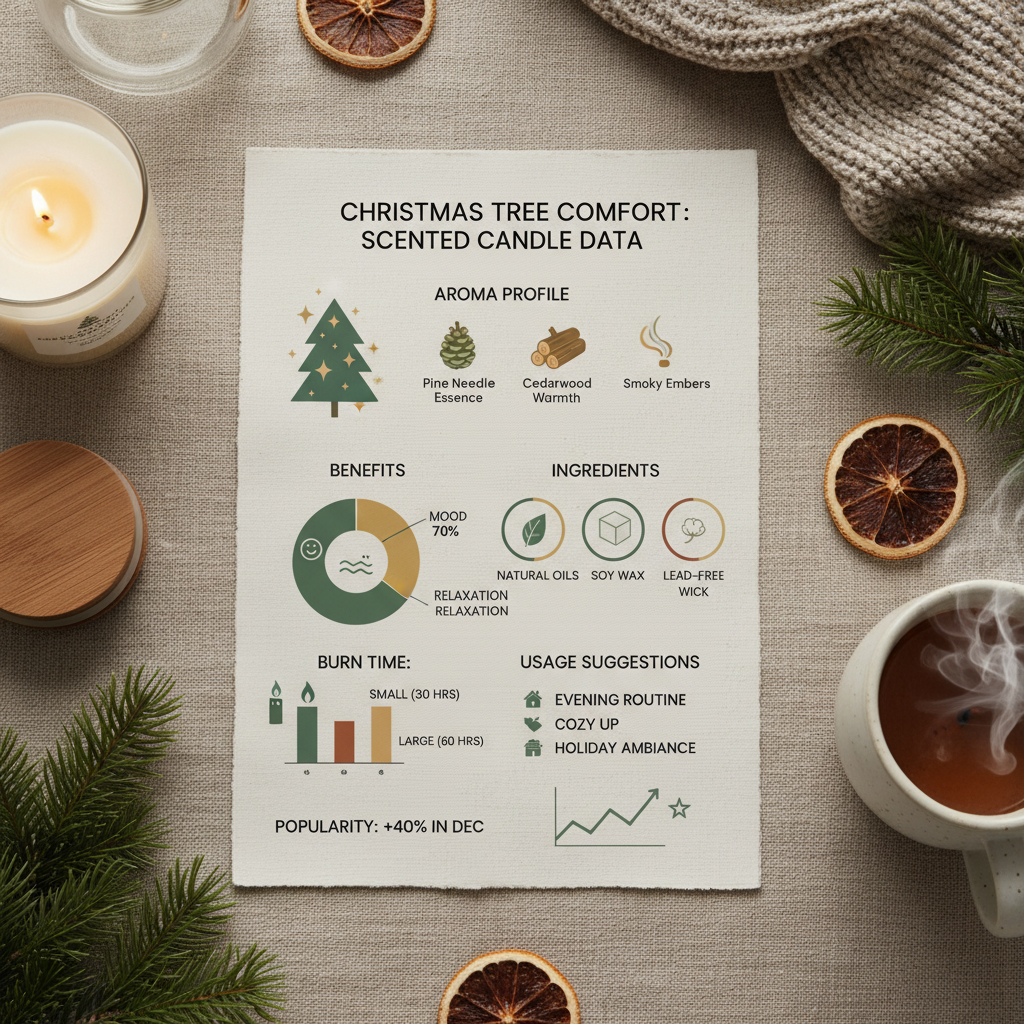
A christmas tree scented candle isn’t merely a fragrance; it's an experience. The evocative scent, typically a blend of fir, pine, and sometimes subtle citrus notes, is designed to recreate the sensory delight of being near a freshly cut Christmas tree. The quality of these candles varies greatly, depending on the ingredients used. Premium christmas tree scented candle utilizes essential oils extracted directly from coniferous trees, ensuring a natural and authentic aroma.
The complexity of crafting an exceptional christmas tree scented candle lies in balancing the different aromatic components. Achieving a scent that is both invigorating and comforting requires a delicate touch. Beyond the core pine and fir notes, skilled perfumers often incorporate nuances like cedarwood, eucalyptus, or even a hint of spice to create a more layered and captivating fragrance profile. At christmas tree scented candle we prioritize authentic and natural scents.
Global Significance & Market Dynamics
The global home fragrance market is substantial and growing, with christmas tree scented candle representing a significant segment during the holiday season. North America and Europe currently dominate the market share, driven by established traditions and higher disposable incomes. However, emerging economies in Asia-Pacific are experiencing rapid growth in demand, particularly in countries like China and India, as lifestyles evolve and consumers embrace Western holiday traditions.
The market is highly competitive, with numerous brands vying for consumer attention. Trends such as natural and organic fragrances, sustainable packaging, and personalized candle experiences are shaping the industry. Consumers are increasingly scrutinizing ingredient lists and seeking out brands committed to ethical sourcing and environmentally friendly practices. This shift towards conscious consumption presents both challenges and opportunities for christmas tree scented candle manufacturers.
Supply chain disruptions and fluctuations in raw material costs (essential oils, waxes, wicks) can impact pricing and availability. Effective supply chain management and strategic sourcing are crucial for maintaining profitability and meeting consumer demand. The rise of e-commerce and direct-to-consumer (DTC) sales channels have also transformed the landscape, allowing brands to reach wider audiences and build stronger relationships with their customers.
Defining the Christmas Tree Scented Candle
A christmas tree scented candle is fundamentally a wax-based candle infused with fragrances designed to replicate the aroma of a Christmas tree. The scent profile typically centers around coniferous trees like fir, pine, and spruce, and may be complemented by additional notes to create a more complex and realistic olfactory experience. These candles can vary greatly in composition, from those using synthetic fragrances to those relying on pure essential oils.
The modern christmas tree scented candle evolved from the historical practice of burning fragrant resins and woods for religious and celebratory purposes. The integration of specific "Christmas tree" scents became more prevalent in the 20th century, coinciding with the increasing popularity of decorated Christmas trees in homes. Today, it represents a potent symbol of the holiday season, triggering positive emotional responses and fostering a sense of festive spirit.
The connection between christmas tree scented candle and modern industry is primarily rooted in the home fragrance and aromatherapy sectors. The increasing demand for wellness products and the desire to create comforting home environments have fueled the growth of this market. Furthermore, the development of new wax technologies and fragrance encapsulation techniques has allowed for more sophisticated and long-lasting christmas tree scented candle experiences.
Key Components & Characteristics
The quality of a christmas tree scented candle hinges on several key components. First, the wax type significantly influences burn time, scent throw, and overall candle performance. Common waxes include paraffin, soy wax, beeswax, and coconut wax, each with its own advantages and disadvantages. Soy wax and beeswax are often favored for their eco-friendliness and cleaner burn.
Secondly, the fragrance oil or essential oil blend is crucial for achieving an authentic christmas tree scent. The purity and concentration of these oils directly impact the strength and longevity of the aroma. High-quality essential oils offer therapeutic benefits in addition to their fragrance, contributing to a more holistic experience. christmas tree scented candle uses only the finest oils.
Christmas Tree Scented Candle Quality Metrics
Applications & Consumer Trends
The primary application of christmas tree scented candle is to create a festive and welcoming atmosphere in homes during the holiday season. However, their appeal extends beyond this traditional use. They are increasingly used in retail environments to evoke a sense of holiday cheer and encourage purchases. The scent is also popular in hospitality settings, such as hotels and spas, to create a relaxing and inviting ambiance.
Consumer trends reveal a growing preference for natural and sustainable christmas tree scented candle options. This includes candles made with soy wax, beeswax, or coconut wax, and scented with pure essential oils rather than synthetic fragrances. There’s also a rising demand for unique and artisanal candles, crafted by independent makers.
Benefits & Long-Term Value Proposition
The tangible benefits of a high-quality christmas tree scented candle extend beyond simply a pleasant aroma. Natural wax candles, like those made with soy or beeswax, burn cleaner and longer than paraffin candles, reducing soot and minimizing potential health concerns. The use of pure essential oils can offer aromatherapy benefits, such as stress reduction and mood enhancement.
The long-term value lies in the emotional connection the scent evokes. The aroma of a christmas tree scented candle can trigger cherished memories and foster a sense of nostalgia and wellbeing. Investing in a well-crafted, ethically sourced candle can also support sustainable practices and small businesses. christmas tree scented candle focuses on providing ethically sourced, high quality candles.
Future Outlook & Innovation in Scent
The future of christmas tree scented candle is likely to be shaped by advancements in fragrance technology and a continued focus on sustainability. Expect to see more sophisticated scent combinations, utilizing innovative fragrance encapsulation techniques to create longer-lasting and more complex aromas. The development of bio-based waxes and sustainable packaging materials will also be crucial.
Digital technologies, such as scent personalization and smart home integration, may also play a role. Imagine a christmas tree scented candle that can be adjusted remotely via a smartphone app, or that automatically adapts its scent profile based on the time of day or user preferences.
The increasing awareness of the environmental impact of consumer products will drive demand for fully biodegradable christmas tree scented candle options. Utilizing recycled materials in both the candle container and packaging, as well as minimizing waste throughout the production process, will become increasingly important for brands seeking to appeal to environmentally conscious consumers.
Key Considerations for Christmas Tree Scented Candle Development
| Scent Authenticity |
Sustainability Metrics |
Burn Performance |
Consumer Preference |
| Accuracy in replicating the natural Christmas tree aroma. |
Use of renewable resources and eco-friendly packaging. |
Long-lasting burn time without excessive soot. |
Demand for natural versus synthetic fragrances. |
| Purity and quality of essential oils used. |
Reduced carbon footprint throughout the supply chain. |
Consistent burn pool and even fragrance release. |
Preference for specific coniferous tree scents. |
| Complexity of the scent profile – layers and nuances. |
Biodegradability of candle components. |
Minimal wax wastage. |
Desire for unique and artisanal candle designs. |
| Impact of scent on emotional wellbeing. |
Ethical sourcing of raw materials. |
Wick stability and prevention of tunneling. |
Importance of brand reputation and transparency. |
| Scent strength and projection. |
Recyclability of packaging materials. |
Absence of harmful chemicals or additives. |
Price sensitivity and willingness to pay a premium for quality. |
| Longevity of scent retention after burning. |
Minimizing waste during manufacturing. |
Consistent quality across different batches. |
Influence of marketing and social media. |
FAQS
Essential oils are derived directly from plants through processes like distillation, offering a natural aroma and potential therapeutic benefits. Fragrance oils, however, are synthetically created to mimic scents. While more affordable, they lack the complexity and health benefits of essential oils. Choosing a christmas tree scented candle with genuine essential oils ensures a higher quality and more authentic experience.
Look for candles made with sustainable waxes like soy, beeswax, or coconut wax, as these are renewable resources. Check the packaging for recycled materials and minimal plastic use. Brands committed to ethical sourcing will often transparently share information about their supply chains and manufacturing processes. Certifications like RSPO for palm oil (if used) can also indicate sustainability.
Scent throw refers to how strongly a candle's fragrance fills a room. It's influenced by factors like the wax type, fragrance oil concentration, and wick size. A higher quality christmas tree scented candle will have a strong scent throw, meaning you'll be able to enjoy the aroma throughout the space. Consider the room size when choosing a candle with the appropriate scent throw.
Always trim the wick to ¼ inch before each burn to prevent smoking and ensure a clean burn. Allow the wax to melt completely to the edges of the container on the first burn to prevent tunneling. Avoid burning the candle for more than 4 hours at a time. Store the candle in a cool, dark place when not in use to preserve the fragrance.
Individuals with sensitivities or allergies should carefully review the ingredient list. Synthetic fragrances can often trigger allergic reactions. Opt for candles made with pure essential oils, as they are less likely to cause irritation. Always ensure the candle is burned in a well-ventilated area. If you experience any adverse reactions, discontinue use immediately.
Beeswax and coconut wax generally offer the longest burn times due to their higher melting points. Soy wax is also a good option, providing a clean burn and decent longevity. Paraffin wax is the most affordable but tends to burn faster and may release more soot. Consider your priorities—longevity, cleanliness, and cost—when choosing a wax type for your christmas tree scented candle.
Conclusion
In conclusion, the christmas tree scented candle is more than just a festive fragrance; it's a sensory experience steeped in tradition and emotion. From the careful selection of waxes and essential oils to the sustainable practices employed by responsible manufacturers, every aspect of its creation contributes to the overall experience. Understanding the key components, trends, and future innovations surrounding christmas tree scented candle empowers consumers to make informed choices and fully appreciate the magic it brings to the holiday season.
As consumer demand for natural, sustainable, and ethically sourced products continues to grow, the christmas tree scented candle industry will undoubtedly evolve. Embracing innovation in fragrance technology, prioritizing environmentally friendly practices, and fostering transparency throughout the supply chain will be crucial for long-term success. Explore our range of exquisite christmas tree scented candle at christmas tree scented candle and elevate your holiday experience today!