In an era where indoor air quality has become a paramount health concern, the shift toward healthy scented candles represents more than just a trend; it is a necessary evolution in home wellness. Traditional paraffin candles often release volatile organic compounds (VOCs) and soot that can irritate the respiratory system, leading many conscious consumers to seek cleaner, safer alternatives that provide aromatic bliss without compromising lung health.
The global market for home fragrance is undergoing a significant transformation, driven by an increasing awareness of "clean labeling" and the environmental impact of petroleum-based waxes. By integrating natural waxes and phthalate-free fragrances, the industry is now focusing on creating products that support mental well-being—reducing stress and anxiety—while ensuring that the air we breathe remains pure and toxin-free.
Understanding the components of healthy scented candles allows consumers to make informed choices that align with their health goals and ecological values. From the choice of the wick to the purity of the essential oils, every detail matters in crafting a candle that elevates a space safely and sustainably.
The Global Impact of Clean Air Fragrance
The demand for healthy scented candles has surged globally as urbanization increases and people spend more time indoors. According to environmental health standards, indoor air can be significantly more polluted than outdoor air; thus, the introduction of paraffin-based pollutants only exacerbates the risk of respiratory irritation. By transitioning to plant-based alternatives, the industry is addressing a critical public health challenge.
From the wellness hubs of Scandinavia to the bustling cities of Asia, there is a documented shift toward "Slow Living." This movement prioritizes products that are biodegradable and non-toxic. The integration of organic beeswax and soy wax not only reduces the carbon footprint but also ensures that the atmospheric quality of a home remains conducive to healing and relaxation.
Defining Healthy Scented Candles in Modern Industry
In technical terms, healthy scented candles are defined as fragrance-delivery systems that utilize renewable, non-petroleum waxes and fragrance oils free from endocrine disruptors like phthalates. Unlike conventional candles, these products are engineered to burn cleanly, meaning they produce minimal to no soot and do not release toluene or benzene into the air.
This definition extends beyond mere ingredients; it encompasses the entire manufacturing process. A truly healthy candle is produced using sustainable sourcing methods, ensuring that the wax—whether it be soy, coconut, or beeswax—is harvested without exploiting the environment. This holistic approach aligns with the ISO standards for environmental management and consumer safety.
Modern industry now views these products as "wellness tools" rather than simple home decor. By bridging the gap between chemistry and aromatherapy, healthy scented candles serve the humanitarian need for mental health support in high-stress urban environments, offering a safe way to practice mindfulness and sensory therapy.
Core Components of Non-Toxic Candle Making
The foundation of healthy scented candles lies in the wax selection. Soy wax and beeswax are preferred for their low melting points and clean combustion profiles, which prevent the accumulation of carbon deposits on walls and in the lungs of the users.
Fragrance purity is the second critical component. Many mass-market candles use synthetic musks that can trigger allergies; however, high-quality healthy scented candles utilize pure essential oils or phthalate-free fragrance oils that maintain their olfactory integrity without releasing harmful chemicals upon heating.
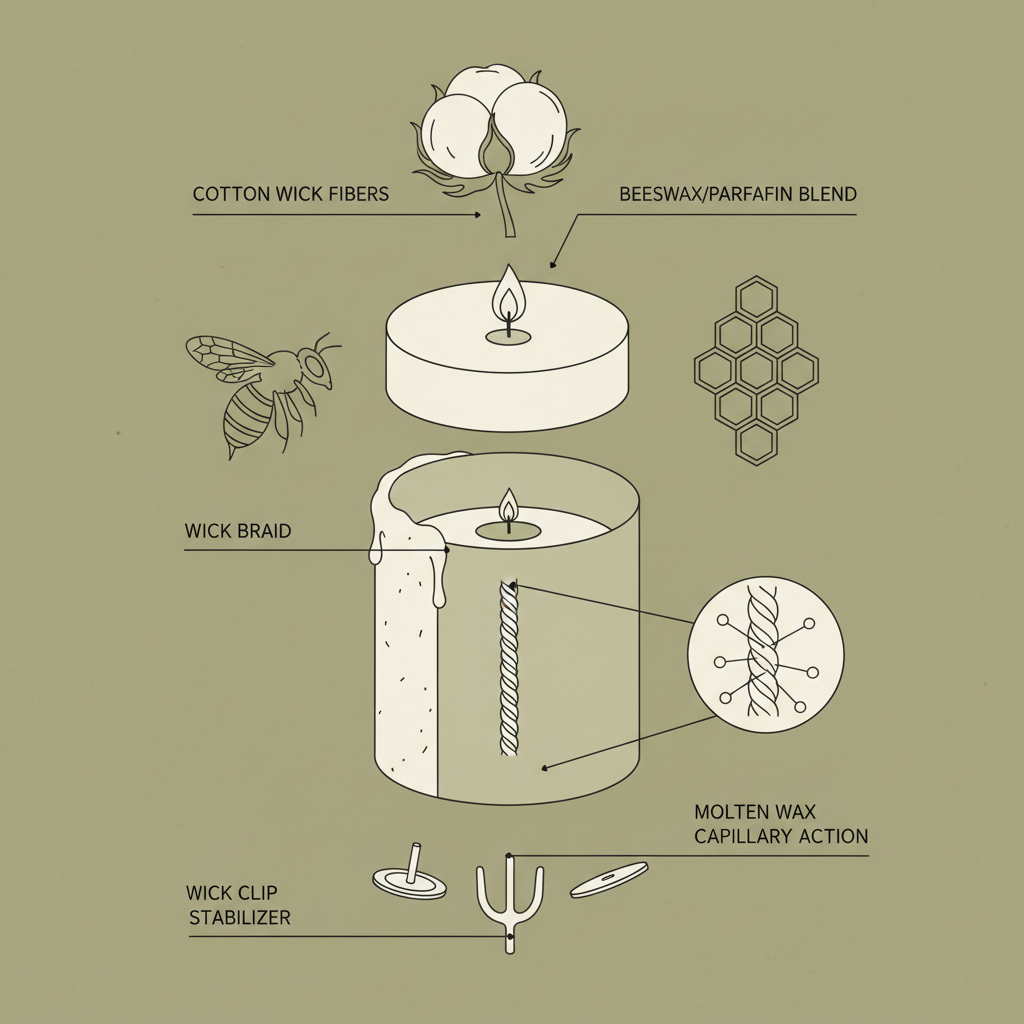
Lastly, the wick material determines the burn quality. Lead-core wicks are an antique danger; modern healthy options use organic cotton or FSC-certified wood wicks. These materials ensure a steady flame and a complete burn, maximizing the lifespan of the candle while minimizing smoke emissions.
Practical Performance and Efficiency Metrics
When evaluating the efficiency of healthy scented candles, we look at "scent throw"—the ability of the fragrance to fill a room—and "burn rate." Plant-based waxes typically burn slower than paraffin, providing a longer-lasting experience and better cost-efficiency for the end-user.
The following data illustrates how different formulations of healthy waxes perform across key quality indicators, demonstrating that natural alternatives can match or exceed the performance of synthetic ones.
Comparative Performance of Healthy Scented Candles Formulations
Global Applications for Therapeutic Scenting
The application of healthy scented candles extends far beyond residential living rooms. In high-end hospitality and spa industries across Europe and North America, these candles are used to create a "sensory signature" that promotes immediate relaxation for guests without the risk of triggering respiratory sensitivities.
Furthermore, in therapeutic settings such as holistic clinics and mindfulness centers, specific scent profiles (like lavender or sandalwood) are deployed to lower cortisol levels. Because these candles are non-toxic, they can be used safely in smaller, enclosed meditation spaces where air circulation may be limited, ensuring the environment remains healthful.
Long-Term Value and Sustainable Benefits
Investing in healthy scented candles provides tangible long-term value by reducing the chemical load on the home environment. By eliminating paraffin, users avoid the long-term accumulation of soot on furniture and fabrics, and more importantly, reduce the inhalation of carcinogenic compounds over years of use.
From a sustainability perspective, the use of biodegradable waxes supports a circular economy. Soy and coconut waxes are renewable resources that decompose naturally, unlike petroleum-based products. This choice reflects a commitment to the planet, reducing the overall demand for fossil fuels in the consumer goods sector.
Emotionally, the trust established through transparency in ingredients creates a deeper bond between the consumer and the product. The peace of mind knowing that a child or pet is safe in a room with a burning candle is an intangible but invaluable benefit that defines the premium nature of health-centric home fragrances.
Future Innovations in Bio-Wax Technology
The future of healthy scented candles is moving toward "smart fragrance" and advanced bio-polymer waxes. Researchers are currently exploring algae-based waxes which could offer an even lower carbon footprint than soy, while providing superior scent-holding capabilities.
Digital transformation is also playing a role, with the rise of personalized scenting. AI-driven profiles can now help consumers choose the specific blend of essential oils in their healthy candles based on their current mood or health needs, creating a customized wellness experience.
As global regulations on VOCs become stricter, we expect a total industry pivot toward certified non-toxic standards. The integration of automated precision pouring and eco-friendly packaging will further minimize waste, making the luxury candle experience entirely sustainable.
Comparison of Bio-Wax Material properties for Healthy Candles
|
Wax Type
|
Soot Emission Level
|
Scent Throw Strength
|
Eco-Sustainability Score
|
| Soy Wax |
Very Low |
Moderate |
8/10 |
| Beeswax |
Negligible |
Natural Honey Scent |
9/10 |
| Coconut Wax |
Very Low |
Excellent |
9/10 |
| Paraffin (Control) |
High |
Very Strong |
2/10 |
| Rapeseed Wax |
Low |
High |
7/10 |
| Palm Wax (RSPO) |
Low |
Moderate |
6/10 |
FAQS
A healthy candle is primarily defined by its ingredients. While standard candles often use paraffin wax (a petroleum byproduct) and synthetic fragrances containing phthalates, healthy scented candles use renewable waxes like soy, coconut, or beeswax and phthalate-free or essential oil fragrances. This ensures that when burned, they do not release toxic chemicals or heavy soot into your living space, making them safer for children, pets, and people with respiratory sensitivities.
Yes, though the experience is different. Paraffin is highly efficient at "throwing" scent, but it can often feel artificial or overwhelming. Healthy candles, especially those using coconut wax blends, provide a more natural and sophisticated scent throw. While they may not be as aggressively pungent as synthetic options, they offer a cleaner, more authentic aromatic experience that is more pleasant for long-term use in a room.
Soy is a great standard, but not always the absolute healthiest. The quality depends on whether the soy is GMO-free and how it's processed. Pure beeswax is often considered the gold standard for health because it naturally purifies the air by releasing negative ions. For the best results, look for candles that combine these natural waxes with lead-free cotton or wood wicks and certified non-toxic fragrances.
Yes, that is one of their primary advantages. Because they produce significantly less soot and omit hazardous VOCs, they are far safer for use in smaller spaces than traditional candles. However, we always recommend a brief period of ventilation after burning any candle to refresh the oxygen levels in the room and maintain an optimal environment.
Check the label for transparency. Avoid brands that simply say "natural" without specifying the wax type. Look for terms like "100% Soy Wax," "Phthalate-Free," "Lead-Free Wicks," and "Paraben-Free." A truly healthy brand will be open about its ingredient list and sourcing methods. If a brand hides its fragrance components under the generic term "perfume," it may be worth investigating further.
Generally, yes. Natural waxes like soy and beeswax have a higher melting point and burn at a slower, more consistent rate than paraffin. This means a healthy scented candle of the same size will typically provide more hours of fragrance and light than a standard candle, offering better long-term value and reducing the frequency of replacement.
Conclusion
The transition to healthy scented candles is a critical step in integrating wellness into our home environments. By prioritizing non-toxic waxes, pure fragrances, and sustainable wicks, we can enjoy the psychological benefits of aromatherapy without the hidden costs of indoor air pollution. From the reduction of respiratory irritants to the support of eco-friendly farming, the value of these products spans across personal health and global sustainability.
As we look toward the future, the continued innovation in bio-wax technology and the demand for total ingredient transparency will likely make clean-burning candles the industry standard. We encourage consumers to audit their current home fragrances and make the switch to safer, cleaner alternatives. For those seeking the perfect blend of luxury and health, we invite you to explore our professional range. Visit our website: www.ouniscandle.com