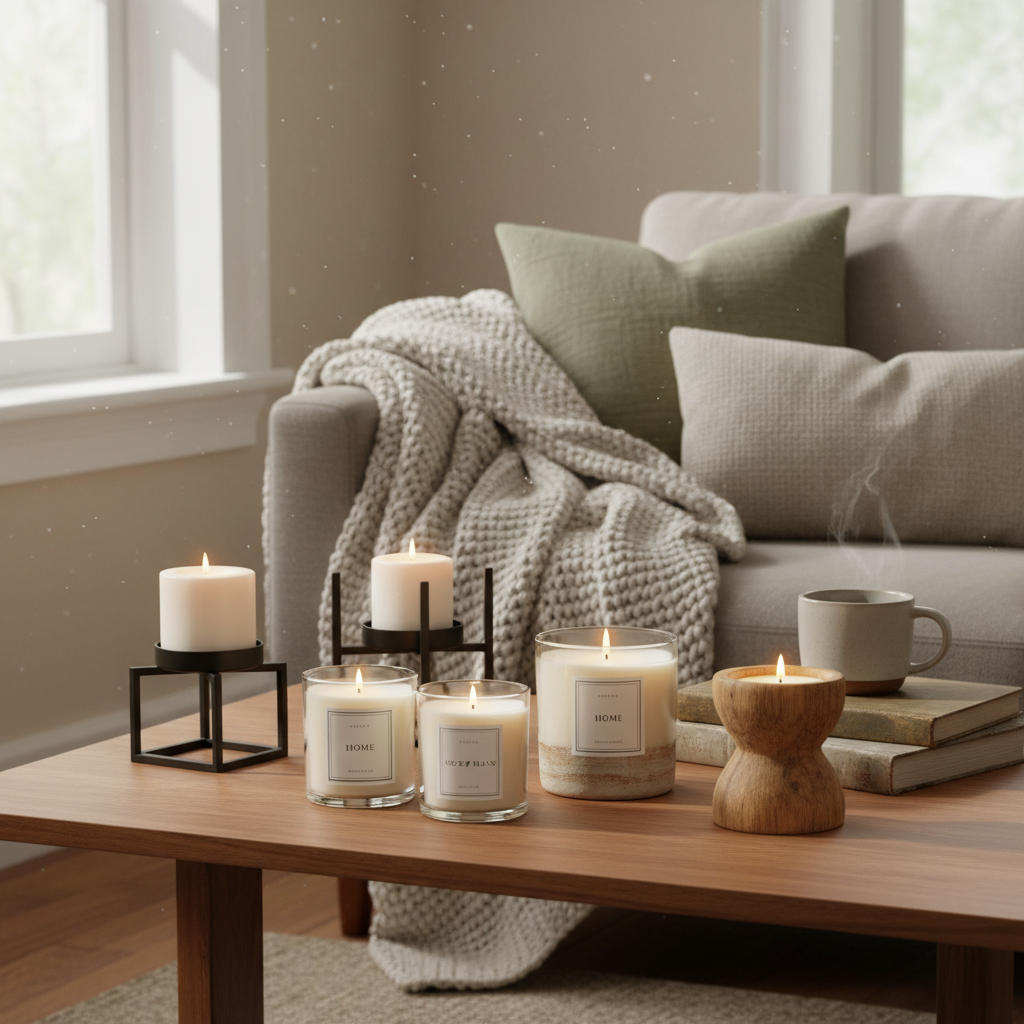
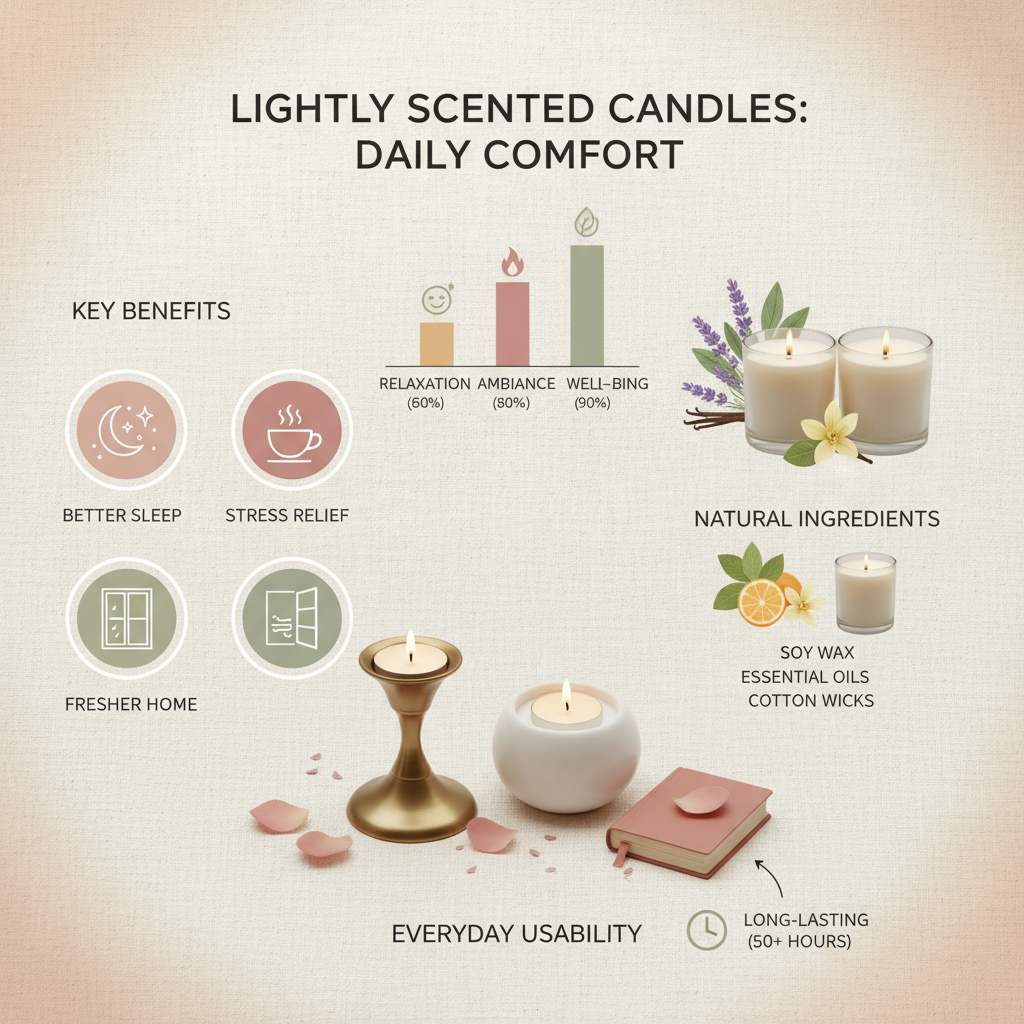
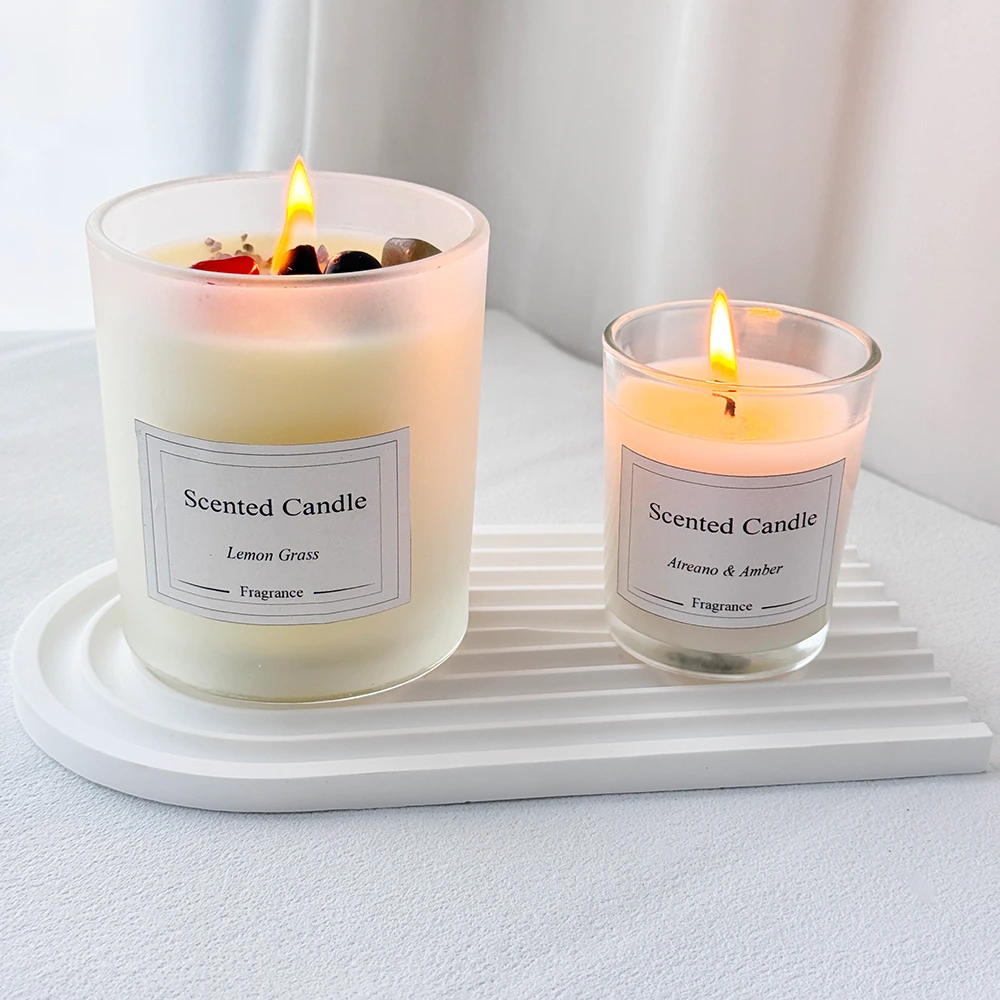
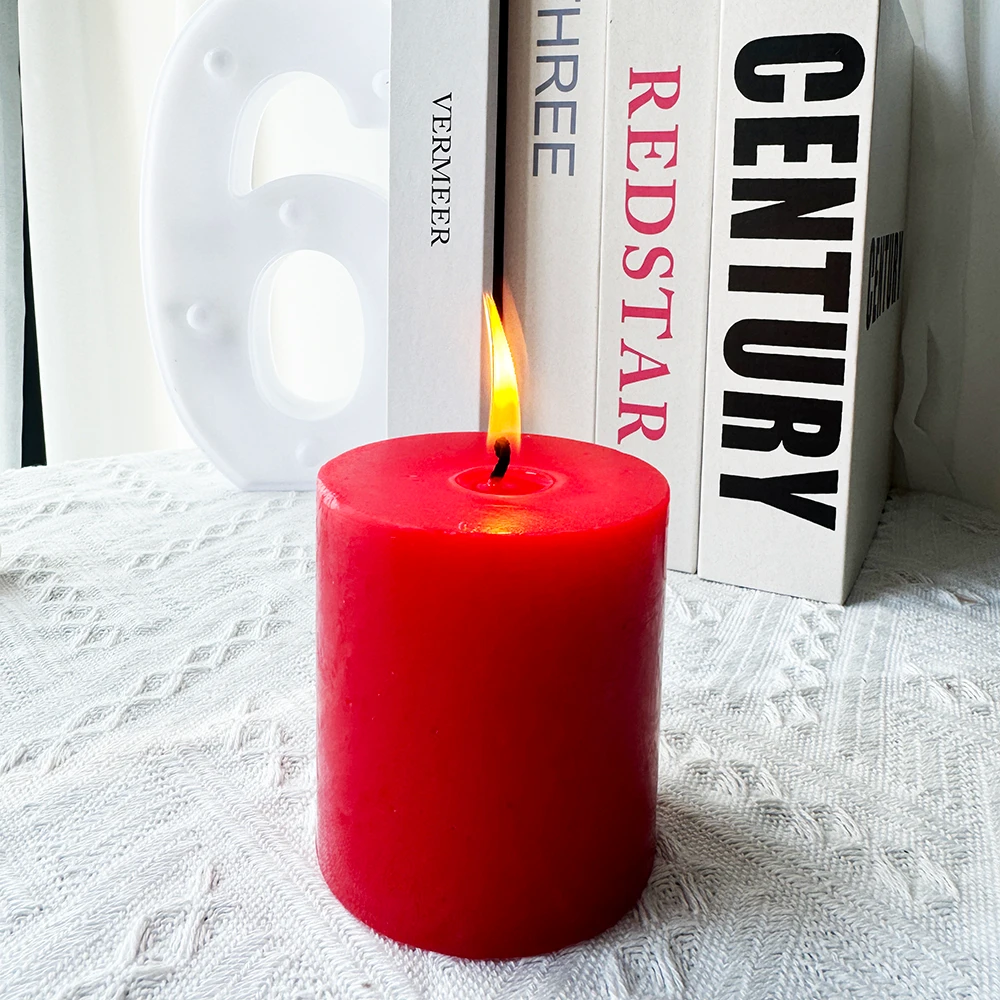
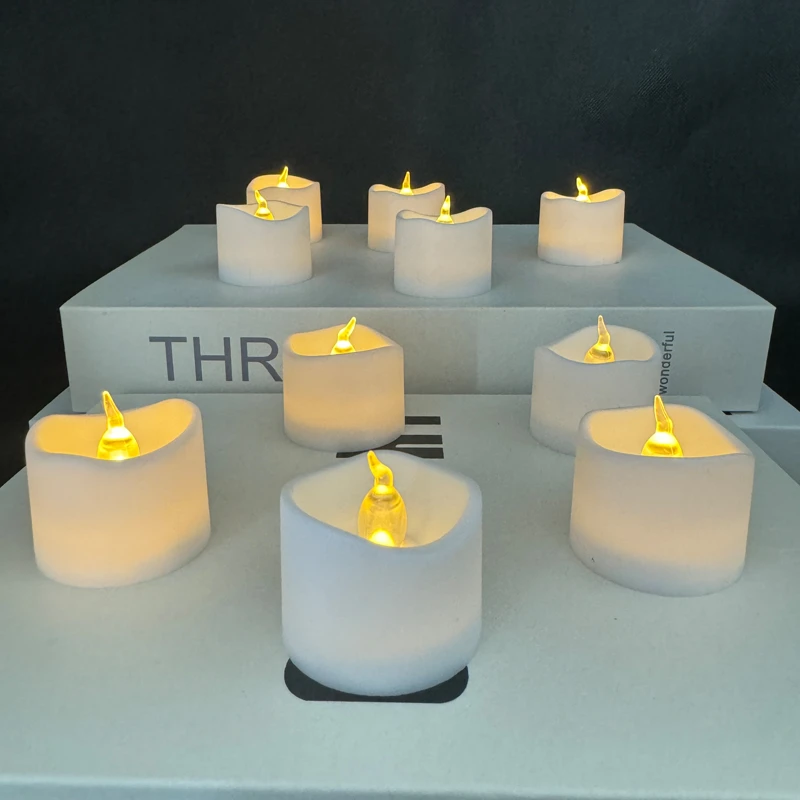
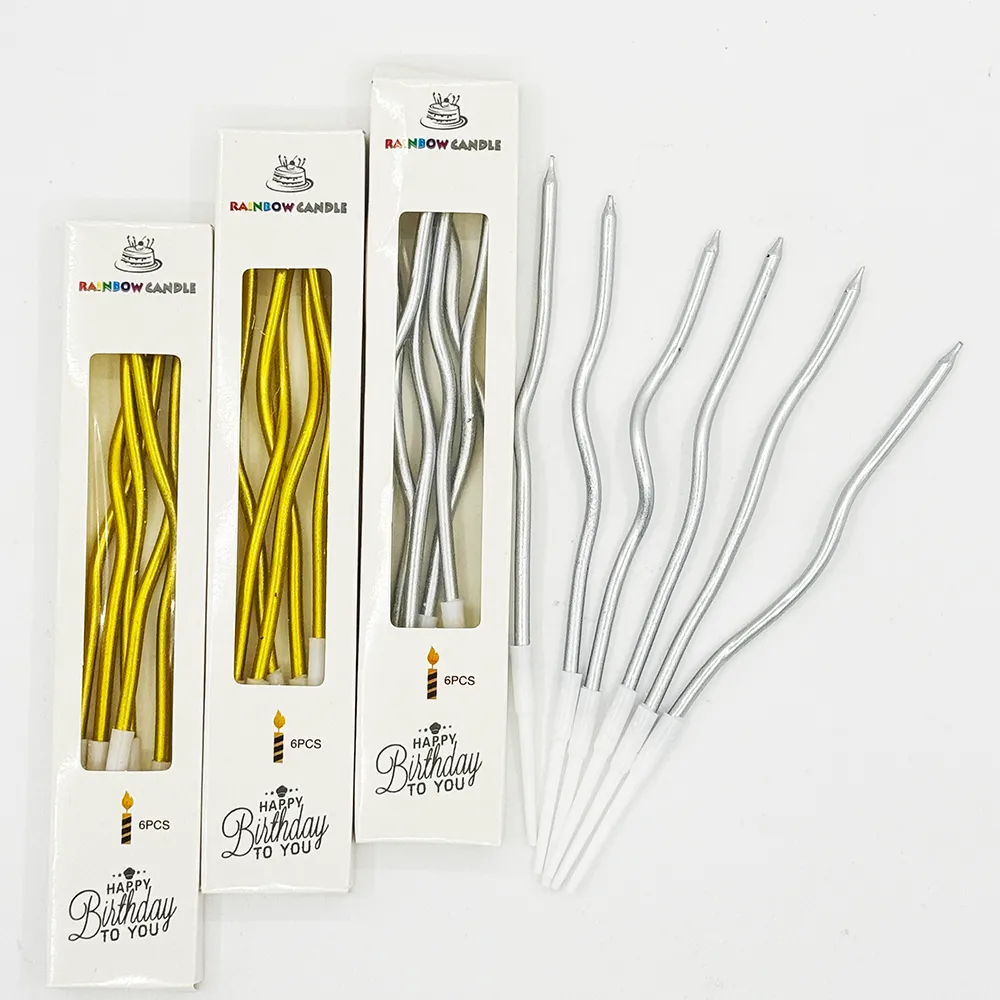
In the evolving landscape of home fragrance, there is a growing shift toward subtlety and mindfulness. lightly scented candles represent a sophisticated middle ground, offering a delicate olfactory experience that enhances an environment without overwhelming the senses. This trend reflects a broader global move toward "quiet luxury" and wellness, where the goal is to create a serene atmosphere rather than a pungent one.
For many consumers, the intensity of traditional aromatic candles can be counterproductive, often leading to olfactory fatigue or triggering sensitivities. By prioritizing a balanced fragrance load, these understated products allow the natural notes of the wax—such as high-quality beeswax or soy—to shine through. This approach transforms a simple household item into a tool for mental clarity and stress reduction.
Understanding the science and artistry behind lightly scented candles is essential for both manufacturers and enthusiasts. From the precise percentage of fragrance oil to the selection of the wick, every detail contributes to a scent throw that feels natural and airy. In this guide, we explore why these delicate fragrances are becoming the preferred choice for modern interior design and personal wellness.
Global Market Relevance of Lightly Scented Candles
On a global scale, the demand for lightly scented candles has surged as consumers become more conscious of indoor air quality and synthetic additives. Market data indicates a significant rise in "fragrance-sensitive" demographics, leading ISO-aligned manufacturers to refine their scent-loading processes. The challenge has shifted from how strong a candle can smell to how precisely a scent can be delivered without compromising the health of the user.
This shift is particularly evident in urban centers across Europe and Asia, where small living spaces make heavy scents oppressive. The industry is responding by developing "whisper-quiet" fragrances—scents that are detectable only upon close approach or in a gentle breeze. This evolution aligns with global wellness trends that emphasize mindfulness, minimalism, and the reduction of sensory overload in the home environment.
Defining the Subtle Fragrance Standard
At its core, lightly scented candles are defined by a reduced fragrance oil load, typically ranging from 3% to 6%, compared to the 8% to 12% found in traditional heavily scented versions. This technical adjustment ensures that the "cold throw" (the scent when unlit) and "hot throw" (the scent when burning) remain understated and elegant, avoiding the chemical sharpness often associated with high-concentration synthetic perfumes.
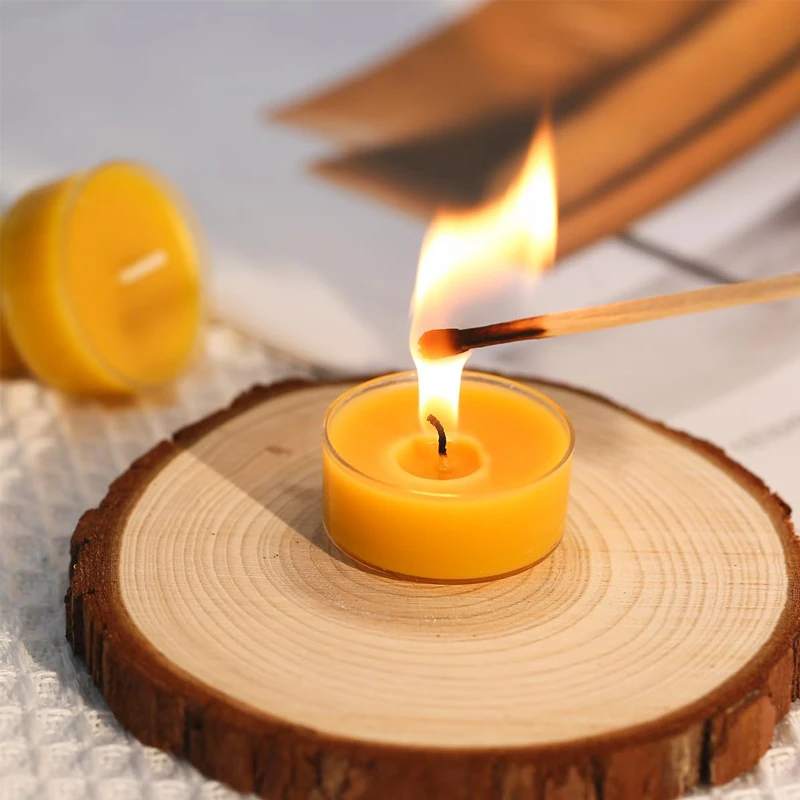
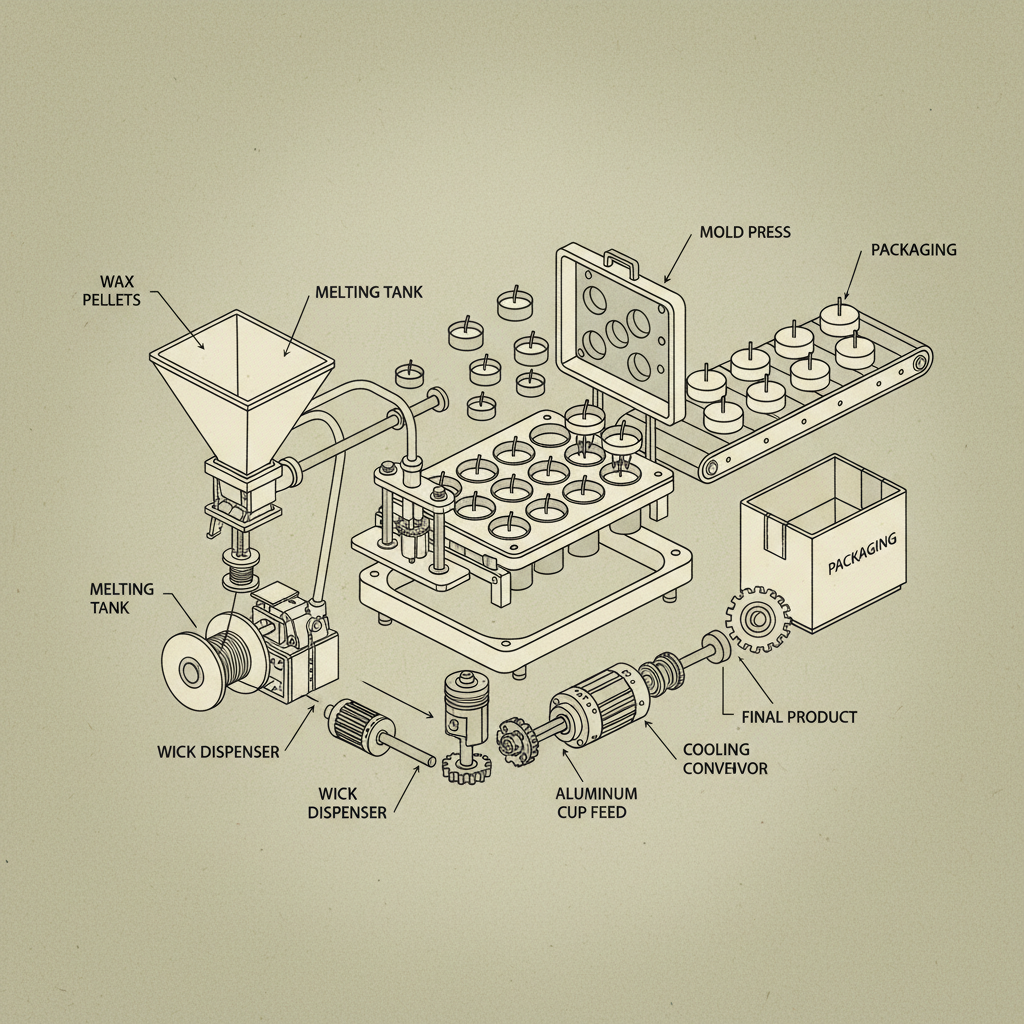
In the context of modern industrial manufacturing, this definition extends beyond mere percentages. It involves the selection of high-purity essential oils and the use of cleaner-burning waxes, such as beeswax or soy, which do not compete with the fragrance. The goal is to achieve a harmonious balance where the candle supports the mood of a room rather than dominating it, catering to humanitarian needs for inclusive, non-irritating home products.
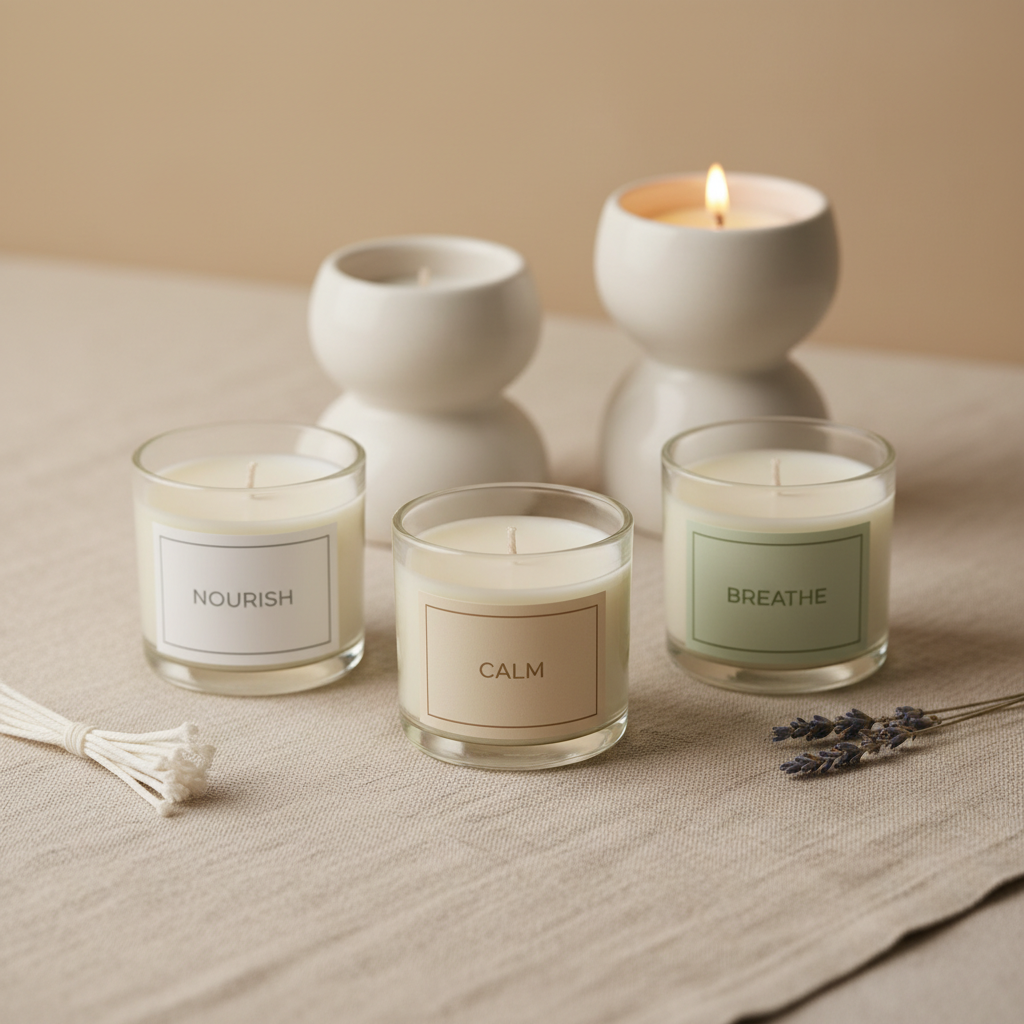
Essentially, these candles are designed for those who appreciate the "hint" of a scent—a soft breeze of linen, a ghost of vanilla, or a touch of sandalwood. By redefining the standard of "effectiveness" from intensity to subtlety, the industry is creating a more sophisticated category of home fragrance that prioritizes the user's comfort and the integrity of the raw materials.
Core Components of Fragrance Balancing
The primary factor in crafting lightly scented candles is the Fragrance-to-Wax Ratio. Achieving a subtle throw requires rigorous testing to ensure that the oil is fully encapsulated within the wax crystals, preventing "bleeding" or uneven scent distribution. This precision ensures that the candle smells consistent from the first burn to the very bottom of the jar.
Another critical component is Wick Calibration. Because the fragrance load is lower, the heat profile of the flame must be perfectly tuned. A wick that is too large will burn through the wax too quickly, potentially scorching the delicate fragrance oils and altering the intended scent profile of lightly scented candles.
Finally, Material Purity plays a decisive role. The use of refined beeswax or premium soy wax provides a neutral base that doesn't interfere with the light scent. When high-quality materials are combined with a low fragrance load, the result is a clean, transparent aromatic experience that feels natural and breathable.
Performance Metrics for Subtle Scents
Evaluating the performance of lightly scented candles requires a different set of metrics than traditional candles. Instead of measuring how far a scent travels (maximum throw), experts measure "scent transparency"—the ability of the fragrance to blend with the existing environment without clashing. This ensures the candle adds a layer of comfort rather than a wall of perfume.
Furthermore, the stability of the scent over time is paramount. A high-quality subtle candle should maintain its delicate profile throughout its lifespan, avoiding the common pitfall where the scent becomes too strong toward the end of the burn. This consistency is a hallmark of professional-grade manufacturing in the fragrance industry.
Comparative Performance of Subtle Scenting Methods
Real-World Applications and Use Cases
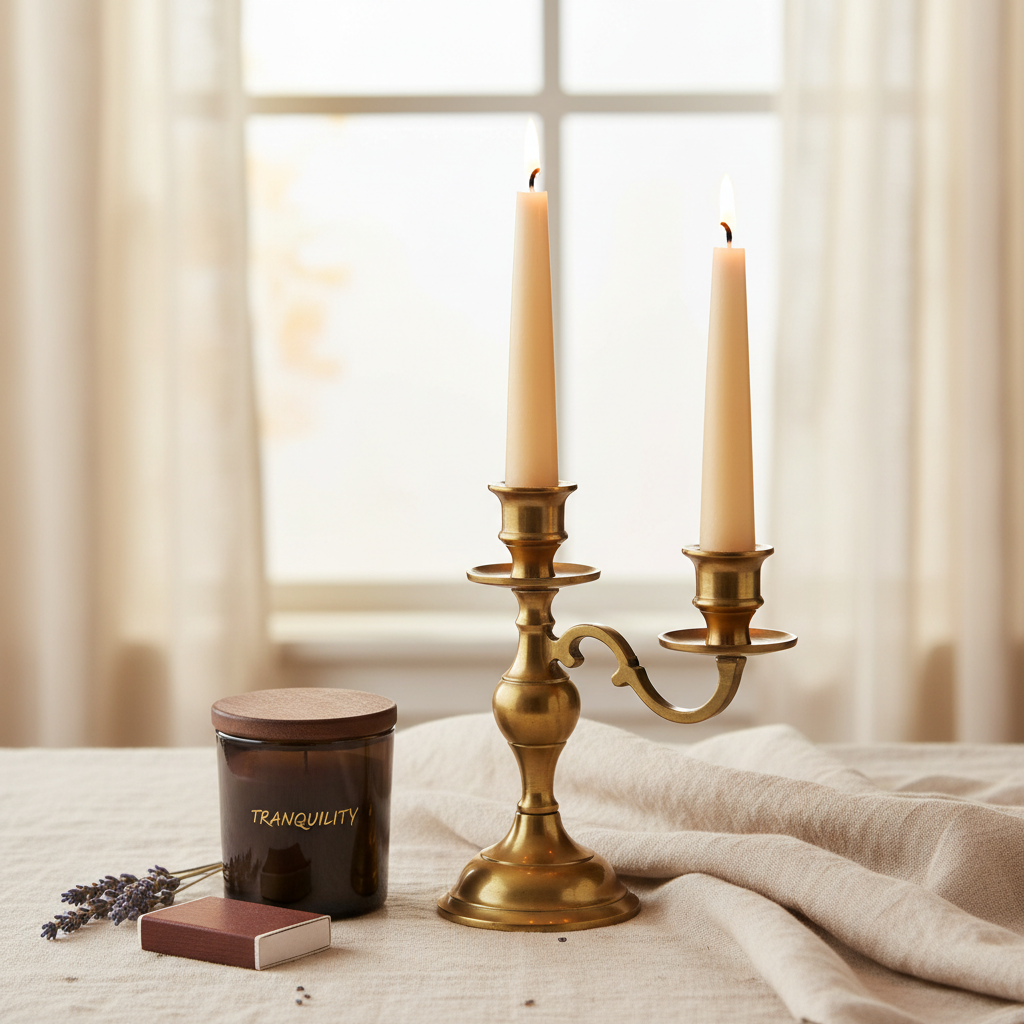
The application of lightly scented candles spans a wide array of professional and personal environments. In high-end hospitality, such as luxury spas and boutique hotels, these candles are used in reception areas to create a welcoming atmosphere that does not conflict with the guests' own perfumes or the scent of specialized treatments. They provide a "signature" feel that is inclusive and non-intrusive.
In residential settings, they are ideal for dining rooms and kitchens, where heavy fragrances would interfere with the aroma of food and wine. Similarly, in home offices, a subtle scent—such as light citrus or eucalyptus—can enhance focus and cognitive function without causing the headaches often associated with overly potent aromatic candles.
Long-Term Value and Sustainability
Investing in lightly scented candles offers significant long-term value, particularly concerning health and sustainability. By reducing the volume of fragrance oils—many of which are derived from complex chemical syntheses—these candles typically emit fewer Volatile Organic Compounds (VOCs). This makes them a safer choice for households with pets, young children, or individuals with respiratory sensitivities.
From an environmental perspective, the move toward lower fragrance loads often coincides with the use of biodegradable waxes and lead-free cotton or wooden wicks. This holistic approach to production reduces the ecological footprint of the manufacturing process and ensures that the end product is as clean as the scent it produces.
Beyond the physical benefits, there is an emotional value in the reliability and trust these products build. Consumers are increasingly seeking transparency in ingredients; a candle that doesn't attempt to mask its quality with an overpowering scent is often perceived as more honest and high-end, fostering a deeper brand loyalty based on purity and wellness.
Future Innovations in Fragrance Diffusion
The future of lightly scented candles lies in the intersection of biotechnology and material science. We are seeing the emergence of "smart waxes" that can release fragrance molecules at a controlled rate based on the ambient temperature of the room. This ensures that the scent remains "light" regardless of the room's size or ventilation levels.
Digital transformation is also playing a role, with AI-driven scent profiling allowing manufacturers to create hyper-personalized, subtle blends that trigger specific emotional responses—such as "deep focus" or "gentle sleep"—without using heavy concentrations of oil. This shift toward functional fragrance marks a transition from decorative scents to therapeutic tools.
Sustainability will continue to drive innovation, with a move toward upcycled fragrance ingredients derived from food waste (such as citrus peels or coffee grounds). This circular economy approach ensures that the delicacy of the scent is matched by the purity of its origin, cementing the role of subtle fragrances in a green future.
Comparison of Technical Specifications for Scented Candle Categories
| Candle Type |
Fragrance Load (%) |
Scent Throw Intensity |
Primary Use Case |
| Lightly Scented (Premium) |
3% - 5% |
Subtle / Transparent |
Dining & Wellness |
| Standard Scented |
6% - 9% |
Moderate / Noticeable |
General Home Decor |
| Strongly Scented |
10% - 12% |
Intense / Dominant |
Odor Elimination |
| Unscented Beeswax |
0% |
Natural Honey Note |
Pure Air Quality |
| Aromatherapy Blend |
5% - 8% |
Focused / Therapeutic |
Meditation Spaces |
| Seasonal Limited |
7% - 10% |
Bold / Festive |
Holiday Gifting |
FAQS
A "lightly scented" candle is defined by its fragrance oil concentration, typically between 3% and 6%, whereas standard candles often exceed 8-10%. This lower concentration creates a subtle, transparent scent throw that enhances a room without dominating the olfactory environment, making it ideal for those with sensitive noses or for use in areas like dining rooms.
Generally, yes. By reducing the amount of fragrance oils—which are the primary source of potential irritants and VOCs—lightly scented candles are less likely to trigger respiratory sensitivities or headaches. When combined with natural waxes like soy or beeswax, they provide a much cleaner and more inclusive breathing experience.
Absolutely. The goal isn't to eliminate the scent, but to refine it. Lightly scented candles create an ambient "aura" rather than an intense perfume. You will notice a delicate, pleasant aroma that feels natural to the space, which is often more sophisticated and less fatiguing over long periods of time.
For subtle candles, we recommend "clean" notes like white tea, linen, light citrus, or soft sandalwood. These notes naturally lend themselves to a lighter load and don't feel "incomplete" when kept at a low concentration, unlike heavy gourmand or spicy scents which can sometimes feel too faint if not concentrated.
Actually, they often burn more consistently. High concentrations of fragrance oil can sometimes interfere with the wax's melting point or the wick's capillary action. Lightly scented candles typically have a more stable burn rate and a cleaner flame, provided the wick is properly calibrated to the wax type.
Yes, but for larger spaces, we recommend using multiple candles placed strategically around the room rather than one strong candle. This distributes the subtle fragrance evenly, creating a cohesive atmospheric experience without any single "hot spot" of overpowering scent.
Conclusion
The rise of lightly scented candles is more than a passing trend; it is a reflection of a global shift toward mindful consumption and sensory balance. By prioritizing a refined fragrance load, high-quality base materials, and precise manufacturing, these candles offer a sophisticated alternative to the overwhelming intensity of traditional home fragrances. From enhancing productivity in the home office to creating an inclusive atmosphere in luxury hospitality, the value of subtlety lies in its ability to complement, not compete.
As we look forward, the integration of sustainable biotechnology and personalized scent profiling will only further elevate the role of subtle fragrance in our lives. We encourage consumers to embrace the "less is more" philosophy, choosing products that support wellness and environmental health. To discover a curated collection of balanced, high-quality fragrances, visit our website: www.ouniscandle.com.