

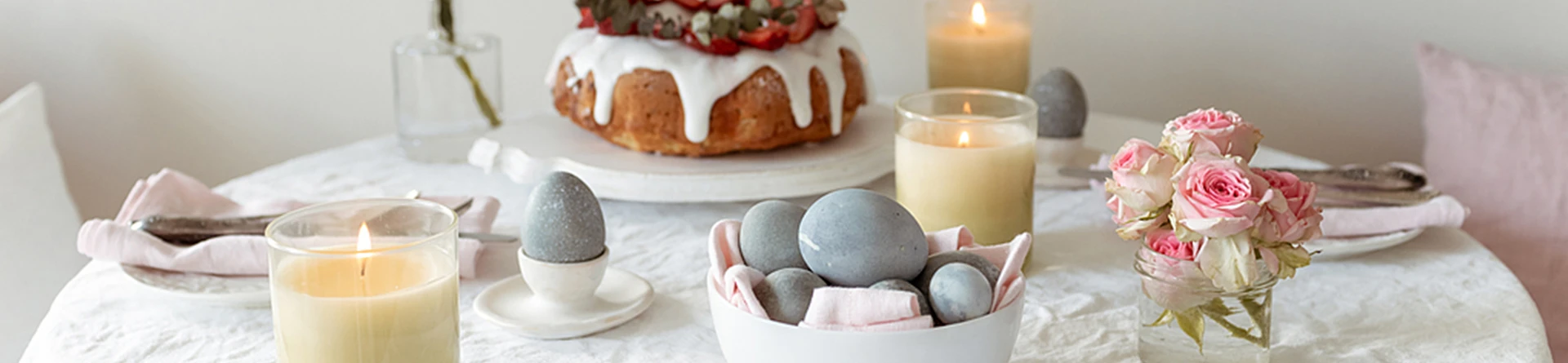
Why Beeswax Blend Candles Still Spark Interest in Industry
Why Beeswax Blend Candles Still Spark Interest in Industry
The Enduring Appeal of Beeswax Blend Candles in the Industrial Sector
Having worked in the industrial equipment sector for a good chunk of years, I’ve seen a bunch of trends come and go. Surprisingly, something as humble as beeswax blend candles keeps holding its own — not just in homes or boutiques, but in practical applications too. Why? Well, it’s that blend of tradition and solid performance. People tend to forget that candles still matter quite a bit, from ambiance regulators in manufacturing plants to emergency lighting where electric sources fail.
Oddly enough, beeswax blends offer an interesting compromise. Pure beeswax candles are wonderful but pricey and sometimes brittle in colder environments. When mixed with other natural waxes — soy, coconut, or even paraffin in smaller amounts — it softens the texture and improves burning consistency. This blend also reduces the price point, making these candles a favorite with businesses needing reliable, affordable solutions.
Many engineers I've chatted with mention that the blends reduce soot and extend burning time, which aligns with what I’ve noticed on-site. It's a surprisingly practical choice for emergencies or decorative industrial setups that don't want the harsh chemical scent some synthetic candles leave behind.
Breaking Down the Key Product Specifications
| Feature | Specification | Notes |
|---|---|---|
| Wax Composition | 50-70% Beeswax, 30-50% Soy or Coconut Wax | Balance of hardness and burn quality |
| Burn Time | 40-60 hours (depending on candle size) | Longer than pure paraffin variants |
| Soot Production | Low | Cleaner burn preferred by indoor environments |
| Fragrance | Natural honey scent | No artificial additives usually |
| Wax Melting Point | 62–68°C (144–154°F) | Higher than soy alone |
Choosing Your Supplier: Key Differences in Vendor Offerings
In the industrial candle market, not all blends are made equal. I once worked on a project where two suppliers offered “beeswax blend,” but one barely hit 30% beeswax, relying heavily on paraffin to cut costs. The difference in smell, burn quality, and residue was night and day. So, it pays to dig deeper than the label.
| Vendor | Beeswax % | Price/Unit | Typical Customers | Customization Options |
|---|---|---|---|---|
| Ounis Candle | 65% | $$$ | Boutiques, Industrial, Emergency Supplies | Scent, Size, Packaging |
| NaturalWick | 50% | $$ | Craft Markets, Retailers | Color, Scent |
| BudgetGlow | 30% | $ | Mass Market, Events | Size only |
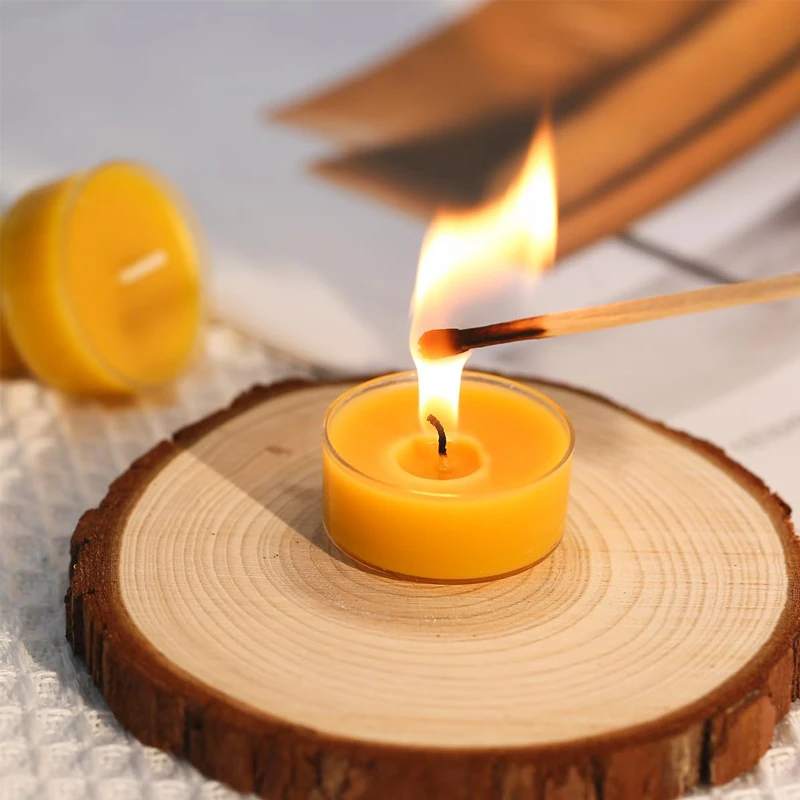
One small story: A site I worked with recently had a stubborn power outage during a winter storm. We handed them some beeswax blend candles — beeswax blend candles from Ounis, actually — and the difference was clear. Cleaner flame, less smoke, and the warmth it gave off was sort of comforting in an otherwise cold, dark space. These candles aren’t just pretty; they’re practical tools in rough situations.
At the end of the day, if you’re looking for candles that balance natural beauty, longer burn times, and reasonable prices, blends are hard to beat. And hey, if you like a bit of honey scent wafting about while you work or relax, well, that’s a nice bonus.
So whether you’re buying for industrial use or just curious about natural candle options, remember: not all blends are equal. A trusted source can make all the difference, as anyone in this line of work will tell you.
References and personal notes:
- Conversations with product engineers and industrial users, 2017–2023
- Comparative studies on natural wax burn times, Candle Institute Journal, 2022
- Field experience in emergency preparedness supplies
Latest News About Us
-
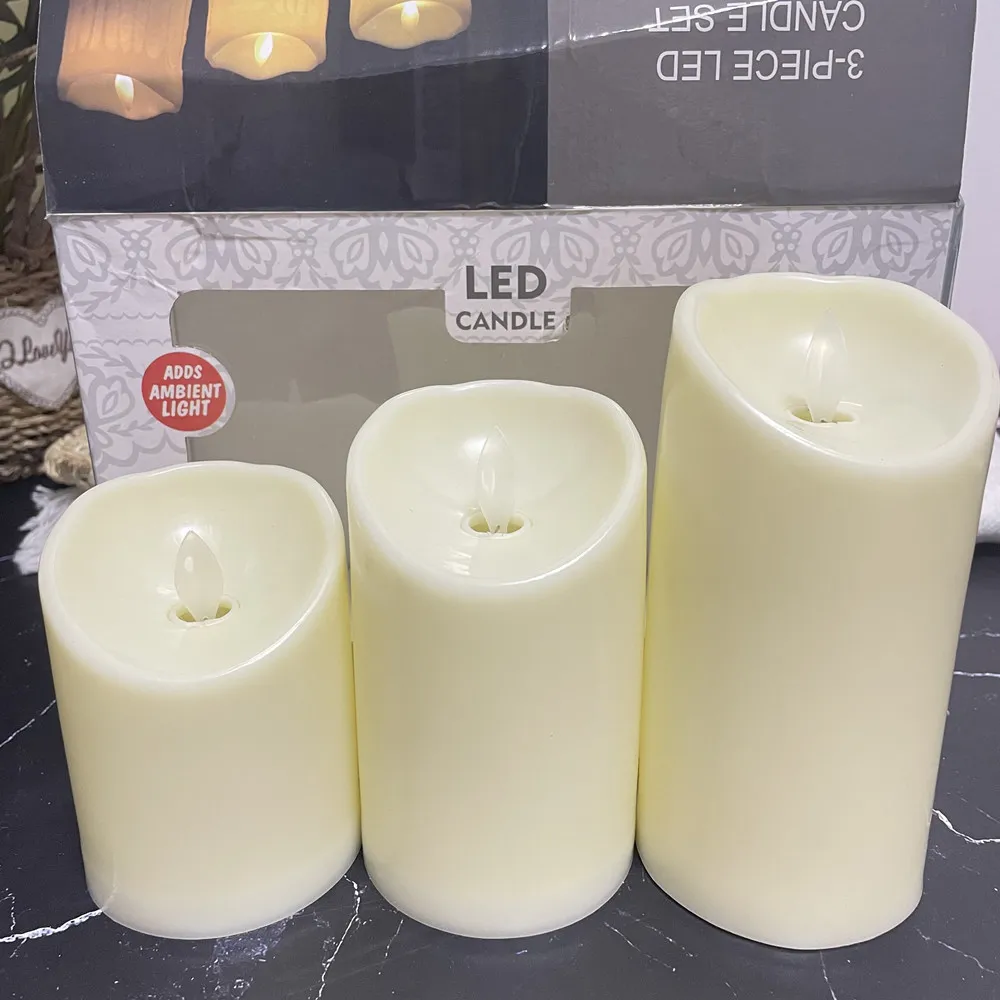 Why LED Candles Bulk Orders Are Transforming Modern Event and Home DecorationIn today’s modern lifestyle and event planning industry, lighting plays a crucial role in creating atmosphere, emotion, and visual impact.Read More >
May 15 2026
-
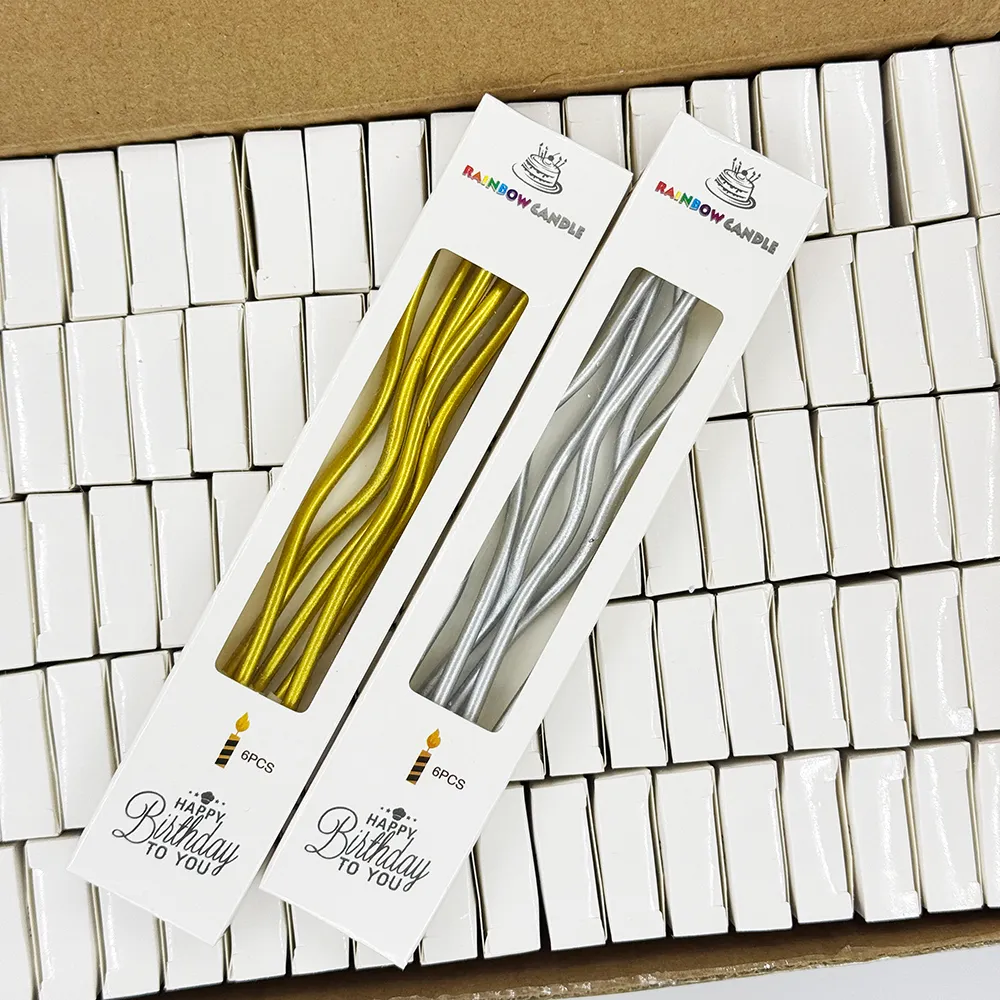 Why Are Birthday Candles Essential for Modern Party Celebrations?Birthday celebrations have always been a meaningful part of human culture, symbolizing joy, togetherness, and new beginnings.Read More >
May 15 2026
-
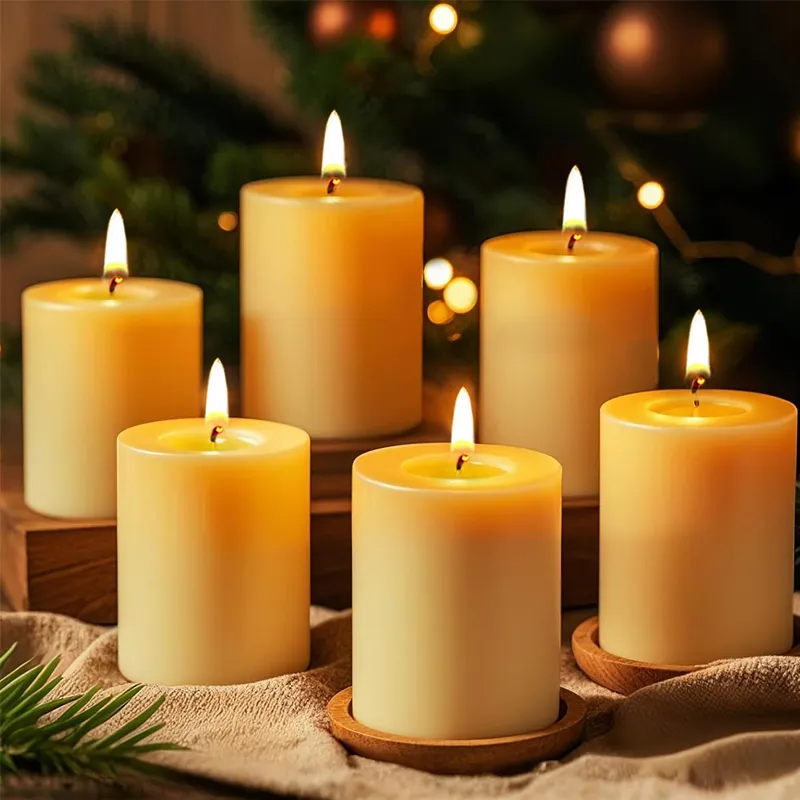 Why Beeswax Candle Bulk Orders Are Becoming the Preferred Choice for Modern ConsumersIn recent years, the candle industry has experienced significant growth as consumers increasingly seek natural, eco-friendly, and premium-quality home fragrance products.Read More >
May 15 2026
-
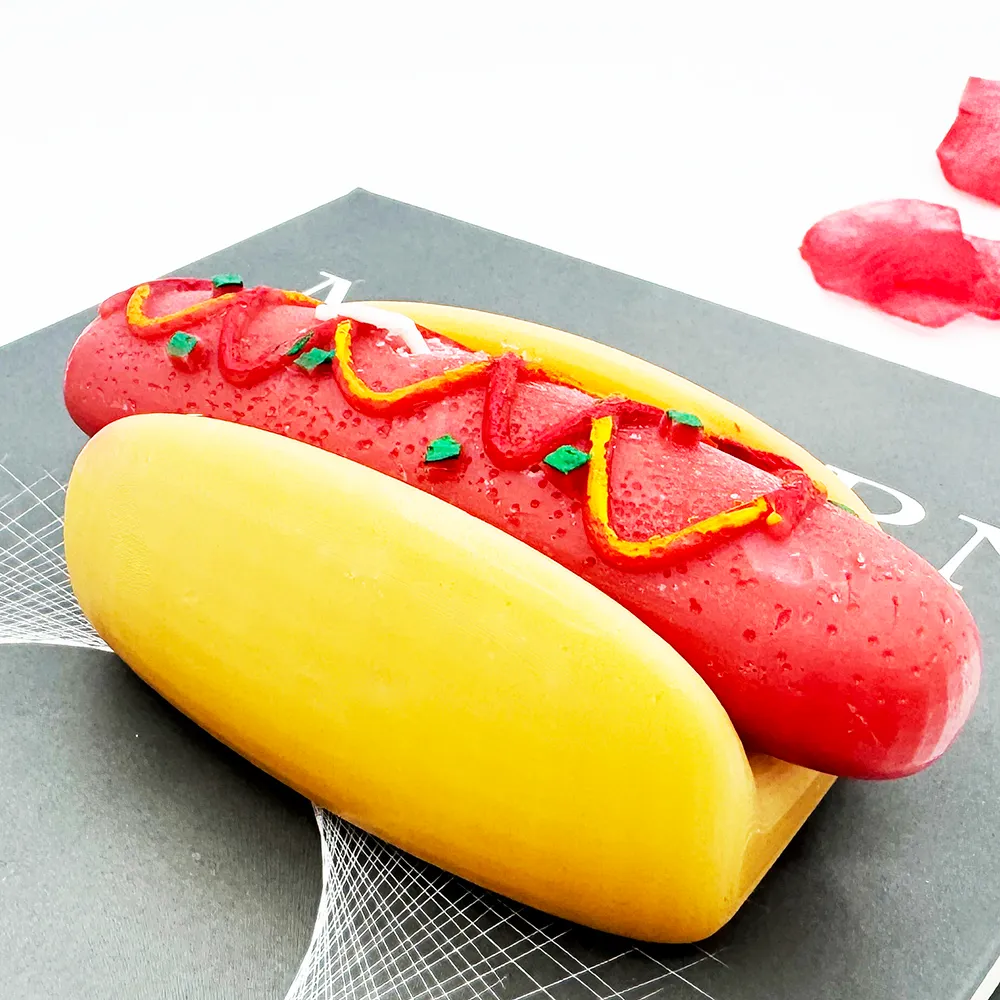 Exploring Different Types of Candle Shapes: Why Modern Homes Love Creative Candle DesignsCandles are no longer just simple decorative items placed on dining tables or shelves.Read More >
May 15 2026
-
 Why Are Scented Candles Becoming Essential for Modern Home Living?In today’s fast-paced world, people are paying more attention to creating comfortable and relaxing living spaces.Read More >
May 15 2026