



Troubleshooting Frosting in Tea Lights Soy Products
Troubleshooting Frosting in Tea Lights Soy Products
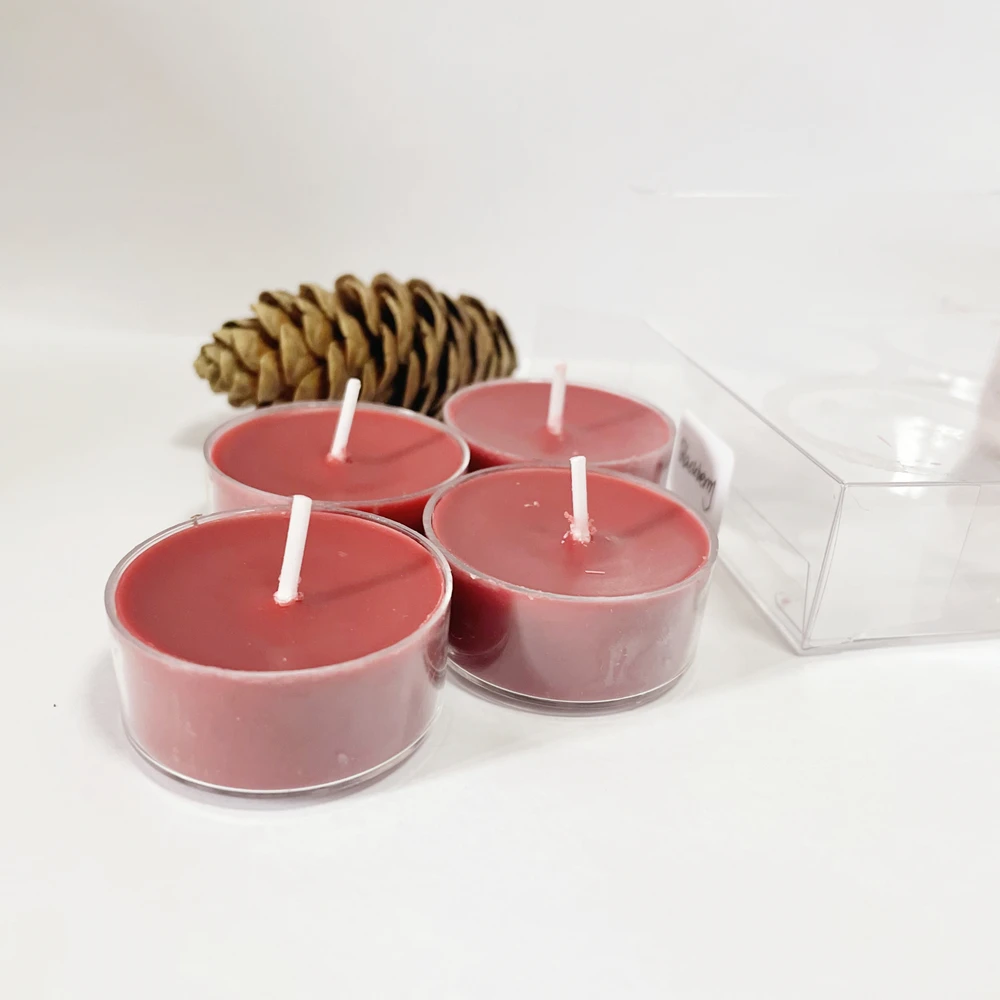
Frosting, the white powdery film that occasionally forms on the surface of soy tea lights candles, is a common concern for both manufacturers and users of soy-based candle products. While this phenomenon does not affect the burning performance or safety ofsoy tea lights, it can impact the visual appeal of the products, especially for premium tea lights soy intended for decorative or gifting purposes. Understanding the causes of frosting and mastering effective troubleshooting methods is crucial to maintaining the quality of soy tea lights. Ounis(Shijiazhuang) Import&Export Co.,Ltd., a professional export company based in Shijiazhuang City, Hebei Province, China, with over 10 years of export experience and a professional team overseeing export business, specializes in a full range of candle products including soy tea lights candles and related accessories. The company has rich experience in solving common quality issues of soy candles, providing reliable product quality and technical support for global customers.
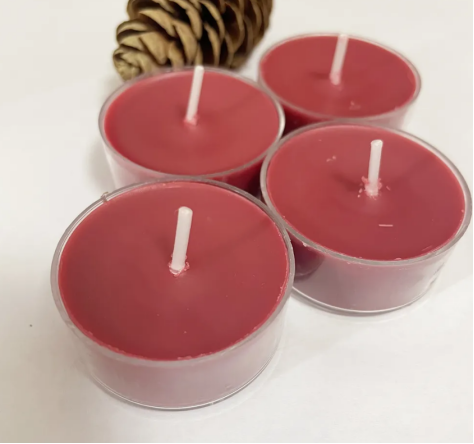
Causes of Frosting in Soy Tea Lights Candles
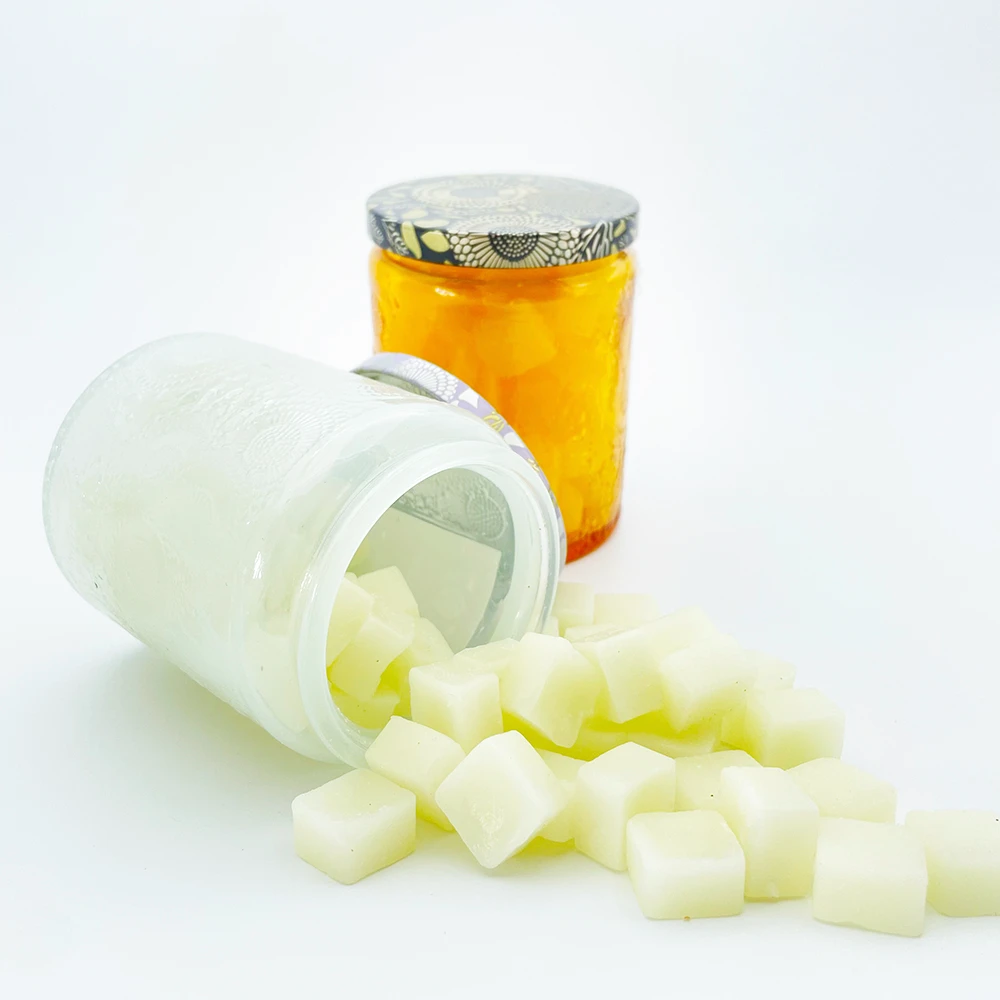
- Natural Property Of Soy Wax: Soy wax is a natural vegetable wax, and frosting is an inherent characteristic of its crystallization process. When soy tea lights cool after pouring, the soy wax molecules rearrange and form tiny crystals, which appear as a white frosty layer on the surface. This is a normal physical reaction and does not indicate a defect in the wax or production process. However, the degree of frosting can be influenced by other factors, making it more or less noticeable.
- Cooling Speed Variations: Uneven or too rapid cooling of tea lights soy is a major factor that exacerbates frosting. If the candles are cooled too quickly (e.g., placed in a cold environment or exposed to drafts immediately after pouring), the soy wax crystals will form rapidly and unevenly, resulting in a thicker and more visible frosty layer. Conversely, slow and gradual cooling allows the crystals to form more uniformly, reducing the appearance of frosting.
- Soy Wax Quality And Additives: The quality of soy wax used in soy tea lights candles directly affects frosting. Low-purity soy wax or wax blended with excessive amounts of other waxes (such as paraffin) may have inconsistent crystallization, leading to more obvious frosting. Additionally, improper use of additives (e.g., fragrance oils, dyes) can disrupt the wax's crystallization process. Ounis(Shijiazhuang) Import&Export Co.,Ltd. selects high-purity food-grade soy wax and strictly controls the proportion of additives to minimize frosting caused by raw material issues.
- Pouring Temperature Control: Incorrect pouring temperature of soy tea lights can also cause frosting. If the soy wax is poured at a temperature that is too high, it will take longer to cool, increasing the chance of crystal formation; if poured at a temperature that is too low, the wax may solidify too quickly before filling the mold evenly, leading to uneven crystallization and frosting. Maintaining the optimal pouring temperature is key to reducing frosting.
Troubleshooting Methods for Tea Lights Soy Frosting
|
Frosting Cause |
Troubleshooting Methods |
Operation Tips |
Effectiveness |
Ounis's Technical Advantages |
|
Rapid Or Uneven Cooling |
Control cooling environment; use a temperature-controlled cooling chamber; avoid placing soy tea lights candles in drafts or cold areas |
Maintain cooling temperature at 20-25℃; cool candles for 24-48 hours before demolding; ensure consistent airflow in the cooling area |
High - significantly reduces visible frosting by promoting uniform crystallization |
Equipped with professional temperature-controlled production workshops; strict cooling process management to ensure consistent cooling conditions |
|
Improper Pouring Temperature |
Calibrate pouring temperature; use a digital thermometer to monitor wax temperature; adjust pouring temperature according to wax type |
Optimal pouring temperature for soy tea lights is 60-65℃; preheat molds to 30-35℃ before pouring to avoid rapid cooling of wax |
High - ensures wax fills molds evenly and crystallizes properly, minimizing frosting |
Uses intelligent temperature control pouring equipment; pre-sets optimal temperature parameters based on different soy wax formulas |
|
Low-quality Soy Wax Or Additives |
Replace with high-purity soy wax; adjust additive proportion; select fragrance oils and dyes compatible with soy wax |
Choose soy wax with a purity of over 95%; add fragrance oils at 5-8% of wax weight; use dyes specifically designed for soy wax |
Medium to High - improves wax stability and reduces crystallization irregularities |
Sources high-purity soy wax from reliable suppliers; tests compatibility of all additives with soy wax; formulates proprietary wax blends to reduce frosting |
|
Post-production Surface Issues |
Polish the surface of tea lights soy after demolding; use a soft cloth to gently wipe the frosty layer; apply a thin layer of clear wax sealant |
Polish in the direction of the wax grain; avoid excessive force to prevent damaging the candle surface; ensure sealant is food-grade and non-toxic |
Medium - improves visual appearance by removing surface frost or covering it |
Provides post-production finishing processes for premium products; uses food-grade, non-toxic surface treatment materials |
Preventive Measures for Soy Tea Lights Frosting
- Strict Raw Material Control: Select high-quality, high-purity soy wax for producing soy tea lights candles, and conduct strict quality inspections on raw materials. Ounis(Shijiazhuang) Import&Export Co.,Ltd. establishes long-term cooperative relationships with reputable soy wax suppliers, ensuring that each batch of wax meets the required standards. For additives such as fragrance oils and dyes, only use products that are specifically designed for soy wax and have passed safety certifications.
- Standardize Production Process: Formulate a standardized production process for soy tea lights, focusing on controlling key parameters such as wax melting temperature, pouring temperature, and cooling time. Use professional temperature control equipment to monitor the entire production process, ensuring that each step is carried out within the optimal parameter range. The company's professional production team undergoes strict training to ensure the consistent implementation of production processes.
- Optimize Storage Conditions: Proper storage of finished tea lights soy can also prevent excessive frosting. Store the candles in a dry, cool, and well-ventilated environment with a stable temperature (18-25℃) and avoid extreme temperature changes. Do not stack the candles too tightly to ensure air circulation, and keep them away from direct sunlight and moisture, which can cause secondary crystallization and frosting.
- Adjust Product Formulation: For customers with high requirements for the appearance of soy tea lights candles, adjust the product formulation appropriately. Adding a small amount of natural wax modifiers (compatible with soy wax) can help regulate the crystallization process of soy wax, reducing the degree of frosting. Ounis(Shijiazhuang) Import&Export Co.,Ltd. provides customized formulation services according to customer needs, balancing product appearance and natural performance.
Impact of Frosting on Soy Tea Lights Performance
- No Effect On Burning Performance: It is important to emphasize that frosting is a purely surface phenomenon and does not affect the burning time, flame stability, or safety of soy tea lights. The internal structure and composition of the soy wax remain unchanged, so the candle will still burn evenly and cleanly as designed. Ounis(Shijiazhuang) Import&Export Co.,Ltd. conducts strict burning performance tests on all tea lights soy products, ensuring that they meet international safety standards regardless of surface frosting.
- Minimal Impact On Scent Release: Frosting does not block the release of fragrance from soy tea lights candles. During burning, the heat will melt the soy wax, including the frosty layer, and the fragrance oil will be fully released along with the melted wax. Users can still enjoy the same level of scent experience as non-frosted soy tea lights. For scented soy tea lights, the company optimizes the fragrance addition process to ensure uniform scent distribution.
- Influence On Visual Appeal: The main impact of frosting is on the product's appearance. A light frosty layer may add a unique "natural" texture to some tea lights soy, which is favored by certain customers. However, for products requiring a smooth, glossy surface (such as decorative candles for events), excessive frosting may be undesirable. Ounis offers both frosted and low-frosting options to meet different customer aesthetic needs.
- No Impact On Product Shelf Life: Frosting does not accelerate the aging or deterioration of soy tea lights candles. As long as the candles are stored properly, their shelf life remains the same as non-frosted products. The natural antioxidants in soy wax help maintain the stability of the candles, and the company's strict quality control ensures that the products have a long shelf life.
Soy Tea Lights Candles FAQs
Is Frosting on Soy Tea Lights Candles a Sign of Poor Quality
No, frosting is not a sign of poor quality. It is a natural physical phenomenon caused by the crystallization of soy wax, which is an inherent characteristic of natural soy wax. High-quality soy tea lights candles may still develop a light frosty layer, especially if cooled naturally. The quality of soy tea lights should be judged by factors such as burning performance, scent consistency, and safety compliance, not by the presence of frosting. Ounis(Shijiazhuang) Import&Export Co.,Ltd.'s tea lights soy products all pass strict quality inspections, and frosting is clearly explained to customers as a normal natural feature.
Can Frosting on Tea Lights Soy Be Completely Eliminated
It is difficult to completely eliminate frosting from tea lights soy because it is a natural property of soy wax. However, through scientific production process control (such as precise temperature control during pouring and cooling), raw material optimization, and appropriate formulation adjustments, the degree of frosting can be significantly reduced to a level that is barely noticeable. Ounis uses advanced production technology and optimized formulations to provide soy tea lights candles with minimal frosting for customers who prioritize a smooth surface.
Will the Frosting on Soy Tea Lights Candles Disappear During Burning
Yes, the frosty layer on soy tea lights will melt along with the soy wax when the candle is burned. As the flame heats the wax, the surface frosting (which is just a layer of tiny wax crystals) will quickly turn into liquid wax and participate in the burning process. During burning, there will be no visible difference between frosted and non-frosted tea lights soy, and both will maintain stable burning performance and scent release.
Does the Degree of Frosting Vary Between Different Soy Tea Lights Candles
Yes, the degree of frosting varies between different soy tea lights candles. This variation is mainly caused by differences in soy wax purity, production process parameters (pouring temperature, cooling speed), and additive formulations. High-purity soy wax with slow, controlled cooling tends to have lighter frosting, while soy wax with lower purity or rapid cooling may have more obvious frosting. Ounis ensures consistent frosting levels for each batch ofsoy tea lights through strict process control and raw material standardization.
What Should I Do If the Frosting on Tea Lights Soy Affects My Product Display
If frosting affects the display effect of tea lights soy, you can take the following measures: First, gently polish the surface with a soft, dry cloth to remove the loose frosty layer; second, store the candles in a stable temperature environment to avoid secondary crystallization; third, cooperate with manufacturers like Ounis(Shijiazhuang) Import&Export Co.,Ltd. to customize low-frosting products by optimizing production processes and formulations. The company can provide targeted solutions according to your specific display and use needs.
Latest News About Us
-
 The Ultimate Guide to Using Flameless LED Votive Candles SafelyCreating a warm, inviting atmosphere in your home or event space doesn't have to come with the risks associated with open flames. flameless led votive candles provide the perfect marriage of traditional aesthetics and modern safety. Whether you are planning a romantic dinner, a wedding reception, or simply want to unwind after a long day, these LED alternatives offer a flicker-free, smoke-free experience. In this comprehensive guide, we will explore why transitioning to LED lighting is a smart move for interior designers and homeowners alike, ensuring your space remains elegant and secure.Read More >
Apr 16 2026
-
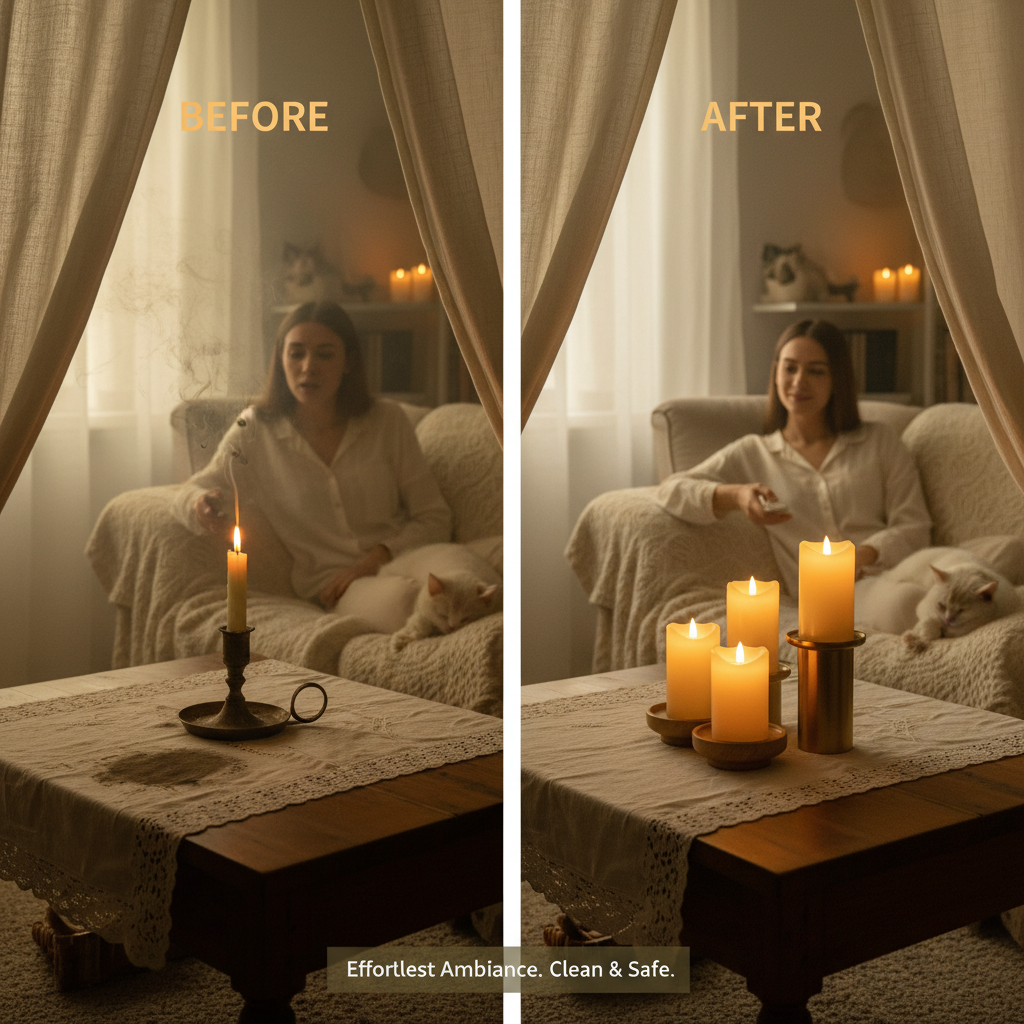 Elevate Your Ambience with Safe at home flameless candlesCreating a warm and inviting atmosphere in your living space doesn't have to come with the risks of open flames. In recent years, at home flameless candles have emerged as the perfect intersection of aesthetics and safety. Whether you are looking to set a romantic mood for dinner or add a cozy glow to your bedroom, these LED-powered alternatives provide the flickering charm of real wax without the worry of fire hazards or smoky residue. In this comprehensive guide, we will explore why switching to flameless options is a smart move for modern homeowners and how to choose the best ones.Read More >
Apr 09 2026
-
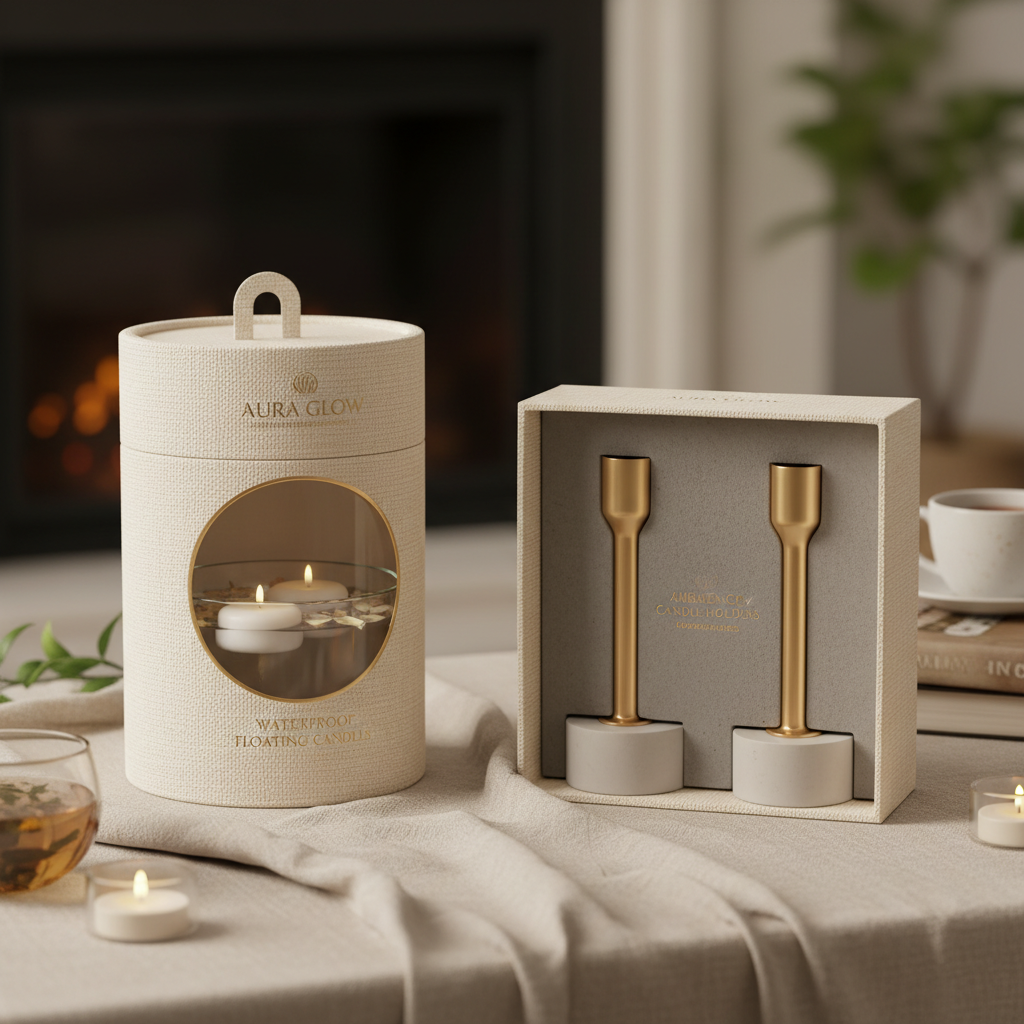 Enhance Ambiance with Waterproof Flameless Floating Candles for Pools and EventsLooking to create a stunning and safe ambiance for your next event or simply enjoy a relaxing evening? Waterproof flameless floating candles offer a beautiful, worry-free alternative to traditional candles. These innovative candles are perfect for pools, ponds, fountains, bathtubs, or any water feature, adding a touch of elegance without the risk of fire. This article will explore the benefits, uses, and safety features of these increasingly popular lighting solutions, and why OuniScandle offers exceptional quality and selection.Read More >
Apr 07 2026
-
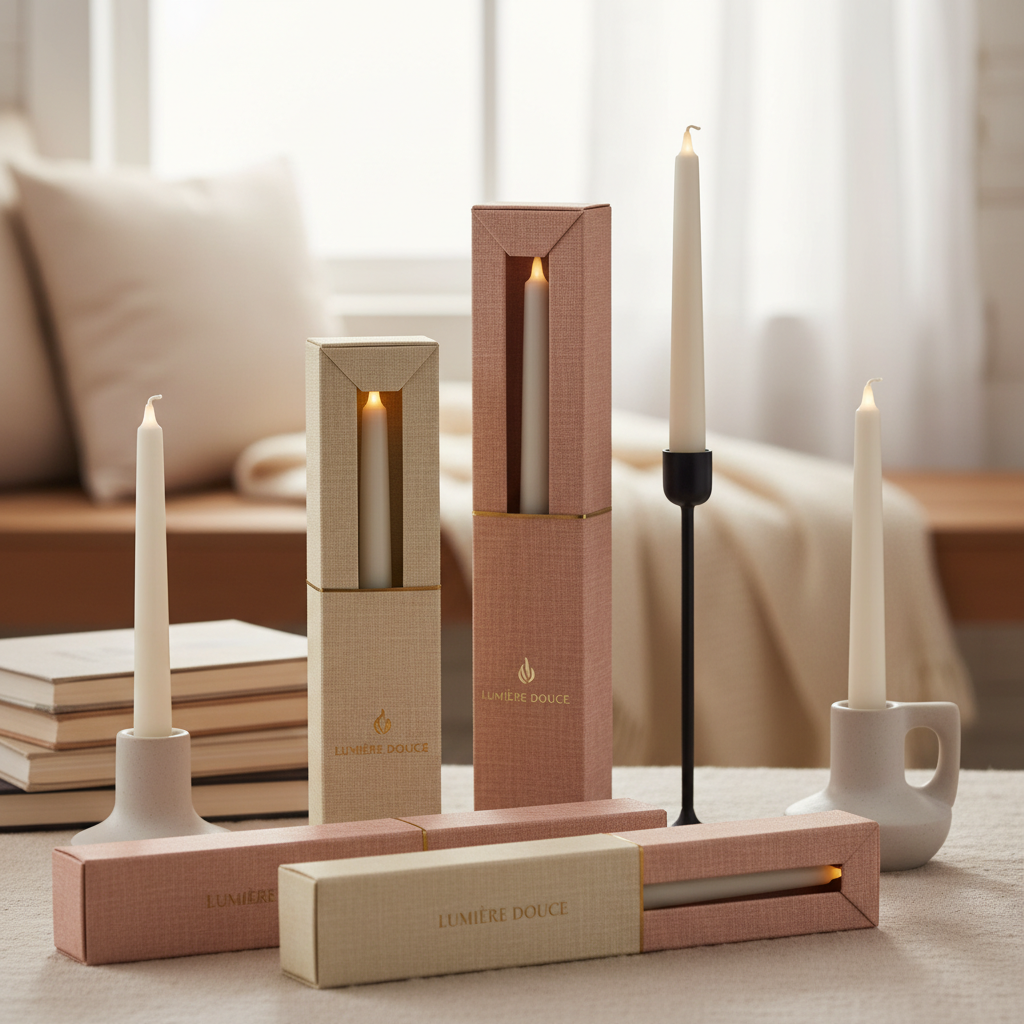 Enhance Your Home with Elegant Skinny Flameless Candles from OuniScandleCreating a warm and inviting atmosphere in your home has never been easier – or safer – than with skinny flameless candles. OuniScandle offers a beautiful and realistic alternative to traditional candles, eliminating the risks associated with open flames while providing the same cozy glow. Whether you’re decorating for a special occasion or simply looking to add a touch of elegance to your everyday living space, our collection of skinny flameless candles is the perfect solution.Read More >
Apr 04 2026
-
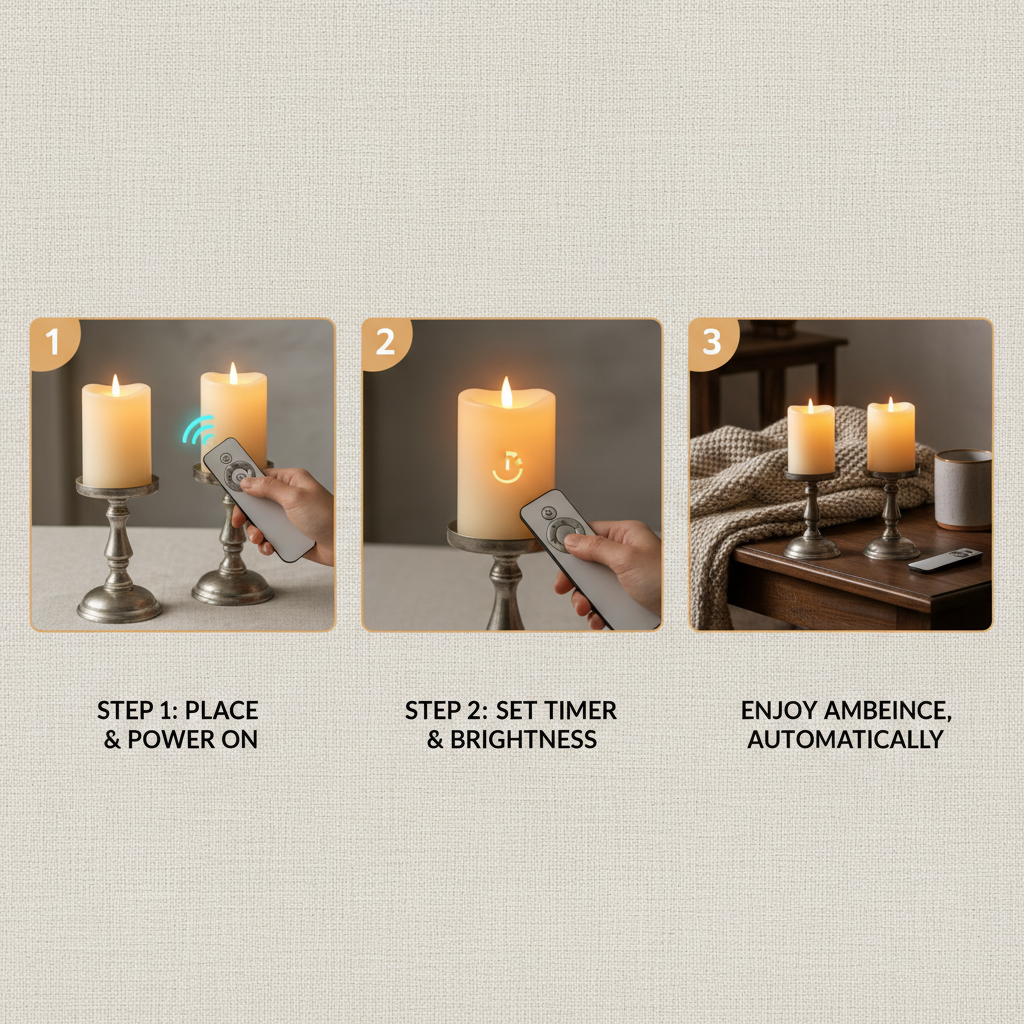 Enhance Your Ambiance with Safe and Realistic Automatic Flameless CandlesLooking to create a warm and inviting atmosphere without the dangers of open flames? Automatic flameless candles offer a safe, convenient, and realistic alternative. These innovative candles have become increasingly popular for both home décor and commercial use, providing the gentle glow of candlelight without the fire hazard. This article will delve into the benefits, features, and considerations when choosing the right automatic flameless candles for your needs.Read More >
Mar 31 2026