

The Timeless Craft of Beeswax Candlemaking: Insights from an Industry Vet
The Timeless Craft of Beeswax Candlemaking: Insights from an Industry Vet
Why Beeswax Candlemaking Still Holds a Special Place in the Industry
Having spent nearly two decades bouncing around the industrial equipment world—yes, sometimes it creeps into more artisanal corners—I’ve always been intrigued by materials that resist obsolescence. Beeswax is one of those rare treasures that manage to feel both ancient and somehow ever-modern. When I first dipped my toes into the world of candlemaking (literally, quite messy), I didn’t expect it to feel so... alive.
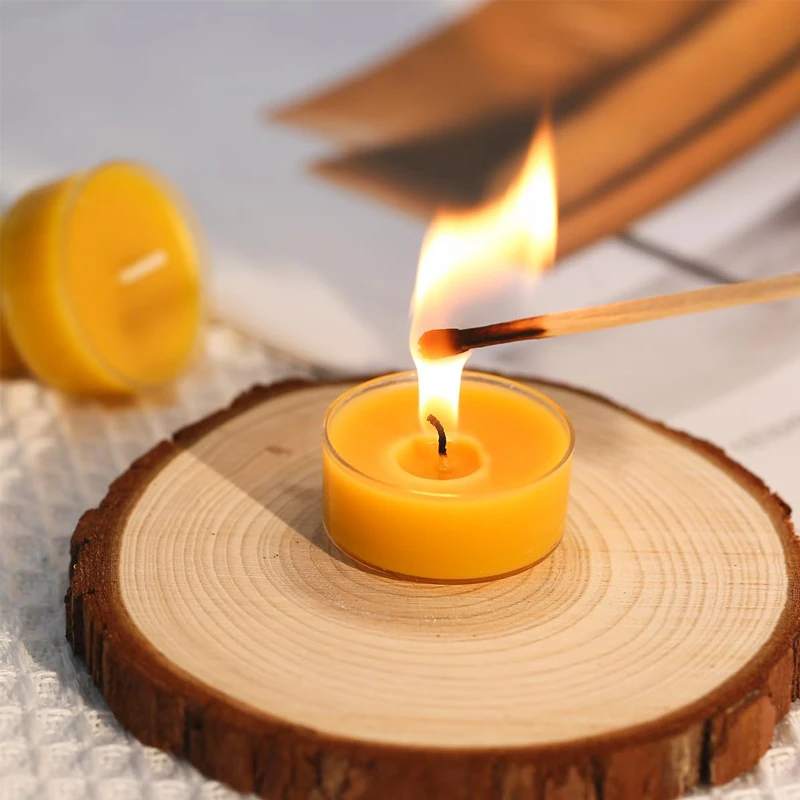
Beeswax candles aren’t just about aesthetics or scent. The wax itself boasts a tiny miracle of nature—its natural melting point around 62-65°C keeps the candle burning cleanly and steadily without that annoying soot typical of paraffin. That slow burn time means your candle lingers longer, kind of like a good story you don’t want to end.
The Craft and Chemistry Behind Beeswax Candlemaking
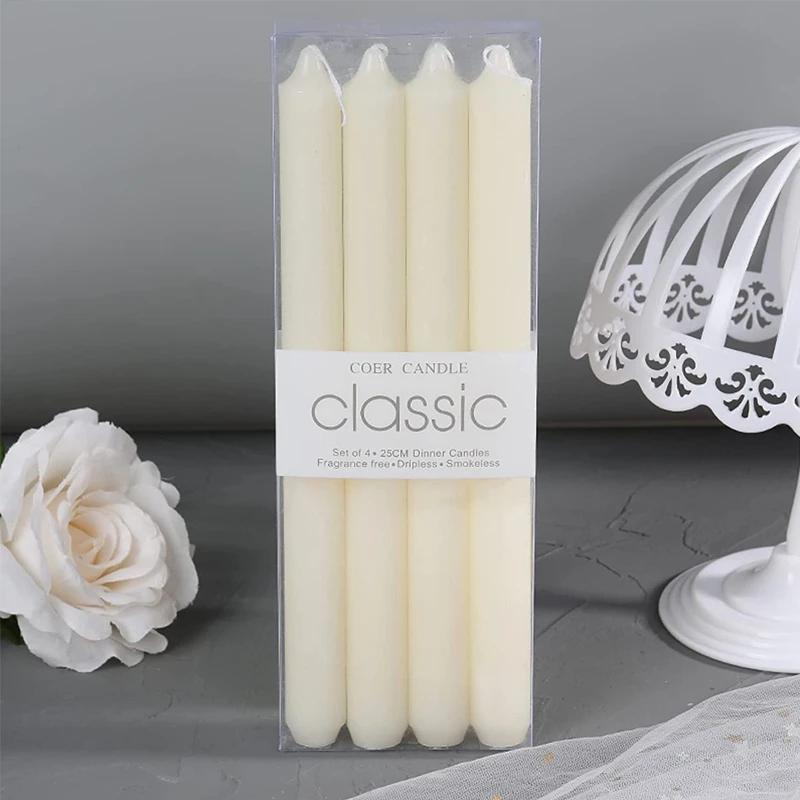
Working with beeswax is an interesting challenge. It’s softer than paraffin, more malleable, and even smells slightly honeyed before burning. The real trick, I’ve found, lies in understanding the wax’s consistency, purity, and how it interacts with wicks. For instance, some manufacturers provide beeswax sheets ready to roll into flawless tapers—a favorite among traditionalists who swear by the crisp, even burning experience.
Now, for those into bulk or more robotic production, beeswax is definitely a more fiddly material to handle, but its natural properties are worth the fuss. Plus, when it comes to testing, the wax's thermal properties require careful calibration of melting tanks and tempering equipment. I remember the first time I supervised a batch melting process—temperature fluctuations of even a degree could mean the difference between a smooth pour and a grainy finish.
Beeswax Candlemaking: Specifications You Actually Want to Know
| Specification | Details |
|---|---|
| Melting Point | 62 - 65 °C (143.6 - 149 °F) |
| Color | Natural golden to amber |
| Scent | Light honey aroma |
| Burn Time | Longer than paraffin candles (varies by size) |
| Source | Sustainably harvested from honeycomb |
Choosing Your Beeswax Candle Supplier: What Really Matters
In my years of sourcing beastly amounts of materials, what truly stands out are vendors who blend reliability with transparency. Below is a brief comparison I've jotted down from my experience, mixing a couple of established players and some up-and-comers who impressed me recently.
| Vendor | Purity (%) | Sustainability | Price (per kg) | Customization Options |
|---|---|---|---|---|
| Ounis Candle (click here) | 99% | Certified sustainable | $$ | Color, size, heat treatment |
| BeePure Co. | 97% | Mixed sources | $ | Bulk only |
| GoldenBee Supply | 98% | Organic certified | $$$ | Custom molds, scents |
When I ran a test batch using Ounis Candle beeswax, the texture and scent were so consistent I honestly didn’t want to stop working with them. The heat treatment options helped me fine-tune the melting curve for different wick types—something you don’t always get with other suppliers.
A Quick Note on Trends and Customer Tales
Oddly enough, natural beeswax candles have seen a resurgence, even amidst the rise of smart lighting. Eco-conscious buyers love knowing the wax is untreated, sustainable, and just kinda pure. One client recently shared how switching to beeswax candles not only improved their store ambiance but also became a talking point for customers — “feels like home,” they said.
Honestly, working with beeswax in industrial or small-batch settings has taught me something I cherish: even in an age rushing toward automation, some crafts carry a soul you want to protect. Lighting a beeswax candle feels like handing down a little ember of tradition, you know?
Anyway, for anyone thinking of jumping into this craft or industry, my two cents: invest that little extra in trusted beeswax candle materials. The difference comes through in every warm glow and subtle aroma.
References & musings:
1. Industry specs on beeswax melting points – personal notes from lab tests.
2. Vendor quality and sourcing – gathered over interviews and sample runs.
3. Customer case stories – from direct emails and project feedback.
Latest News About Us
-
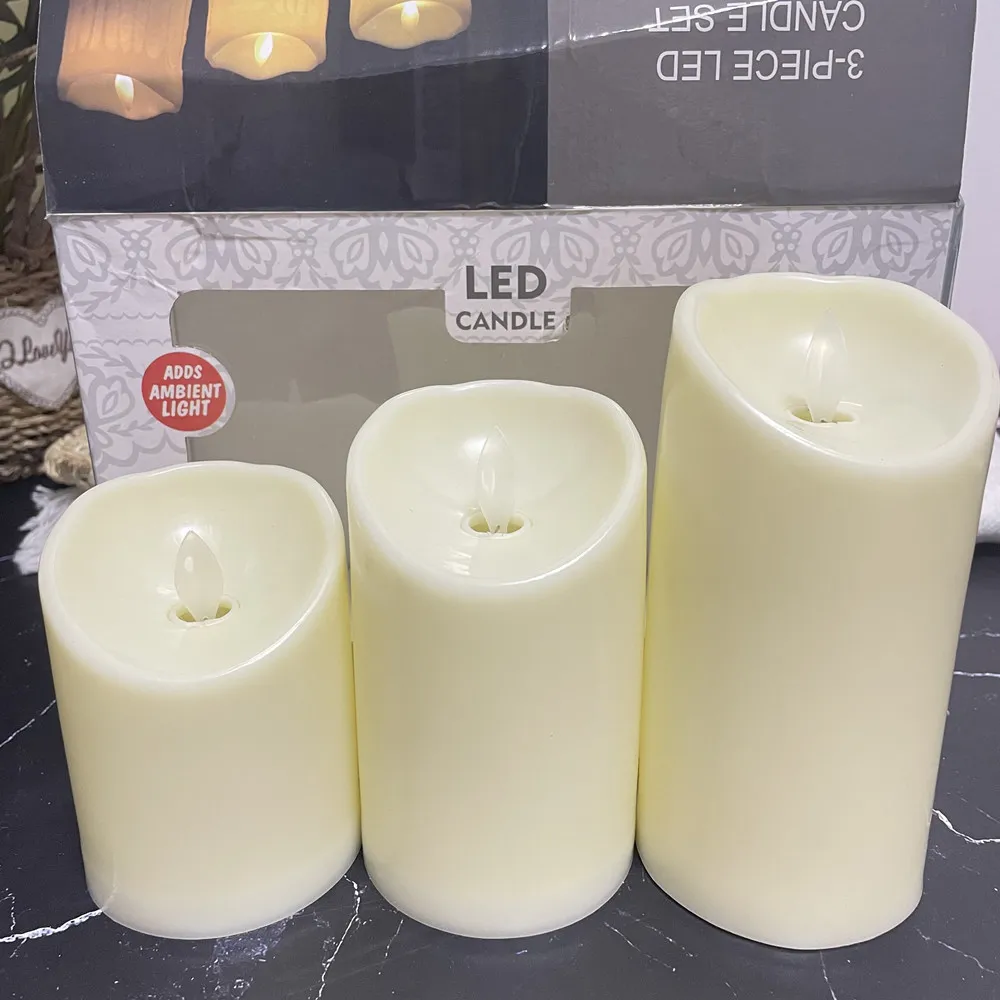 Why LED Candles Bulk Orders Are Transforming Modern Event and Home DecorationIn today’s modern lifestyle and event planning industry, lighting plays a crucial role in creating atmosphere, emotion, and visual impact.Read More >
May 15 2026
-
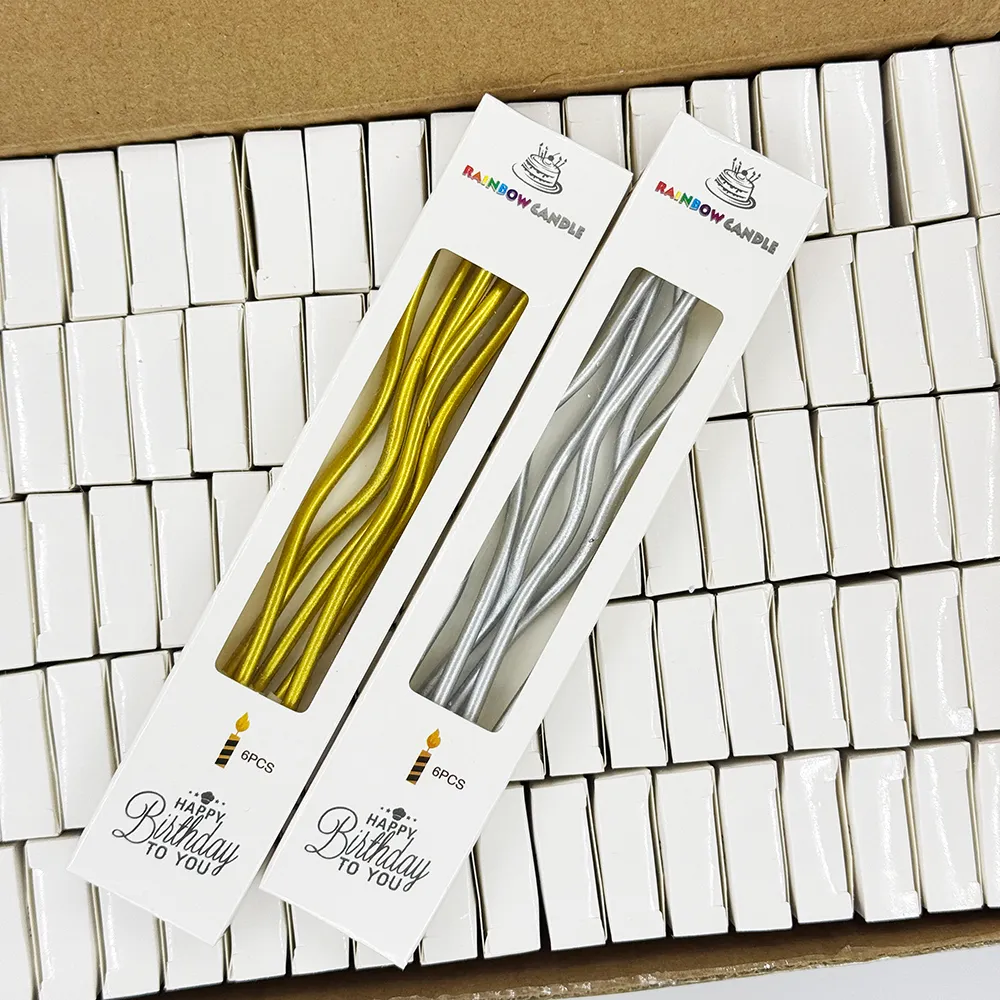 Why Are Birthday Candles Essential for Modern Party Celebrations?Birthday celebrations have always been a meaningful part of human culture, symbolizing joy, togetherness, and new beginnings.Read More >
May 15 2026
-
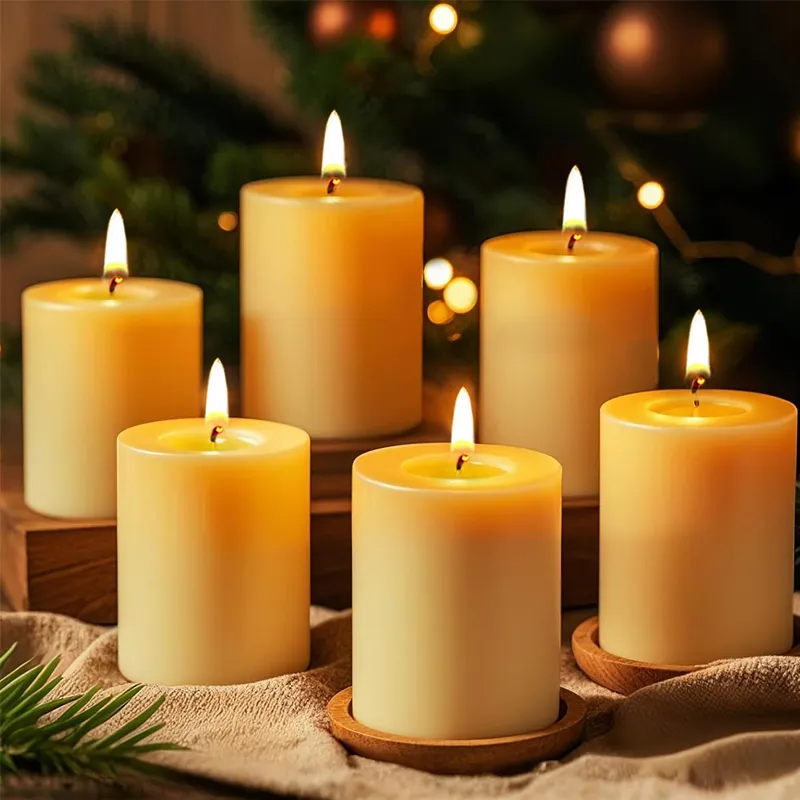 Why Beeswax Candle Bulk Orders Are Becoming the Preferred Choice for Modern ConsumersIn recent years, the candle industry has experienced significant growth as consumers increasingly seek natural, eco-friendly, and premium-quality home fragrance products.Read More >
May 15 2026
-
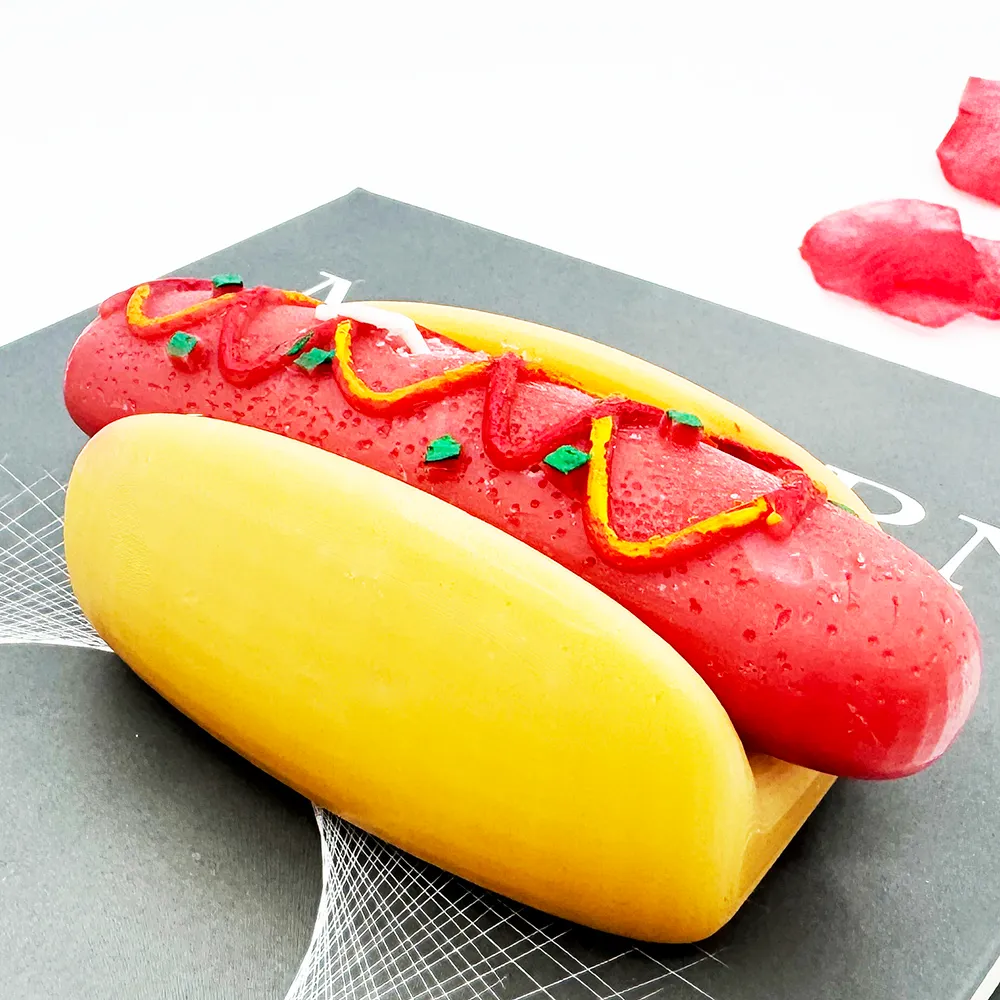 Exploring Different Types of Candle Shapes: Why Modern Homes Love Creative Candle DesignsCandles are no longer just simple decorative items placed on dining tables or shelves.Read More >
May 15 2026
-
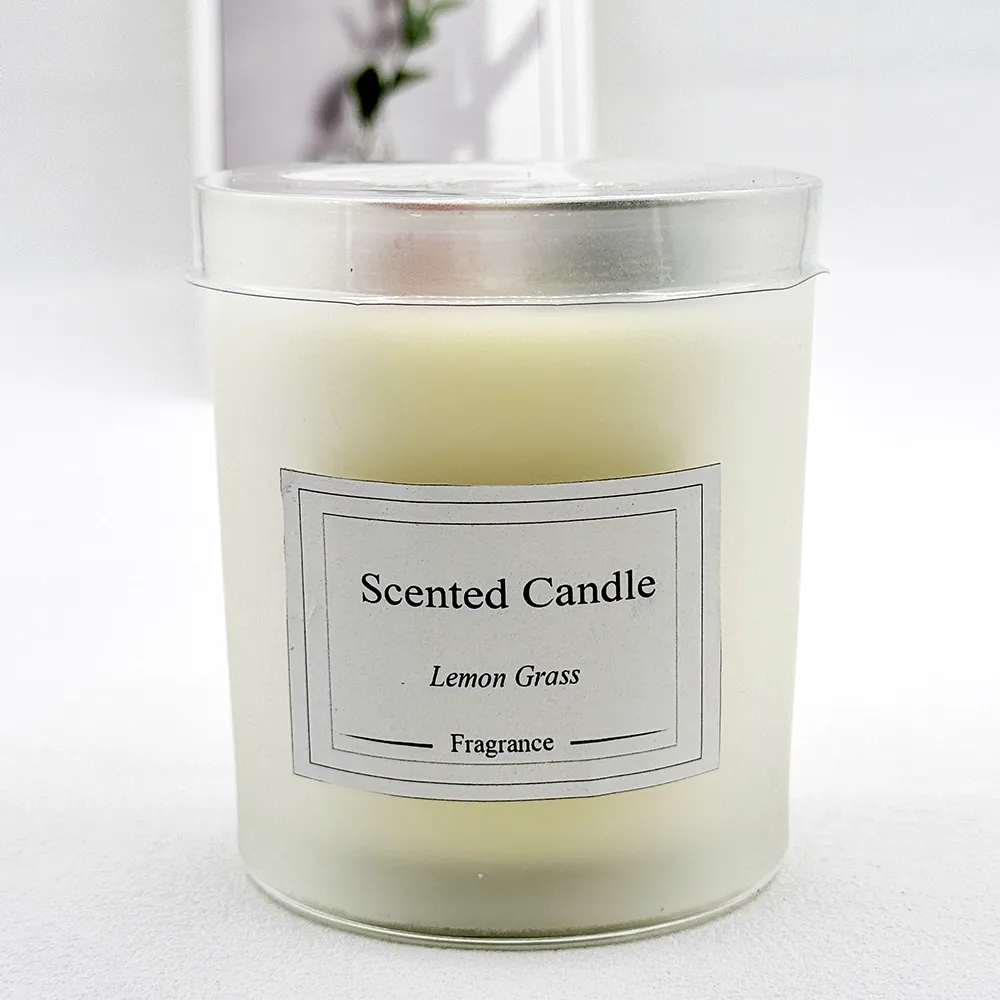 Why Are Scented Candles Becoming Essential for Modern Home Living?In today’s fast-paced world, people are paying more attention to creating comfortable and relaxing living spaces.Read More >
May 15 2026