


The Timeless Charm and Practicality of Beeswax Candles
The Timeless Charm and Practicality of Beeswax Candles
Why Beeswax Candles Still Shine in a Modern World
Working in the industrial equipment and supplies sector for over a decade, I've seen countless materials come and go. While robotics and automation get a lot of the spotlight, sometimes it's the simpler things that keep surprising you. Take beeswax candle. It’s an age-old product, yet it never really loses its luster—literally and figuratively.
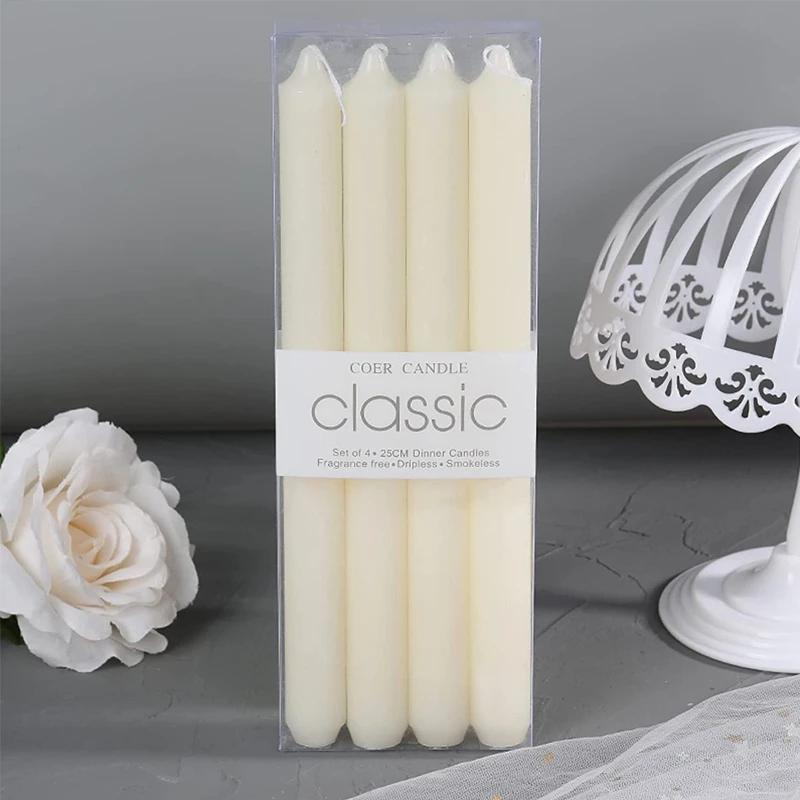
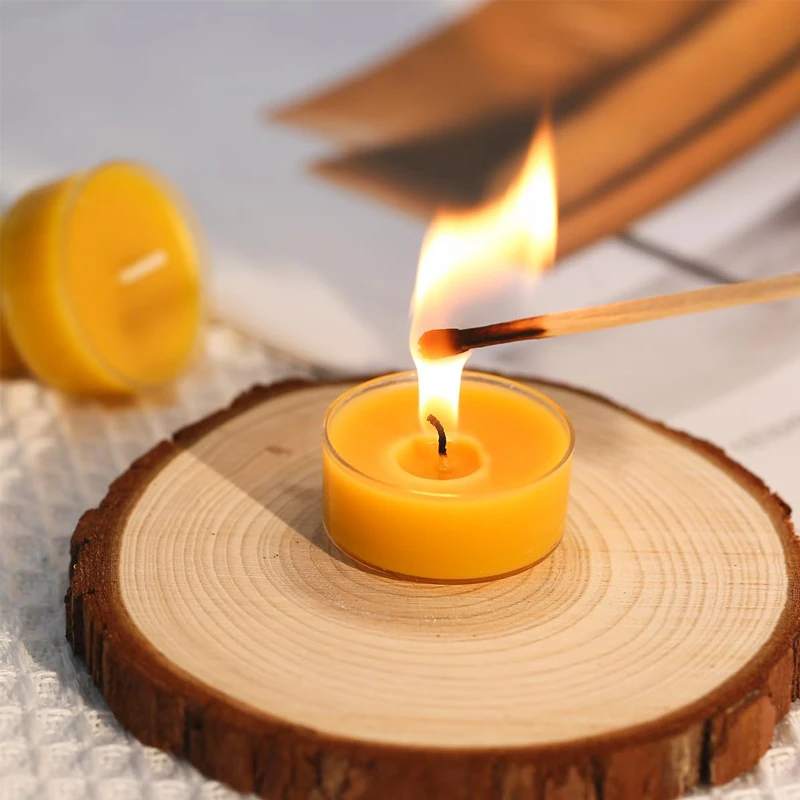
Beeswax candles are crafted from the wax produced by honeybees, and that natural origin means they're not only environmentally friendly but also emit an incredibly clean, almost honey-sweet scent when lit. I’ve noticed these candles don’t just create a warm atmosphere—they’re often favored in workspaces or homes where air quality matters because they burn cleaner than paraffin or soy alternatives.
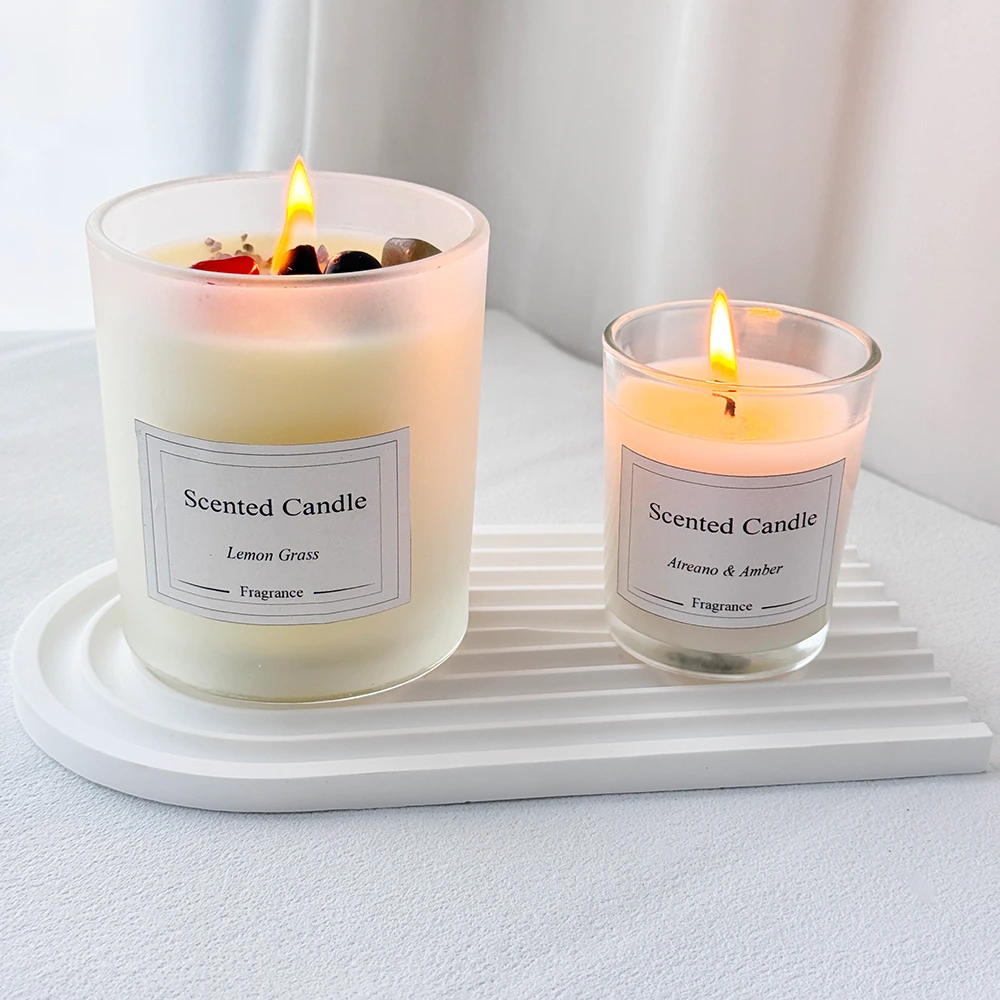
Oddly enough, there’s this almost meditative quality to lighting a beeswax candle after a long day on site or in the factory. The flame dances gently, glowing slightly brighter and more steady compared to other candles. Engineers and production teams sometimes use them during inspections or downtime simply for their soothing effects, a nice break from the hum of machines.
Understanding the Specifications: What Makes a Quality Beeswax Candle
| Specification | Typical Range/Value | Notes |
|---|---|---|
| Wax Origin | 100% Pure Beeswax | Natural extraction from honeycomb |
| Melting Point | 62-65°C (144-149°F) | Higher than paraffin, which means longer burn time |
| Burn Time | 40-60 hours (per 100 g candle) | Generally longer than wax alternatives |
| Soot Emission | Very low to none | Ideal for indoor and sensitive environments |
| Scent Profile | Subtle honey and floral notes | Natural aroma enhances ambiance |
Common Uses and Customer Stories in the Beeswax Candle World
In practical terms, beeswax candles fit a curious niche. I've had clients from rustic B&B operators who want that authentic, natural feel; and industrial buyers who need reliable light sources during power outages or emergency drills. One client, a small vineyard, swears by these candles during outdoor tastings—they add charm and keep bugs away thanks to the subtly sweet aroma.
Another project I recall involved an artisan candle maker aiming to customize their candles with subtle colorings and patterns. Beeswax accepts natural dyes well but requires precise temperature control during the pouring process—a bit more delicate than mass-produced commercial ones. Frankly, the hands-on approach really brings out the character of the candles versus factory churned versions.
How Does the Beeswax Candle Stack Up Against Other Candles?
| Feature | Beeswax Candle | Paraffin Candle | Soy Candle |
|---|---|---|---|
| Burn Time | Longest (40-60 hrs per 100 g) | Medium (30-40 hrs) | Medium to long (30-50 hrs) |
| Soot & Smoke | Minimal to none | Often noticeable soot | Moderate, varies by wick quality |
| Scent | Natural honey aroma | Often scentless or artificial | Depends on added fragrance oils |
| Environmental Impact | Biodegradable & sustainable | Petroleum-based, non-renewable | Renewable but often GMO soybeans |
Honestly, when you stack it all up, beeswax candles feel like the wise choice. They pay off with longer burn times and a cleaner flame, both of which really matter once you live with candles a while. And, for those who care about sustainability and air quality, they tick so many boxes.
Sometimes, I think about how the beeswax candle is a tiny beacon of craftsmanship and natural engineering. It’s not digital, automatic, or fancy—just pure wax, wick, and flame. And that’s oddly comforting.
Anyway, if you’re curious to try one or explore a wider range, I warmly recommend checking out this collection of beeswax candle. It’s where tradition meets quality.
References:
- Industry insights from years of working with natural candle makers.
- Beeswax melting and burning properties documented by candle artisans.
- Environmental impact studies comparing candle materials.
Latest News About Us
-
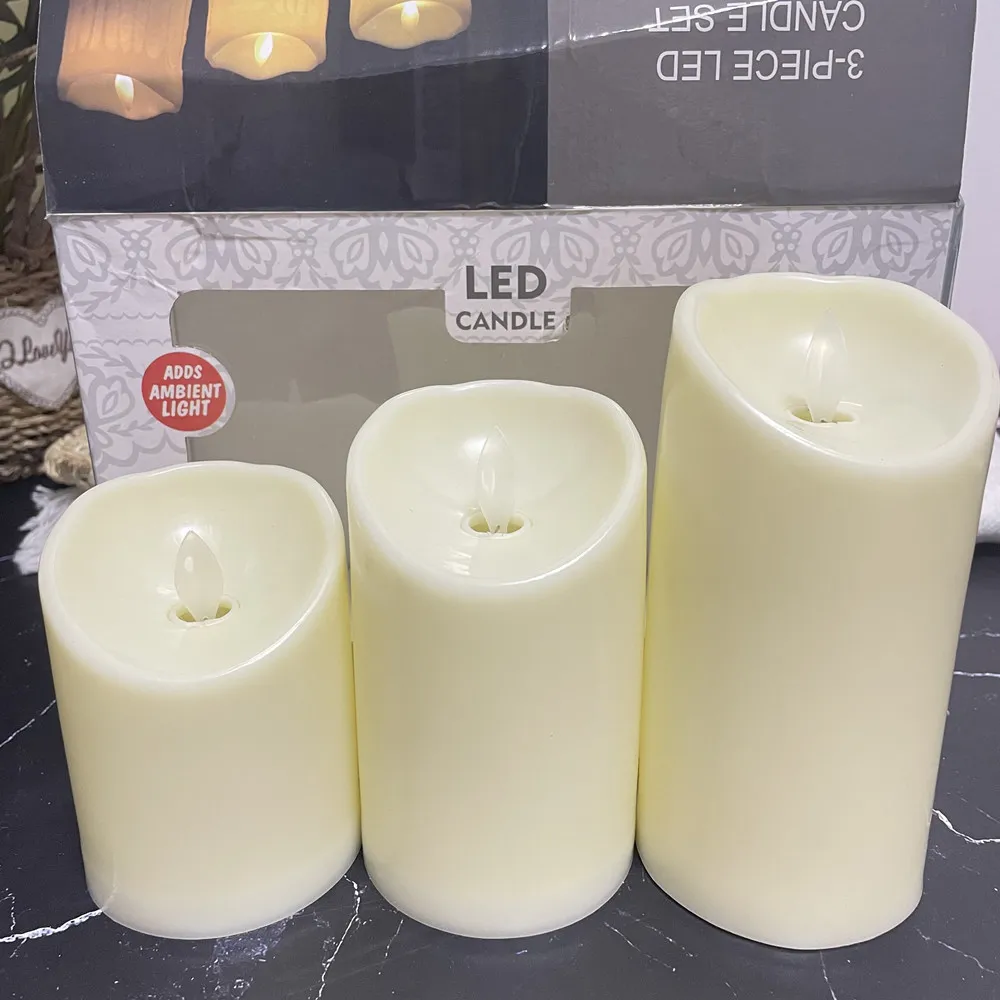 Why LED Candles Bulk Orders Are Transforming Modern Event and Home DecorationIn today’s modern lifestyle and event planning industry, lighting plays a crucial role in creating atmosphere, emotion, and visual impact.Read More >
May 15 2026
-
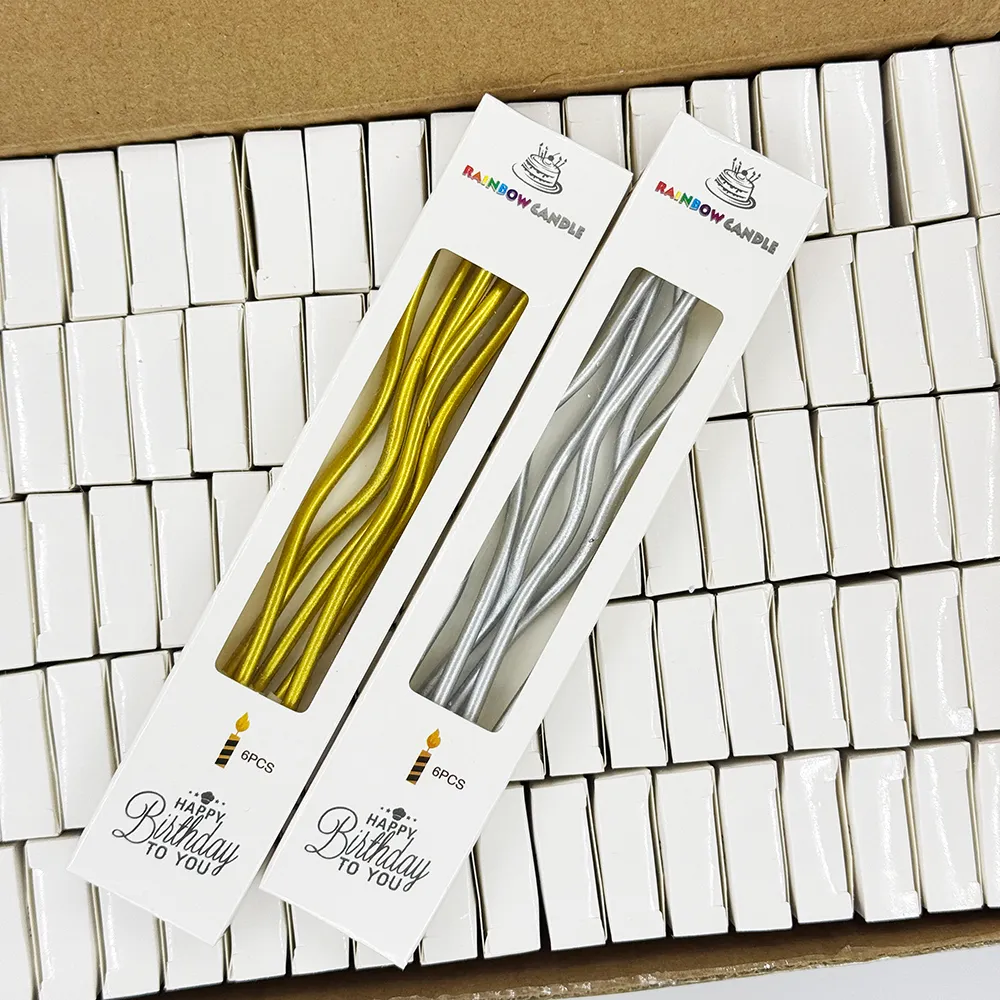 Why Are Birthday Candles Essential for Modern Party Celebrations?Birthday celebrations have always been a meaningful part of human culture, symbolizing joy, togetherness, and new beginnings.Read More >
May 15 2026
-
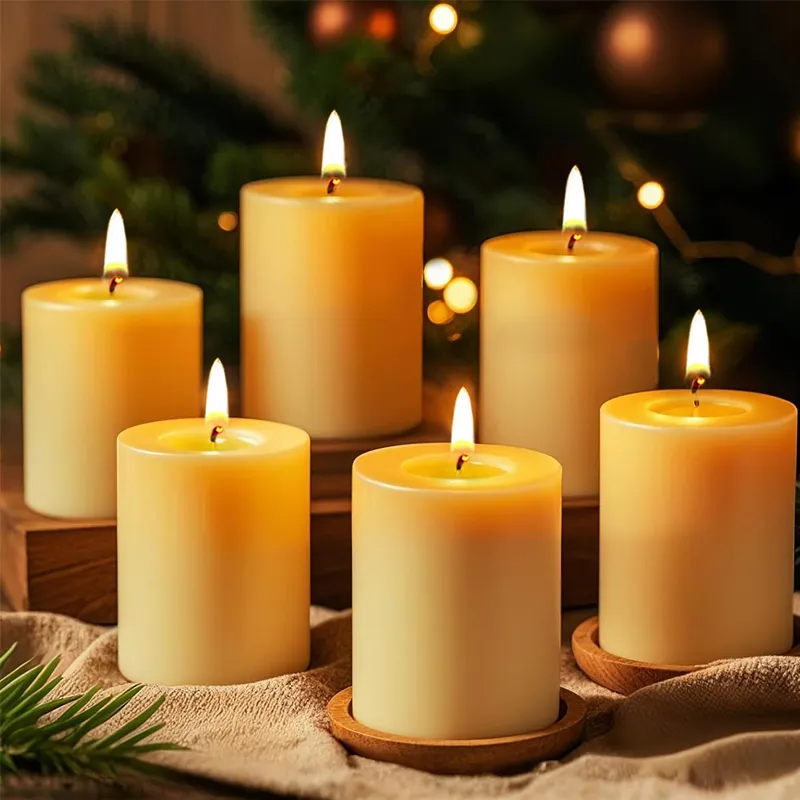 Why Beeswax Candle Bulk Orders Are Becoming the Preferred Choice for Modern ConsumersIn recent years, the candle industry has experienced significant growth as consumers increasingly seek natural, eco-friendly, and premium-quality home fragrance products.Read More >
May 15 2026
-
 Exploring Different Types of Candle Shapes: Why Modern Homes Love Creative Candle DesignsCandles are no longer just simple decorative items placed on dining tables or shelves.Read More >
May 15 2026
-
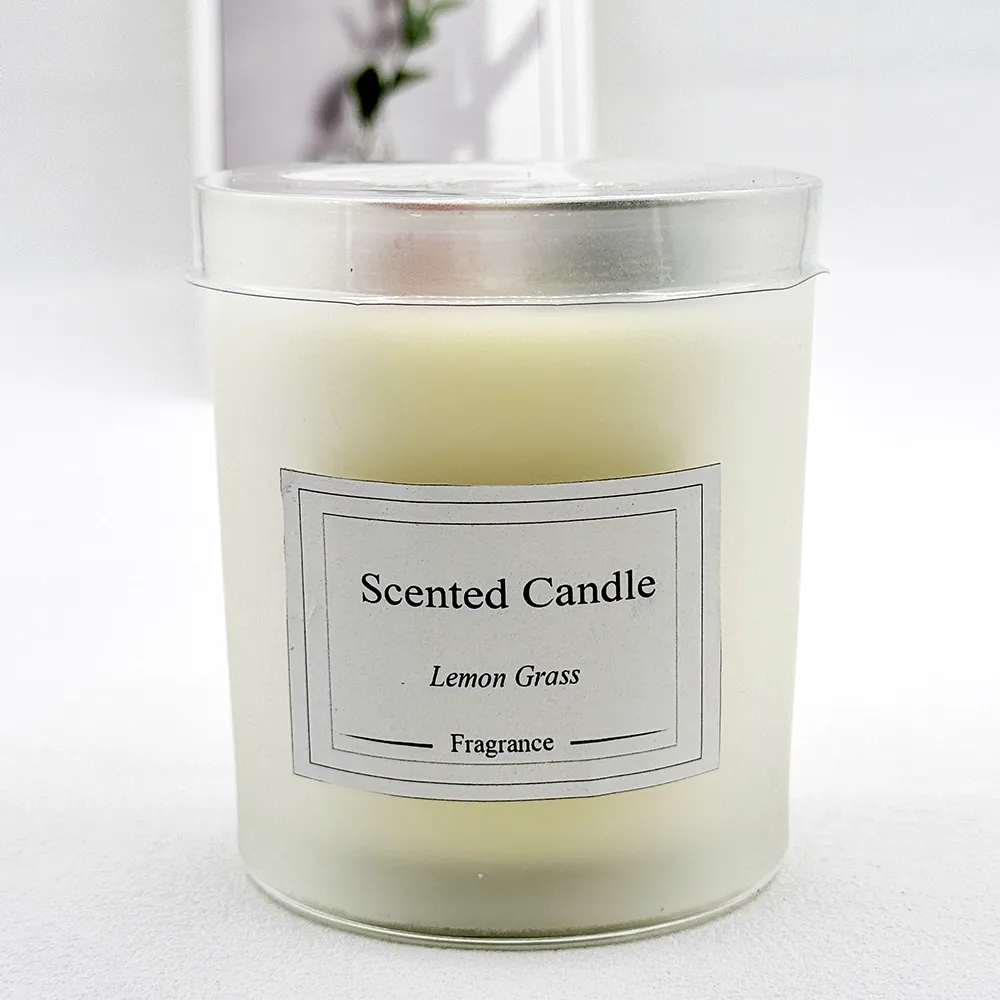 Why Are Scented Candles Becoming Essential for Modern Home Living?In today’s fast-paced world, people are paying more attention to creating comfortable and relaxing living spaces.Read More >
May 15 2026