

The Cost of Beeswax Candles: What You Should Know
The Cost of Beeswax Candles: What You Should Know
Understanding the Real Cost of Beeswax Candles
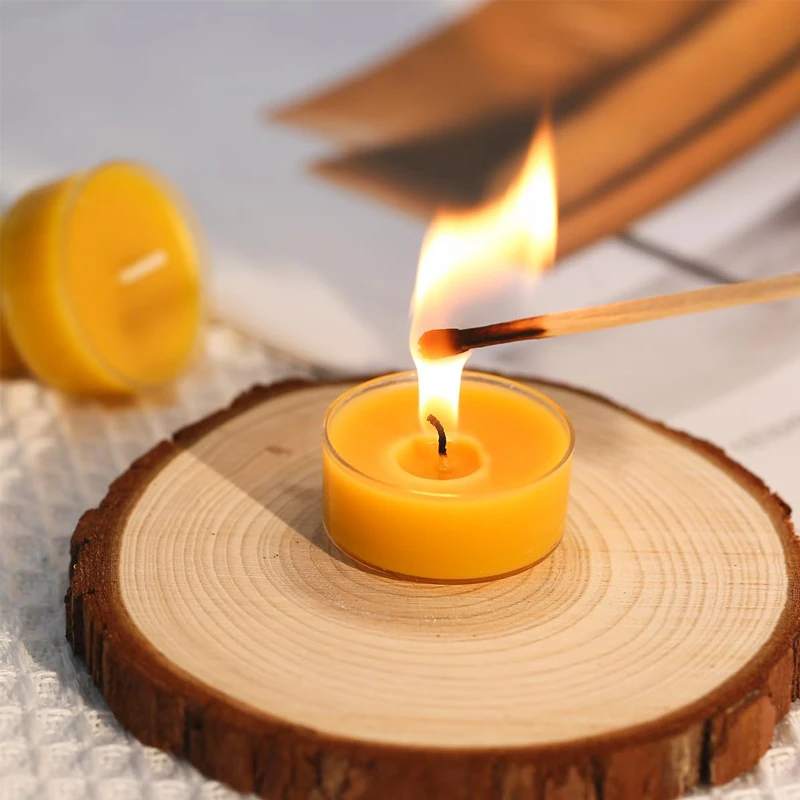
Working in the industrial equipment sector, I've come to appreciate that every product has a story behind its price tag, and beeswax candles are no exception. You've probably noticed that a simple-looking beeswax candle can cost quite a bit more than a regular paraffin one. Frankly, the price isn't just about aesthetics or the warm glow; it's about the materials, craftsmanship, and, oddly enough, the bee labor involved.
First off, beeswax itself isn’t cheap. It’s a natural, sustainable product, yes, but extracting enough pure beeswax to produce candles at scale isn’t trivial. The cost fluctuates with seasons, bee populations, and even local environmental conditions. I remember one supplier mentioning how a particularly harsh winter slashed their bees’ output, sending wax prices through the roof.
Then there’s the manufacturing process. Beeswax requires gentle handling — melting at lower temperatures than paraffin to preserve its natural qualities. In my experience, high-quality beeswax candles often include hand-poured or small-batch production, which shoots up labor costs but pays off in a cleaner, longer-lasting burn.
Take this as a rough baseline: a typical beeswax candle will cost you roughly three to five times more than your average paraffin one. But that price reflects more than material. Customization options add layers of cost — think natural wicks, scent infusions, or decorative designs. This is where many companies differentiate themselves.
What to Look for: Beeswax Candle Specifications
| Specification | Typical Range / Details |
|---|---|
| Material Purity | ≥ 95% Pure Beeswax (some blends include soy or paraffin) |
| Melting Point | 62–65°C (143.6–149°F) |
| Burn Time | ~40–50 hours per 100g candle |
| Scent | Natural honey aroma, with optional infused scents |
| Wick Type | Cotton or hemp (natural fibers preferred) |
Comparing Vendors: What’s Behind the Price Difference?
Years in the trade taught me that not all beeswax candles are created equal, even if they look similar on the shelf. The vendor’s sourcing, production methods, and operational scale play big roles. Here's a straightforward comparison showing how a few well-known suppliers stack up:
| Vendor | Price per 100g (USD) | Wax Purity | Production Type | Customization |
|---|---|---|---|---|
| Ounis Candle (Best Buy) | $12.50 | ≥ 98% | Small-batch, handcrafted | Wide range (scents, sizes, wicks) |
| BeePure | $15.00 | ≥ 95% | Automated batch | Limited |
| NatureGlow | $10.00 | ≥ 90% (blended wax) | Mass-produced | None |
From my chats with a few clients, it turns out that investing a little more upfront — say, going for something like Ounis Candle — pays dividends in longevity and burn quality. One client, who switched exclusively from generic blends to pure beeswax from Ounis, said the difference was night and day. The candle burned consistently, never flickered oddly, and the natural aroma was just... well, it was worth every cent.
Overall, the cost of beeswax candles depends greatly on sourcing, purity, and craftsmanship. If you’re after the best bang for your buck, keep a keen eye on these aspects — and don’t hesitate to ask your vendor about their process. It’s kind of like knowing the story behind the tool you're buying. You appreciate it more, and it usually lasts longer.
Anyway, that's enough wax talk for today. Next time you light a beeswax candle, you might just think about how much love and labor went into that soft flicker.
References and reflections:
- Conversations with suppliers and manufacturing experts in natural candle production.
- Market pricing trends from B2B sales reports and seasonal wax availability.
- Customer feedback on beeswax candle longevity and burn quality.
Latest News About Us
-
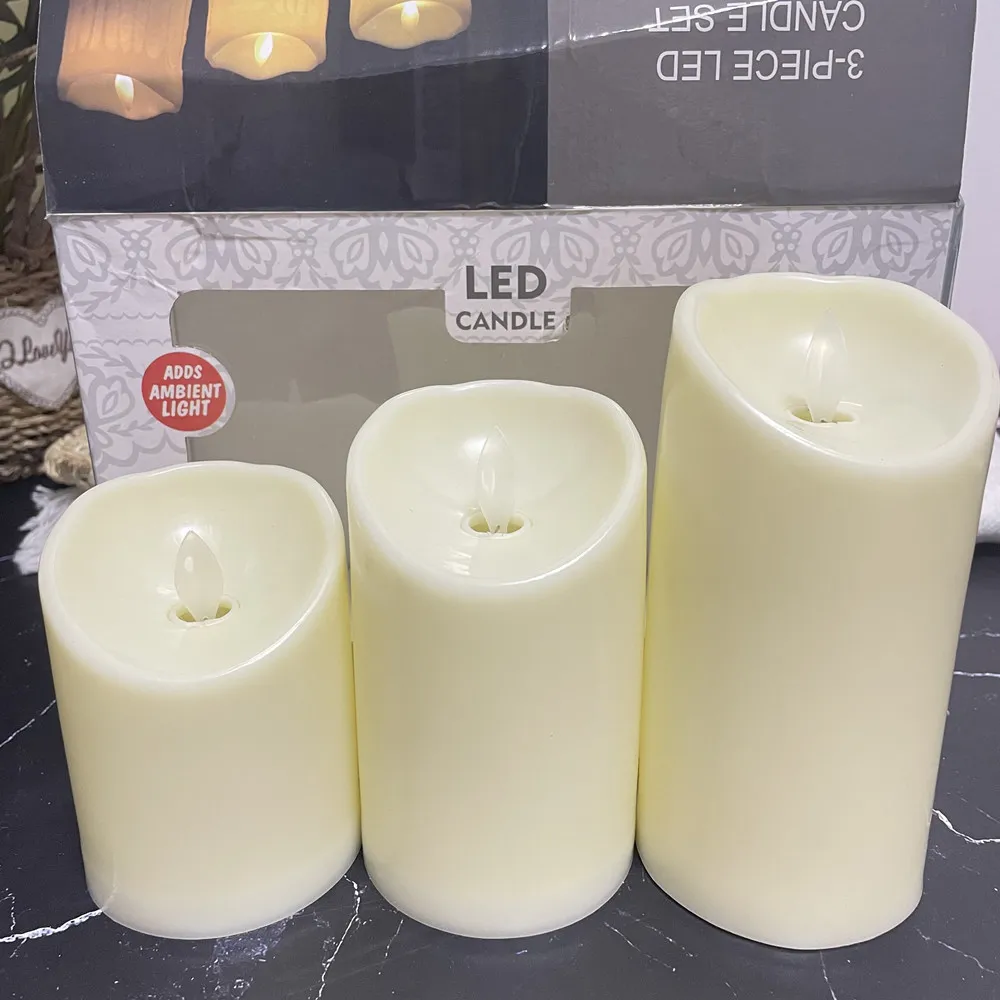 Why LED Candles Bulk Orders Are Transforming Modern Event and Home DecorationIn today’s modern lifestyle and event planning industry, lighting plays a crucial role in creating atmosphere, emotion, and visual impact.Read More >
May 15 2026
-
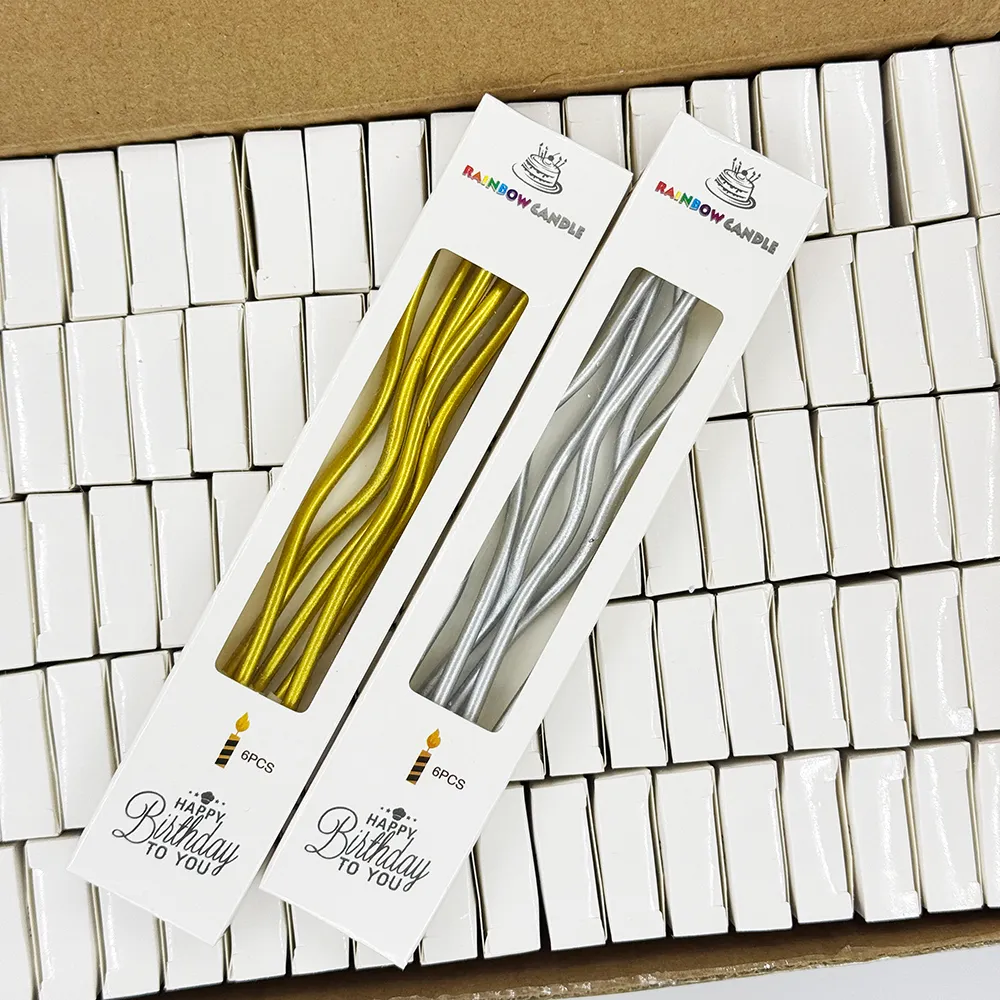 Why Are Birthday Candles Essential for Modern Party Celebrations?Birthday celebrations have always been a meaningful part of human culture, symbolizing joy, togetherness, and new beginnings.Read More >
May 15 2026
-
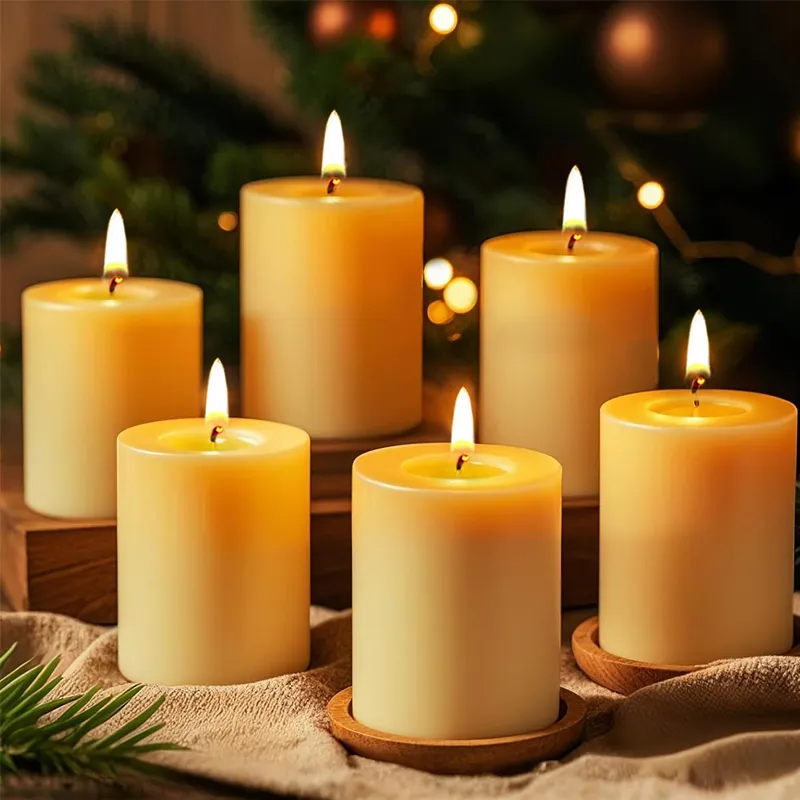 Why Beeswax Candle Bulk Orders Are Becoming the Preferred Choice for Modern ConsumersIn recent years, the candle industry has experienced significant growth as consumers increasingly seek natural, eco-friendly, and premium-quality home fragrance products.Read More >
May 15 2026
-
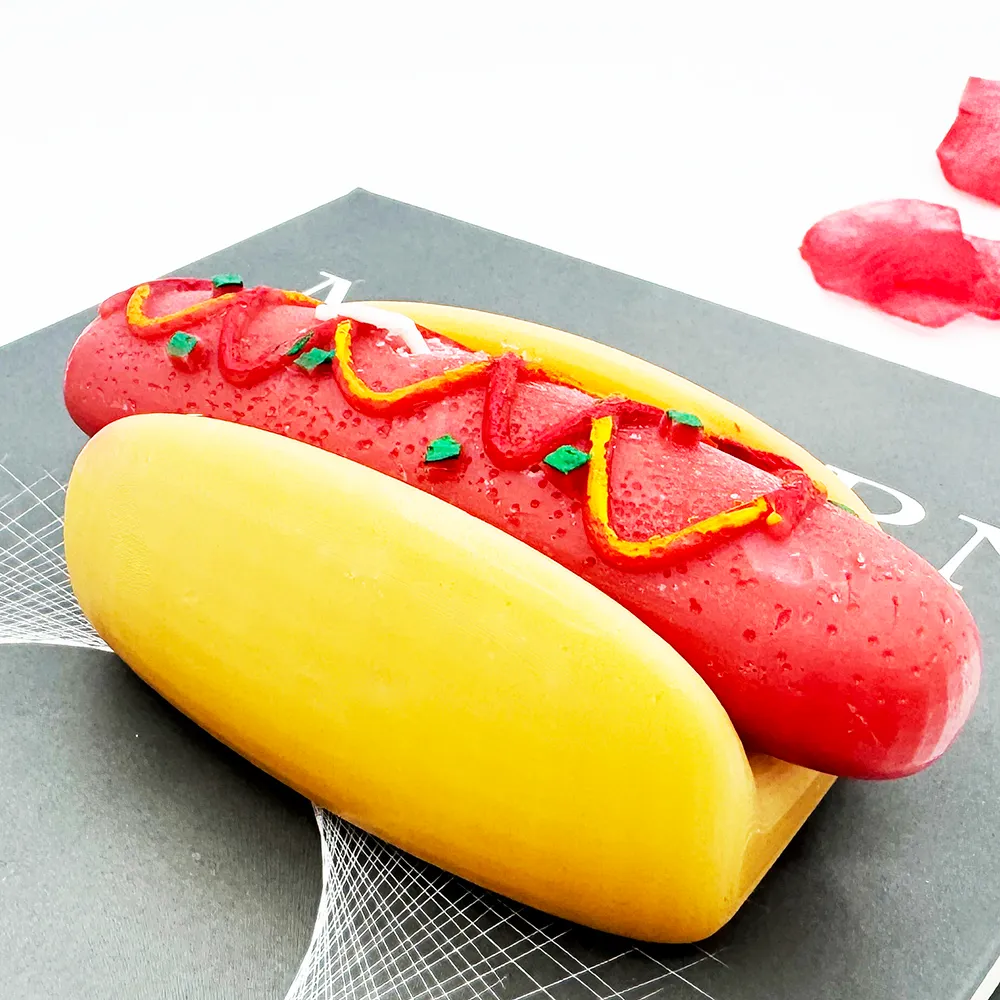 Exploring Different Types of Candle Shapes: Why Modern Homes Love Creative Candle DesignsCandles are no longer just simple decorative items placed on dining tables or shelves.Read More >
May 15 2026
-
 Why Are Scented Candles Becoming Essential for Modern Home Living?In today’s fast-paced world, people are paying more attention to creating comfortable and relaxing living spaces.Read More >
May 15 2026