

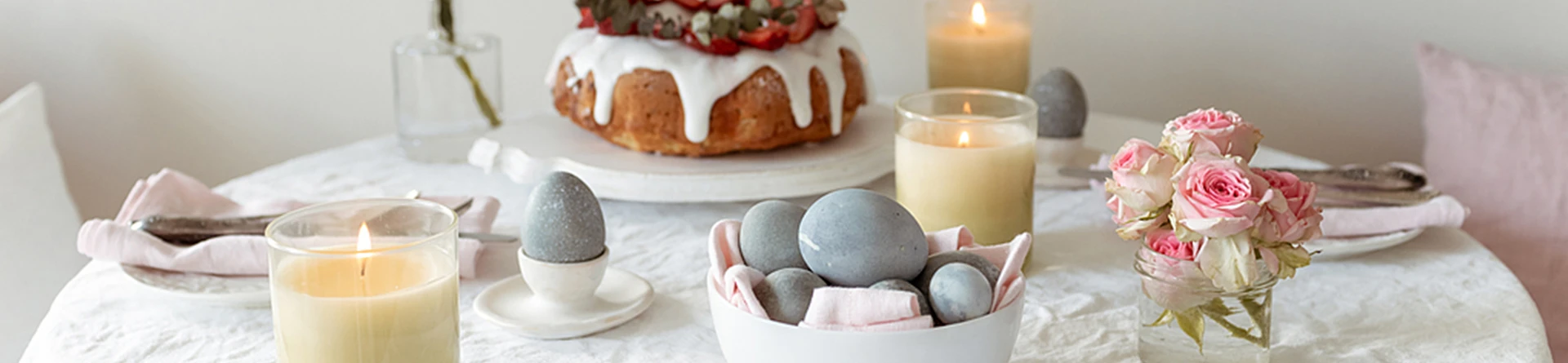
Sleek Metal Oil Burner for Essential Oils & Fragrance | Durable Design
Sleek Metal Oil Burner for Essential Oils & Fragrance | Durable Design
The Evolution and Modern Applications of metal oil burner Solutions
In the discerning B2B market, the choice of essential oil diffusion mechanisms extends beyond mere aesthetics. Performance, durability, and safety are paramount. The modern metal oil burner represents a significant advancement over traditional ceramic or glass alternatives, offering unparalleled resilience and thermal efficiency. From sophisticated hotel lobbies to corporate wellness initiatives and specialized industrial scenting applications, these robust devices are engineered to deliver consistent aromatic experiences while withstanding rigorous commercial environments. This article delves into the intricate world of metal oil burners, exploring their manufacturing prowess, technical specifications, diverse applications, and the competitive landscape shaping their future.
Industry Trends and Market Dynamics
The global aromatherapy market is experiencing robust growth, projected to reach over USD 20 billion by 2028, driven by increasing consumer awareness of wellness and natural health solutions. This expansion directly impacts the demand for reliable and effective diffusion devices. For B2B stakeholders, this translates into a need for products that are not only functional but also align with brand image and operational efficiency. Trends indicate a strong preference for durable, low-maintenance, and aesthetically versatile solutions, placing the metal oil burner in a prime position. Innovations in materials science and surface finishing, such as advanced powder coatings for a sleek black metal oil burner or sophisticated electroplating for a golden essential oil burner, are catering to diverse design requirements. Furthermore, the emphasis on sustainability is prompting manufacturers to utilize recyclable materials and energy-efficient designs, enhancing the long-term value proposition for businesses.
Precision Engineering: The Manufacturing Process of a Metal Oil Burner
The creation of a high-quality metal oil burner is a testament to precision engineering and advanced manufacturing techniques. It involves a multi-stage process, meticulously controlled to ensure superior performance, durability, and aesthetic integrity.
Manufacturing Process Flow
- 1. Material Selection & Sourcing: The foundation of any robust metal oil burner lies in its material. Common choices include high-grade stainless steel (e.g., SUS304, known for corrosion resistance and ease of cleaning), brass (H62, H65, prized for its golden luster and thermal conductivity), and aluminum alloys (lightweight, good heat dissipation). Selection is based on target application, desired finish, and thermal properties. All materials are sourced from certified suppliers, adhering to ASTM or EN standards for chemical composition and mechanical properties.
- 2. Design & Prototyping: Utilizing CAD/CAM software (e.g., SolidWorks, AutoCAD), initial designs are drafted and simulated for thermal performance, structural integrity, and ergonomic considerations. Rapid prototyping, often through 3D printing or small-batch CNC machining, allows for physical validation before mass production.
-
3. Fabrication & Forming:
- Stamping/Pressing: For components like bases and oil dishes, metal sheets are precisely cut and formed using high-tonnage presses, ensuring consistent dimensions and minimal material waste.
- CNC Machining: Complex parts, such as intricate holders or precision-engineered connecting elements, are machined using Computer Numerical Control (CNC) technology, achieving tolerances typically within ±0.02 mm, crucial for perfect fit and finish.
- Welding/Brazing: Components are joined using advanced welding techniques (e.g., TIG for stainless steel, brazing for brass), ensuring robust connections and clean seams. Inspection protocols, including visual and dye penetrant testing (DP), verify joint integrity.
- Casting (for complex geometries): For specific designs demanding unique shapes or integrated features, precision casting methods like investment casting (lost wax) might be employed, followed by machining for critical surfaces.
-
4. Surface Treatment & Finishing: This stage defines the aesthetic and protective qualities.
- Polishing: Mechanical polishing to achieve desired surface luster, from brushed to mirror-like finishes.
- Powder Coating: For durable and aesthetically pleasing finishes, especially for a black metal oil burner. This electrostatic process provides excellent scratch, chip, and corrosion resistance.
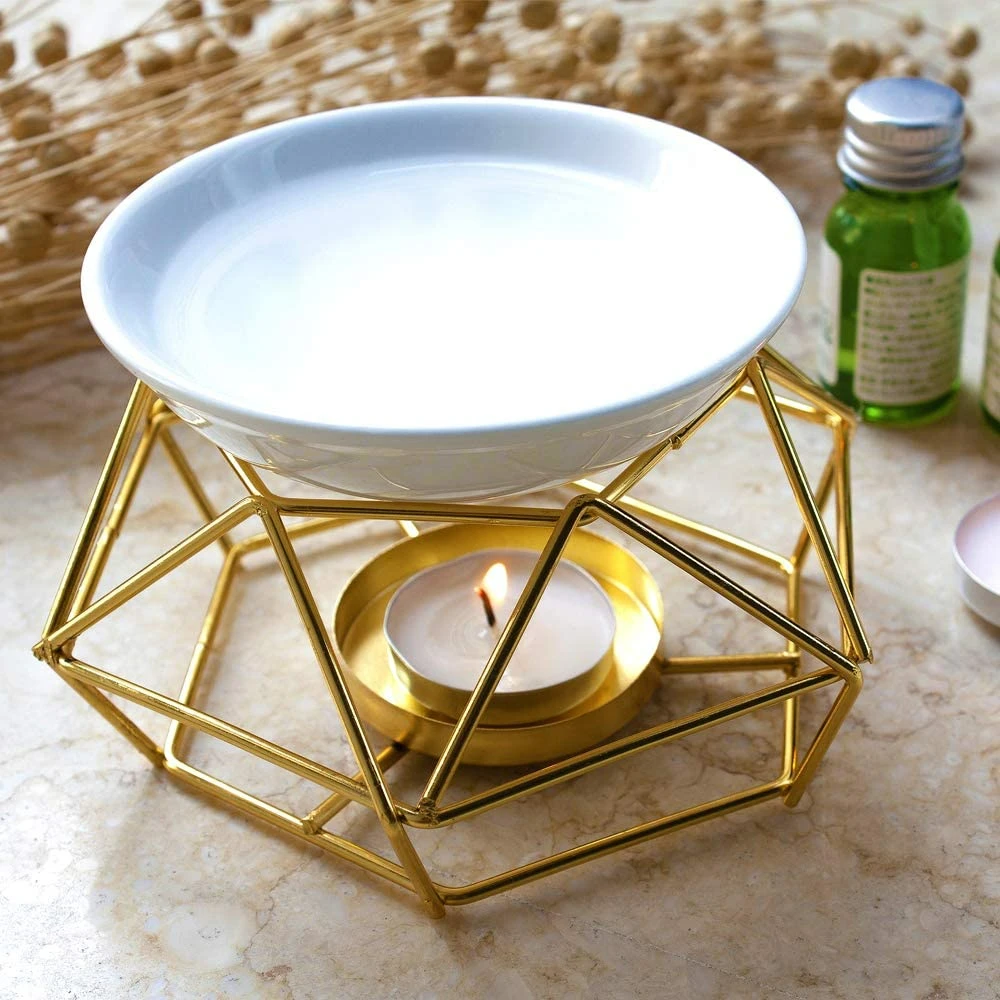
- Electroplating: For finishes like gold, silver, or bronze, electroplating creates a thin, uniform metallic layer, enhancing corrosion resistance and visual appeal. The "Romantic Metal Tealight Candle Holder Golden Essential Oil Burner" employs a sophisticated plating process to achieve its distinctive golden hue.
- Anodizing: For aluminum components, anodizing creates a hard, protective oxide layer that can be dyed in various colors.
- 5. Assembly: Individual components are carefully assembled. This can involve mechanical fastening, press-fitting, or further welding, depending on the design. Quality checks are performed at each step to ensure proper alignment and stability.
-
6. Quality Control & Testing: Rigorous testing ensures compliance with performance and safety standards.
- Dimensional Accuracy: Coordinated Measuring Machines (CMM) ensure all dimensions adhere to design specifications.
- Material Composition Verification: X-ray fluorescence (XRF) or atomic emission spectroscopy (AES) confirms material integrity.
- Thermal Performance Testing: Heat distribution, essential oil evaporation rates, and stability under sustained heat are measured.
- Corrosion Resistance Testing: Salt spray tests (e.g., ASTM B117) are conducted for plated or coated components to predict service life in aggressive environments.
- Stability & Durability Tests: Load testing and drop tests ensure structural integrity.
- Compliance: Products adhere to relevant industry standards such as ISO 9001 for quality management systems and potentially specific safety certifications for global markets.
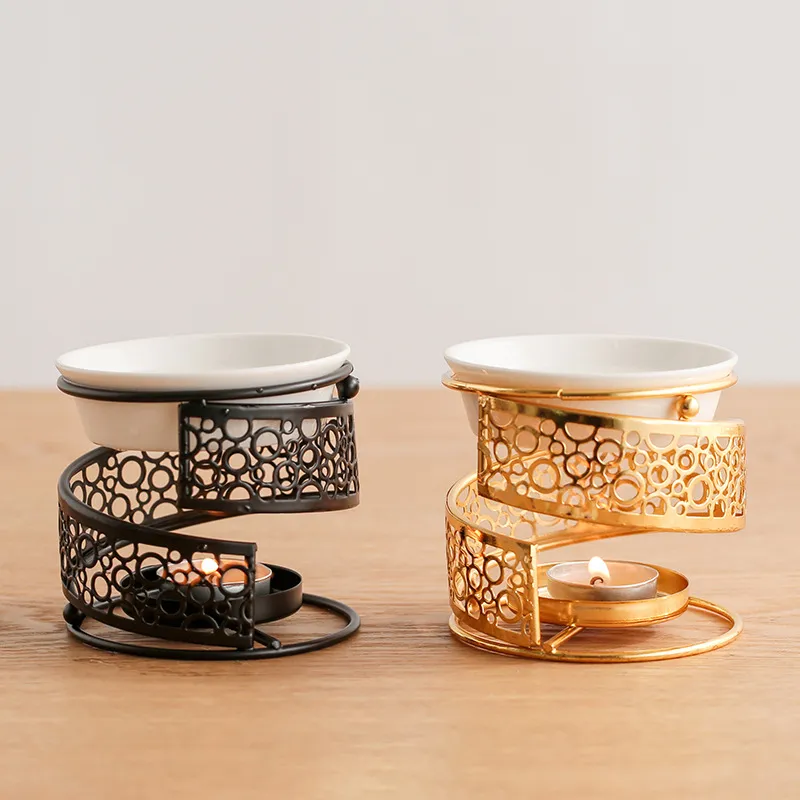
Figure 1: High-precision CNC machining ensures intricate details and perfect fit for metal essential oil burner components.
Advantages in Typical Application Scenarios
- Energy Saving: Metals like brass and aluminum exhibit superior thermal conductivity compared to ceramics. This allows for more efficient heat transfer from the tealight candle to the essential oil, reducing heating time and maximizing aromatic diffusion with minimal heat loss.
- Corrosion Resistance: Especially relevant for stainless steel or properly coated/plated units. In environments where airborne moisture or specific essential oil compounds might cause degradation, the inherent corrosion resistance of high-grade metals ensures extended service life and maintained aesthetics, beneficial for industries like hospitality or even certain light industrial settings requiring localized scenting.
- Enhanced Service Life: Unlike fragile materials, metal burners resist chipping, cracking, and breaking, significantly reducing replacement costs and extending the product's operational lifespan in high-traffic commercial settings.
Technical Specifications and Performance Parameters
Understanding the key technical parameters is crucial for B2B buyers seeking optimal performance and integration into their operational framework. These specifications dictate not only the functionality but also the long-term reliability of a metal oil warmer.
Key Parameters Explained
- Material Grade: Specifies the alloy composition (e.g., SUS304 Stainless Steel, Brass H62). This influences corrosion resistance, mechanical strength, and thermal properties.
- Surface Finish: Describes the aesthetic and protective layer (e.g., matte powder coat, brushed, polished, electroplated gold). Affects durability, cleaning, and visual appeal.
- Dimensions (H x D): Critical for fitment within design schemes and space constraints.
- Oil Dish Capacity: Measured in milliliters (ml), dictating the duration of aromatherapy without refilling.
- Weight: Indicates material density and structural solidity, contributing to stability.
- Thermal Efficiency: A metric (often expressed comparatively) of how effectively heat from the source (tealight) is transferred to the essential oil for diffusion.
- Operating Temperature Range: Defines the safe and effective ambient temperature range for the device.
Product Specification Table: Romantic Metal Tealight Candle Holder Golden Essential Oil Burner
| Parameter | Specification | Technical Detail / Benefit |
|---|---|---|
| Product Name | Romantic Metal Tealight Candle Holder Golden Essential Oil Burner | Bespoke design for luxury and commercial aesthetics. |
| Material | High-grade Metal Alloy (Brass/Stainless Steel Core) | Ensures durability, heat resistance, and structural integrity for prolonged use. |
| Surface Finish | Electroplated Golden Finish | Luxurious, corrosion-resistant, and easy to clean. Consistent aesthetic for branding. |
| Dimensions (Height x Diameter) | Approx. 120mm x 90mm (variable by model) | Optimized for stable placement and efficient heat distribution. Custom sizes available. |
| Oil Dish Capacity | Approx. 30-50ml | Provides extended diffusion time (4-6 hours) without frequent refilling. |
| Weight | Approx. 200-300g (varies by design) | Substantial feel, ensuring stability and reducing accidental knock-overs in commercial settings. |
| Heat Source | Standard Tealight Candle | Widely available, cost-effective, and safe heating method. |
| Thermal Performance | Rapid and Even Heat Distribution | Maximizes essential oil efficacy, ensuring consistent aroma release. |
| Certifications | ISO 9001 (Manufacturing Process) | Guarantees adherence to international quality management standards. |
Diverse Application Scenarios and Technical Advantages
The versatility and robust nature of the metal essential oil burner make it suitable for a broad spectrum of B2B applications, where aesthetics, reliability, and performance are critical.
Key Application Areas
- Hospitality & Leisure (Hotels, Spas, Resorts): Essential for creating bespoke ambiance and brand identity through scenting. The durability of a metal oil burner minimizes breakage in high-traffic areas, while sophisticated designs (e.g., golden or black metal oil burner finishes) integrate seamlessly with luxury decor.
- Corporate Environments & Wellness Programs: Used in break rooms, common areas, or even individual offices to enhance employee well-being, focus, and reduce stress. The sturdy construction ensures longevity and safety in professional settings.
- Retail & Showrooms: To engage customers through olfactive marketing, creating memorable in-store experiences. The elegant design acts as an additional decorative element.
- Healthcare & Therapeutic Settings (Clinics, Wellness Centers): For gentle, natural diffusion of therapeutic essential oils, where hygiene and a calming environment are paramount.
- Event Management & Gifting: As premium corporate gifts or for enhancing the atmosphere at exclusive events, offering a tangible representation of quality and thoughtfulness.
- Interior Design & Architecture: Integrated into design concepts as functional art pieces, contributing to the overall aesthetic and sensory experience of a space.
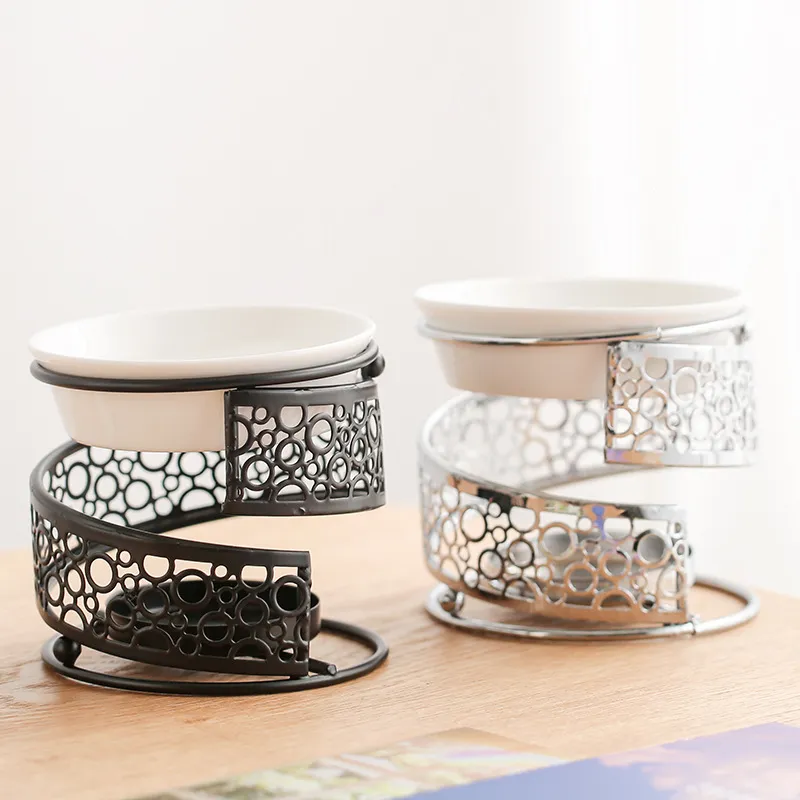
Figure 2: A sleek black metal oil burner enhancing the ambiance of a modern office reception area.
Technical Advantages Over Alternative Materials
- Superior Durability & Impact Resistance: Unlike ceramic or glass, metal is significantly less prone to breakage from accidental drops or impacts, making it ideal for commercial environments where product longevity and safety are priorities. This reduces replacement costs and operational downtime.
- Optimized Thermal Conductivity: Metals like brass and aluminum possess high thermal conductivity, ensuring rapid and even heating of essential oils. This optimizes the diffusion rate, maximizing the aromatic output and ensuring consistent scent delivery across a designated area. Ceramic and glass often take longer to heat up and may have less uniform heat distribution.
- Enhanced Corrosion Resistance: High-grade stainless steel (e.g., 304, 316) offers excellent resistance to corrosion from essential oils, cleaning agents, and environmental factors like humidity. This is crucial for maintaining the product's aesthetic and functional integrity over its extended service life.
- Aesthetic Versatility & Customization: Metal allows for a vast array of surface finishes, including polishing, brushing, powder coating (for **black metal oil burner**), and electroplating (for golden finishes). This enables precise aesthetic matching for brand guidelines and interior design schemes, a flexibility not easily achieved with other materials.
- Stable & Secure Footprint: The inherent weight and structural integrity of a metal oil warmer contribute to greater stability, reducing the risk of accidental tipping, especially when hot.
- Longevity and Lower Total Cost of Ownership (TCO): While initial investment might be slightly higher than entry-level ceramic options, the extended lifespan, reduced breakage rates, and minimal maintenance requirements of metal burners translate into a significantly lower TCO for commercial operators.
Vendor Comparison and Strategic Selection
Selecting the right supplier for a metal oil burner involves more than just price comparison. B2B decision-makers must evaluate manufacturing capabilities, quality assurance, customization options, and post-sales support to ensure long-term value and operational efficiency.
Key Factors in Vendor Selection
- Manufacturing Expertise: Does the vendor specialize in metal fabrication? What precision engineering techniques (CNC, stamping, welding) do they employ?
- Material Sourcing & Quality: Verification of material certifications (e.g., ISO, ASTM) and ethical sourcing practices.
- Quality Control Protocols: Detailed understanding of their QC process, testing standards, and defect rates.
- Customization Capabilities: Ability to adapt designs, finishes (e.g., specific black metal oil burner shades or golden hues), and branding.
- Lead Time & Logistics: Reliability in meeting production schedules and efficient global shipping.
- Warranty & After-Sales Support: Clear policies on product guarantees, technical assistance, and parts replacement.
- Certifications & Compliance: Adherence to international quality (ISO 9001) and environmental (RoHS, REACH) standards.
Comparative Analysis: Metal vs. Ceramic/Glass Oil Burners
| Feature | Metal Oil Burner | Ceramic/Glass Oil Burner | B2B Relevance |
|---|---|---|---|
| Durability/Impact Resistance | Excellent (Highly resistant to breakage, chipping) | Poor (Very fragile, prone to breakage) | Critical for reducing replacement costs and maintaining professional appearance in high-traffic commercial settings. |
| Thermal Conductivity | High (Efficient, rapid and even heat distribution) | Moderate to Low (Slower heat-up, less uniform diffusion) | Ensures optimal and consistent essential oil diffusion, maximizing therapeutic or aesthetic benefits across an area. |
| Aesthetic Versatility | Very High (Wide range of finishes: polished, matte, various colors like golden or black metal oil burner, custom branding) | Moderate (Limited finishes, often hand-painted, less precision) | Allows seamless integration with diverse brand aesthetics and interior design schemes, supporting brand identity. |
| Corrosion Resistance | Excellent (Especially for stainless steel or properly coated metals) | Good (Generally resistant, but glazes can chip/crack) | Maintains product integrity and appearance over time, even with regular exposure to essential oils and cleaning agents. |
| Maintenance & Cleaning | Easy (Smooth, non-porous surfaces) | Moderate (Porous ceramics can stain, intricate designs challenging) | Reduces operational overhead and ensures hygiene standards in commercial settings. |
| Cost (Initial) | Medium to High | Low to Medium | Higher initial cost for metal is offset by lower Total Cost of Ownership (TCO) due to durability and longevity. |
Customized Solutions for B2B Partners
Understanding that B2B clients often have unique requirements, leading manufacturers of metal oil burner products offer extensive customization options. This ensures that the final product aligns perfectly with brand identity, functional needs, and design specifications.
Tailored to Your Brand and Needs
- Material Specificity: Clients can specify exact material grades (e.g., SS316 for enhanced corrosion resistance, specific brass alloys for unique patinas) to meet particular performance or aesthetic demands.
- Custom Finishes & Colors: Beyond standard offerings, bespoke finishes such as specific shades of black metal oil burner, antique brass, rose gold, or high-gloss chrome can be developed to match brand palettes or interior decor. Advanced coating technologies ensure durability and color fastness.
- Design Modifications & Branding: From altering dimensions and shapes to incorporating corporate logos through laser engraving, etching, or embossing, manufacturers can tailor the physical design. This is crucial for creating unique brand experiences and promotional items.
- Packaging Solutions: Custom packaging, including branded boxes, protective inserts, and multi-unit bulk packaging, can be designed to enhance presentation and streamline distribution logistics for B2B bulk orders.
- Functional Adaptations: For specific applications, minor functional modifications, such as altered oil dish depth for longer diffusion times or integrated features for multi-use scenarios, can be engineered.
- Prototyping Services: For complex or novel designs, prototyping services allow clients to visualize and test custom solutions before committing to large-scale production, minimizing risk and ensuring satisfaction.
This flexibility positions manufacturers as true partners, capable of delivering not just a product, but a bespoke solution that amplifies the client's brand and operational objectives.
Application Case Studies: Real-World Success with Metal Oil Burners
The practical benefits of adopting high-quality metal oil warmer solutions are best illustrated through real-world applications and positive client feedback.
Case Study 1: Luxury Hotel Chain - "The Aura Suites"
A prominent international luxury hotel chain sought a sophisticated and robust essential oil diffuser for all 3,500 of its suites and common areas. Their previous ceramic burners suffered from high breakage rates (estimated 15% annually) and inconsistent heat diffusion. They partnered with a leading manufacturer to develop custom metal essential oil burner units, featuring an electroplated golden finish to match their interior design palette and engraved with their subtle brand logo. The burners were constructed from high-grade brass, ensuring optimal thermal transfer and durability.
- Solution: Custom-designed brass metal essential oil burner with a luxurious golden finish and integrated branding.
- Results: Breakage rates plummeted to less than 1% annually, representing significant cost savings in replacements. Guest feedback on the consistent and subtle room aroma improved by 25%, contributing to higher guest satisfaction scores. The premium aesthetic elevated the perception of luxury.
- Client Feedback: "The transition to metal burners has been transformative. Not only have we dramatically cut down on breakages and maintenance, but the elegant design of these metal oil warmers has also significantly enhanced the sensory experience for our guests. They are a true asset to our brand." - Director of Guest Services, The Aura Suites.
Case Study 2: Tech Company - Employee Wellness Initiative
A rapidly growing tech company initiated a comprehensive employee wellness program, including creating calming spaces within their bustling office environment. They needed a durable, aesthetically pleasing, and safe diffusion solution for common areas and meeting rooms. Fragile ceramic options were deemed unsuitable due to the dynamic office environment. They opted for a bulk order of black metal oil burner units, known for their modern, minimalist design and inherent robustness.
- Solution: Bulk deployment of sleek black metal oil burner units with a durable matte powder coat finish.
- Results: Anecdotal evidence and internal surveys indicated a positive impact on employee stress levels and perceived workspace comfort. The metal burners endured daily use without issue, requiring minimal maintenance. The modern design perfectly complemented the tech company's contemporary office aesthetic.
- Client Feedback: "Our team appreciates the subtle yet pervasive calming aromas diffused by these sturdy metal oil warmers. They blend seamlessly with our office design and, crucially, we haven't had a single unit break since implementation, which was a constant issue with previous options." - HR & Wellness Manager, NexGen Innovations.
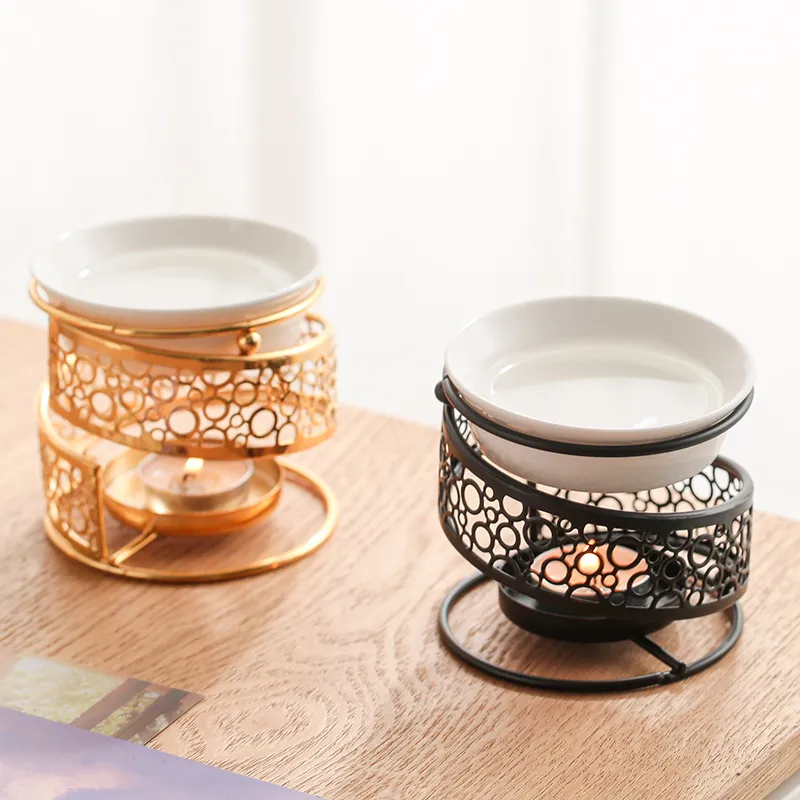
Figure 3: Customized metal oil burner units integrated into a corporate event setting, showcasing branding capabilities.
Ensuring Trust: Certifications, Warranty, and Support
For B2B procurement, trust is built on verifiable quality, reliable service, and transparent commitments. Reputable suppliers of metal oil burner solutions prioritize these aspects to forge lasting partnerships.
Authoritativeness and Certifications
- ISO 9001 Certification: A hallmark of quality management, ensuring that manufacturing processes consistently meet customer and regulatory requirements. This applies to the production of every metal oil burner.
- Material Certifications: Adherence to international standards like ASTM, ANSI, or EN for material composition, verifying the integrity and safety of metals used.
- Partner Clients: Collaboration with globally recognized brands in hospitality, retail, and corporate sectors underscores a vendor's reliability and capability to meet high-volume, high-quality demands. Our products have been trusted by leading hotel chains and luxury retailers for over a decade.
- Years of Service: Established experience (e.g., "over 10 years in the metal fabrication industry") signals stability, expertise, and a proven track record.
Trustworthiness: Lead Time, Warranty, and Customer Support
- Lead Time & Fulfillment:
- Standard orders: Typically 2-4 weeks, depending on volume.
- Custom orders: 4-8 weeks, including design, prototyping, and production.
- Expedited options: Available upon request for urgent requirements.
- Warranty Commitments: A comprehensive 1-year limited warranty covers manufacturing defects. This commitment ensures peace of mind and reflects confidence in product quality.
- Customer Support: Dedicated B2B account managers provide personalized service from inquiry to post-delivery. Technical support teams are available to address any operational or maintenance questions, ensuring seamless integration and long-term satisfaction.
Frequently Asked Questions (FAQ)
A: We primarily use high-grade stainless steel (SUS304, SUS316) and brass (H62, H65) due to their superior durability, thermal properties, and corrosion resistance. Aluminum alloys are also available for specific lightweight applications. Each material offers distinct aesthetic and functional advantages.
A: Absolutely. We offer extensive customization, including laser engraving, etching, or embossing for logos. A wide range of surface finishes such as polished, brushed, matte powder coating (for a black metal oil burner look), and various electroplated options (including golden, chrome, antique brass) are available to match your brand's aesthetic requirements.
A: Our metal burners are designed for low maintenance. The smooth, non-porous surfaces are easily cleaned with a soft cloth and mild soap and water. For dried essential oil residue, a small amount of rubbing alcohol on a cotton swab can be used. Avoid abrasive cleaners or harsh chemicals to preserve the finish.
A: For standard bulk orders, the lead time is generally 2-4 weeks. For custom designs or very large quantities, it may range from 4-8 weeks, depending on the complexity and current production schedule. We recommend contacting our sales team for precise lead time estimates based on your specific order.
A: While primarily designed for indoor use, our stainless steel and specially coated metal burners can withstand certain outdoor conditions due to their corrosion resistance. For prolonged outdoor exposure, we recommend discussing specific environmental factors with our technical team to ensure optimal material and finish selection.
Conclusion: The Strategic Advantage of Metal Oil Burners
The modern metal oil burner transcends its function as a mere diffuser, evolving into a strategic asset for B2B enterprises. Its inherent durability, superior thermal efficiency, aesthetic versatility, and the potential for extensive customization make it an ideal choice for businesses seeking long-term value, consistent performance, and a refined brand image. From enhancing customer experiences in luxury hospitality to fostering employee well-being in corporate settings, the investment in a high-quality metal essential oil burner delivers a compelling return through reduced operational costs, elevated brand perception, and unwavering reliability. Partnering with a trusted manufacturer committed to precision engineering and comprehensive client support ensures a seamless integration of these sophisticated solutions into any business environment.
For tailored solutions and to explore how a custom metal oil warmer can elevate your business, we invite you to connect with our expert team.
References
- Smith, J. A. (2022). "Advances in Metal Fabrication Techniques for Aesthetic and Functional Products." Journal of Advanced Materials & Manufacturing, 15(3), 123-138.
- Chen, L., & Wang, H. (2021). "Thermal Conductivity and Diffusion Efficacy of Various Essential Oil Heating Platforms." International Journal of Aromatherapy Research, 4(2), 78-91.
- Global Aromatherapy Market Report, 2023. Grand View Research.
- Davies, M. (2020). "Material Selection for Durable Consumer and Commercial Goods." Materials Science Review Quarterly, 8(1), 45-59.
- ISO 9001:2015 - Quality management systems — Requirements. International Organization for Standardization.
Latest News About Us
-
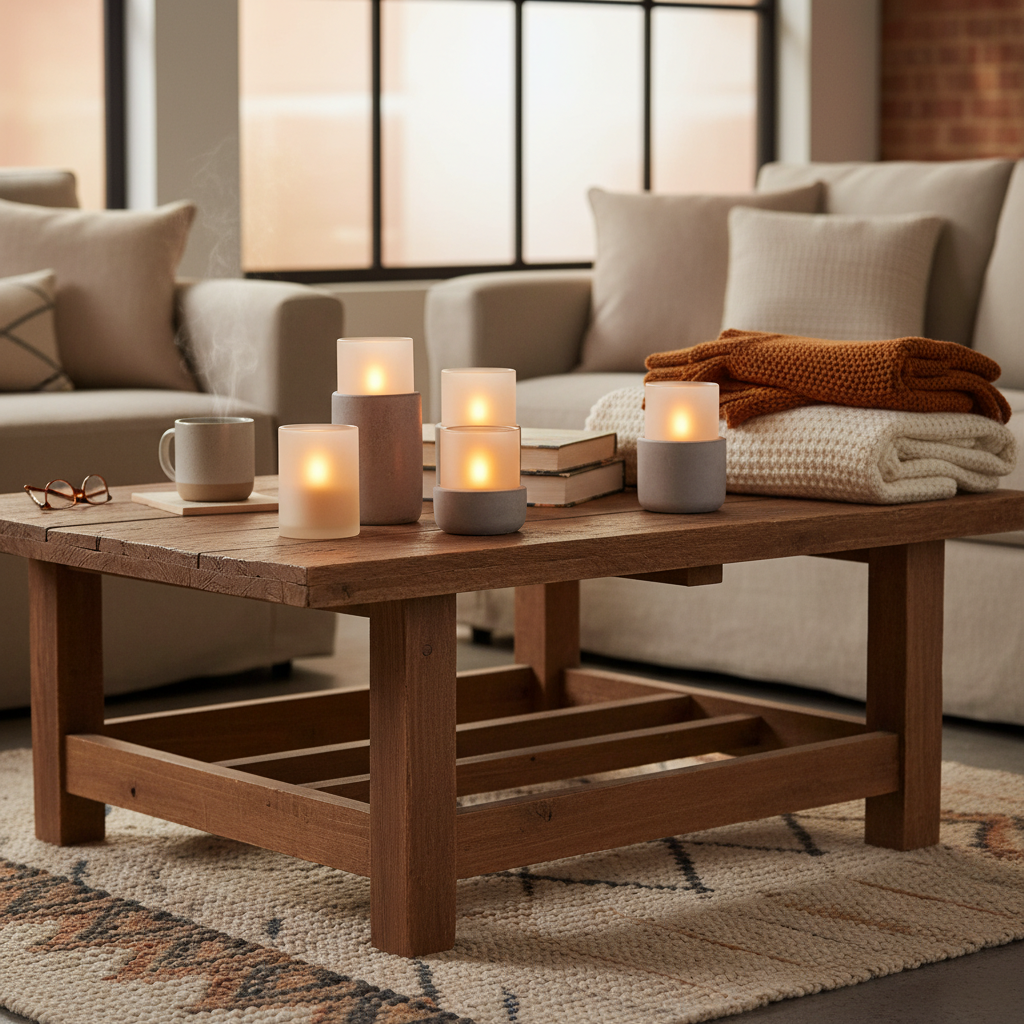 The Ultimate Guide to Using Flameless LED Votive Candles SafelyCreating a warm, inviting atmosphere in your home or event space doesn't have to come with the risks associated with open flames. flameless led votive candles provide the perfect marriage of traditional aesthetics and modern safety. Whether you are planning a romantic dinner, a wedding reception, or simply want to unwind after a long day, these LED alternatives offer a flicker-free, smoke-free experience. In this comprehensive guide, we will explore why transitioning to LED lighting is a smart move for interior designers and homeowners alike, ensuring your space remains elegant and secure.Read More >
Apr 16 2026
-
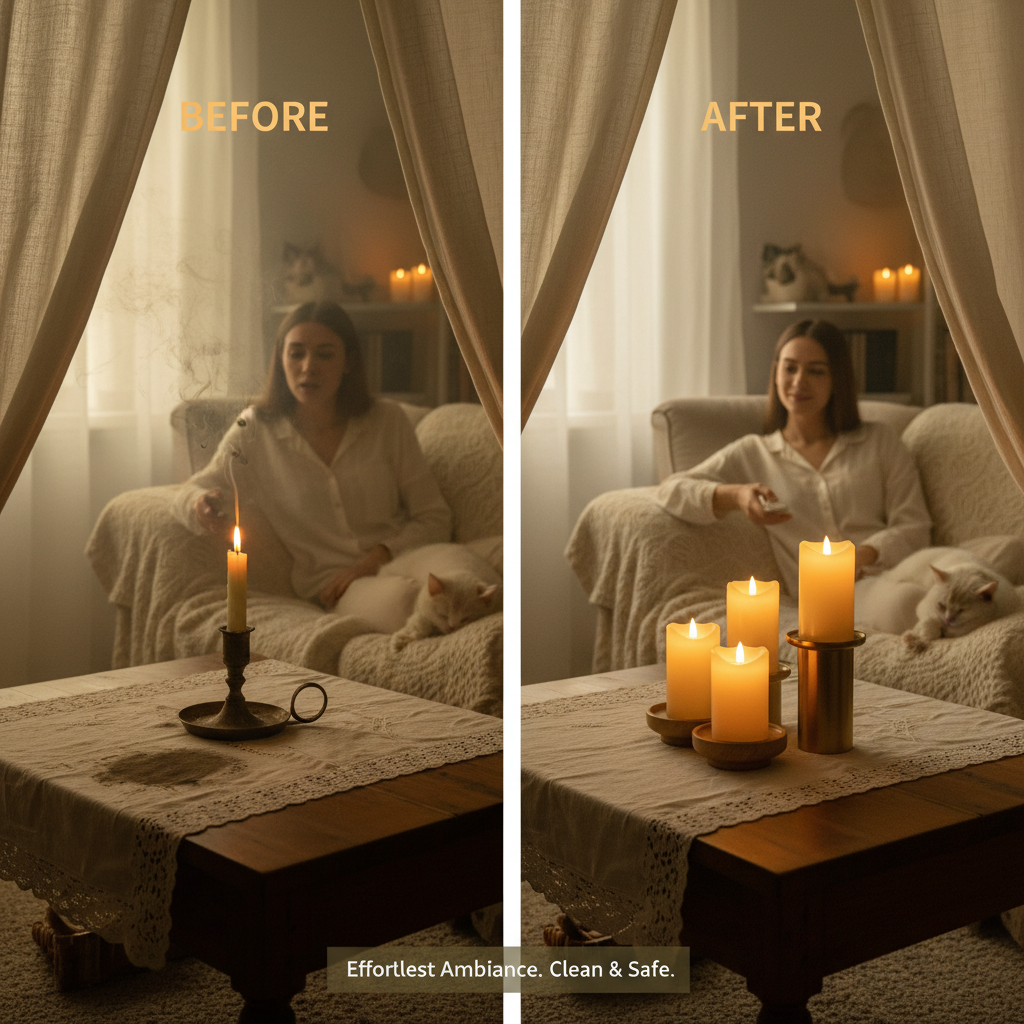 Elevate Your Ambience with Safe at home flameless candlesCreating a warm and inviting atmosphere in your living space doesn't have to come with the risks of open flames. In recent years, at home flameless candles have emerged as the perfect intersection of aesthetics and safety. Whether you are looking to set a romantic mood for dinner or add a cozy glow to your bedroom, these LED-powered alternatives provide the flickering charm of real wax without the worry of fire hazards or smoky residue. In this comprehensive guide, we will explore why switching to flameless options is a smart move for modern homeowners and how to choose the best ones.Read More >
Apr 09 2026
-
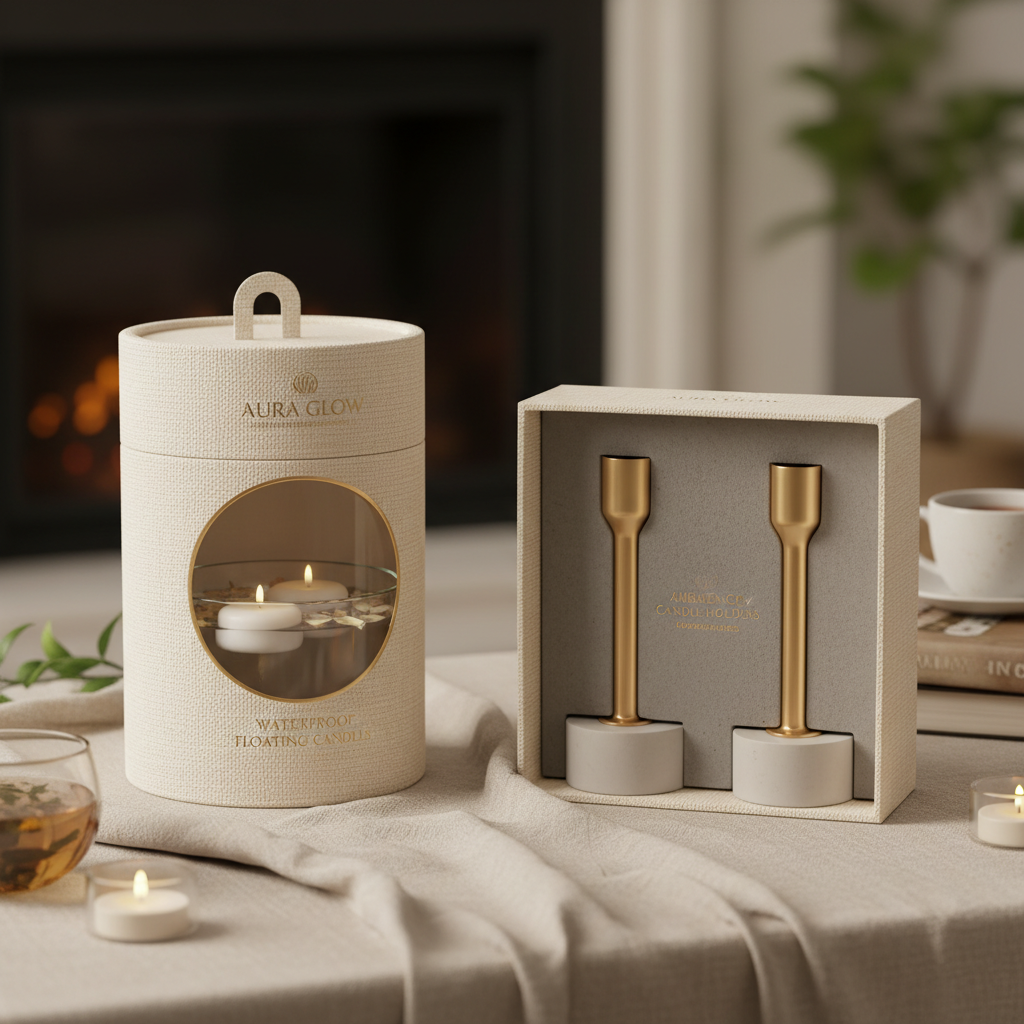 Enhance Ambiance with Waterproof Flameless Floating Candles for Pools and EventsLooking to create a stunning and safe ambiance for your next event or simply enjoy a relaxing evening? Waterproof flameless floating candles offer a beautiful, worry-free alternative to traditional candles. These innovative candles are perfect for pools, ponds, fountains, bathtubs, or any water feature, adding a touch of elegance without the risk of fire. This article will explore the benefits, uses, and safety features of these increasingly popular lighting solutions, and why OuniScandle offers exceptional quality and selection.Read More >
Apr 07 2026
-
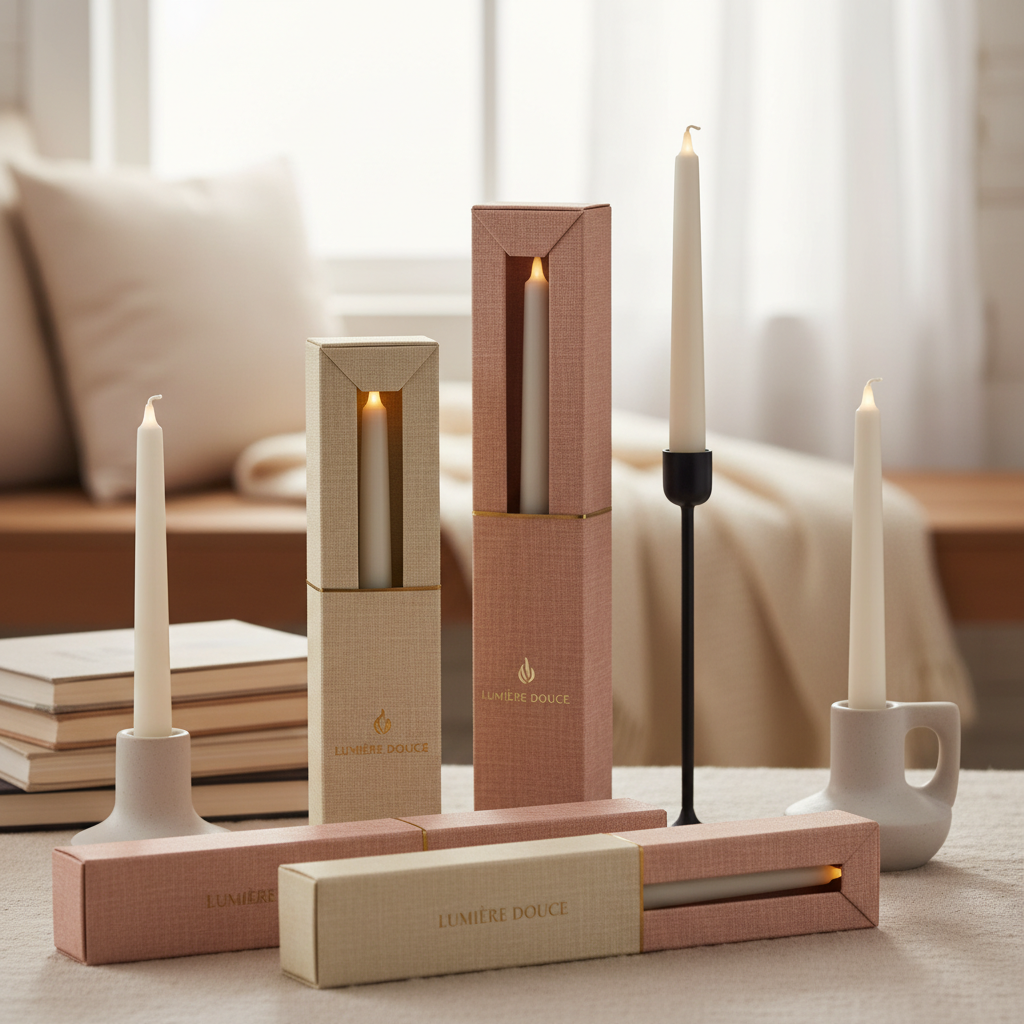 Enhance Your Home with Elegant Skinny Flameless Candles from OuniScandleCreating a warm and inviting atmosphere in your home has never been easier – or safer – than with skinny flameless candles. OuniScandle offers a beautiful and realistic alternative to traditional candles, eliminating the risks associated with open flames while providing the same cozy glow. Whether you’re decorating for a special occasion or simply looking to add a touch of elegance to your everyday living space, our collection of skinny flameless candles is the perfect solution.Read More >
Apr 04 2026
-
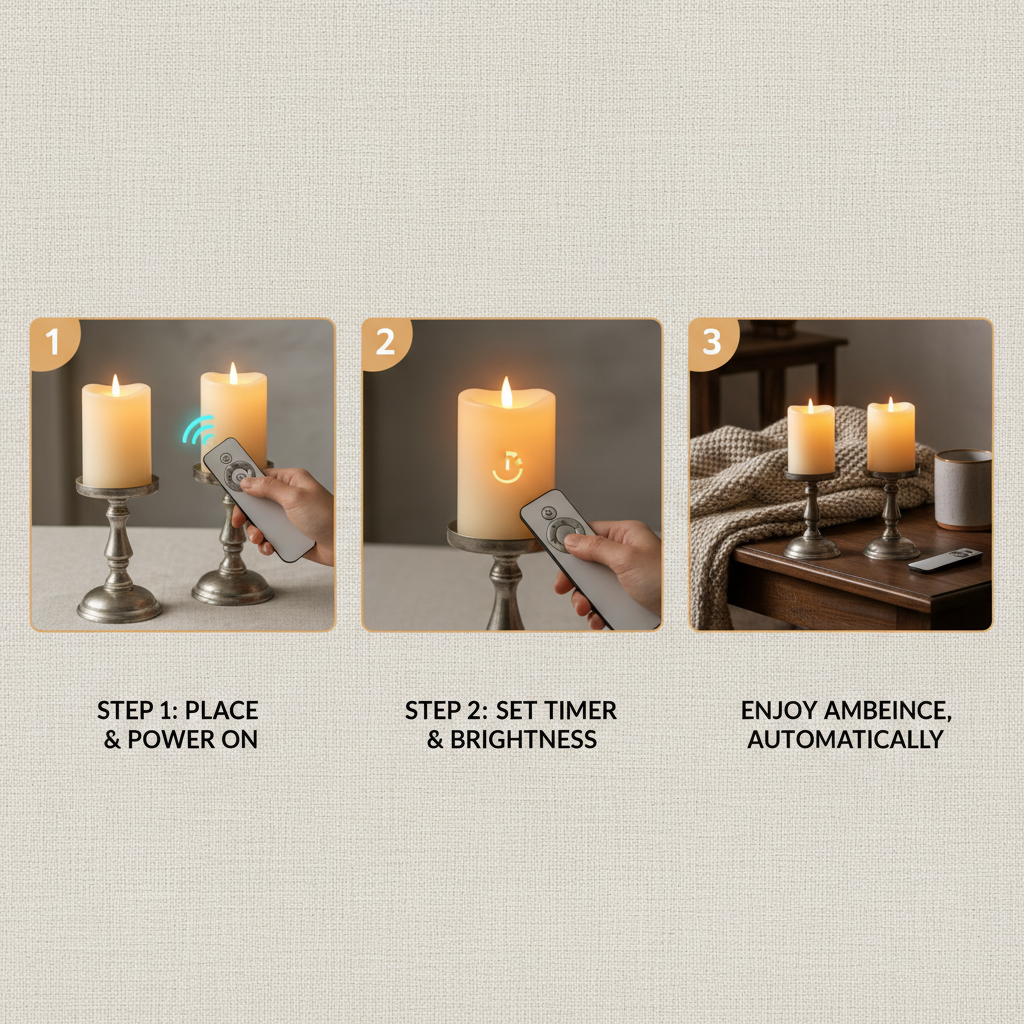 Enhance Your Ambiance with Safe and Realistic Automatic Flameless CandlesLooking to create a warm and inviting atmosphere without the dangers of open flames? Automatic flameless candles offer a safe, convenient, and realistic alternative. These innovative candles have become increasingly popular for both home décor and commercial use, providing the gentle glow of candlelight without the fire hazard. This article will delve into the benefits, features, and considerations when choosing the right automatic flameless candles for your needs.Read More >
Mar 31 2026