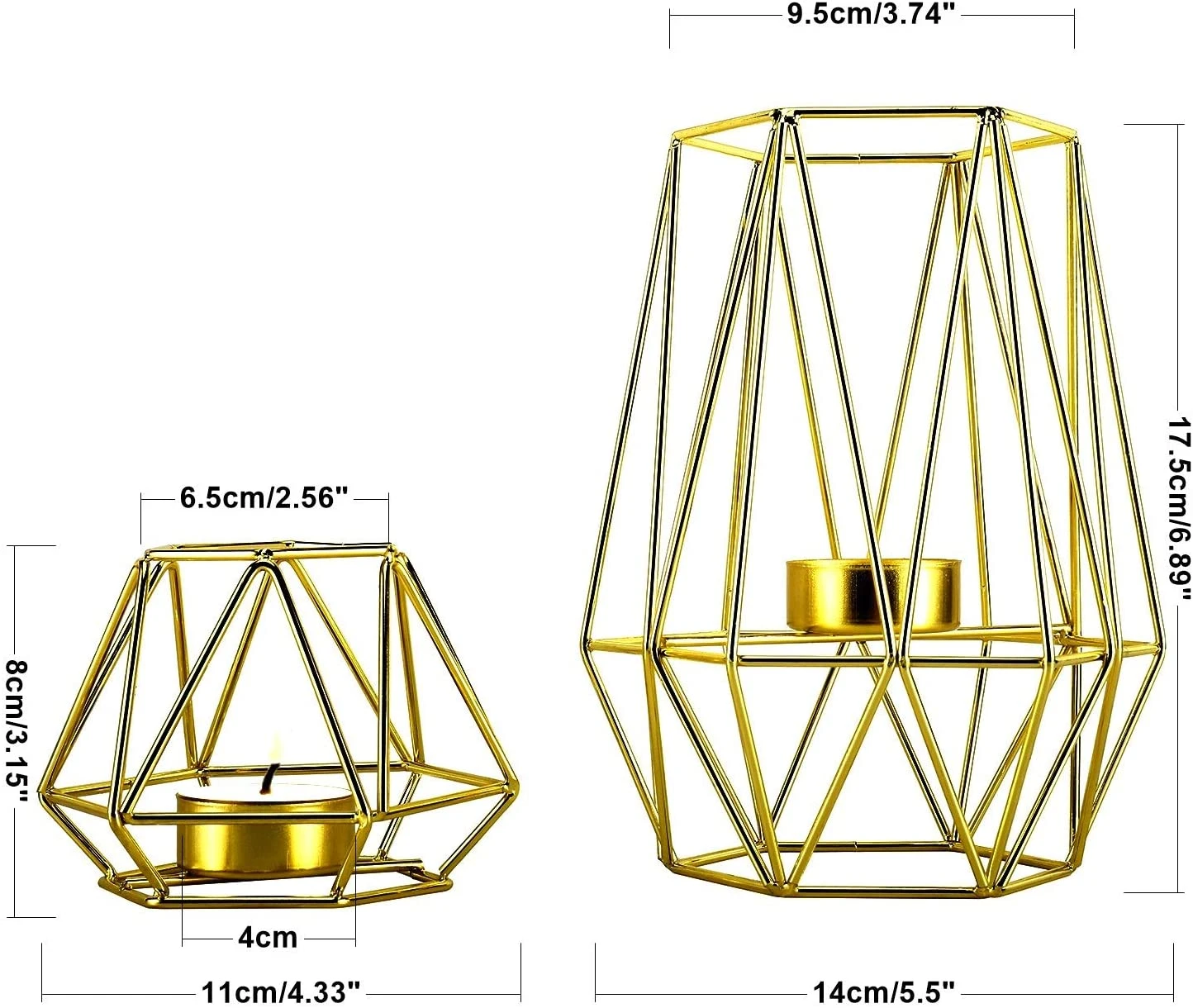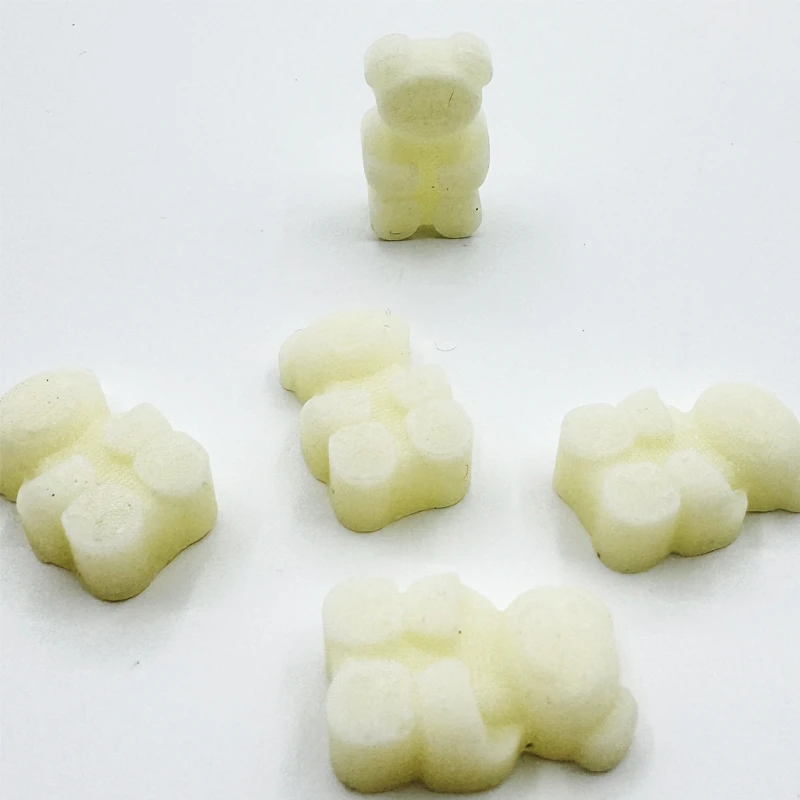



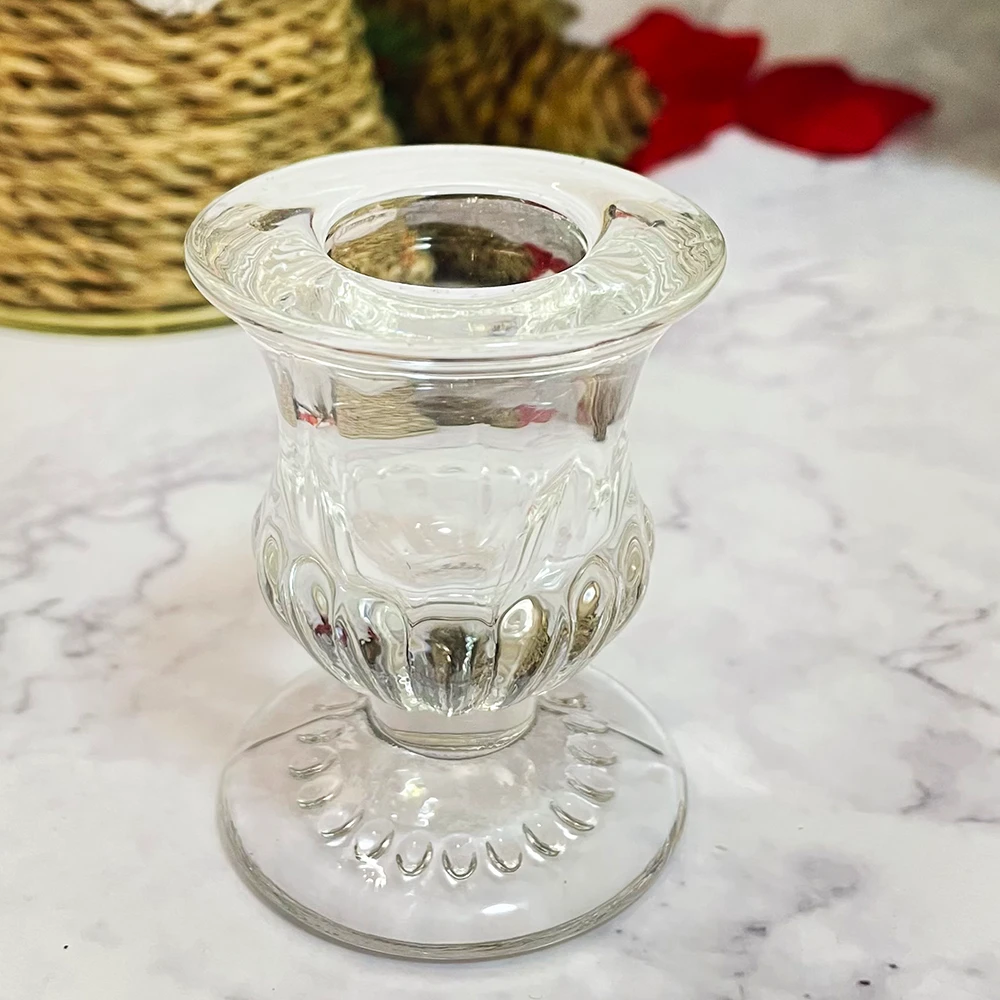

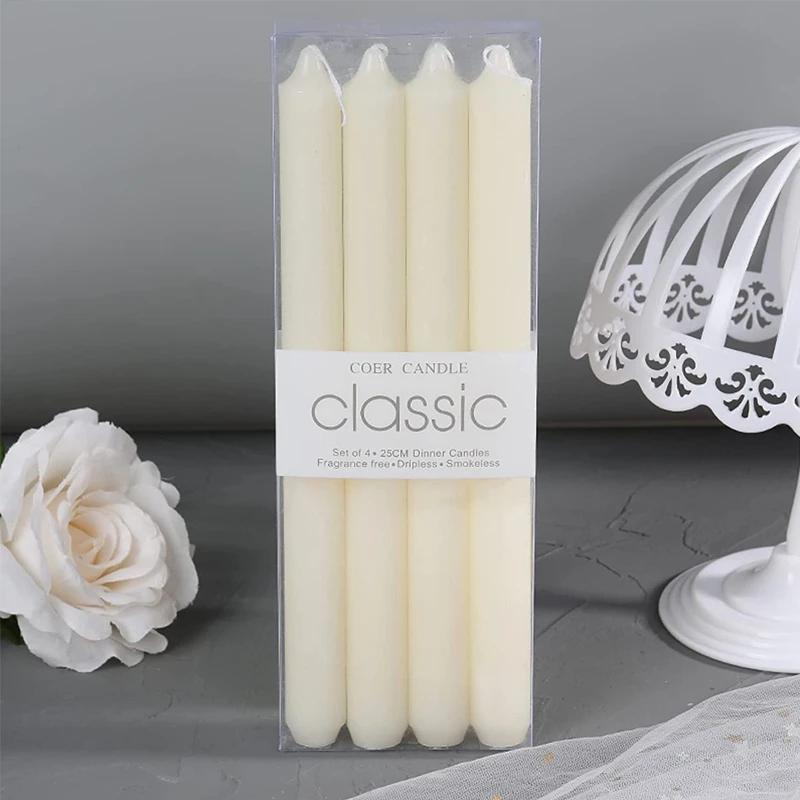

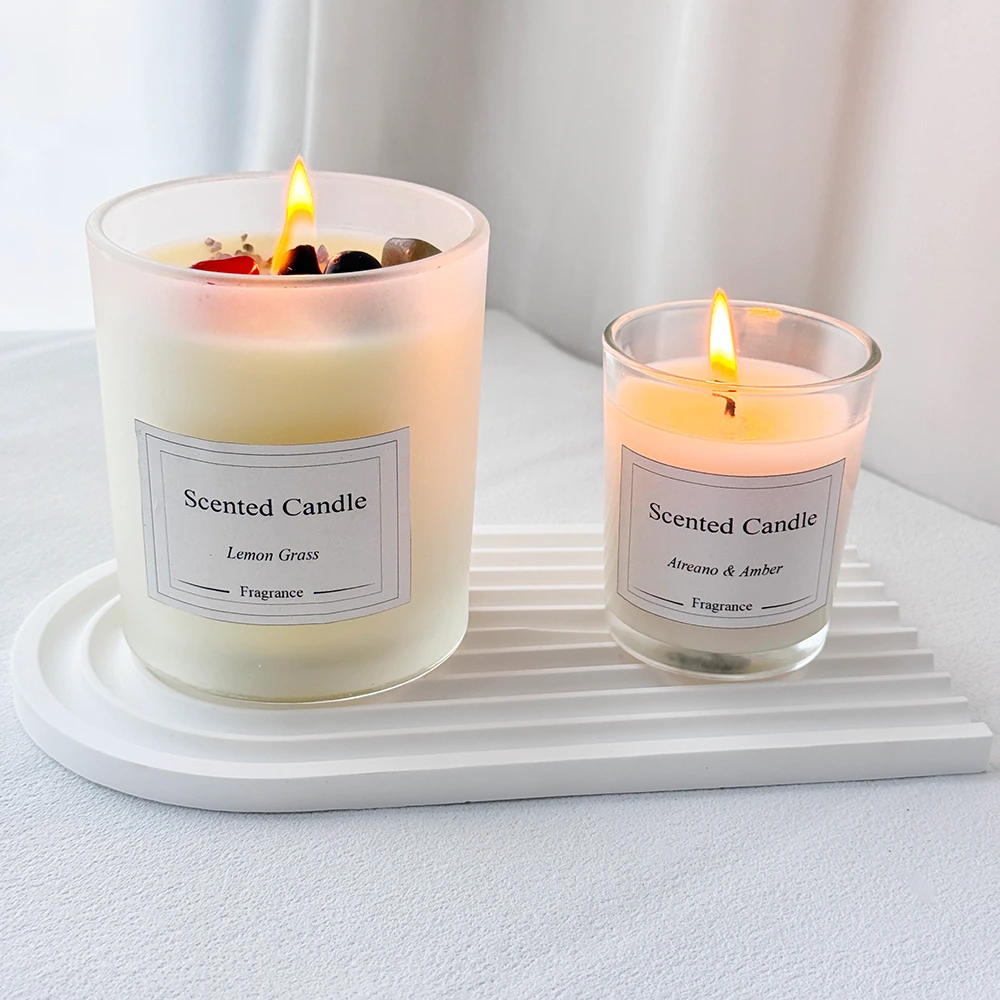




In the Democratic Republic of the Congo, the fragrance and candle industry faces unique challenges due to high humidity and fluctuating temperatures. Local consumption of candles white pillar remains high, not only for aesthetic purposes but as essential lighting backups during power instability in urban centers.
From a manufacturing perspective, the reliance on imported chemical paraffin and aromatic compounds has created a market gap for high-stability products. The demand for cream colored pillar candles is rising among the growing middle class, who seek a balance between traditional utility and modern interior decoration.
Moreover, the logistical complexity of the Congo Basin necessitates the use of high-melting-point waxes to prevent deformation during transport. This technical requirement makes the precision of chemical formulation critical for ensuring that products arrive in pristine condition.