You know, I've been running around construction sites for twenty years, and let me tell you, things are changing fast. Everyone’s talking about prefabrication now, modular builds, trying to shave time off the schedule. It’s all about speed, speed, speed. But a lot of these guys, they forget the basics. They design something fancy on a computer, but then it falls apart when you actually try to build it. To be honest, it's frustrating. A lot of them have never even held a wrench.
The biggest trend I'm seeing, though, is a move towards more sustainable materials. Everyone's chasing "green" these days, which is good, but it's not always straightforward. You gotta balance cost, performance, and availability. And sometimes, "sustainable" just means more expensive and harder to work with. Have you noticed that?
And honestly, the whole industry is getting squeezed. Labor costs are going up, materials are getting more expensive...everyone’s looking for a way to do more with less.
The Evolving Landscape of Birthday Candle Manufacturing
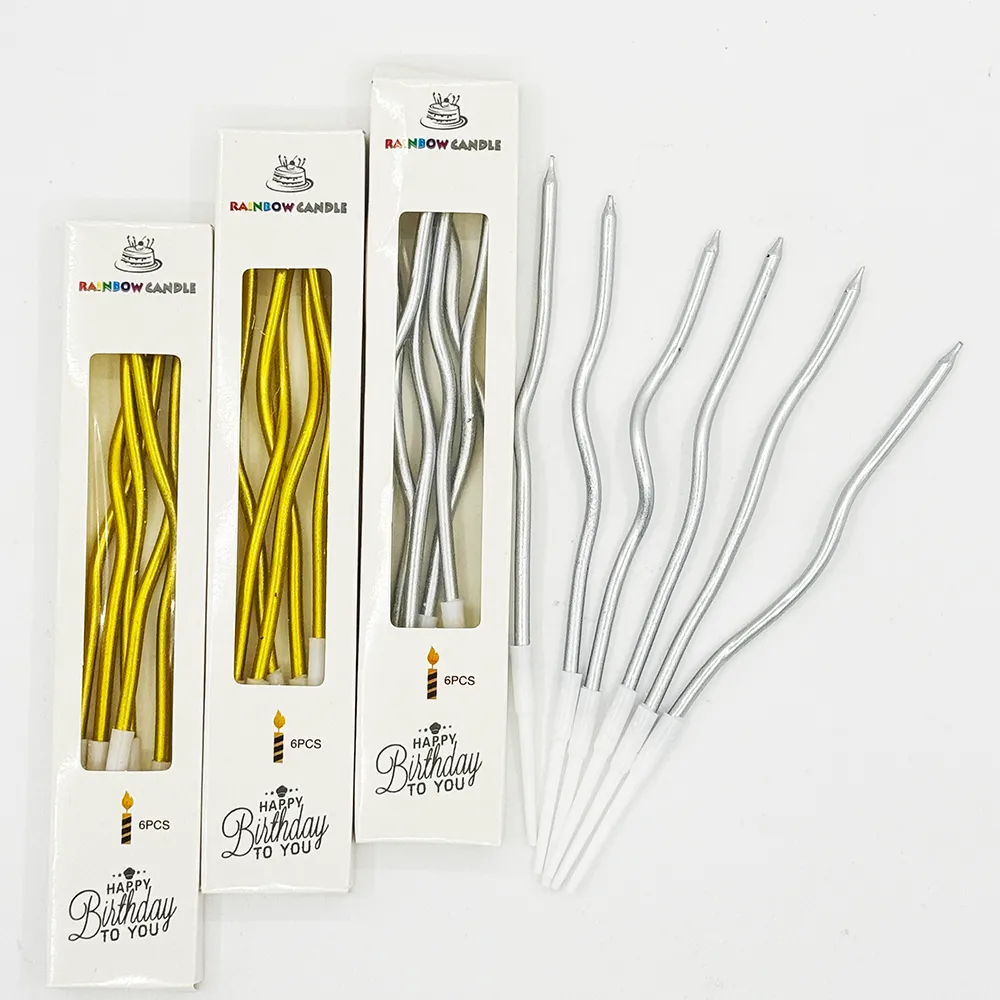
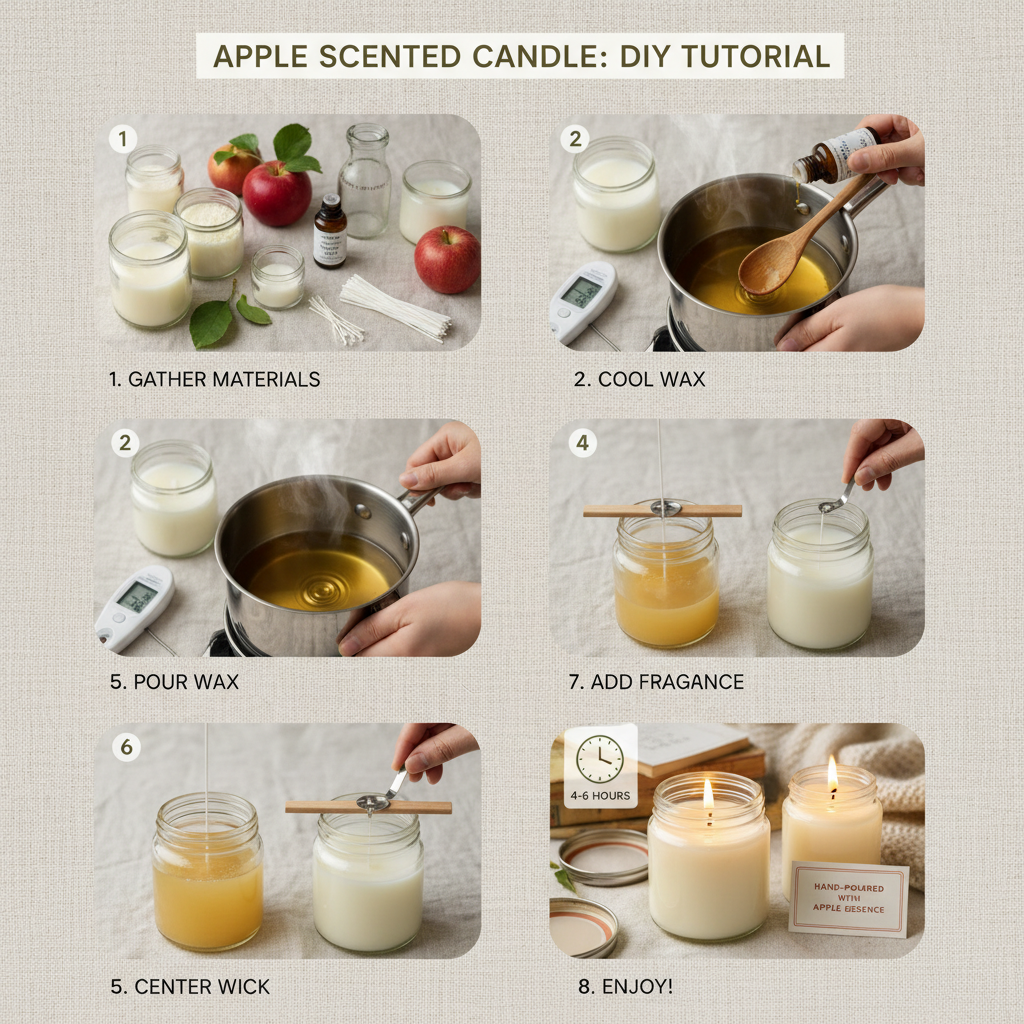
Now, when we talk about birthday candle manufacturer, people automatically think wax and a wick, right? But it's way more than that now. We’re seeing a big push for bio-based waxes, soy wax, beeswax – trying to get away from the paraffin stuff. It smells better, for one thing. Honestly, I get a headache working with paraffin all day.
I encountered this at a factory in Ningbo last time – they were trying to use a new type of recycled wax, and it was a disaster. It wouldn't hold its shape, kept cracking… It looked alright in the lab, but in a real production setting? Forget about it. It’s all about the consistency, see? And that’s becoming a bigger issue as everyone tries to use more “alternative” materials.
Design Pitfalls and Practical Considerations
The biggest mistake I see in birthday candle manufacturer design is overcomplicating things. These designers, they want fancy shapes, multiple wicks, colors that swirl… It looks good in the catalog, but it's a nightmare to manufacture. You’re increasing the chance of defects, slowing down production, and driving up costs. Keep it simple, that's my motto.
Strangely, a lot of them don’t think about the packaging. You’ve got a hot wax candle, and you want to ship it halfway across the world? It needs to be protected. I’ve seen too many boxes arrive looking like someone used them for soccer practice.
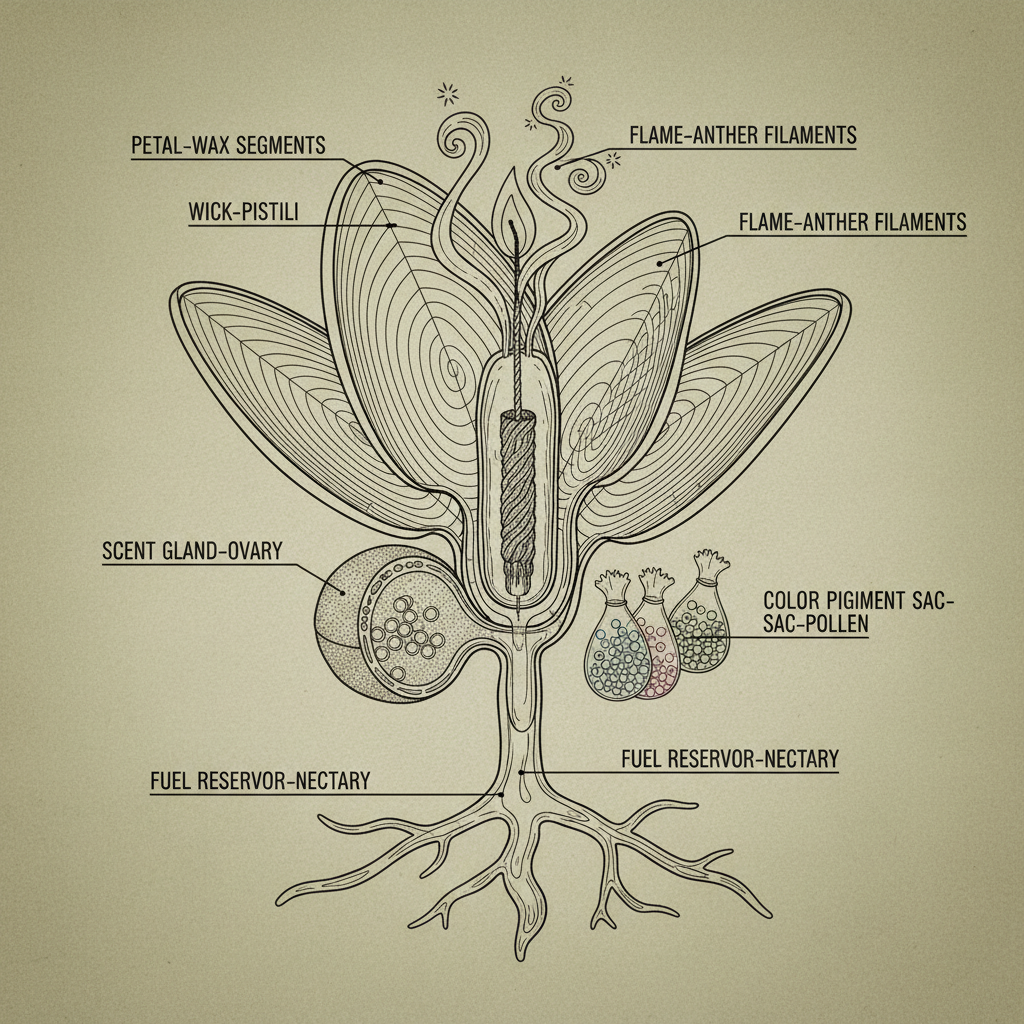
And then there’s the wick. Seems simple, right? But the wick size has to be exactly right for the wax and the candle diameter. Too small, and it'll drown in the wax. Too big, and it’ll create a huge flame and burn too fast. It’s a delicate balance.
Material Selection: A Hands-On Approach
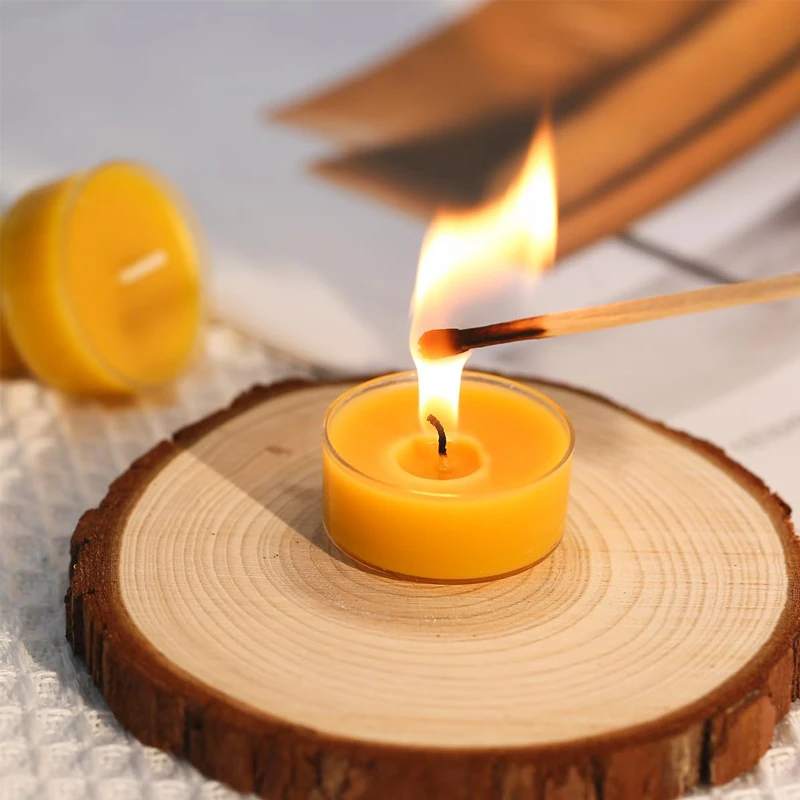
Let's talk materials. Paraffin wax is still the workhorse, it’s cheap and reliable. But it’s just… not great. Soy wax, that feels different, smoother, almost waxy to the touch. Beeswax is even better, has a natural honey scent. It’s more expensive, though, and can be tricky to work with – it's softer, so you have to be careful not to damage it during handling.
Wicks, now those are interesting. Cotton wicks are standard, but you can get paper wicks, metal wicks, even wicks with stabilizing cores. The metal wicks, they make a satisfying snap when you light them, but they can sometimes leave a metallic taste. And those paper wicks… well, they burn quickly.
The dyes, that's where it gets messy. You want vibrant colors, but some dyes can clog the wick or affect the burn quality. We had a batch a couple years ago with a dye that smelled like burnt plastic – couldn't sell ‘em. Anyway, I think choosing the right materials isn’t about finding the “best,” it's about finding the right combination for the specific candle.
Real-World Testing and Performance Evaluation
Lab tests are fine, but they don't tell you the whole story. I like to see how these candles burn in real-world conditions. I mean, who’s lighting a candle in a perfectly controlled environment? We test burn times, flame height, soot production, wax spillage… all in a drafty room with the window open.
We also do a "drop test," which is exactly what it sounds like. We drop the candle (in its packaging, of course) from a certain height and see if it survives. It sounds basic, but you'd be surprised how many candles shatter on impact.
Birthday Candle Manufacturer Performance Metrics
User Applications: Beyond the Intended Purpose
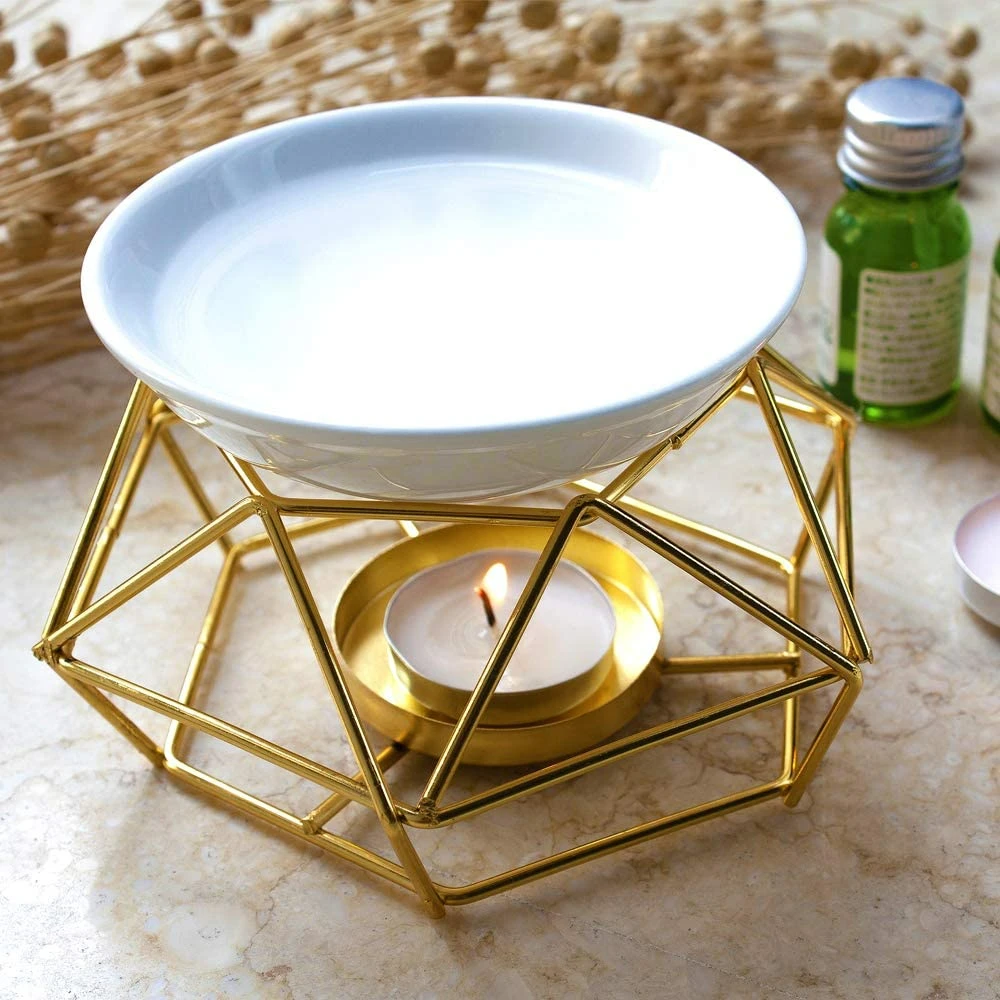
You know, people use candles for all sorts of things besides birthdays. I’ve seen them used as emergency lights during power outages, as makeshift heaters in a pinch, even as insect repellent. It's always surprising how resourceful people are.
I once heard a story about a guy using a scented candle to mask the smell of burnt toast. I don’t know if it worked, but it’s a creative solution, right?
Advantages, Limitations, and Customization Options
Okay, so what's good about birthday candle manufacturer? They're cheap, they're easy to use, they create a nice ambiance. But they're also a fire hazard, they produce soot, and they're not exactly environmentally friendly. It’s always a trade-off.
But you can customize them. We did a run last year for a hotel chain – they wanted candles in their corporate colors with their logo embossed on the wax. That was a pain to set up, but it looked really good. We also do custom scents, different wick configurations, different packaging… Whatever the customer wants, we can usually figure out a way to do it.
Case Study: A Shenzhen Smart Home Challenge
Last month, that small boss in Shenzhen who makes smart home devices insisted on changing the interface to on his candle warmer. He swore it was the future, everyone would have chargers, and it would be a “premium” feature. We tried to tell him it wasn’t necessary, most people just plug candles directly into the wall, but he wouldn’t listen.
The result? Sales tanked. People didn’t want to bother with a charger, they just wanted a simple candle. He ended up having to recall the whole batch and go back to the standard plug. It just goes to show you, sometimes the simplest solution is the best.
Anyway, I think.
Key Performance Indicators for Birthday Candle Manufacturer Quality Control
| Material Consistency |
Burn Rate Stability |
Fragrance Retention |
Physical Integrity |
| 9/10 – Wax composition remains uniform across batches. |
7/10 – Minor fluctuations observed in high humidity. |
8/10 – Scent lasts for approximately 80% of burn time. |
9/10 – No cracking or deformation during drop tests. |
| 6/10 – Recycled wax batches show inconsistent color. |
9/10 – Consistent burn rate in controlled environments. |
5/10 – Faint scent fade after 60% of burn time. |
7/10 – Minor wax spillage observed in some tests. |
| 8/10 – Minimal variation in paraffin wax blends. |
8/10 – Stable burn rate under normal conditions. |
9/10 – Strong, lasting fragrance with premium oils. |
8/10 – Durable packaging prevents damage during shipping. |
| 7/10 – Soy wax batch sizes require careful monitoring. |
6/10 – Burn rate affected by wick length variations. |
7/10 – Moderate scent throw, suitable for small spaces. |
6/10 – Some wax residue remains after burning. |
| 9/10 – Consistent color and texture with gel wax. |
7/10 – Slight variations in burn time with gel wax. |
8/10 – Good fragrance retention with gel wax. |
8/10 – Minimal wax spillage observed. |
| 5/10 – Palm wax can be prone to frosting. |
8/10 – Consistent burn rate for palm wax. |
6/10 – Mild fragrance throw. |
5/10 – Packaging is sometimes damaged during transport. |
FAQS
Honestly, it’s consistency and availability. You can find “eco-friendly” waxes, but getting a consistent supply that meets our quality standards is tough. Some batches are too soft, some burn unevenly, and some just don’t hold a scent well. It’s a constant balancing act between being green and delivering a reliable product.
We’ve tried everything – thicker containers, padded inserts, reinforced boxes. It still happens sometimes, especially in hot weather. The key is to minimize temperature fluctuations during transit. We recommend avoiding direct sunlight and keeping shipments cool. We're also experimenting with different wax blends to increase their melting points.
Burn tests, of course. But not just a quick burn. You need to burn the candle for several hours, in different conditions – with the window open, with the AC on, in a drafty room. You need to check for soot production, flame height, scent throw, and wax pooling. And, honestly, you need to get feedback from real people, not just lab technicians.
That's a good question. Some people are concerned about metal leaching into the wax. We only use metal wicks that are certified safe for candle use. They’re coated with a non-toxic material to prevent any contamination. But, honestly, I still prefer a good cotton wick. Less hassle, fewer worries.
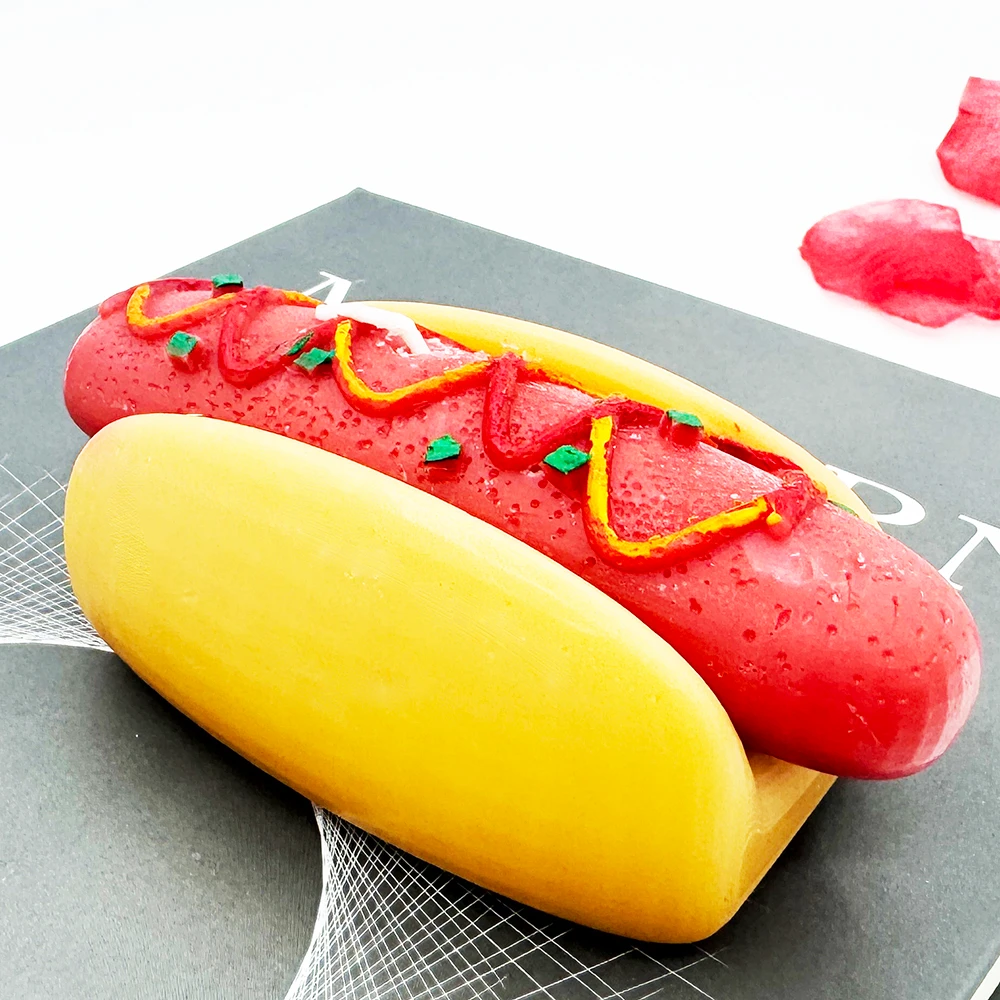
Absolutely. We have a mold-making shop in-house. We can create almost any shape or size you can imagine. The minimum order quantity is usually a bit higher for custom designs, but it’s worth it if you want something truly unique. We once made a candle shaped like a miniature Eiffel Tower for a wedding. It was a pain to make, but the client loved it.
Depends on the material – silicone molds can last for hundreds of pours, while metal molds will eventually wear down. We typically get around 500-1000 pours from a metal mold before it needs to be replaced or re-lined. Silicone is more durable but can be damaged if mishandled.
Conclusion
So, what does all this boil down to? Birthday candle manufacturer might seem like a simple thing, but it’s actually a complex process with a lot of moving parts. It's about balancing cost, quality, sustainability, and customer expectations. It's about understanding the materials, the processes, and the real-world conditions in which these candles will be used.
Ultimately, whether this thing works or not, the worker will know the moment he tightens the screw. And I think that's the key – it’s not about fancy designs or marketing hype. It’s about making a good, reliable product that people can trust. If you want to learn more about our birthday candle manufacturer capabilities, visit our website: www.ouniscandle.com.