

Natural Dye Options for Coloring Beeswax Tea Lights
Natural Dye Options for Coloring Beeswax Tea Lights
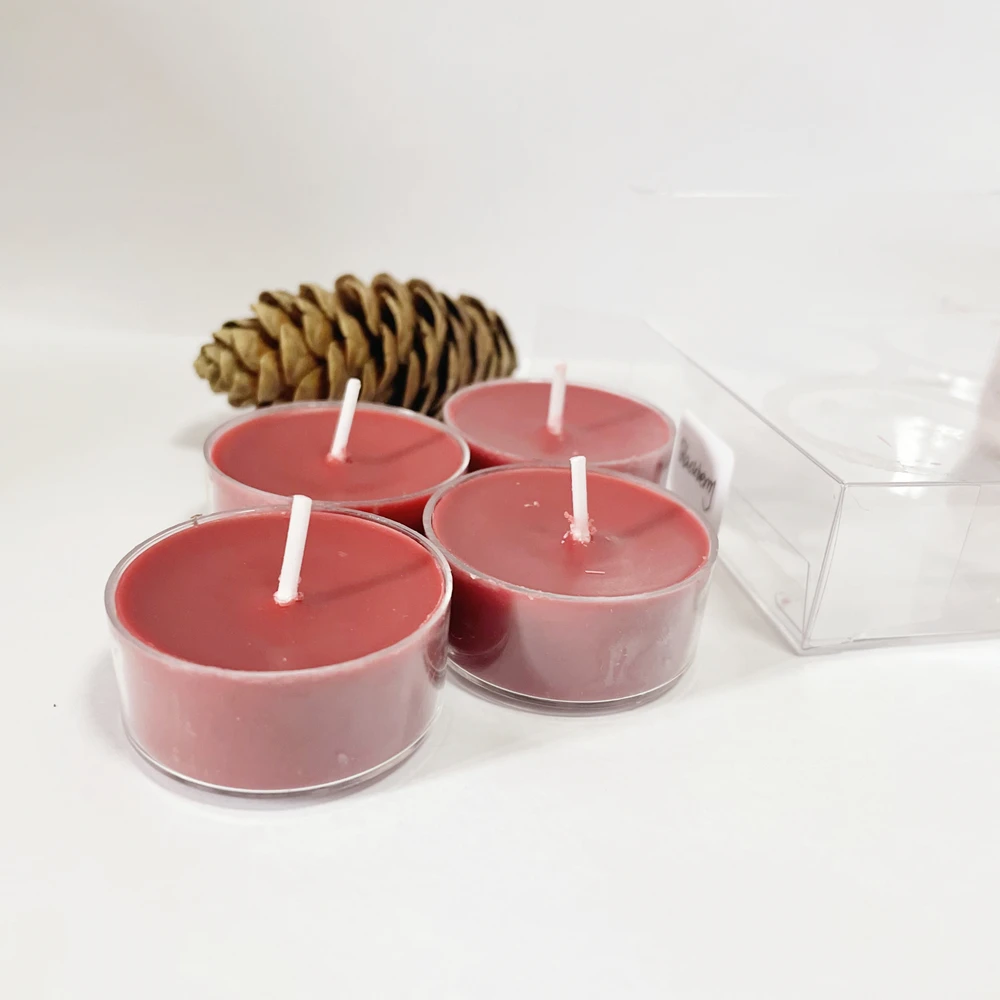
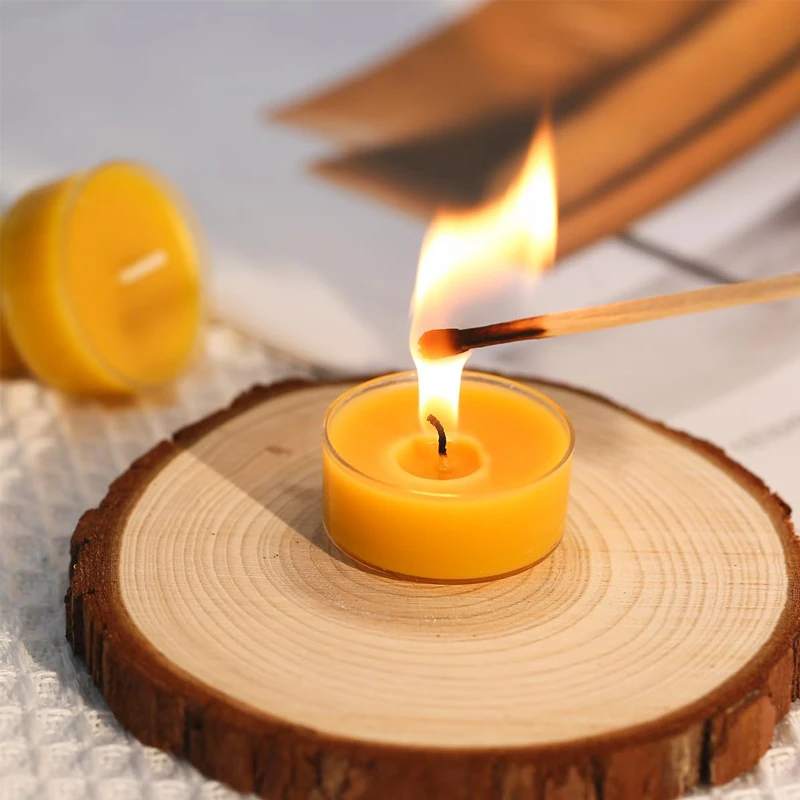
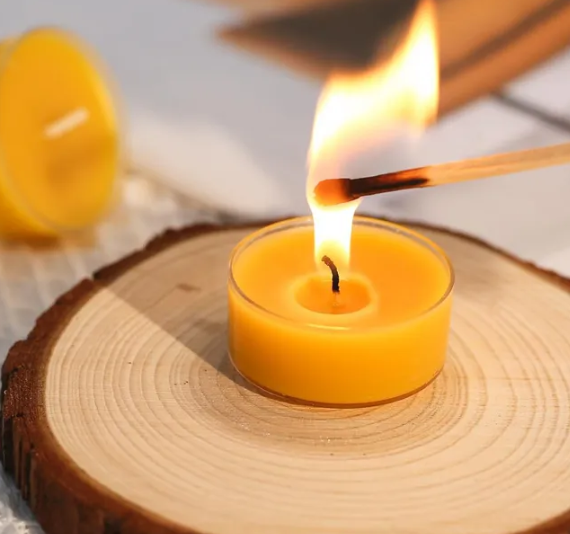
In the eco-friendly home decor and candle markets, beeswax tealights, beeswax tealight candles, and beeswax tea lights have gained significant popularity due to their natural origin, clean burn, and sustainability. Ounis(Shijiazhuang) Import&Export Co.,Ltd. (Ounis Import&Export) specializes in producing high-quality Natural Beeswax Tealights, crafted from pure natural beeswax and housed in durable polycarbonate containers.
Natural Beeswax Tealights Product Specifications Table
|
Specification |
Details |
|
Product Name |
Natural Beeswax Tealights (marketed as beeswax tealights, beeswax tealight candles, beeswax tea lights); designed for ambient lighting in homes, restaurants, and spas. |
|
Scent |
Unscented; ideal for consumers sensitive to artificial fragrances and compatible with natural dyes (no scent interference from dye materials). |
|
Material |
100% Natural Beeswax; pure, renewable, and biodegradable, with a smooth texture that holds natural dyes evenly for consistent color results. |
|
Container Material |
Polycarbonate; lightweight, shatter-resistant, and transparent—allows the natural color of dyed beeswax tealights to shine through, enhancing decorative appeal. |
|
Size |
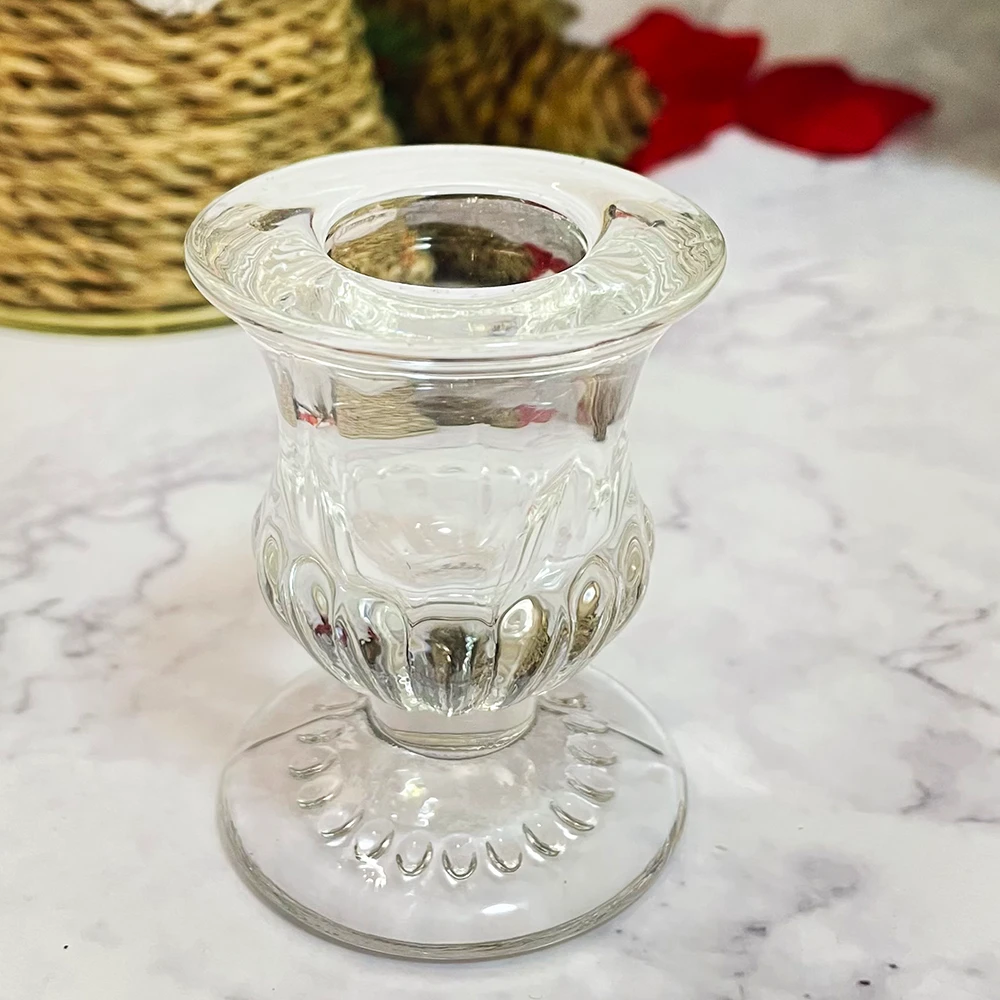
4*1.7cm; compact, standard tea light dimensions that fit most tea light holders (including pressed-glass candle holders, aligning with Ounis Import&Export’s complementary decor focus). |
|
Candle Type |
Tea Light Candle; small, portable, and designed for short to medium burn times (4-6 hours), making naturally dyed versions perfect for occasional use in eco-conscious households. |
Plant-Based Natural Dyes for Beeswax Tealights
- Plant-based natural dyes are the most popular choice for coloring beeswax tealights, as they are non-toxic, abundant, and produce soft, earthy hues that complement the natural warmth of beeswax. Ounis Import&Export recommends using readily available plant materials to create consistent, batch-friendly colors for beeswax tealights. For example, dried marigold petals or saffron yield vibrant yellow tones—soaking 100g of marigold petals in 500ml of warm (not boiling) beeswax for 30 minutes, then straining the petals, results in a soft golden color that adds a cozy glow to the tealights. This dye method is cost-effective for wholesalers, as marigold is widely sourced and requires minimal processing, ensuring low production costs for bulk beeswax tealights.
- Another versatile plant-based dye option is dried lavender or echinacea for soft purple shades. Ounis Import&Export’s production team has tested that simmering 80g of dried lavender buds in melted beeswax (kept at 62-65°C, the optimal melting point for beeswax) for 20 minutes creates a delicate lavender color—ideal for beeswax tealights targeting bedrooms or wellness spaces. For deeper greens, spinach or nettle leaves work well: blanching 150g of fresh spinach to preserve chlorophyll, then blending it into a paste and mixing it into melted beeswax, produces a muted sage green that appeals to consumers seeking nature-inspired decor. These plant-based dyes retain their color stability even during the tealight’s burn (4-6 hours), ensuring the beeswax tealights maintain their visual appeal from first light to burn-out— a key quality point for wholesalers to highlight to clients.
Mineral-Based Natural Dyes for Beeswax Tealight Candles
- Mineral-based natural dyes offer longer color retention and more intense hues compared to plant-based options, making them suitable for beeswax tealight candles that require bold, long-lasting colors (e.g., for seasonal decor or branded collections). Ounis Import&Export uses food-grade mineral dyes (compliant with global safety standards) to ensure non-toxicity, such as iron oxide for warm reds and oranges. Adding 1-2g of food-grade iron oxide powder per 100g of melted beeswax creates a rich terracotta red—perfect for beeswax tealight candles marketed for autumn or Valentine’s Day. The mineral powder mixes easily into beeswax (no straining required), reducing production time for bulk orders— a practical advantage for wholesalers managing large inventory demands.
- Titanium dioxide is another mineral-based option, used to create bright white or opaque shades for beeswax tealight candles. While natural beeswax has a warm golden hue, adding 0.5-1g of titanium dioxide per 100g of beeswax produces a pure white color, ideal for minimalist decor or wedding-themed tealights. For soft blues, Ounis Import&Export recommends food-grade copper sulfate (used in small doses: 0.3-0.5g per 100g beeswax) to create a pale sky blue—popular for coastal-inspired home decor. A key benefit of mineral-based dyes for wholesalers is their consistency: unlike plant-based dyes (which may vary slightly by harvest batch), mineral dyes deliver uniform color across every beeswax tealight candle in a production run, ensuring inventory homogeneity and reducing customer complaints about color variation.
Dye Application Tips for Beeswax Tea Lights
- For wholesalers partnering with Ounis Import&Export to produce naturally dyed beeswax tea lights, mastering key dye application tips ensures product quality and efficiency. First, control the beeswax melting temperature strictly: beeswax melts at 62-65°C, and exceeding 70°C can degrade natural dyes (leading to faded colors) or alter the wax’s texture (resulting in uneven burning). Ounis Import&Export’s production facilities use temperature-controlled melters to maintain this range, a practice wholesalers should recommend to their own production teams or confirm with suppliers. Second, mix dyes into melted beeswax slowly and thoroughly—using a stainless steel stirrer to avoid introducing air bubbles (which can create unsightly pockets in the finished beeswax tea lights). For plant-based dyes, strain the mixture through cheesecloth to remove leftover plant particles, ensuring the wax remains smooth and the tealight’s surface is even.
- Another critical tip is testing dye concentrations before bulk production. Ounis Import&Export provides small-batch samples of naturally dyed beeswax tea lights for wholesalers to evaluate—this allows wholesalers to adjust dye amounts (e.g., increasing marigold petals for deeper yellow) before committing to large orders. Additionally, consider the compatibility of dyes with the polycarbonate container: while all recommended natural dyes are non-reactive with polycarbonate, avoid using excessive dye amounts (over 3g per 100g beeswax), as this can cause the wax to adhere poorly to the container (leading to wax detachment during burning). Finally, store dyed beeswax tea lights in cool, dark areas (15-22°C) to preserve color vibrancy—exposure to direct sunlight can fade plant-based dyes over time, a storage guideline wholesalers should share with end-users to maintain product quality.
Beeswax Tealights FAQS
Are natural dyes for beeswax tealights safe for use around children and pets?
Yes, the natural dyes recommended for beeswax tealights (by Ounis Import&Export) are 100% non-toxic and safe for use around children and pets. Plant-based dyes (marigold, lavender) are food-grade or herbal, while mineral-based dyes (iron oxide, titanium dioxide) meet global food safety standards (e.g., FDA, EU EFSA). Unlike artificial dyes, natural dyes contain no harsh chemicals or synthetic pigments that could leach during burning— the beeswax tealights burn cleanly, with no toxic fumes. For wholesalers, this safety feature is a major selling point, as it appeals to families and pet owners prioritizing non-toxic home decor.
Do naturally dyed beeswax tealight candles fade over time, and how to prevent this?
Naturally dyed beeswax tealight candles may fade slightly over long-term storage (6+ months), especially if exposed to sunlight, heat, or moisture. Plant-based dyes (e.g., lavender, spinach) are more prone to fading than mineral-based ones (e.g., iron oxide, titanium dioxide). To prevent fading, Ounis Import&Export recommends storing beeswax tealight candles in airtight, opaque containers (away from windows) at 15-22°C. Wholesalers should also advise retailers to avoid displaying dyed tealights in direct sunlight—using shaded shelves or display cases instead. For bulk storage, Ounis offers customized opaque packaging that protects the candles from light, helping wholesalers maintain color vibrancy until distribution.
Can customers request custom natural dye colors for beeswax tea lights?
Yes, Ounis Import&Export supports custom natural dye colors for beeswax tea lights, allowing wholesalers to cater to niche market demands. Whether a wholesaler’s client needs a specific shade of mint green (for a spa brand) or dusty rose (for a wedding line), Ounis’ production team can test and adjust natural dye combinations (e.g., mixing marigold and lavender for peach) to achieve the desired hue. The company provides color swatches of custom dyed beeswax tea lights for wholesalers to approve before bulk production, ensuring the final product matches the client’s vision. This customization service helps wholesalers stand out in the market, as it offers unique color options not available with mass-produced, artificially dyed tealights.
How does the use of natural dyes affect the burn time of beeswax tealights?
Natural dyes have no negative impact on the burn time of beeswax tealights—Ounis Import&Export’s testing shows that naturally dyed tealights maintain the same 4-6 hour burn time as undyed ones. This is because natural dyes (plant or mineral-based) are mixed into the beeswax in small concentrations (0.3-3g per 100g wax), which do not alter the wax’s melting point or burn rate. The pure natural beeswax itself is the key factor in the tealight’s burn performance—its high melting point and low soot production ensure consistent, long-lasting burns. For wholesalers, this means they can market naturally dyed beeswax tealights without compromising on functional quality, a critical point for consumers who value both aesthetics and performance.
Are naturally dyed beeswax tealights more expensive to produce than artificially dyed ones, and how does this impact wholesalers?
Naturally dyed beeswax tealights have a slightly higher production cost (5-10% more) than artificially dyed ones, due to the cost of sourcing high-quality natural dyes (e.g., saffron, food-grade iron oxide) and the extra processing steps (e.g., straining plant materials). However, this cost difference is offset by higher market demand—consumers are willing to pay a premium (15-20% more) for eco-friendly, non-toxic decor. For wholesalers, this means higher profit margins on naturally dyed beeswax tealights compared to standard options. Ounis Import&Export offers competitive bulk pricing for naturally dyed tealights, helping wholesalers balance production costs and profitability while meeting consumer demand for sustainable products.
Latest News About Us
-
 The Ultimate Guide to Using Flameless LED Votive Candles SafelyCreating a warm, inviting atmosphere in your home or event space doesn't have to come with the risks associated with open flames. flameless led votive candles provide the perfect marriage of traditional aesthetics and modern safety. Whether you are planning a romantic dinner, a wedding reception, or simply want to unwind after a long day, these LED alternatives offer a flicker-free, smoke-free experience. In this comprehensive guide, we will explore why transitioning to LED lighting is a smart move for interior designers and homeowners alike, ensuring your space remains elegant and secure.Read More >
Apr 16 2026
-
 Elevate Your Ambience with Safe at home flameless candlesCreating a warm and inviting atmosphere in your living space doesn't have to come with the risks of open flames. In recent years, at home flameless candles have emerged as the perfect intersection of aesthetics and safety. Whether you are looking to set a romantic mood for dinner or add a cozy glow to your bedroom, these LED-powered alternatives provide the flickering charm of real wax without the worry of fire hazards or smoky residue. In this comprehensive guide, we will explore why switching to flameless options is a smart move for modern homeowners and how to choose the best ones.Read More >
Apr 09 2026
-
 Enhance Ambiance with Waterproof Flameless Floating Candles for Pools and EventsLooking to create a stunning and safe ambiance for your next event or simply enjoy a relaxing evening? Waterproof flameless floating candles offer a beautiful, worry-free alternative to traditional candles. These innovative candles are perfect for pools, ponds, fountains, bathtubs, or any water feature, adding a touch of elegance without the risk of fire. This article will explore the benefits, uses, and safety features of these increasingly popular lighting solutions, and why OuniScandle offers exceptional quality and selection.Read More >
Apr 07 2026
-
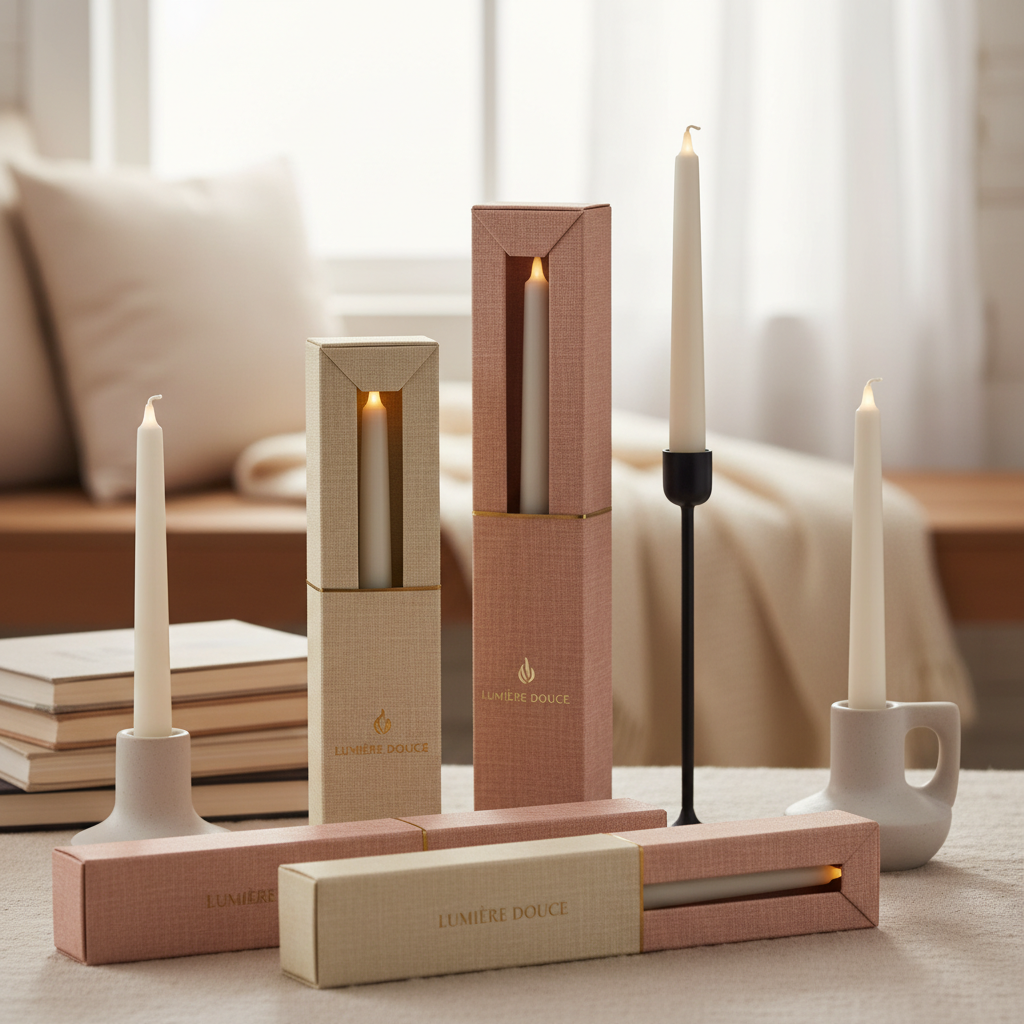 Enhance Your Home with Elegant Skinny Flameless Candles from OuniScandleCreating a warm and inviting atmosphere in your home has never been easier – or safer – than with skinny flameless candles. OuniScandle offers a beautiful and realistic alternative to traditional candles, eliminating the risks associated with open flames while providing the same cozy glow. Whether you’re decorating for a special occasion or simply looking to add a touch of elegance to your everyday living space, our collection of skinny flameless candles is the perfect solution.Read More >
Apr 04 2026
-
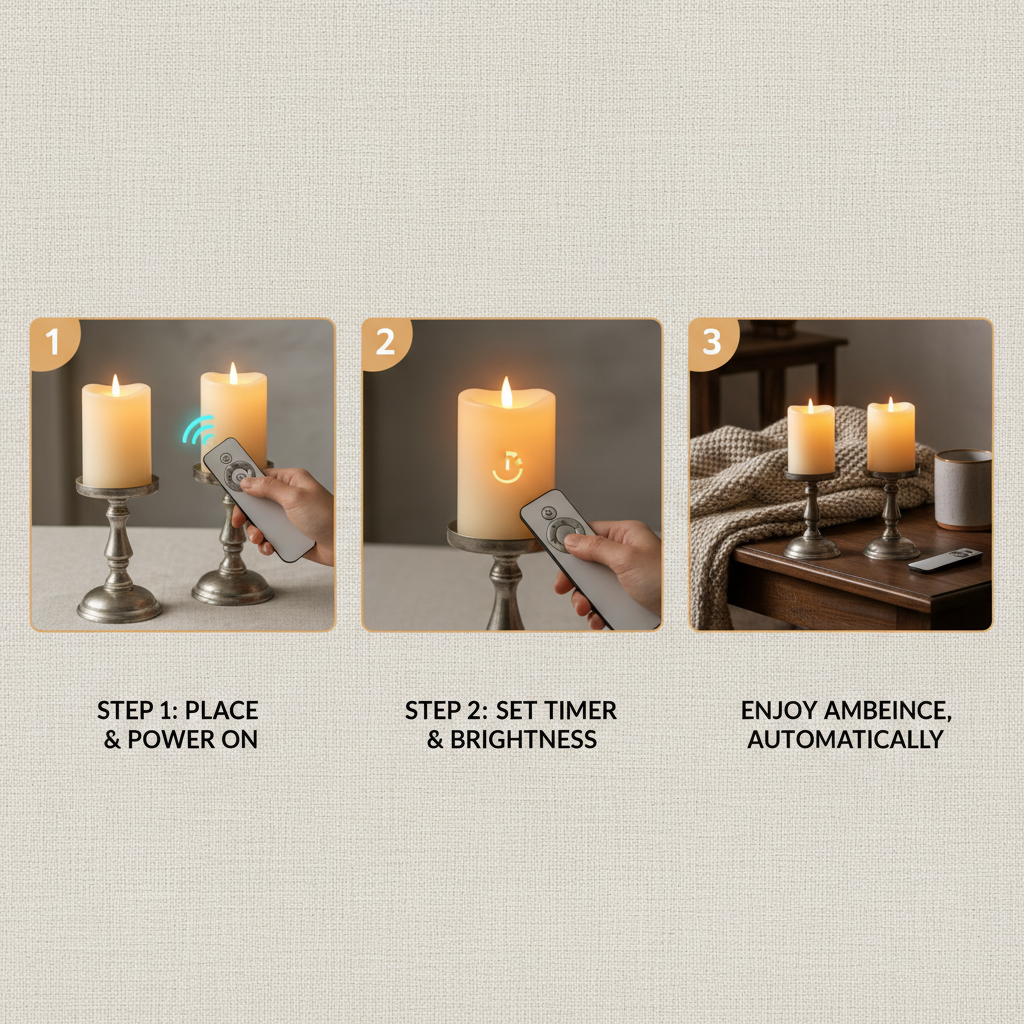 Enhance Your Ambiance with Safe and Realistic Automatic Flameless CandlesLooking to create a warm and inviting atmosphere without the dangers of open flames? Automatic flameless candles offer a safe, convenient, and realistic alternative. These innovative candles have become increasingly popular for both home décor and commercial use, providing the gentle glow of candlelight without the fire hazard. This article will delve into the benefits, features, and considerations when choosing the right automatic flameless candles for your needs.Read More >
Mar 31 2026