

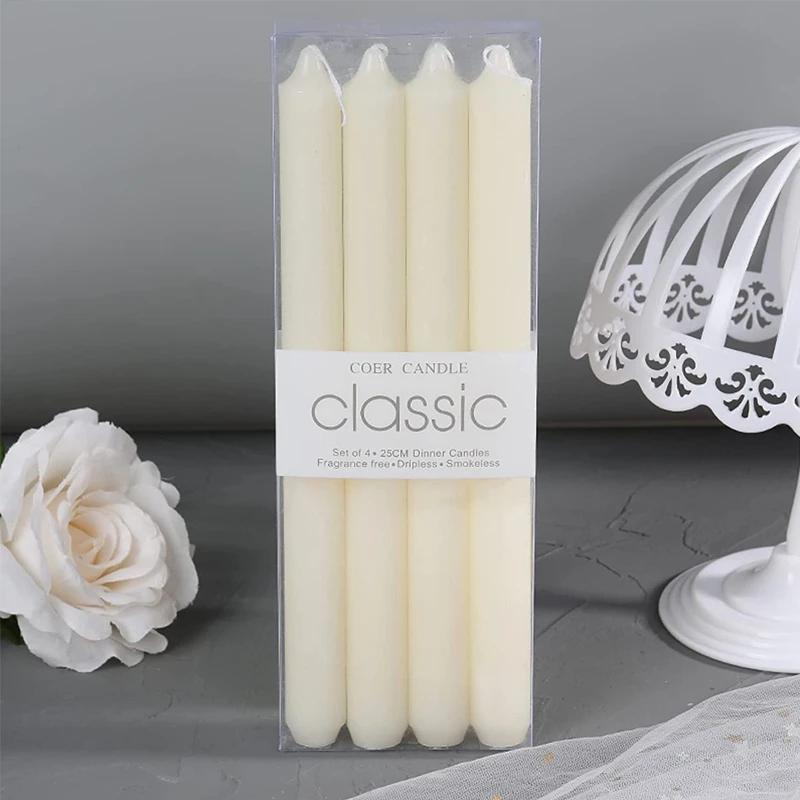

Discover the Timeless Charm of 100% Pure Beeswax Candles
Discover the Timeless Charm of 100% Pure Beeswax Candles
Why 100% Pure Beeswax Candles Still Reign Supreme in Industrial and Home Settings
After spending years immersed in the industrial equipment sector, I've learned to appreciate craftsmanship and quality that lasts. It's funny how that outlook carried over when I first encountered beeswax candles 100 pure. More than just a lovely scent at dinner time, these candles are a nod to tradition, sustainability, and top-notch material integrity.
Frankly, beeswax candles offer a unique combination of practical benefits and subtle luxury. Unlike paraffin or soy, pure beeswax burns cleaner – fewer soot marks, a longer burn time, and even releases negative ions that some swear improve air quality. I remember one factory floor manager telling me how switching from synthetic candles to pure beeswax created a noticeable difference in the work environment — less dust, fewer headaches. That’s not a small thing.
What Sets Pure Beeswax Candles Apart?
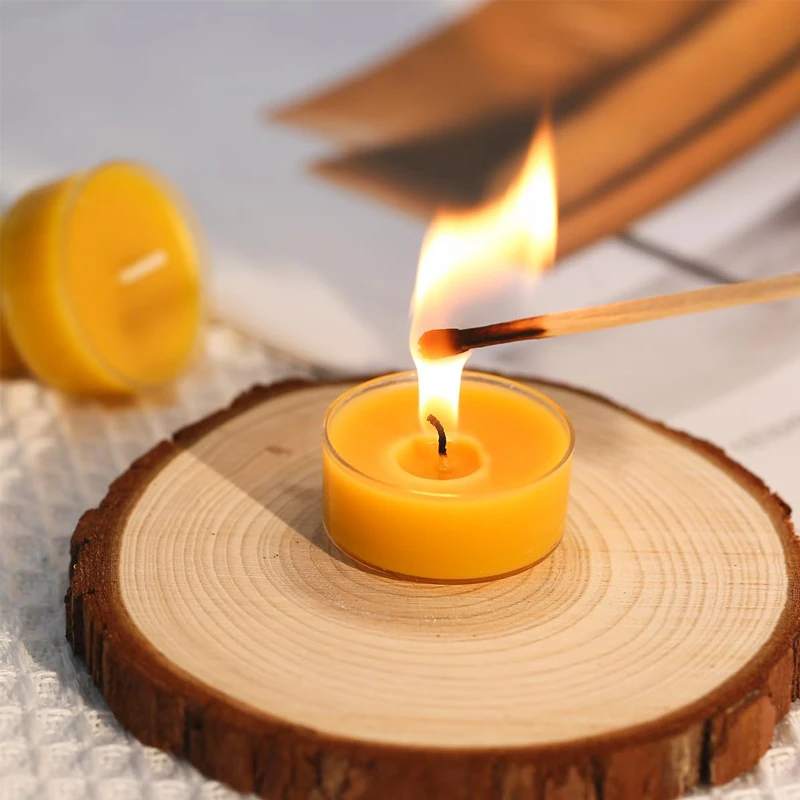
One thing that caught my eye is the natural golden hue, sometimes smelling faintly of honey and flowers depending on the season the wax was harvested. I find it odd but delightful how every batch feels a little different – maybe it’s the local flora of the bees’ foraging routes. And since these candles are typically hand-poured, there's this appealing artisanal edge you won't get from mass-produced runs.
Beyond the aesthetic, the chemical composition plays a crucial role. Beeswax is naturally drip-resistant, less toxic, and has a high melting point – around 62 to 64°C. That means fewer worries about candles melting prematurely in warmer spaces or during transport. This is one reason so many heritage brands and upwardly mobile consumers stay loyal.
| Attribute | Specification |
|---|---|
| Wax Purity | ≥ 99.9% |
| Melting Point | 62-64°C (143.6-147.2°F) |
| Burn Time | Approx. 45 hours (per 100g candle) |
| Soot Emission | Minimal / None |
| Origin | Sustainably sourced local apiaries |
Choosing Your Beeswax Candle Vendor: What I’ve Learned
In the early days, I admit I just went with whatever supplier was closest or cheapest, but I quickly learned that quality varies considerably — and so does customer service. Some vendors pride themselves on small-batch, hand-poured techniques, while others push bulk manufacturing that lacks that “heart.”
Below is a quick vendor comparison I put together from conversations with suppliers and customers I know. It roughly captures what to watch out for if you’re sourcing candles professionally or even just looking to upgrade your home ambiance.
| Vendor | Purity (%) | Hand-crafted | Price per 100g | Sustainability | Customer Service |
|---|---|---|---|---|---|
| Ounis Candle (recommended) | ≥ 99.9% | Yes | $8.50 | Certified organic apiaries | Responsive & knowledgeable |
| BeeGlow | 95-97% | Mostly machine-made | $7.00 | Standard apiary sourcing | Basic support |
| PureHive Candles | 98-99% | Limited hand-pouring | $9.20 | Locally sourced beeswax | Good but slow |
One nearby coffee shop I work with switched their candle supplier recently. The barista told me: “We noticed the smoky residue before, and honestly it was embarrassing on some of our lighter furniture. Switching to top-grade beeswax has been like night and day. Customers comment on the subtle honey scent. Plus, it just feels healthier.” That kind of real-world feedback confirms what theory can’t always capture.
If you’re even mildly intrigued by improving your space the natural way, I’d suggest giving pure beeswax candles a proper shot. Finding a good supplier means you’re supporting sustainable practices, bees (very important, by the way), and a little tradition that refuses to fade no matter how wild the market gets.
Anyway — I always think of lighting a beeswax candle as a tiny ritual that feels... grounding. In a world full of plastic and synthetic everything, maybe it’s time we let bees do what they do best.
References:
- Beekeeping Today: Apiary sustainability and wax purification methods.
- Industrial Insights: Air quality improvements from natural candle emissions.
- Customer Stories: Small business testimonials on beeswax candle benefits.
Latest News About Us
-
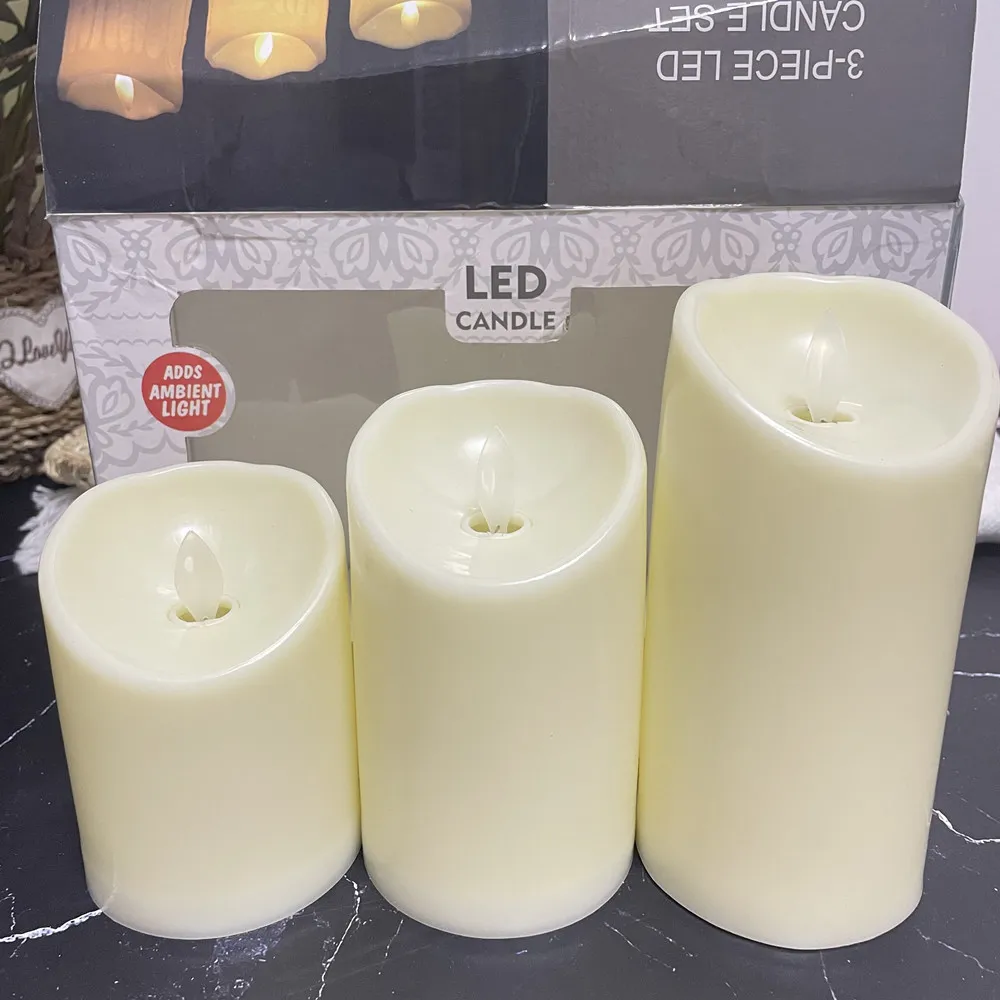 Why LED Candles Bulk Orders Are Transforming Modern Event and Home DecorationIn today’s modern lifestyle and event planning industry, lighting plays a crucial role in creating atmosphere, emotion, and visual impact.Read More >
May 15 2026
-
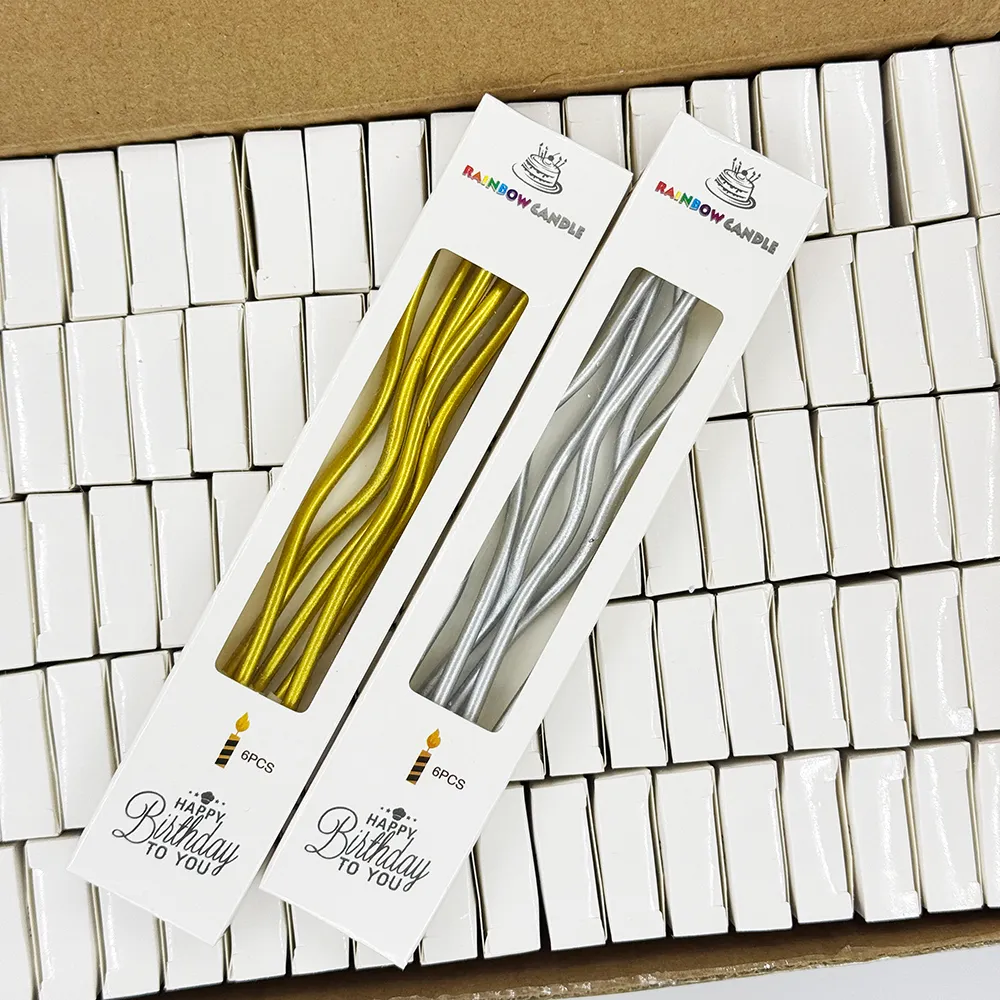 Why Are Birthday Candles Essential for Modern Party Celebrations?Birthday celebrations have always been a meaningful part of human culture, symbolizing joy, togetherness, and new beginnings.Read More >
May 15 2026
-
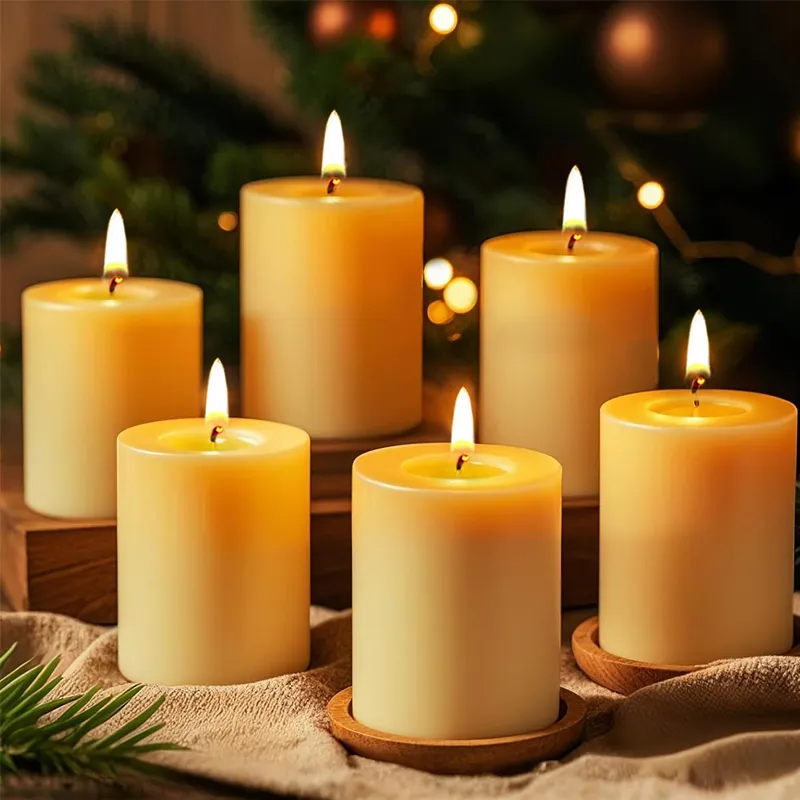 Why Beeswax Candle Bulk Orders Are Becoming the Preferred Choice for Modern ConsumersIn recent years, the candle industry has experienced significant growth as consumers increasingly seek natural, eco-friendly, and premium-quality home fragrance products.Read More >
May 15 2026
-
 Exploring Different Types of Candle Shapes: Why Modern Homes Love Creative Candle DesignsCandles are no longer just simple decorative items placed on dining tables or shelves.Read More >
May 15 2026
-
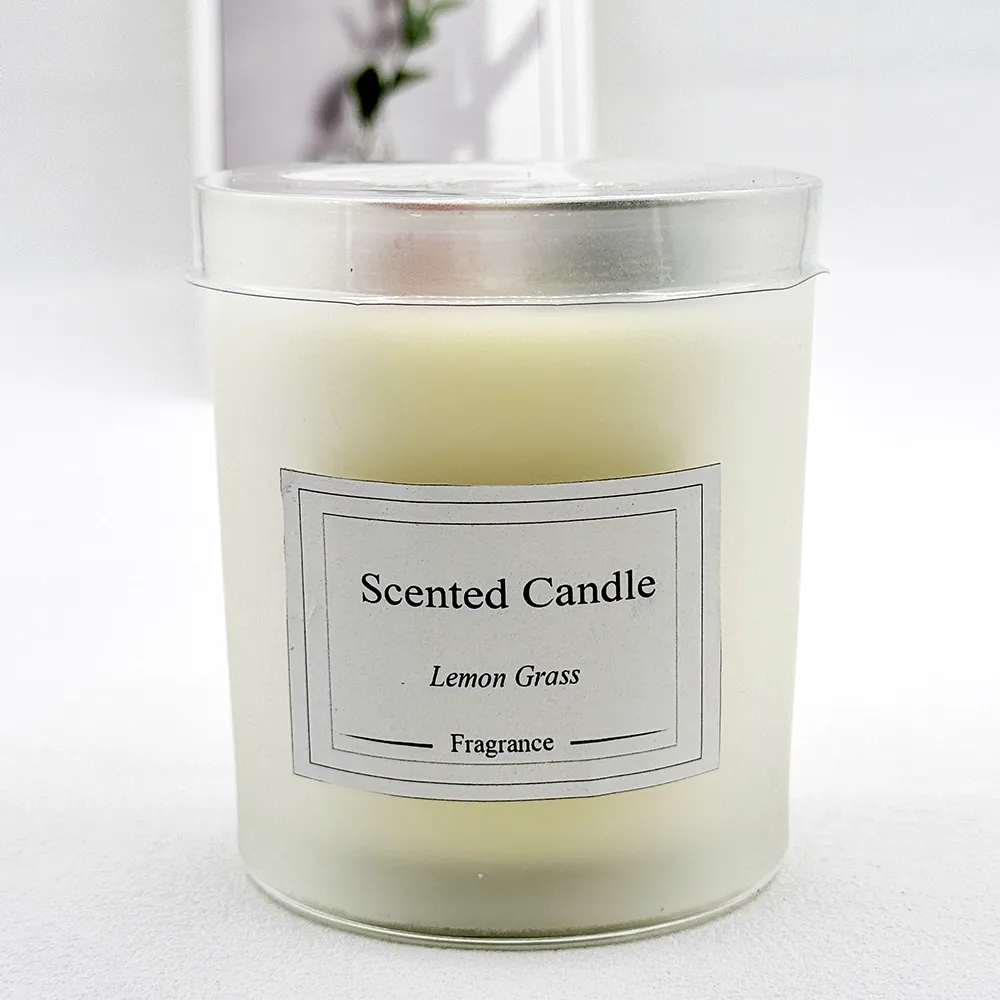 Why Are Scented Candles Becoming Essential for Modern Home Living?In today’s fast-paced world, people are paying more attention to creating comfortable and relaxing living spaces.Read More >
May 15 2026