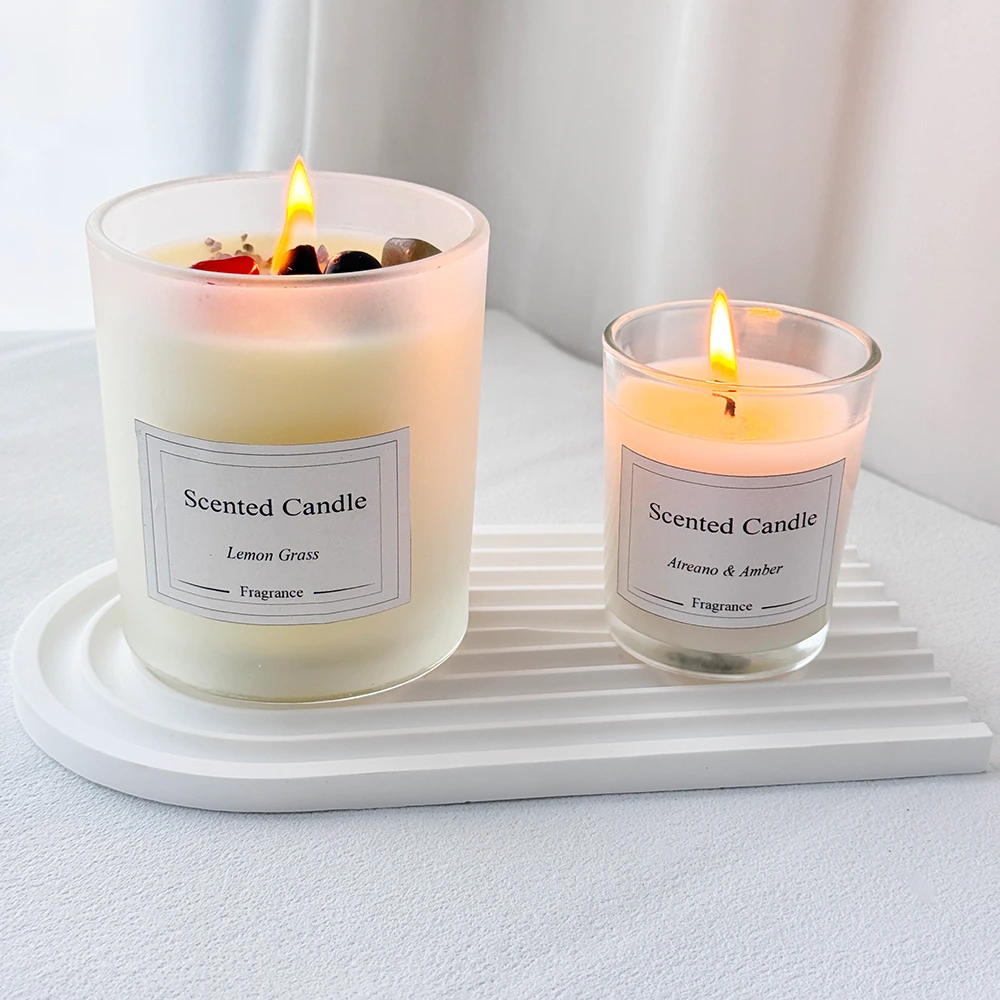
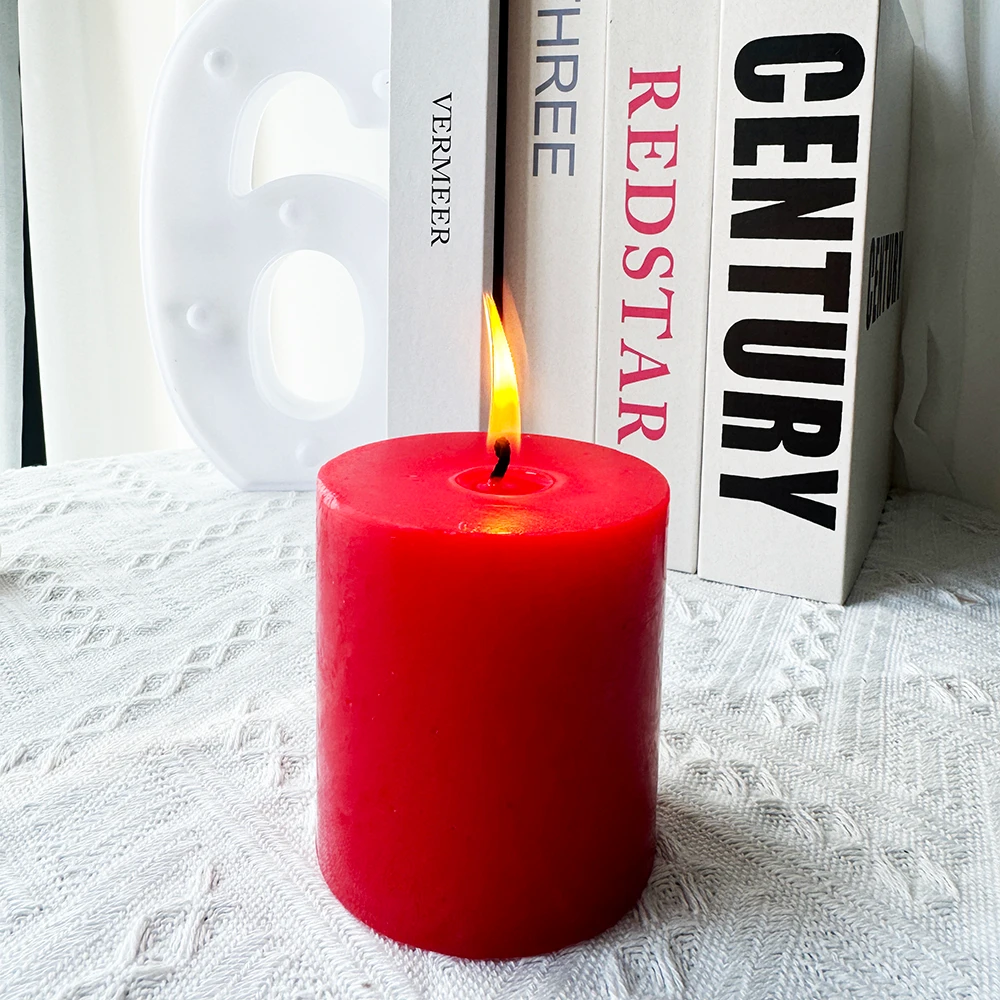
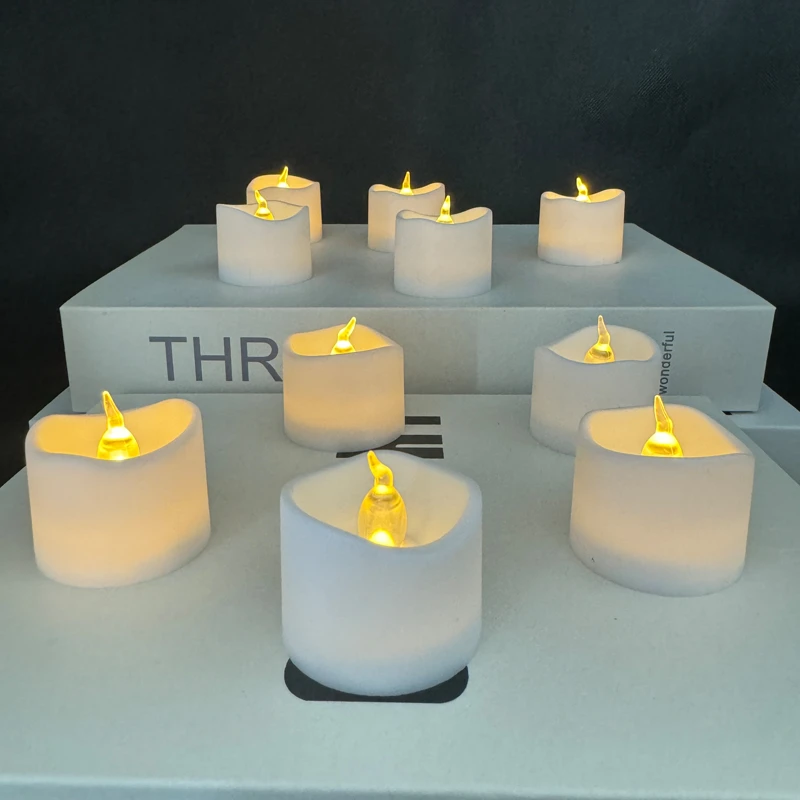
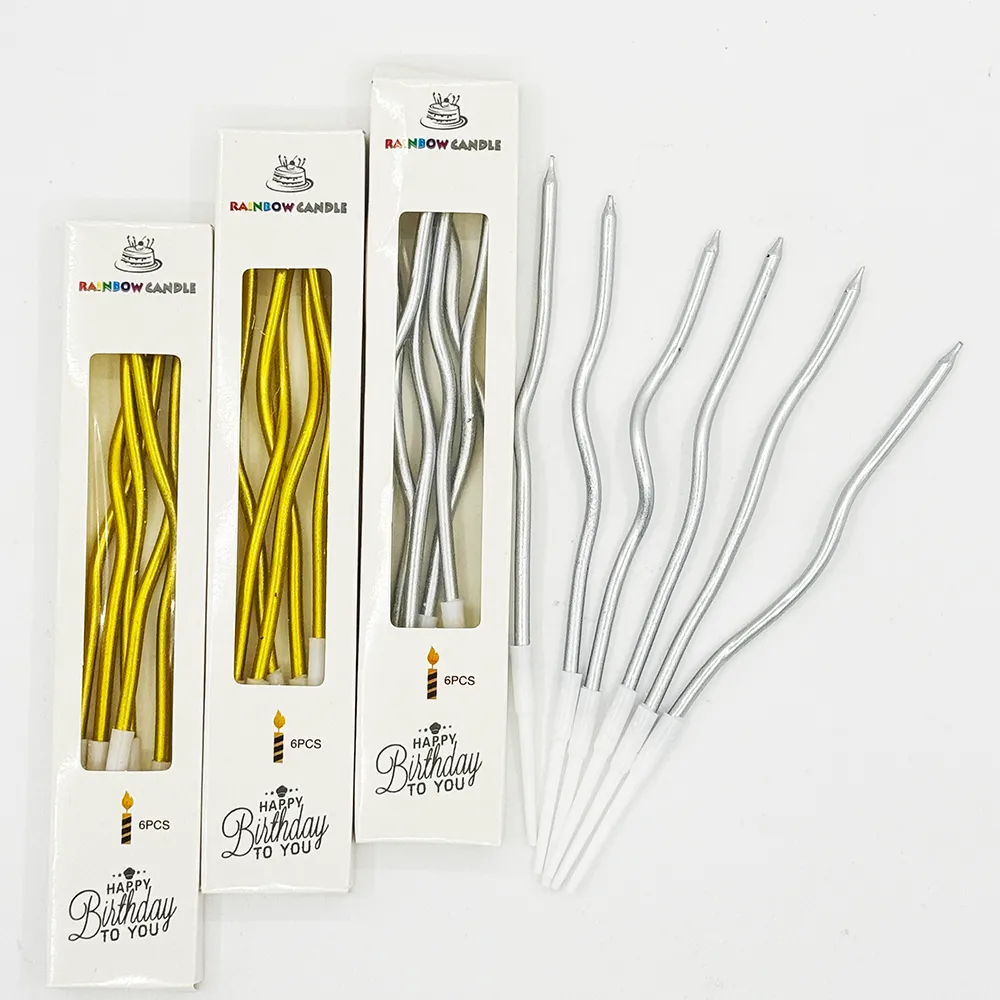
In a world increasingly conscious of health and environmental impact, the demand for non toxic scented candles has surged. These aren’t just about pleasant aromas; they represent a shift toward mindful consumption and a commitment to well-being. The traditional candle industry has long relied on paraffin wax and synthetic fragrances, both of which release potentially harmful chemicals into the air. Understanding the benefits of non-toxic alternatives is crucial for creating healthier living spaces and supporting sustainable practices.
The growing awareness of volatile organic compounds (VOCs) and their health effects is a major driver behind this change. Consumers are actively seeking products that minimize exposure to toxins, particularly within their homes. The global market for scented candles is substantial – estimated at billions of dollars annually – and the non-toxic segment is experiencing particularly rapid growth, fueled by informed consumers and increased transparency in product labeling.
Choosing non toxic scented candles is an investment in personal health, environmental responsibility, and a higher quality of life. This article will delve into the nuances of these candles, exploring their components, benefits, applications, and future trends, equipping you with the knowledge to make informed choices.
The Core of Non-Toxic Scented Candles
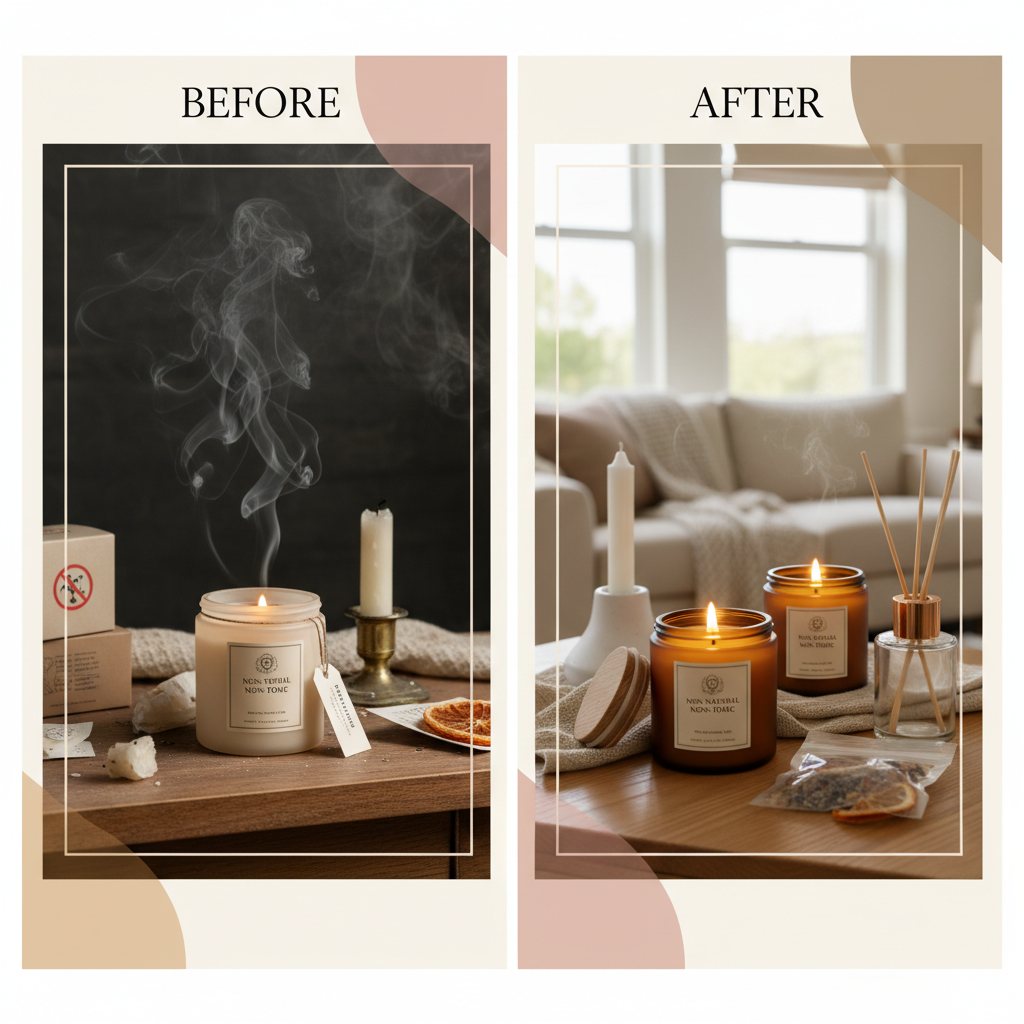
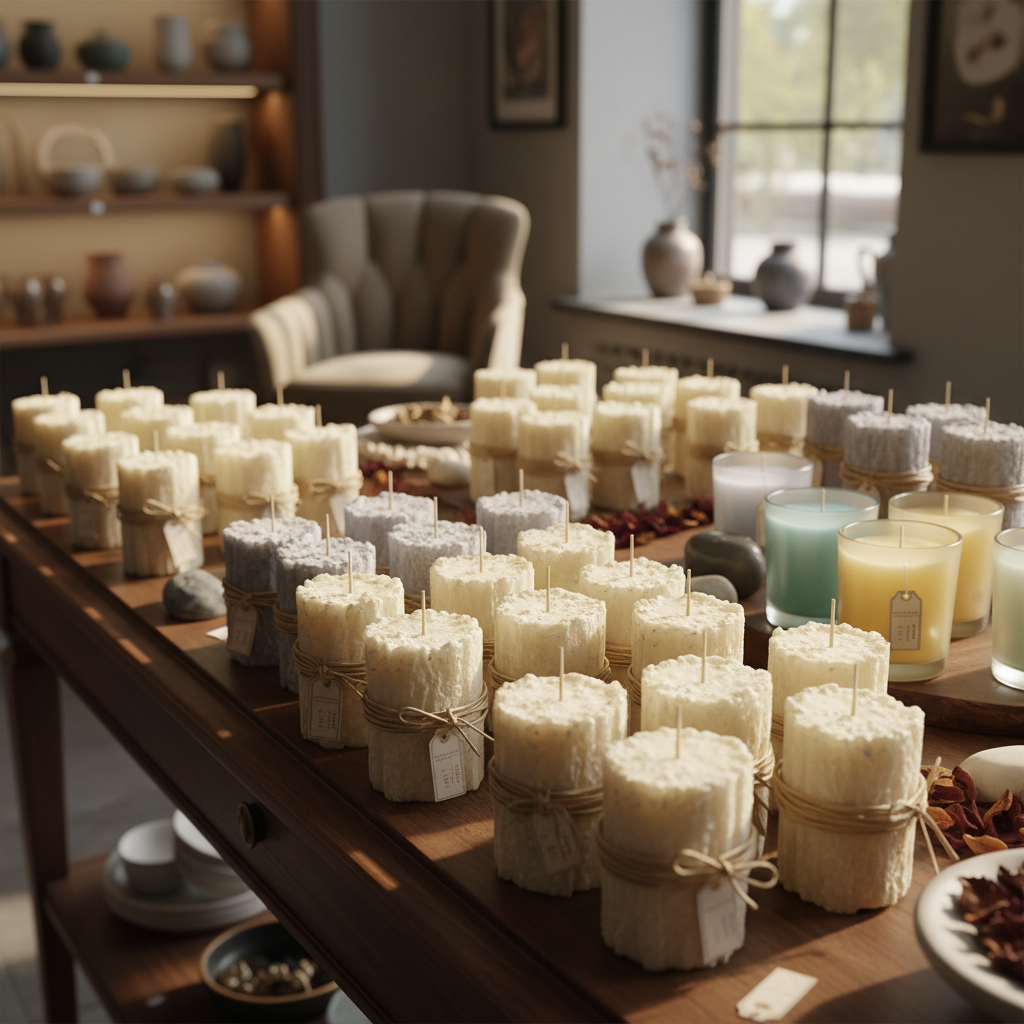
At their heart, non toxic scented candles are defined by what they don’t contain – namely, harmful chemicals commonly found in conventional candles. This includes paraffin wax, a byproduct of petroleum refining, and synthetic fragrances which often contain phthalates and other VOCs. The emphasis is on natural waxes, like soy wax, beeswax, or coconut wax, and essential oils or natural fragrance oils.
The importance of this distinction extends beyond personal health. The production and disposal of paraffin wax contribute to environmental pollution. Choosing non-toxic alternatives supports sustainable sourcing and reduces the overall carbon footprint associated with candle consumption. This holistic approach makes non toxic scented candles a responsible choice for environmentally conscious consumers.
Defining Non-Toxic Scented Candles
A non toxic scented candle is fundamentally a candle formulated without ingredients known to release harmful chemicals into the air when burned. This definition extends beyond simply avoiding paraffin wax. It encompasses the entire composition – the wax, the wick, and the fragrance. A truly non-toxic candle will use natural waxes, lead-free wicks (typically cotton or wood), and essential oils or naturally derived fragrance oils.
This focus aligns with the growing demand for transparency and cleaner living. Consumers are becoming more aware of the ingredients in everyday products and are actively seeking options that prioritize their health and the environment. The movement toward non-toxic alternatives isn't just a trend; it's a reflection of a broader societal shift toward wellness and sustainability.
The connection to modern industry and humanitarian needs arises from the increasing awareness of indoor air quality and its impact on public health. Providing safe, clean-burning alternatives contributes to healthier living environments, particularly for individuals with sensitivities or respiratory issues.
Key Components of Non-Toxic Candles
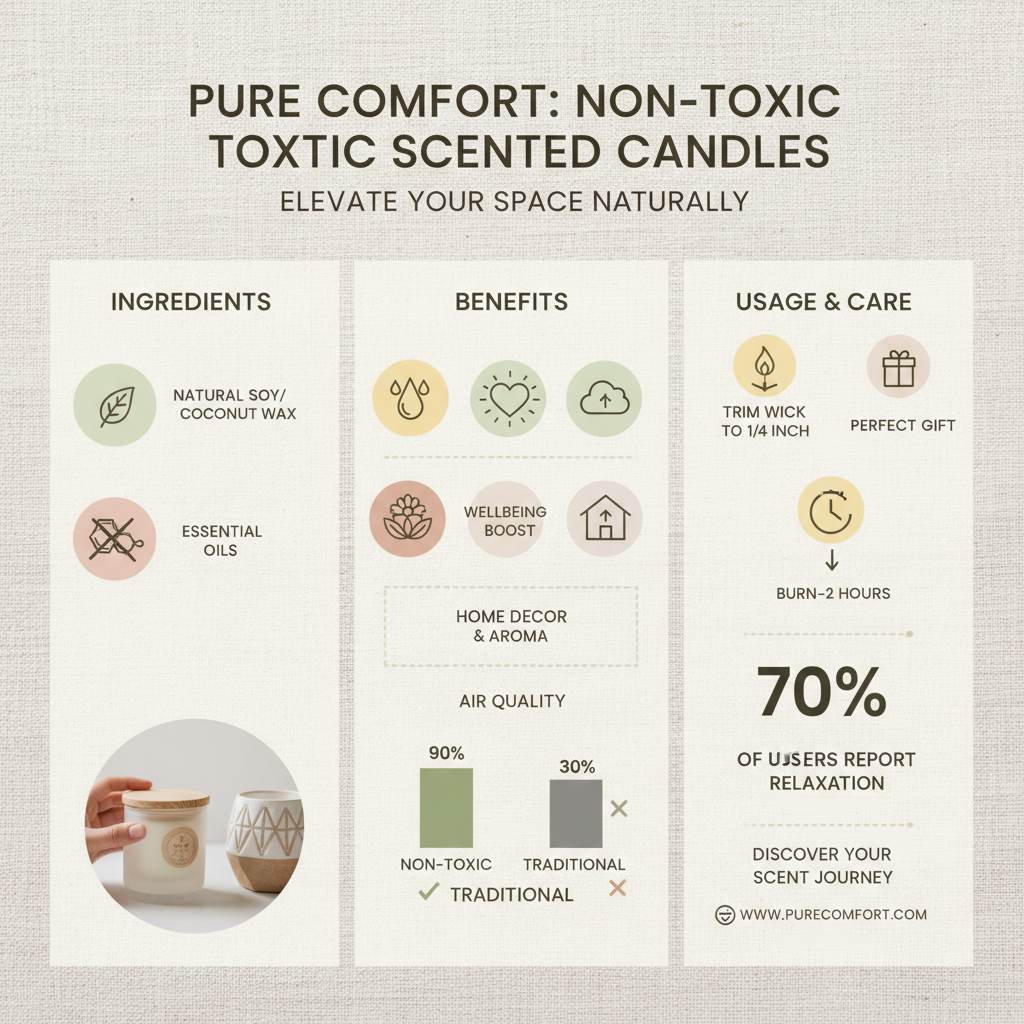
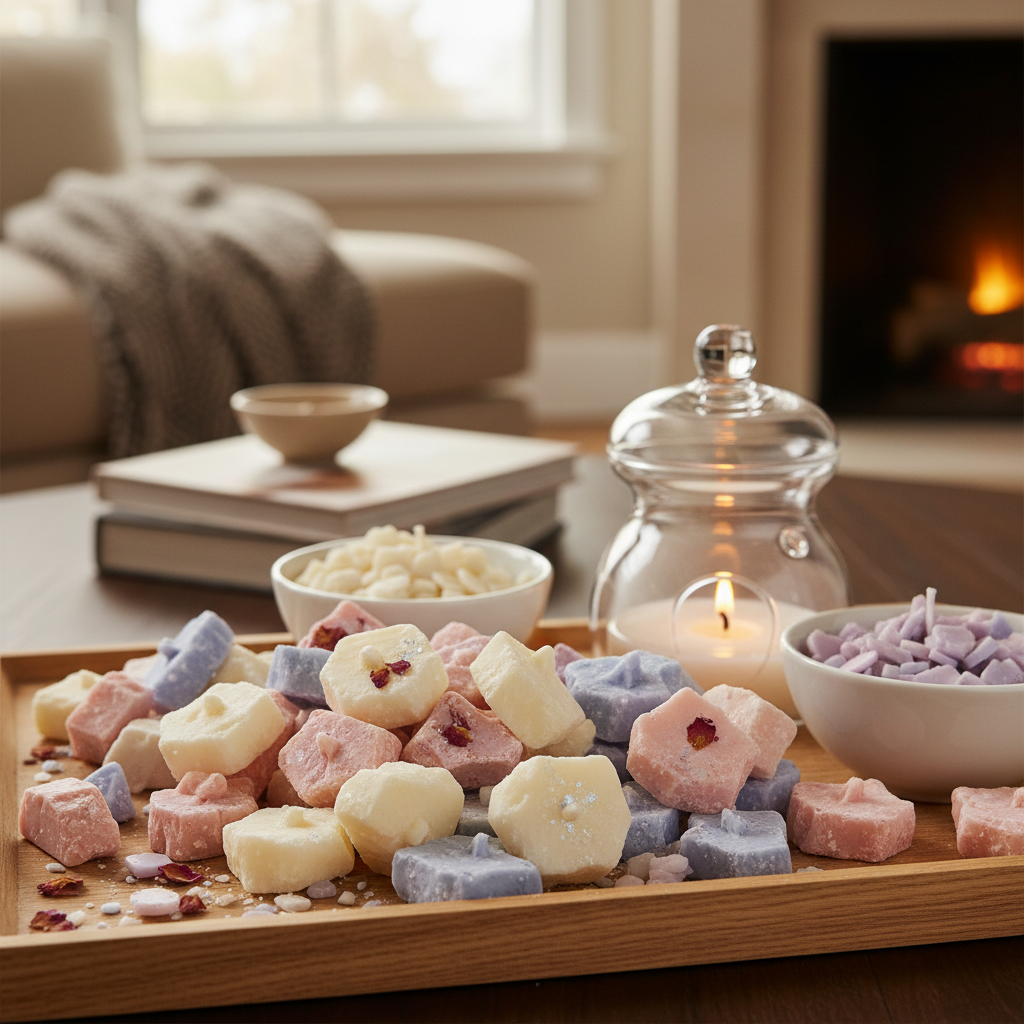
Several key components distinguish non toxic scented candles from their conventional counterparts. First and foremost is the wax. Soy wax, derived from soybeans, is a popular choice due to its clean burn and renewable sourcing. Beeswax, a natural byproduct of honey production, is another excellent option, known for its air-purifying properties. Coconut wax offers a luxurious feel and a strong scent throw.
The wick is equally important. Traditional wicks often contain a metal core, usually lead, which releases harmful particles when burned. Non toxic scented candles utilize lead-free wicks made from cotton or wood, ensuring a clean and safe burn. Finally, the fragrance plays a critical role. Essential oils, extracted from plants, provide natural aromas and therapeutic benefits. Naturally derived fragrance oils, created from natural sources, offer a wider range of scents while still avoiding synthetic chemicals.
The quality of these components directly impacts the overall health and environmental profile of the candle. Carefully selecting these materials ensures a clean, long-lasting burn and minimizes exposure to harmful toxins, making non toxic scented candles a worthwhile investment.
Global Applications and Use Cases
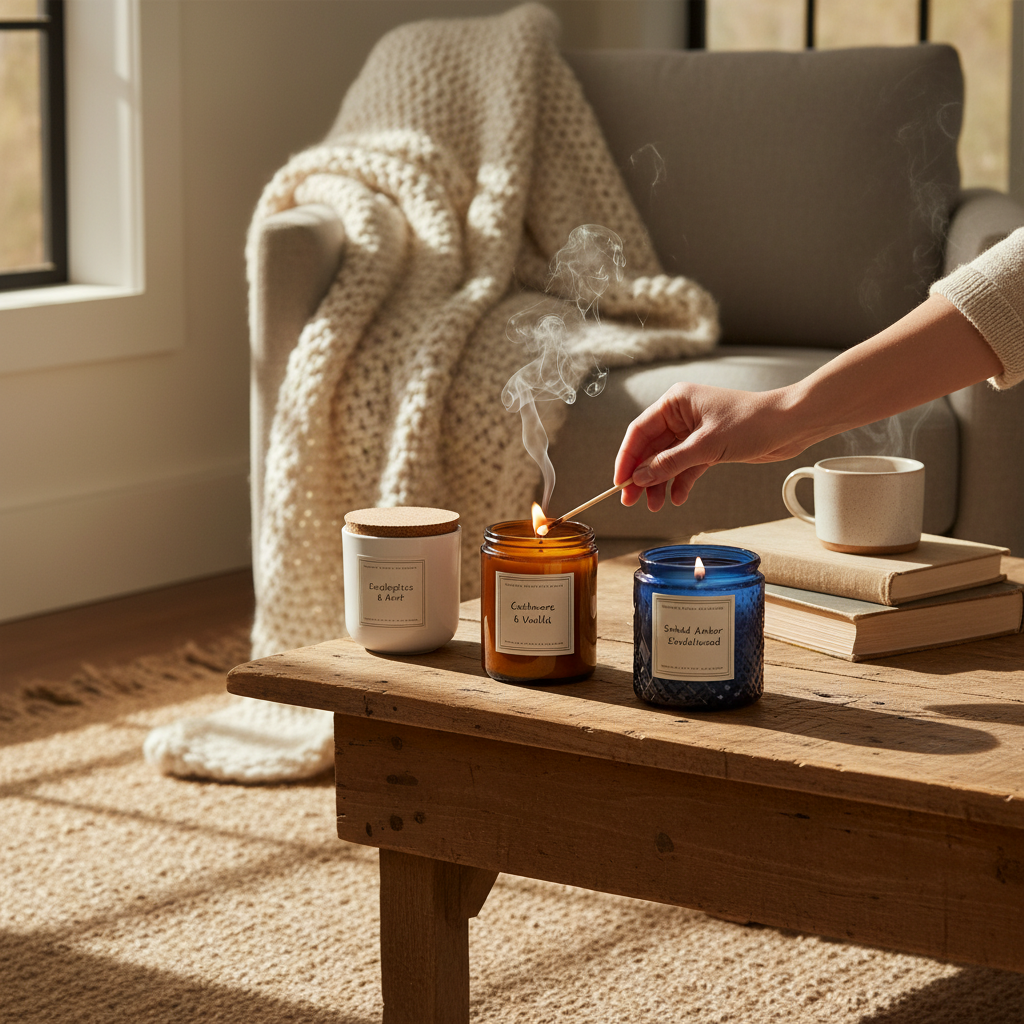
The applications of non toxic scented candles are incredibly diverse, spanning from personal wellness to professional settings. In homes, they create a calming and inviting atmosphere, promoting relaxation and reducing stress. Aromatherapy benefits associated with essential oils further enhance their therapeutic value.
Beyond the home, non toxic scented candles are increasingly utilized in spas and wellness centers, offering a safe and natural way to enhance the client experience. Hotels are also adopting these candles to create a more eco-friendly and health-conscious environment for their guests. In regions with strong environmental regulations, like parts of Europe and North America, the demand for these candles is particularly high.
non toxic scented candles Usage by Application
Advantages and Long-Term Value
The advantages of choosing non toxic scented candles extend far beyond simply avoiding harmful chemicals. From a health perspective, they contribute to improved indoor air quality, reducing the risk of respiratory irritation and other health problems. This is particularly beneficial for individuals with allergies, asthma, or sensitivities to synthetic fragrances.
Long-term value is realized through sustainability and durability. Natural waxes like soy and beeswax are renewable resources, supporting environmentally responsible practices. Furthermore, the clean burn of these candles results in a longer lifespan, reducing the frequency of replacement and minimizing waste. The overall impact is a safer, healthier, and more sustainable lifestyle.
Future Trends and Innovations
The future of non toxic scented candles is bright, with ongoing innovations focused on sustainability and enhanced performance. We’re seeing increased exploration of alternative natural waxes, such as algae wax, which offer even greater environmental benefits. Advancements in scent technology are also leading to more complex and nuanced fragrance blends using only natural essential oils.
Smart candle technology is also emerging, incorporating features like automated scent diffusion and remote control via smartphone apps. This integration of technology enhances convenience and allows for a more personalized aromatherapy experience. The growing emphasis on circular economy principles will also drive the development of refillable candle systems and sustainable packaging solutions.
Challenges and Solutions
Despite their benefits, non toxic scented candles face certain challenges. One common issue is price – they often cost more than conventional candles due to the higher quality ingredients and sustainable sourcing practices. However, increased demand and economies of scale are helping to reduce this price gap.
Another challenge is scent throw – natural waxes sometimes don’t hold fragrance as strongly as paraffin wax. This is being addressed through innovative fragrance blending techniques and the use of natural fragrance enhancers. Finally, educating consumers about the importance of ingredient transparency and the benefits of non-toxic alternatives remains crucial for driving widespread adoption.
Solutions include certifications and labeling standards that clearly identify non-toxic candles, empowering consumers to make informed choices. Furthermore, supporting brands committed to sustainable sourcing and ethical production practices encourages further innovation and progress in the industry.
Summarizing Key Attributes of Non-Toxic Scented Candles
| Wax Type |
Fragrance Source |
Wick Material |
Environmental Impact |
| Soy Wax |
Essential Oils |
Cotton |
Renewable & Biodegradable |
| Beeswax |
Natural Fragrance Oils |
Wood |
Sustainable & Air Purifying |
| Coconut Wax |
Essential Oil Blends |
Cotton |
Renewable & Slow Burning |
| Rapeseed Wax |
Naturally Derived Fragrances |
Wood |
Locally Sourced & Biodegradable |
| Palm Wax (Sustainable) |
Essential Oil Infusions |
Cotton |
Certified Sustainable & Renewable |
| Blended Natural Waxes |
Complex Fragrance Compositions |
Wood |
Optimized for Scent Throw & Sustainability |
FAQS
Traditional candles often release harmful VOCs, like benzene and formaldehyde, which can exacerbate respiratory issues and contribute to headaches. Non toxic scented candles, crafted with natural waxes and essential oils, minimize these emissions, promoting cleaner indoor air quality. This is particularly important for individuals with sensitivities or allergies, providing a safer and more comfortable environment. Choosing natural ingredients reduces your exposure to potentially harmful chemicals, supporting overall well-being.
Look for candles explicitly labeled "non-toxic" and that clearly list all ingredients. Avoid candles made with paraffin wax, phthalates, and synthetic fragrances. Opt for those using natural waxes like soy, beeswax, or coconut wax, and scented with pure essential oils or naturally derived fragrance oils. Checking for certifications from reputable organizations can also provide assurance. A transparent ingredient list is your best indicator of a truly non-toxic product.
Generally, non toxic scented candles can be slightly more expensive than conventional options due to the higher cost of natural ingredients and sustainable sourcing. However, the price difference is often justifiable when considering the health benefits and environmental impact. Furthermore, a longer burn time often associated with natural waxes can offset the initial cost, making them a cost-effective choice in the long run.
Each natural wax has its strengths. Soy wax is a popular and affordable choice, offering a clean burn. Beeswax is known for its air-purifying qualities and natural honey scent. Coconut wax provides a luxurious feel and excellent scent throw. Ultimately, the “best” wax depends on your preferences and priorities. Look for candles that clearly state the wax type and source.
While generally safer, even essential oils can trigger allergies in sensitive individuals. Always check the ingredient list for potential allergens and perform a patch test if you have known sensitivities. Look for unscented options if allergies are a significant concern. Natural doesn't necessarily mean allergy-free, so awareness is key.
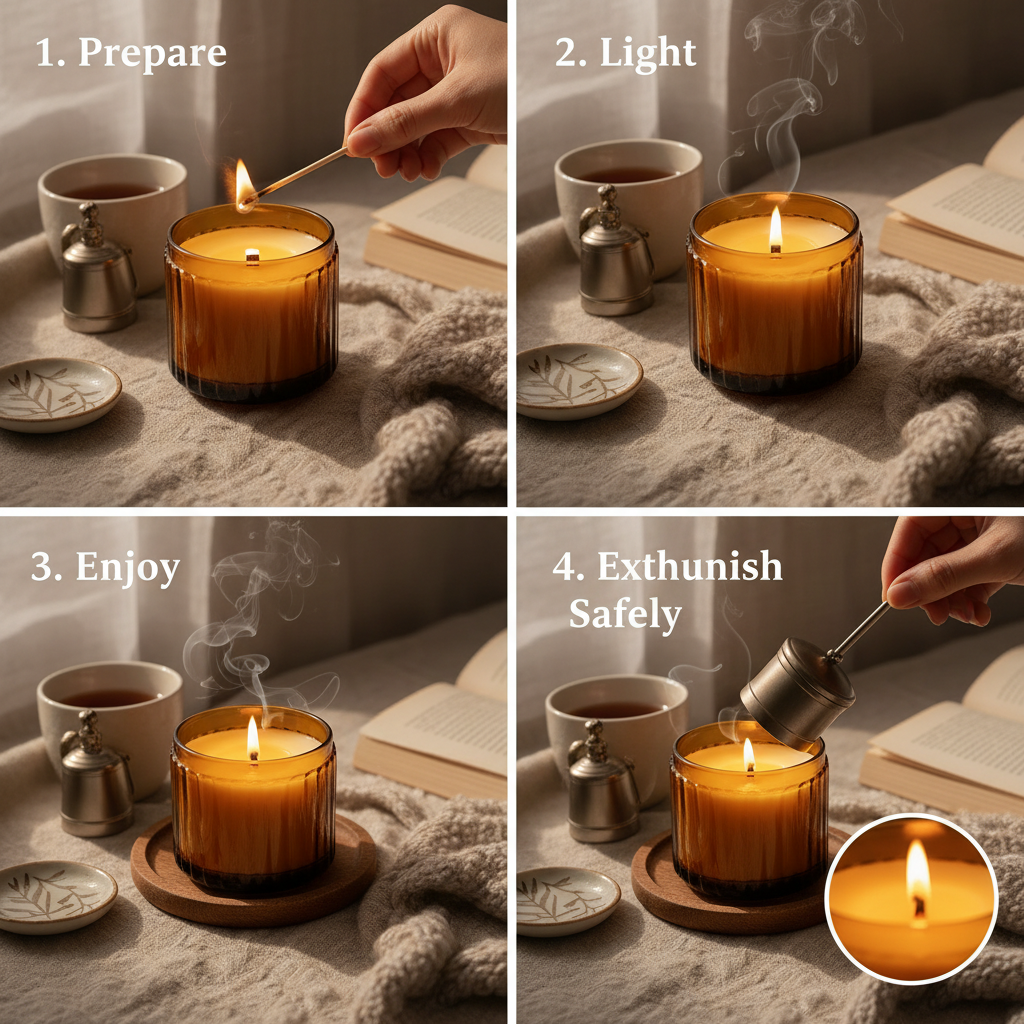
To ensure a long-lasting burn, trim the wick to ¼ inch before each use. Avoid burning the candle for more than 4 hours at a time. Keep the candle away from drafts and direct sunlight. Store it in a cool, dark place when not in use. Proper care will not only extend its lifespan but also maintain the quality of the scent.
Conclusion
Non toxic scented candles represent a paradigm shift in home fragrance, prioritizing health, sustainability, and well-being. By understanding the components, benefits, and applications of these candles, consumers can make informed choices that align with their values. From cleaner indoor air to reduced environmental impact, the advantages are clear and compelling.
As innovation continues to drive the industry forward, we can expect even more sustainable and effective non-toxic candle options to emerge. Embracing these alternatives is not simply a matter of personal preference; it’s a contribution to a healthier planet and a more mindful lifestyle. Visit our website at www.ouniscandle.com to explore our collection of premium non-toxic scented candles and discover the difference.