


Burning Beeswax Candles: A Timeless Industrial Craft
Burning Beeswax Candles: A Timeless Industrial Craft
Burning Beeswax Candles: An Industrial Perspective
After spending years around industrial equipment and specialized materials, I've noticed how something as humble as a beeswax candle packs more than just warmth and flickering light. It’s a craft, a careful balance of natural materials and tested processes that have stood the test of time, even as factories evolve and automation squeezes in practically everywhere.
Why Beeswax? A Look Beyond the Flame
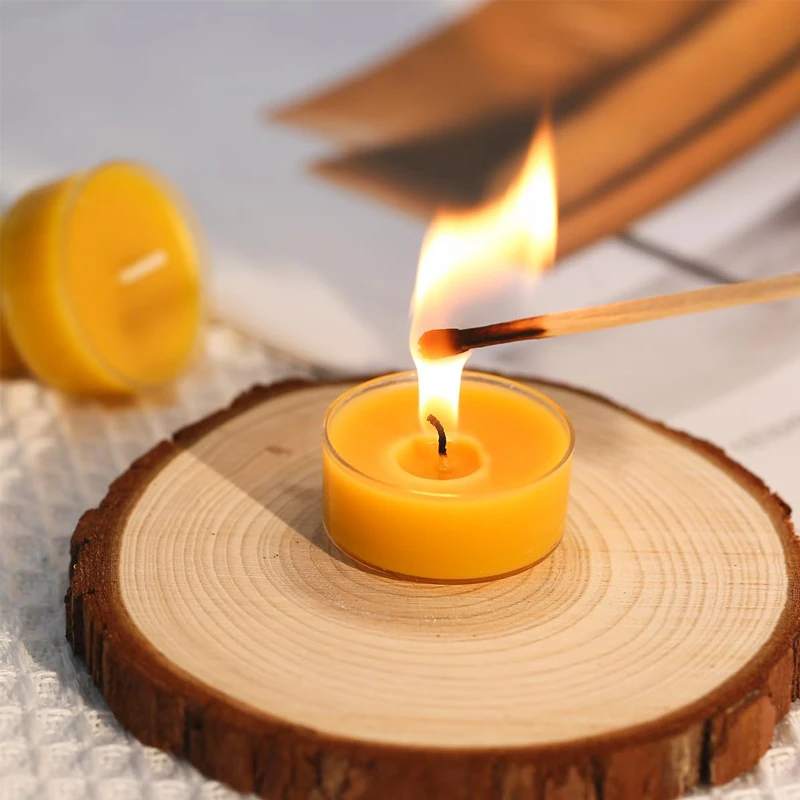
In a world sprinkled with paraffin and soy blends, beeswax remains uniquely captivating. Its natural composition means there’s less soot, and the subtle honey aroma is frankly hard to beat. Many engineers I’ve met swear by it for indoor environments, especially since it burns cleaner and can be customized relatively easily. Oddly enough, even a millwright appreciates those simple chemical properties when working around sensitive machinery.
You also get a reliable burn time—in this sector, longevity matters as much as quality. Beeswax tends to burn slower than paraffin, which, when paired with a properly designed wick, means better economy and less waste per candle.
The Nuts and Bolts: Product Specifications of Beeswax Candles
| Specification | Typical Range / Value |
|---|---|
| Material Purity | ≥ 95% Pure Beeswax |
| Average Burn Time | ~40 hours (for a 6” pillar) |
| Melting Point | 62–64°C (144–147°F) |
| Soot Emission | Low compared to paraffin |
| Wick Type | Cotton, braided or wooden |
Custom Burn Qualities That Make a Difference
One thing engineers and artisans alike will appreciate is the impact of wick size and candle shape on burn quality. In my experience visiting various candle factories, it’s surprising how much trial-and-error still goes into these adjustments. A too-large wick dries the wax unevenly, clogging the airflow. Too small — and you’re left with tunneling that no consumer really wants.
Some manufacturers now offer customizable beeswax candles — different diameters, heights, even colored layers, though it's crucial to keep additives minimal if you want to keep that pure beeswax charm. For instance, in one factory I toured, the operator joked, “If this candle was anything else, we’d definitely have to rethink our safety protocols.” That stuck with me — real talk from someone on the floor where flammable materials meet precision.
Comparing Leading Beeswax Candle Vendors in the Market
| Vendor | Purity (%) | Typical Product Range | Customization Options | Price Range (per 100 units) |
|---|---|---|---|---|
| Ounis Candle | ≥ 95% | Pillars, tapers, votives | Size, wick type, scent-free | $250–$400 |
| BeePure Co. | 90–94% | Votives, containers | Limited size options | $180–$300 |
| Golden Honey Waxes | ≥ 96% | Custom shapes, pillars | Extensive scent and color options | $300–$500 |
A Quick Case Insight: How Quality Matters
I remember a small customer story from a candle distributor friend. He once swapped out a big batch of generic paraffin candles for beeswax versions in a boutique hotel. The difference? Complaints about smoke vanished, and guests said the ambiance was "warmer" and "more authentic." It felt like beeswax served not only an industrial role in cleaner burning but also an emotional one, building trust with final users who notice.
In real production terms, that kind of feedback encourages manufacturers to pay attention to materials and testing. It isn’t just wax and wick—it’s the experience.
Anyway, if you’re thinking of exploring beeswax candles further, especially for industrial or commercial uses, check out Ounis Candle. They’ve got a solid reputation and some intriguing customization options — which, as I said, turns out to matter a lot in this field.
So yeah, burning beeswax candles isn’t as simple as lighting and forgetting. There’s a chain of thoughtful decisions from harvest to flame. And maybe that’s why, despite all the buzz about innovation, some old-school materials just don’t lose their spark.
References & reflections:
- Discussions with industrial candle manufacturers, 2023
- Field visit notes from beeswax candle production facilities
- "The Chemistry and Burn Qualities of Natural Waxes" - Industry Journal, 2022
Latest News About Us
-
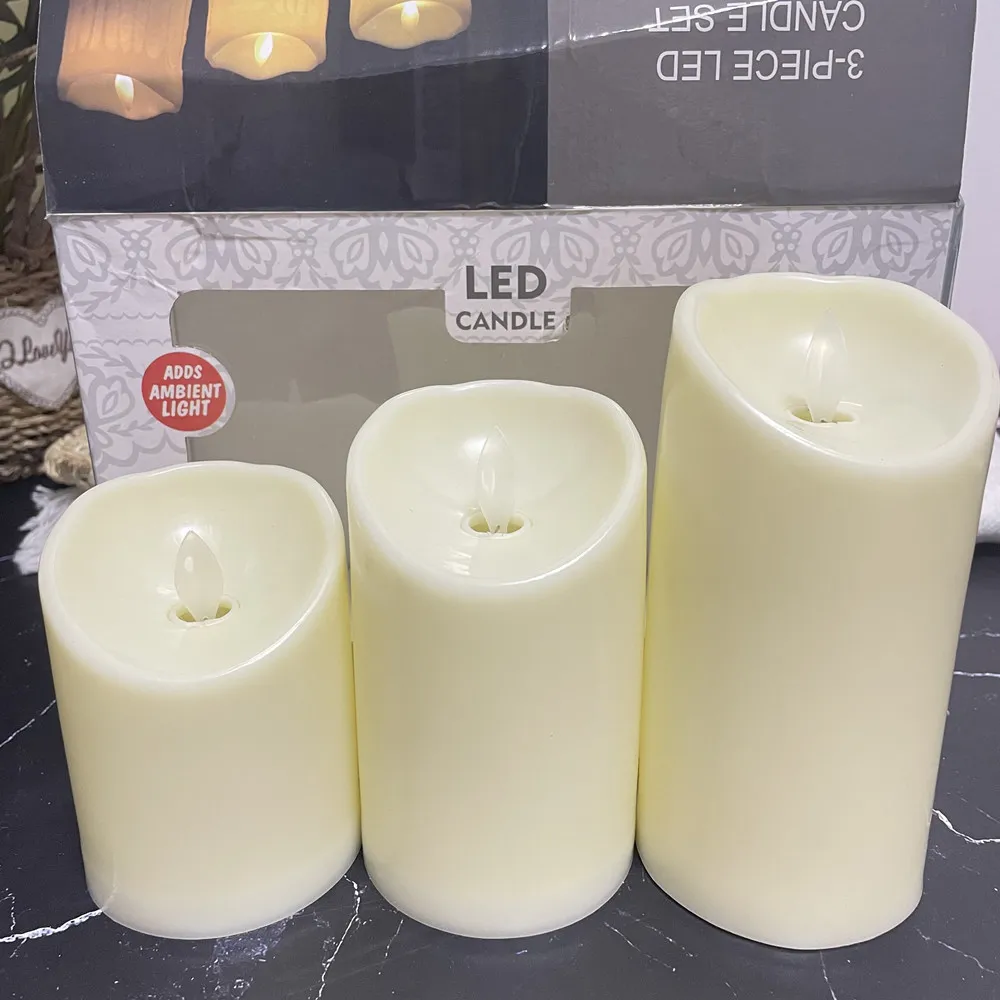 Why LED Candles Bulk Orders Are Transforming Modern Event and Home DecorationIn today’s modern lifestyle and event planning industry, lighting plays a crucial role in creating atmosphere, emotion, and visual impact.Read More >
May 15 2026
-
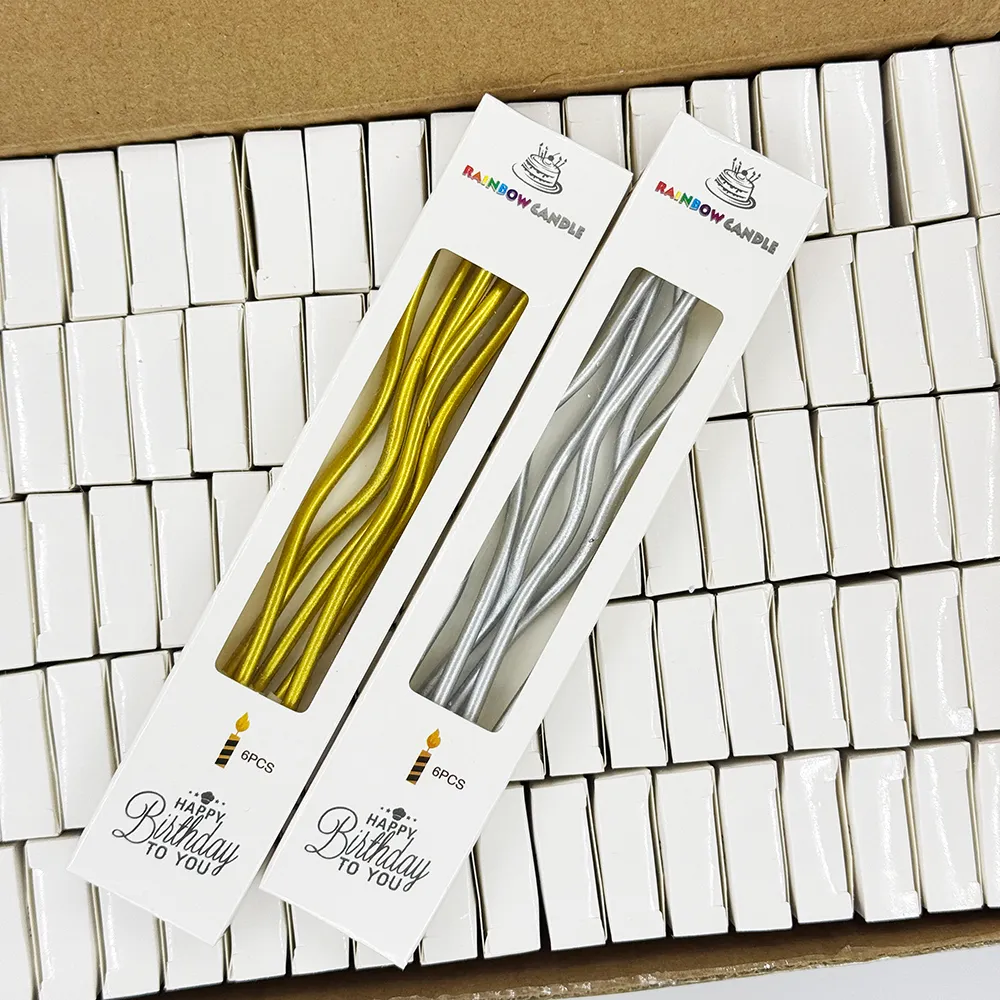 Why Are Birthday Candles Essential for Modern Party Celebrations?Birthday celebrations have always been a meaningful part of human culture, symbolizing joy, togetherness, and new beginnings.Read More >
May 15 2026
-
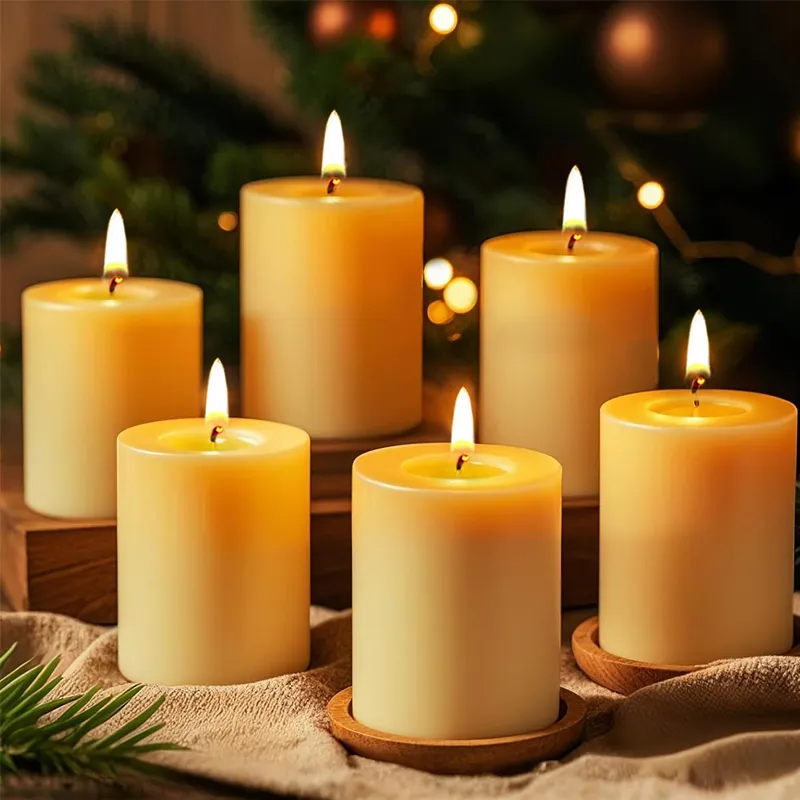 Why Beeswax Candle Bulk Orders Are Becoming the Preferred Choice for Modern ConsumersIn recent years, the candle industry has experienced significant growth as consumers increasingly seek natural, eco-friendly, and premium-quality home fragrance products.Read More >
May 15 2026
-
 Exploring Different Types of Candle Shapes: Why Modern Homes Love Creative Candle DesignsCandles are no longer just simple decorative items placed on dining tables or shelves.Read More >
May 15 2026
-
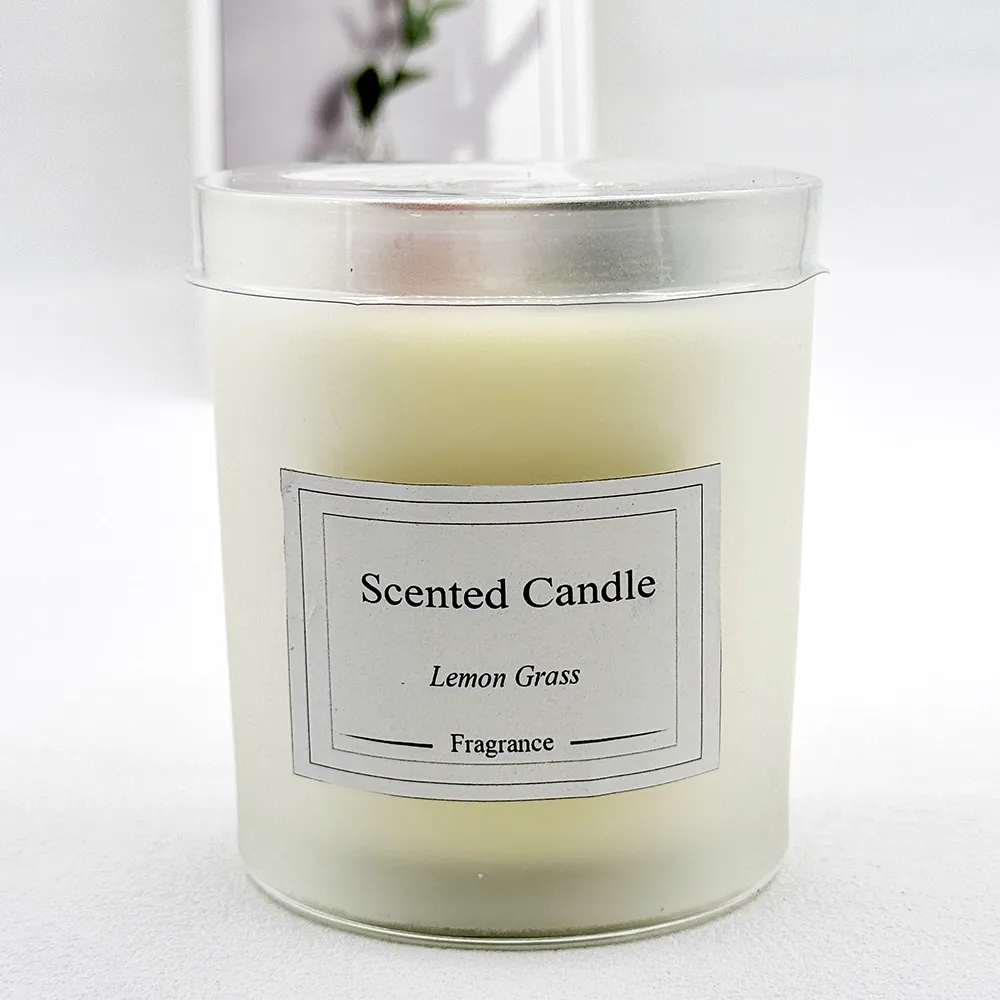 Why Are Scented Candles Becoming Essential for Modern Home Living?In today’s fast-paced world, people are paying more attention to creating comfortable and relaxing living spaces.Read More >
May 15 2026