

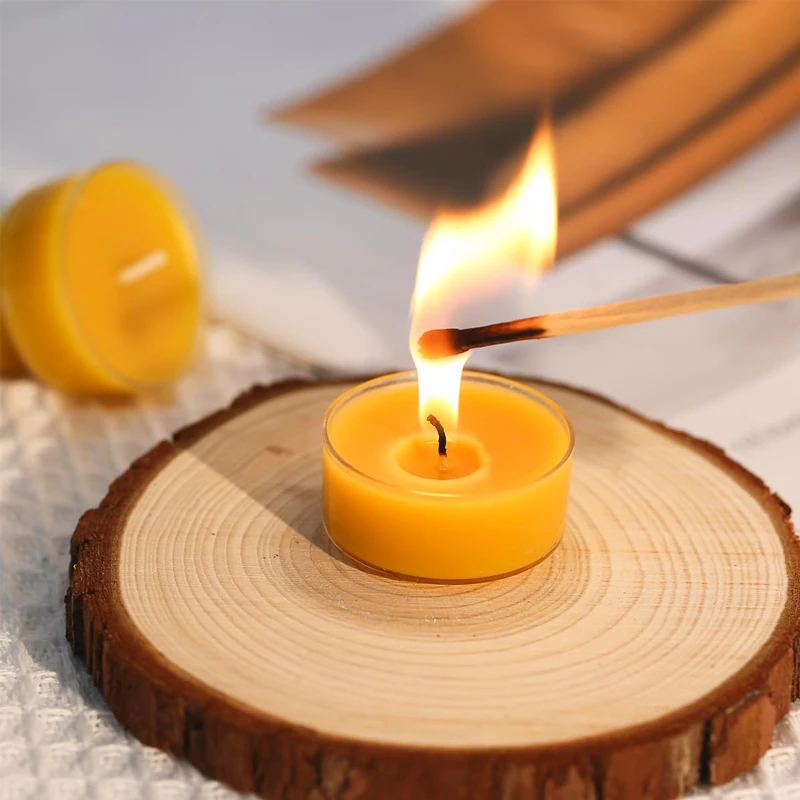

Beeswax candles represent a premium segment of the candle industry, valued for their natural origin, clean burn, and subtle honey aroma. Unlike paraffin-based alternatives, beeswax is a sustainable byproduct of honey production, making it a preferred choice for environmentally conscious consumers and luxury B2B buyers. This guide examines the technical and commercial aspects of sourcing high-quality beeswax products to ensure optimal performance and market appeal.
For procurement managers and distributors, understanding the nuances of wax purity, wick compatibility, and manufacturing standards is critical. The market currently demands a balance between traditional craftsmanship and modern scalability, where OEM and ODM capabilities allow brands to differentiate their offerings through customized scents, shapes, and packaging. Navigating these requirements requires a partner with deep export experience and a robust production infrastructure.
Readers will explore the essential criteria for evaluating a bee candle company, including the impact of material selection on burn time and the logistical considerations for large-scale international shipping. By analyzing technical specifications and supplier capabilities, businesses can minimize procurement risks and maximize the lifecycle value of their candle inventory.
The Fundamentals of Natural Beeswax Production
Beeswax is a natural wax produced by honey bees of the genus Apis. From a technical standpoint, it is a complex mixture of fatty acid esters and long-chain alcohols, which gives it a higher melting point than paraffin or soy wax. This physical characteristic ensures that beeswax candles burn slower and last longer, providing a more stable flame and a warmer light. The production process involves the careful extraction of wax from honeycombs, followed by filtration to remove impurities such as pollen and propolis, ensuring a clean, smokeless burn. In the B2B sector, the distinction between pure beeswax and blended waxes is paramount; pure beeswax maintains its natural golden hue and scent, whereas blends may be used to adjust hardness or reduce costs. Professional manufacturing requires precise temperature control during the pouring process to prevent cracking and ensure a smooth surface finish, reflecting the technical expertise of the production team.
Strategic Sourcing and Procurement Guide
Selecting the right manufacturing partner involves more than comparing price points. It requires a deep dive into the supplier's ability to maintain consistency across large batches and their capacity to handle customized specifications. The following analysis breaks down the seven critical dimensions of beeswax candle procurement.
Material Composition and Purity
The quality of a beeswax candle is directly tied to the purity of the raw wax. High-grade beeswax should be free from synthetic additives and chemical bleaches. When evaluating specifications, buyers should look for the ratio of natural wax to additives, as this affects both the scent profile and the ecological footprint of the product. Pure beeswax offers a naturally hypoallergenic experience, which is a significant selling point in the health and wellness market.
| Wax Type | Melting Point | Scent Profile | Burn Rate |
|---|---|---|---|
| Pure Beeswax | ~62-65°C | Natural Honey | Slow/Consistent |
| Beeswax Blend | Variable | Dependent on Additives | Moderate |
| Paraffin Mix | Low to Mid | Neutral/Artificial | Fast |
| Soy-Beeswax | Moderate | Mild/Clean | Slow |
| Refined Beeswax | ~63°C | Very Subtle | Consistent |
| Unrefined Beeswax | ~62°C | Strong Honey | Natural/Variable |
Burn Performance Factors
Burn performance is measured by the absence of soot and the stability of the flame. Because beeswax is denser than other waxes, it requires a specific wick thickness to prevent "tunneling"—where the candle burns down the center, leaving a ring of wax on the sides. A professional supplier ensures that the wick material is compatible with the beeswax density, resulting in a full-diameter melt pool and an optimized burn time that maximizes consumer value.
Customization and OEM Flexibility
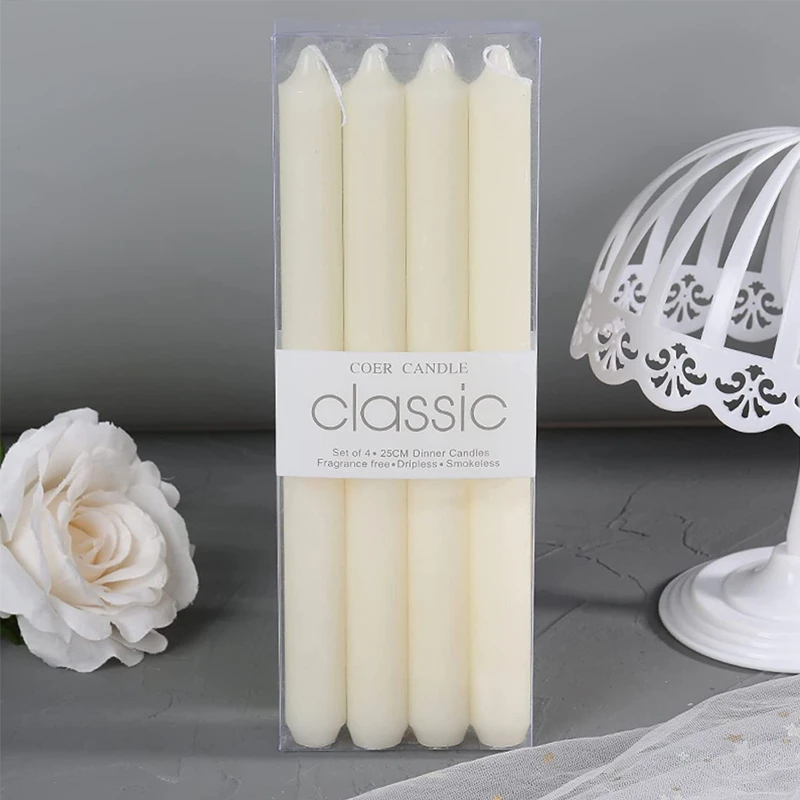
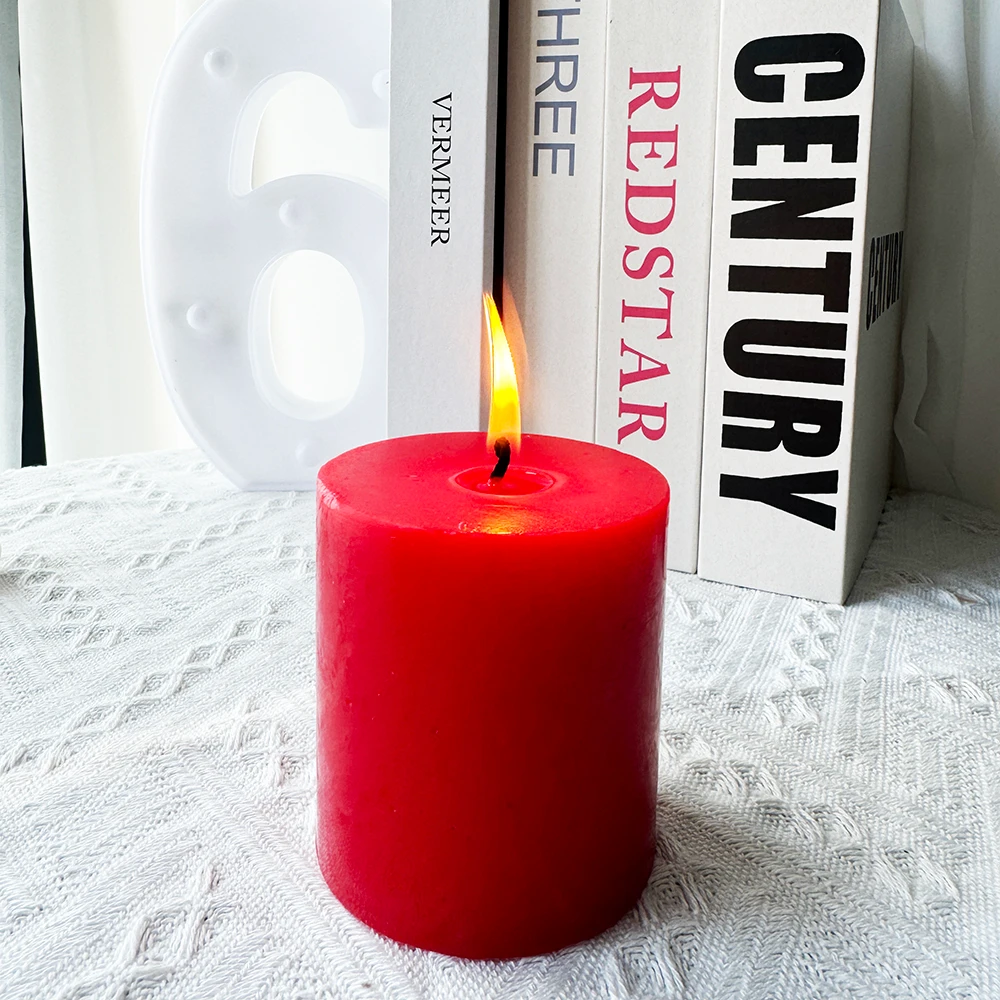
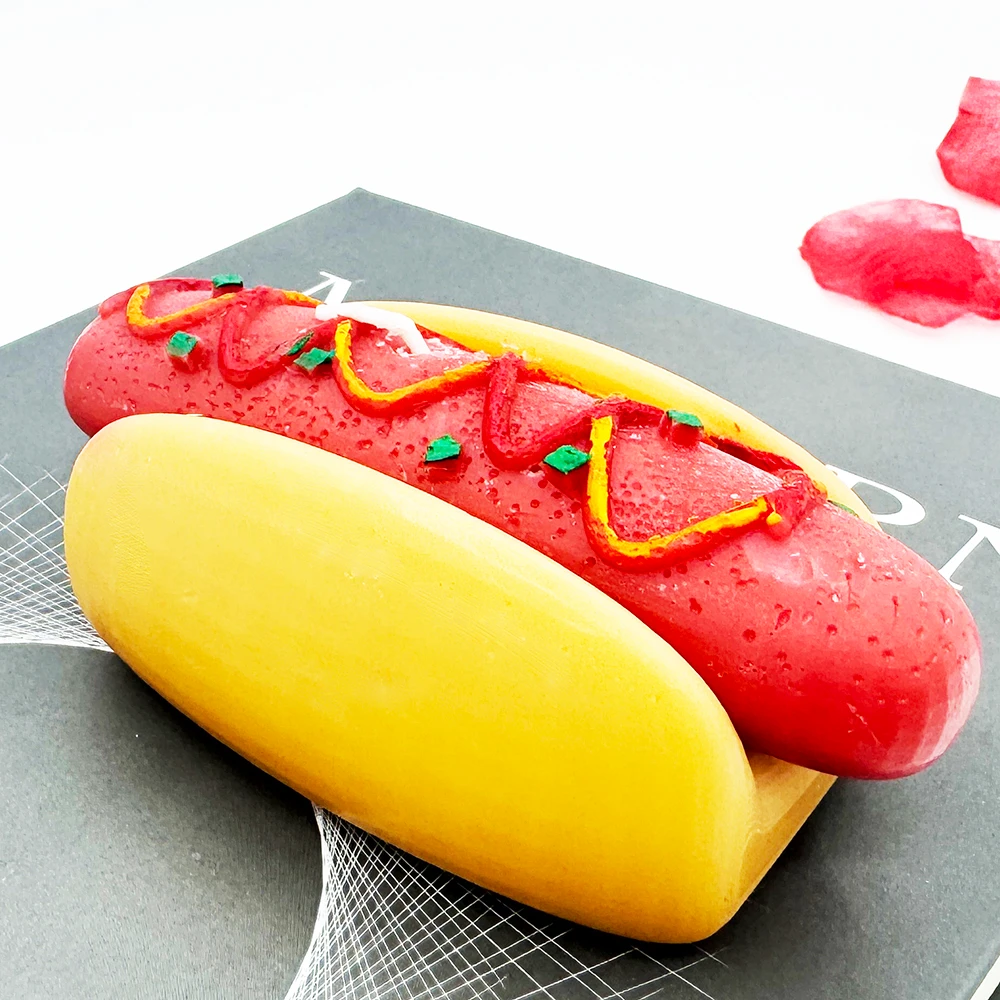
In a competitive retail environment, customization is key. Leading exporters provide ODM (Original Design Manufacturing) and OEM (Original Equipment Manufacturer) services, allowing clients to specify mold shapes, colors, and customized packaging. Whether the requirement is for elegant pillar candles for home decor or specialized shapes for themed events, the ability to implement precise design specifications without compromising wax integrity is a hallmark of a professional candle manufacturer.
Environmental and Safety Standards
Safety is a non-negotiable aspect of candle production. High-quality beeswax candles should be smokeless and safe for indoor use. This involves testing for flash points and ensuring that any essential oils added for scent are stable and do not create hazardous fumes when heated. Procurement teams should verify that the manufacturer follows industry-standard safety protocols and uses materials that are non-toxic and biodegradable.
Application Scenario Analysis
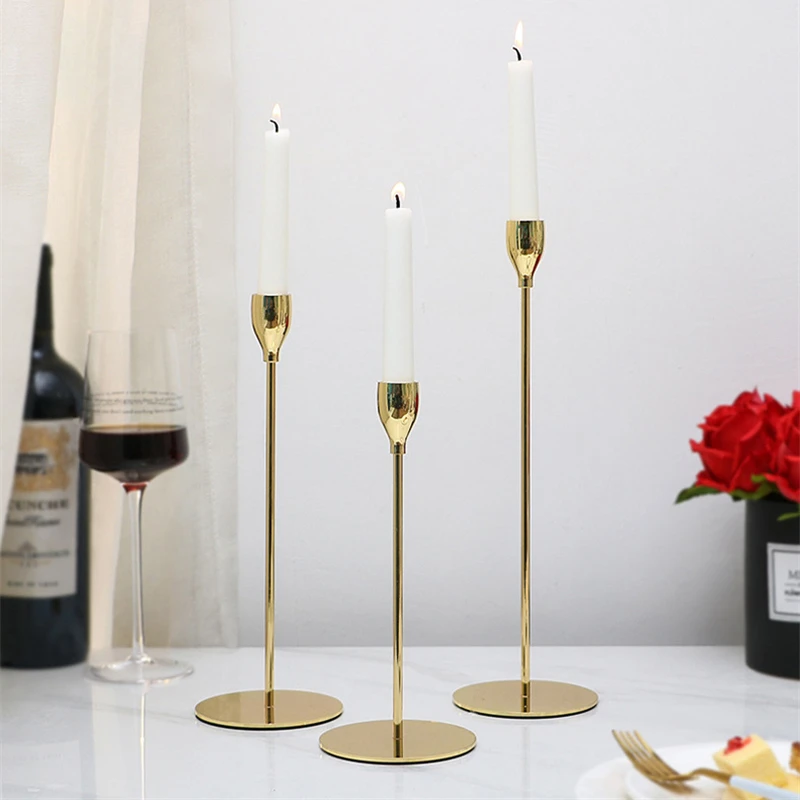
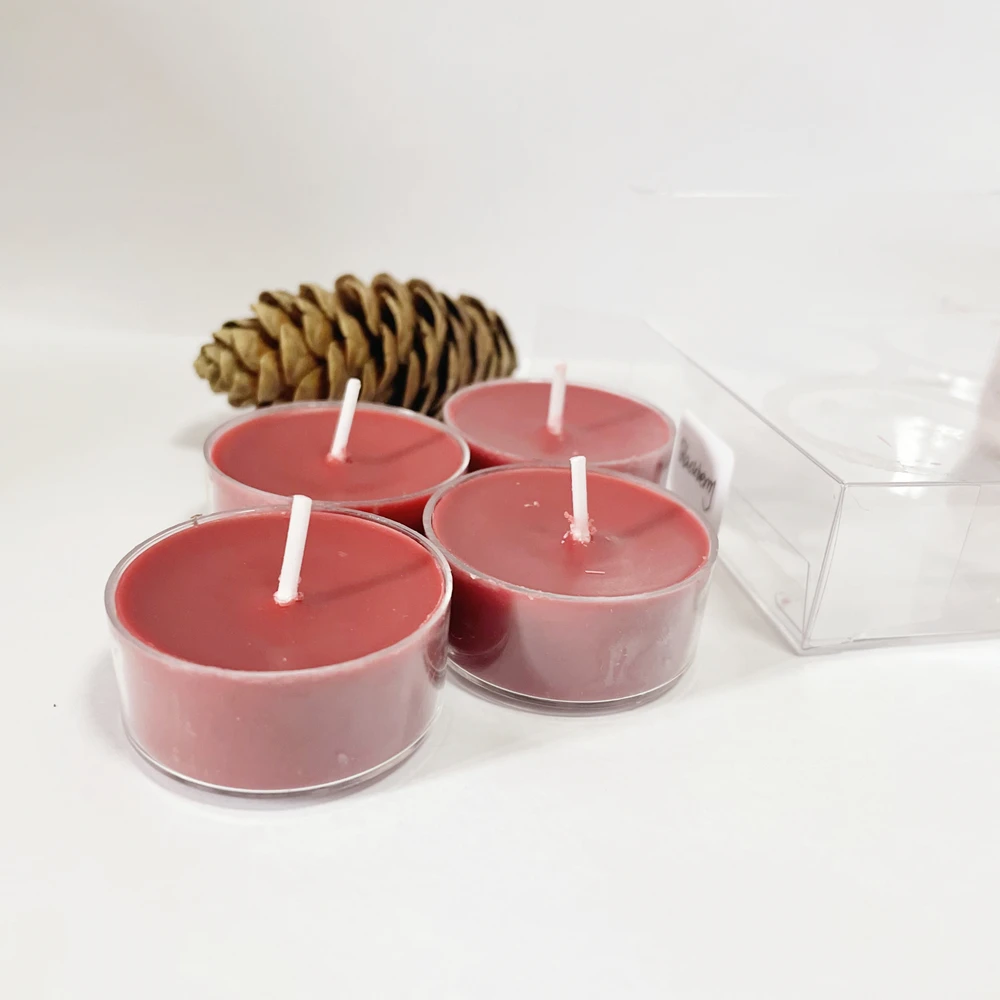
Beeswax candles serve diverse markets, from luxury home fragrance and spiritual practices to seasonal decorations. For instance, in high-end interior design, tall pillar candles are used as centerpieces due to their structural stability. Conversely, tea lights are preferred for ambient lighting in spas and wellness centers. Understanding these scenarios allows a supplier to recommend the best wax hardness and wick type for the intended use case.
Supply Chain Logistics
Transporting wax products globally requires specific considerations regarding temperature and packaging. Beeswax can soften in extreme heat, potentially leading to deformation during transit. Professional exporters utilize safe, reinforced packaging and temperature-controlled shipping strategies to ensure that products arrive in pristine condition, regardless of whether they are shipped to America, Europe, or South Asia.
Evaluating Supplier Reliability
A reliable supplier is characterized by their export experience and commitment to "integrity-based" cooperation. Buyers should assess the supplier's track record in large-quantity exports and their ability to provide a one-stop service—from raw material sourcing to final packaging. A team with over a decade of experience in the international market is typically better equipped to handle the complexities of customs, quality inspections, and lead-time management.
FAQ
What makes beeswax candles superior to paraffin candles?
Beeswax candles are superior because they are made from a natural, renewable resource and produce a cleaner burn with significantly less soot. They have a higher melting point, which results in a longer burn time, and they naturally release negative ions that can help purify the air, unlike paraffin which is a petroleum byproduct.
Can beeswax candles be customized with scents?
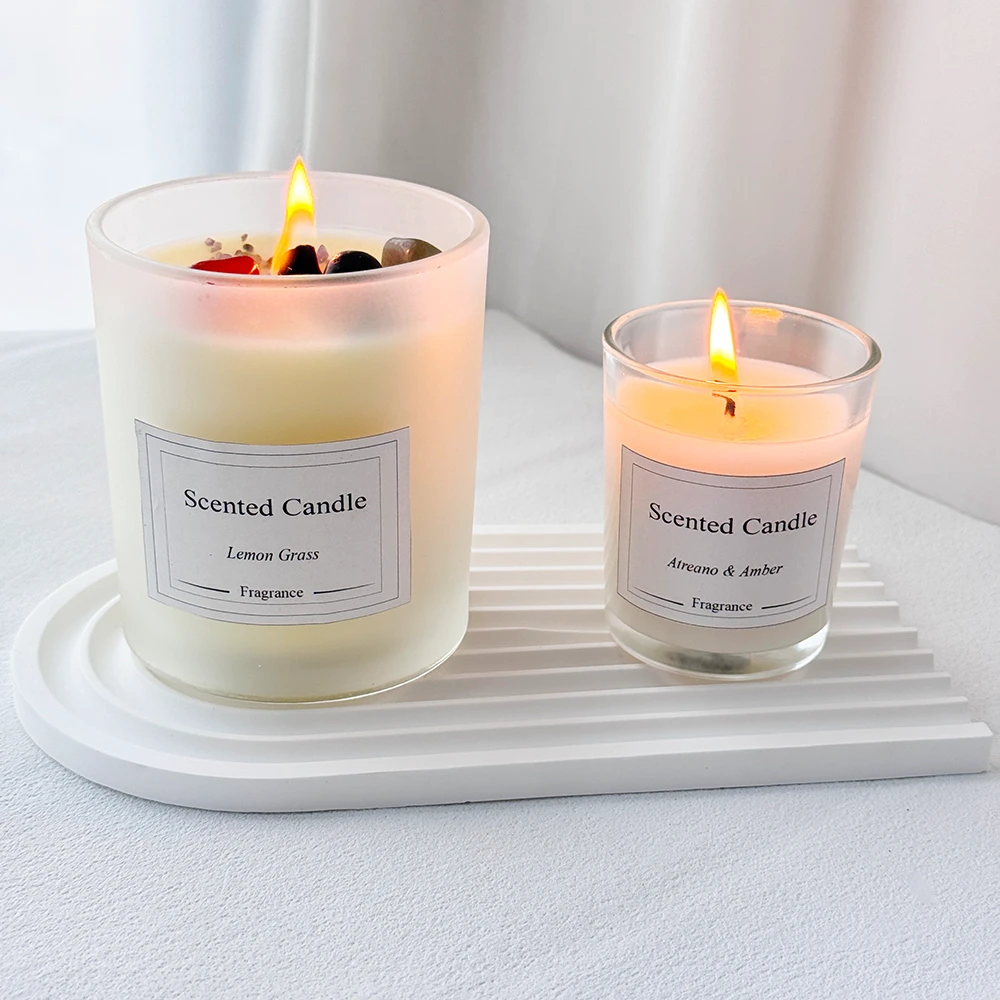
Yes, beeswax candles can be scented using premium essential oils. However, because beeswax has its own natural honey aroma, the scents must be carefully balanced. Professional manufacturers use specific blending techniques to ensure that the added fragrance complements the natural scent without compromising the wax's structural integrity.
How should I evaluate the quality of a beeswax supplier?
Evaluate a supplier based on their export experience, their ability to provide ODM/OEM services, and their quality control processes. Check for a history of large-scale shipments to diverse markets and their capacity to handle customized packaging and specifications while maintaining a consistent product standard.
What is "tunneling" and how can it be avoided in beeswax candles?
Tunneling occurs when the candle burns down the center, leaving unused wax on the sides. This is usually caused by an undersized wick. It can be avoided by using a wick that is specifically calibrated for the density and diameter of the beeswax candle, ensuring a full melt pool across the top.
Are beeswax candles safe for people with allergies?
Pure, unscented beeswax candles are generally hypoallergenic and safe for most people. However, if essential oils or fragrances are added, buyers should ensure the ingredients are high-quality and non-irritating. Pure beeswax is often preferred in wellness environments for its clean-burning properties.
What is the typical lead time for bulk OEM beeswax orders?
Lead times vary based on the complexity of the customization and the order volume. Typically, standard orders are processed faster, while customized molds and packaging (OEM) may require additional time for design approval and production. A professional export company will provide a clear timeline from sampling to shipment.
References and further reading
- International Standards for Natural Wax Composition and Purity Testing.
- Global Logistics Guidelines for Temperature-Sensitive Fragrance Products.
- Comparative Analysis of Combustion Rates: Beeswax vs. Paraffin and Soy.